Korean pizza confused me long before I understood why. The first time you order from a Korean chain, everything looks familiar enough: round crust, melted cheese, toppings, delivery box. Then you actually eat it and realize the flavor can be much sweeter, creamier, and more overloaded than the pizza you expected.
Sweet potato mousse can be hiding inside the crust. Corn may be mixed into the toppings. Potato wedges can come covered in mayo and cheese sauce. Bulgogi, pineapple, honey, cream sauces, and multiple crust fillings all show up surprisingly often. If you grew up with simple pepperoni or margherita pizza, the first reaction can genuinely be, "Why did they do this?"
The interesting part is that Korean pizza is not random. Once you look at the flavors Korean chains are selling and the wider preference for sweet-and-savory combinations, heavy toppings, and novelty, it starts to make sense as its own category of fast food. I still do not love every version of it, but I understand it much better now.
Read: Why Modern Korean Food Can Taste So Sweet
Read: Korean Convenience Store Foods Worth a Trip to Korea
Read: How Seoul Became One of the World's Most Convenient Cities
1. Why Does Korean Pizza Taste So Different?
♡ If you grew up expecting tomato sauce, cheese, pepperoni, and a salty crust, Korean pizza can feel like someone changed every rule at once.
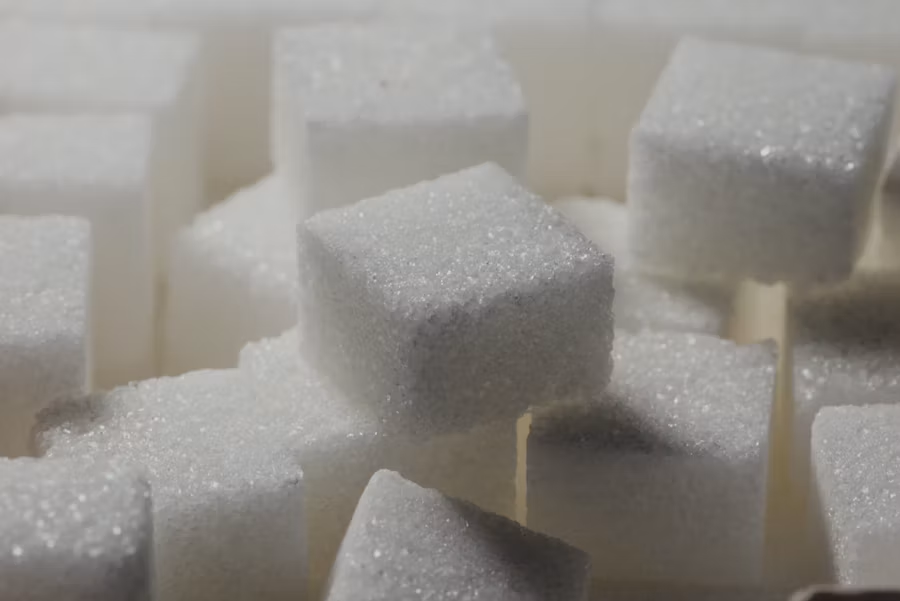
Let me start with the obvious disclaimer: Korean pizza is not objectively bad. Plenty of people in Korea love it, and Seoul has no shortage of excellent Italian, Neapolitan, New York, and American-style pizza restaurants. But when foreigners complain about Korean-style pizza, I completely understand where the reaction comes from.
The problem is usually expectation. You order something that looks familiar and expect tomato sauce, salty cheese, meat, and maybe a few vegetables. Then you take a bite and realize there is sweet potato mousse in the crust, corn under the cheese, mayonnaise over the potatoes, or a noticeably sweet sauce running through the whole thing. Sometimes several of those ingredients show up on the same pizza.
Korean chain pizza developed around a much more maximalist idea of what pizza can be. Instead of treating the dough, tomato, and cheese as the main event, many menus use the pizza as a base for mixing sweet, salty, creamy, spicy, and crunchy flavors. Pizza School's current menu makes that obvious, with options involving corn cheese, sweet potato, buldak, bulgogi, potato, pineapple, cream sauces, and even gorgonzola served with honey syrup.
If your idea of great pizza is simple, salty, tomato-heavy, and cheese-focused, that style can feel completely chaotic. The pizza is not necessarily failing at what it is trying to be. It is just trying to be something very different from the pizza you may have grown up with.
Helpful picks for a Seoul food day:
Portable Charger Digital Camera
Some links may be affiliate links. The Seoul Edit Blog may earn a commission at no additional cost to you.
2. The Sweet Potato Situation
♡ Korea looked at pizza crust and apparently decided it needed dessert hiding inside it.
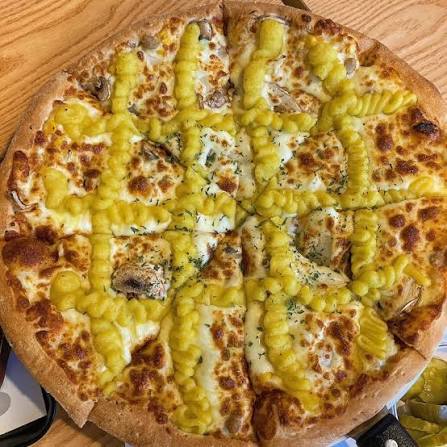
If one ingredient represents Korean pizza culture better than anything else, it might be 고구마 (goguma), or sweet potato. Sweet potato is already a huge flavor in Korea, showing up in snacks, breads, cakes, drinks, ice cream, and seasonal desserts, so it makes sense that pizza eventually got pulled into the situation too.
Korean pizza chains do not just scatter a few pieces of sweet potato on top. They turn it into puree, mousse, topping, and crust filling. Pizza School sells sweet potato pizza and buldak sweet potato pizza, and its crust options can also include sweet potato mousse. This means you can order what looks like a savory pizza and still discover a sweet, creamy layer hiding inside the edge.
This is where a lot of foreigners lose the plot. A cheese-filled crust is one thing, but a noticeably sweet crust can make the entire slice feel closer to a savory dessert. Korean diners who like 단짠 (danjjan), the sweet-and-salty combination, may enjoy exactly that contrast. If you came looking for a New York slice, though, sweet potato mousse hiding inside the crust can feel like a personal attack.
3. Why Is There Corn on Everything?
♡ Corn is one of the fastest ways for a foreigner to realize they have entered Korean pizza territory.
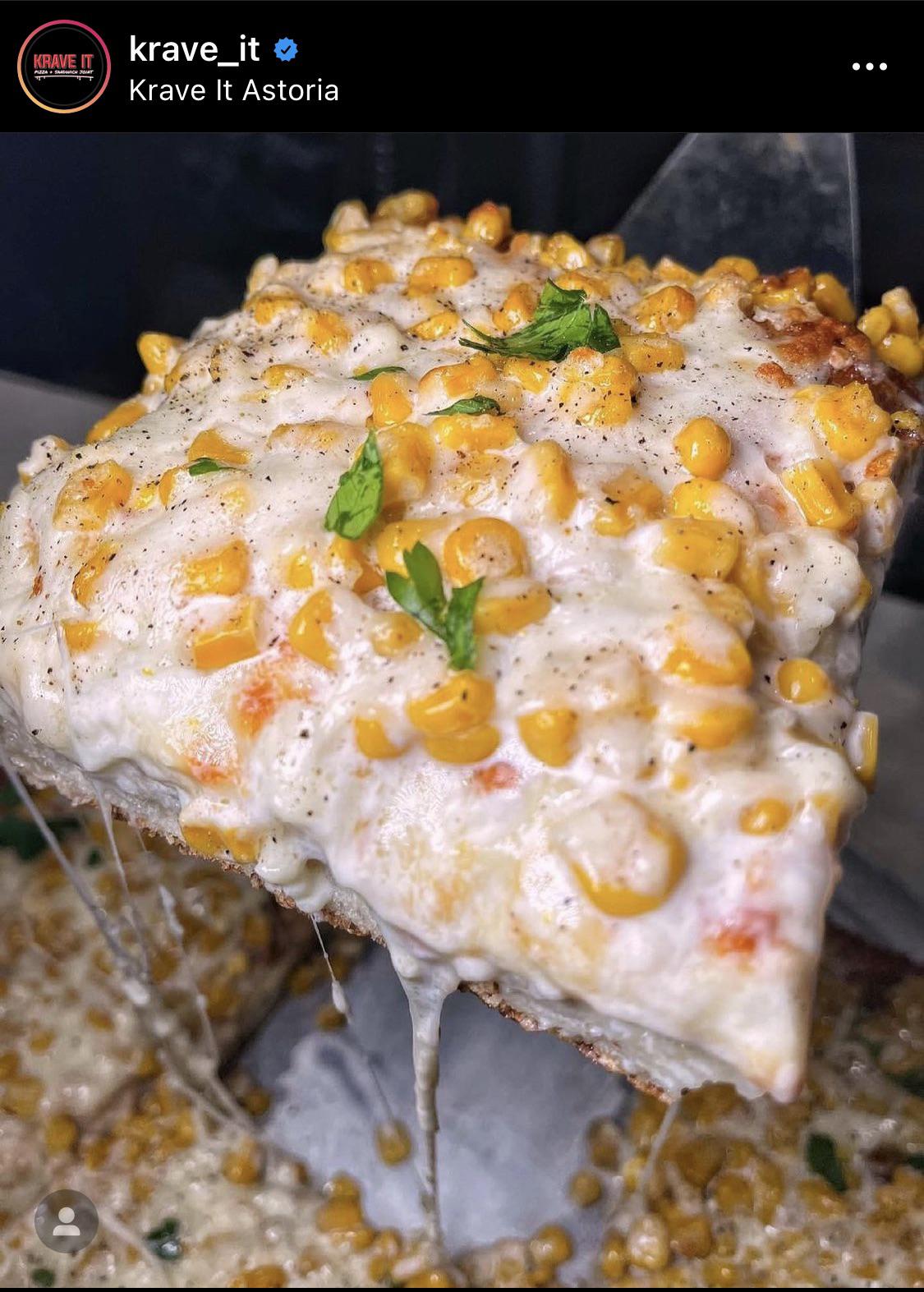
Corn on pizza is not uniquely Korean, but Korea has absolutely embraced it. Sweet corn fits the flavor profile of Korean chain pizza surprisingly well because it is mild, slightly sweet, easy to combine with cheese, and already familiar from dishes like Korean corn cheese.
Pizza School even sells a dedicated corn cheese pizza, which tells you this is not some accidental topping that appeared because a restaurant ran out of mushrooms. Corn belongs naturally in Korea's broader comfort-food world, where cheese, mayo, sweetness, and soft textures often appear together.
The weirdness mostly comes from what you expected before taking the first bite. If someone tells you they ordered a combination pizza, you may not mentally prepare for little bursts of sweet corn underneath the cheese. Once you understand the flavor logic, it makes more sense. Whether you actually want corn on your pizza is a completely different question.
Helpful picks for a Seoul food day:
Mini Tripod ROUND LAB Birch Juice Sunscreen
Some links may be affiliate links. The Seoul Edit Blog may earn a commission at no additional cost to you.
4. Korea Really Loves Mayo and Creamy Sauces on Pizza
♡ Sometimes the topping is not the problem. Then a white sauce gets drizzled across the entire pizza.
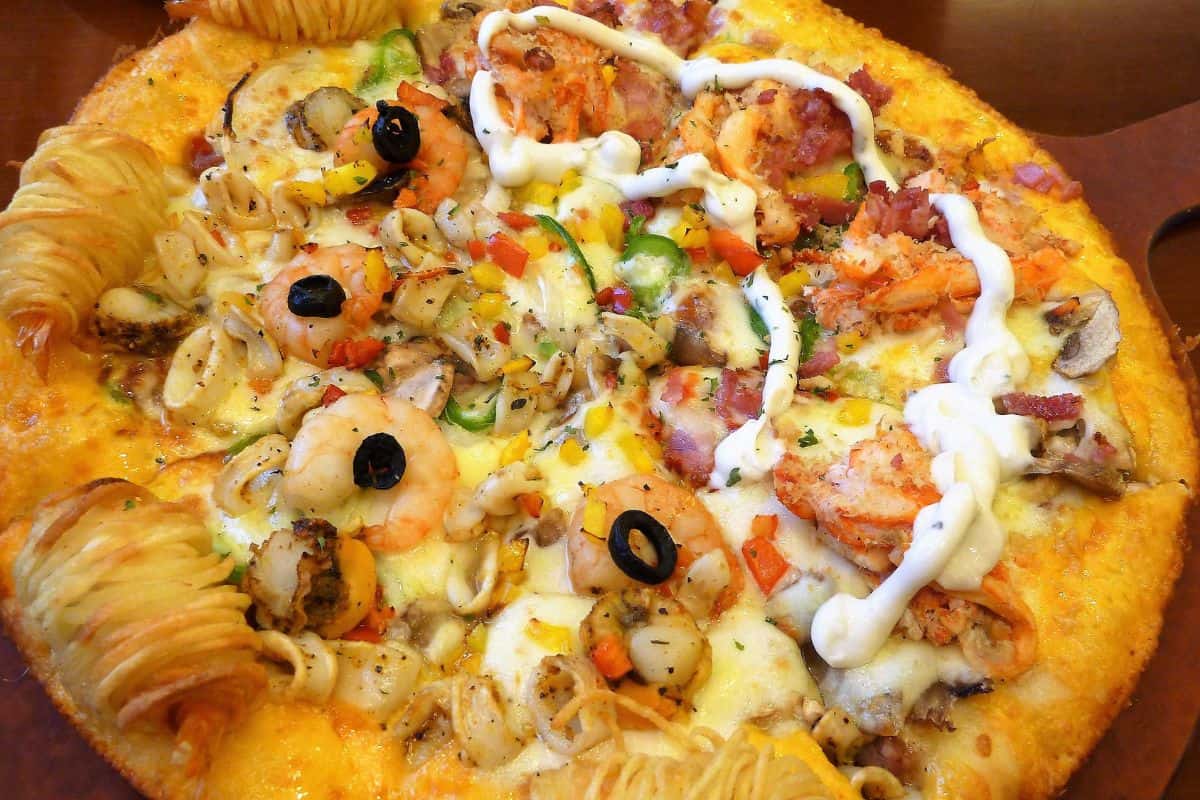
The sauce situation is probably my biggest personal issue with Korean-style pizza. You can already have cheese, meat, tomato sauce, vegetables, potatoes, and a complicated stuffed crust, and then another creamy sauce gets added across the top. At some point I start wondering whether the actual pizza is still under there.
This is not just me exaggerating. Pizza School's potato pizza includes mayonnaise, while its Aussie cheese potato pizza combines potato wedges, bacon, mayo, cheddar cheese mayo sauce, and cheddar cheese. Its Napoli pizza uses a golden mayo sauce with sausage, tomato, and pepperoni, while the Carbone pizza goes in a creamy direction with white cream, spaghetti, cheese, and ham.
That tells you something important about Korean pizza culture. Creaminess is often treated as another layer of flavor rather than something that should be used sparingly. If you love rich food, this can be amazing. If you prefer pizza where tomato, mozzarella, and crust can actually taste like themselves, it can feel like the entire slice has been buried under condiments.
Helpful picks for a Seoul food day:
Beauty of Joseon Relief Sun Portable Charger
Some links may be affiliate links. The Seoul Edit Blog may earn a commission at no additional cost to you.
5. Bulgogi Somehow Became a Pizza Topping, and This One Actually Makes Sense
♡ Sweet soy-marinated beef on bread with cheese sounds chaotic until you remember that it is basically meat, carbs, and melted cheese.
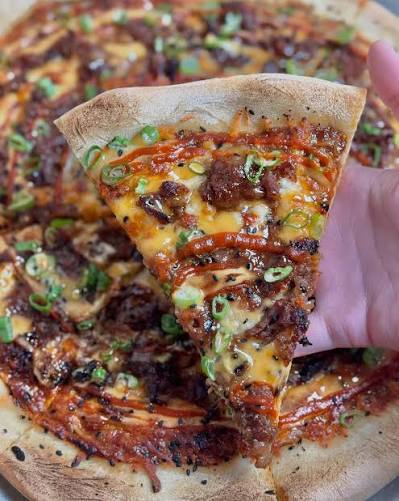
Not every Korean pizza invention deserves to be bullied. Bulgogi pizza is one of the combinations I actually understand immediately because bulgogi is already savory, slightly sweet, and rich enough to work with bread and melted cheese.
Pizza School currently sells a bulgogi pizza, and other combinations push the idea further by pairing grilled bulgogi with pineapple or additional sauces. The result is sweeter than the meat toppings some foreigners may expect, but the basic combination itself makes sense.
Bulgogi pizza is also a good example of why Korean pizza should not simply be treated as a failed copy of Western pizza. Korea imported pizza and then adapted it to flavors people already knew and liked. Bulgogi moved onto pizza for the same reason local ingredients find their way onto pizza menus all over the world. It is familiar, popular, and surprisingly compatible with cheese.
Helpful picks for a Seoul food day:
Digital CameraAirPods
Some links may be affiliate links. The Seoul Edit Blog may earn a commission at no additional cost to you.
6. Potato Pizza Is Basically Its Own Genre
♡ Korean pizza did not stop at putting potatoes on top. It added bacon, mayo, cheese sauce, wedges, and sometimes even more cheese.
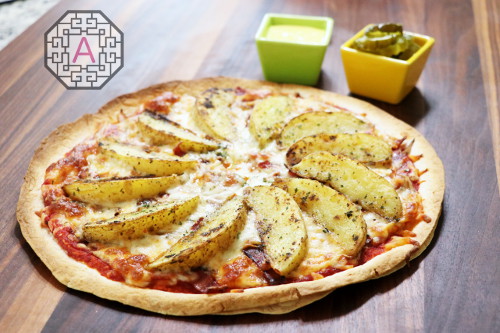
Potato pizza is another Korean chain classic that sounds simple until you actually see how far the idea goes. Pizza School's standard potato pizza combines potato and bacon with mayonnaise, while its Aussie cheese potato pizza adds potato wedges, bacon, mayo, cheddar cheese mayo sauce, and cheddar cheese.
At that point the pizza has stopped pretending to be light. It is potato on bread with cheese, meat, and creamy sauce, which honestly makes more sense if you stop comparing it with a margherita and start treating it like an entire comfort-food meal sitting on top of pizza dough.
That distinction explains a lot about Korean chain pizza in general. These pizzas often want to feel abundant, filling, rich, and exciting rather than restrained. The question is not whether someone could remove two toppings and make the flavor cleaner. The point is that they deliberately did not.
Helpful picks for a Seoul food day:
Lip Tint ROUND LAB Birch Juice Sunscreen
Some links may be affiliate links. The Seoul Edit Blog may earn a commission at no additional cost to you.
7. Even the Crust Is Doing Too Much
♡ Cheese crust was apparently not enough, so Korean pizza menus found more things to hide inside the edge.
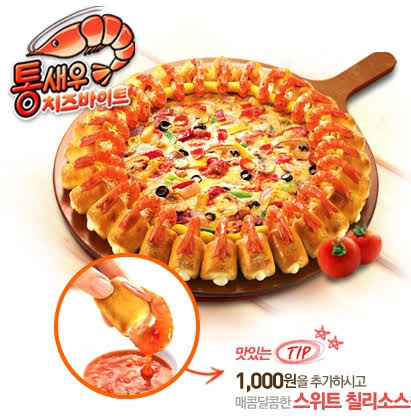
In a lot of pizza traditions, the crust is the simple part. Korean chain pizza menus looked at that empty edge and apparently saw unused real estate. Cheese crust is common, but menus can go further with cheese bites, sweet potato mousse, garlic spreads, and combinations of multiple fillings.
Pizza School currently offers crust upgrades that include cheese crust, cheese bites, sweet potato mousse, and a cheese bite plus sweet potato mousse option. That means one slice can already have bulgogi, corn, potato, sauces, and cheese in the center, then surprise you with another flavor once you finally reach the edge.
If you love maximalist food, this is probably part of the appeal. There is almost no boring bite. If your favorite pizza crust is chewy, lightly charred, and good enough to eat by itself, you may instead find yourself wondering why the crust needed its own storyline.
Helpful picks for a Seoul food day:
Mini TripodDigital CameraSome links may be affiliate links. The Seoul Edit Blog may earn a commission at no additional cost to you.
8. And Then They Give You Pickles
♡ The little container of sweet pickles beside Korean pizza is not random. It helps cut through all that cheese, sauce, meat, and richness.
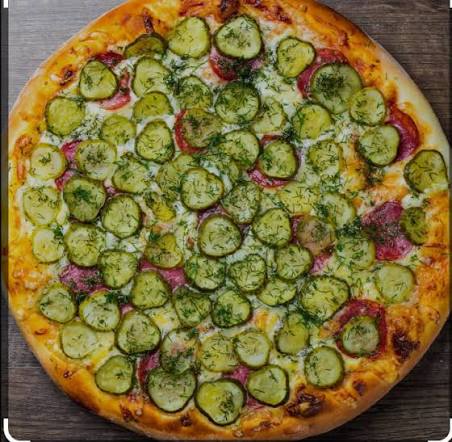
If you order pizza in Korea, there is a good chance you will get a little container or packet of pickles with it. The first time you see them, it can feel strangely specific. Why does pizza need pickles?
Then you eat a slice covered in cheese, meat, mayo, sweet potato, and creamy sauce, and the answer becomes much more obvious. Something cold, acidic, and crunchy is genuinely useful when the main food is that rich. Korean food culture already has a strong habit of pairing heavy foods with something pickled, fermented, refreshing, or sharp, so serving pickles beside pizza fits that pattern pretty naturally.
The funny part is that the pizza pickles themselves can taste sweeter than some foreigners expect. So even the thing designed to rescue you from an aggressively rich pizza can add another little bit of sweetness to the meal. That feels very on-brand for Korean chain pizza.
Helpful picks for a Seoul food day:
Portable ChargerBeauty of Joseon Relief SunSome links may be affiliate links. The Seoul Edit Blog may earn a commission at no additional cost to you.
9. How Korean Pizza Became So Chaotic
♡ The toppings make more sense when you stop treating Korean pizza as failed Italian food and start treating it as localized fast food.
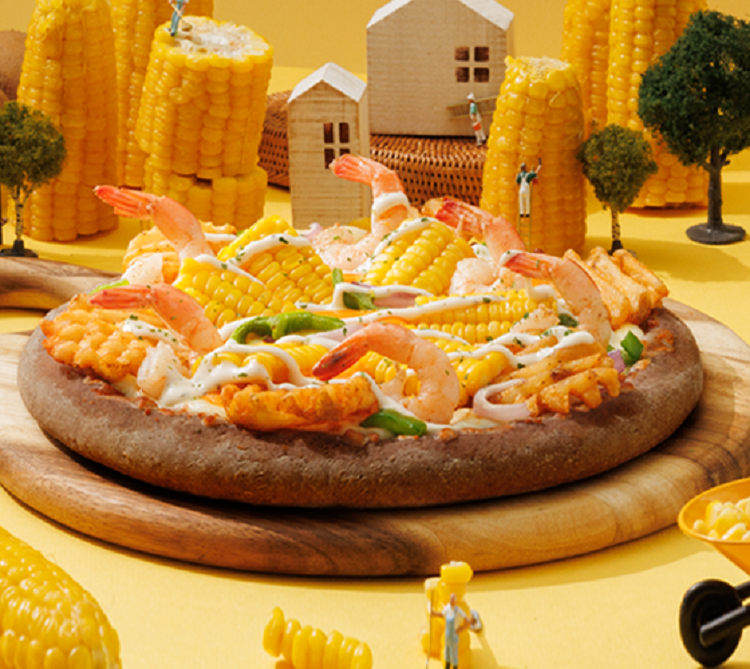
This is where the headline needs some nuance. Korean pizza is not chaotic because Korea somehow misunderstood what pizza is supposed to be. Pizza simply went through the same localization process that imported foods go through everywhere else.
Restaurants adapt products to local tastes. Customers buy the combinations they enjoy, competitors make even more elaborate versions, and eventually those flavors stop feeling unusual. In Korea, that local pizza vocabulary came to include bulgogi, sweet potato, corn, potato, shrimp, cream sauce, honey, mayo, stuffed crusts, and spicy-sweet combinations.
Pizza School's current menu shows how broad the category has become. It sells familiar cheese, pepperoni, and combination pizzas right beside sweet potato, corn cheese, buldak sweet potato, truffle potato, grilled bulgogi with pineapple, shrimp, quesadilla-inspired pizzas, cream-based options, and several crust upgrades.
That variety is not an accident. Korean chain pizza is part comfort food and part novelty product. A new combination gives people a reason to order again, talk about it, share it, and compare it with whatever the chain released last time. Once you look at it that way, the overloaded toppings make much more sense.
10. So Is Korean Pizza Actually Bad?
♡ Sometimes, yes. Sometimes it is great. Most of the outrage comes from ordering one style of pizza while expecting another.
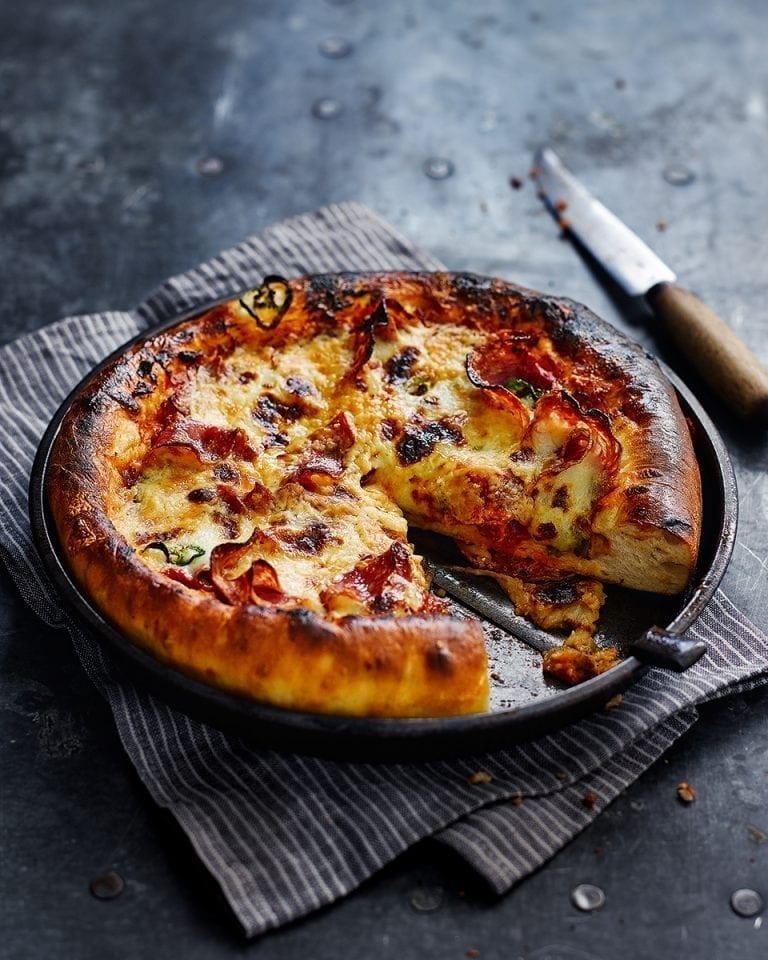
My answer is annoyingly complicated. Some Korean pizzas are absolutely too sweet for me, some have so many sauces that the cheese disappears underneath them, and some crusts contain things I personally never wanted hidden inside bread. I am not going to pretend I love every version just because the toppings have a cultural explanation.
At the same time, Korean pizza becomes much more enjoyable once you stop expecting every pizza to taste American or Italian. If you hate sweet pizza, start with something simple. Order cheese, pepperoni, or combination pizza, avoid sweet potato mousse, and check whether the menu mentions mayo, cream sauce, or honey.
If you are curious, do the opposite. Order something aggressively Korean. Try sweet potato, bulgogi, potato wedges, or one of the crusts that has no business being that complicated. You might hate it, or you might realize that once you stop expecting a normal pepperoni slice, the whole thing becomes weirdly fun.
That is probably the best way to experience Korean pizza. Do not order it because you want your favorite pizza from home. Order it because you want to see what Korea decided pizza could turn into.
Helpful picks for a Seoul food day:
ROUND LAB Birch Juice SunscreenPortable ChargerSome links may be affiliate links. The Seoul Edit Blog may earn a commission at no additional cost to you.
11. FAQ: Korean Pizza
Why is Korean pizza so sweet?
Many Korean-style pizzas deliberately combine sweet and savory flavors. Sweet potato mousse, sweet corn, sweet chili sauce, bulgogi marinades, pineapple, honey, and creamy sauces can all add sweetness. Not every pizza in Korea is sweet, and simple cheese or pepperoni options are widely available.
Why does Korean pizza have sweet potato?
Sweet potato is already a popular flavor in Korean snacks, drinks, breads, desserts, and comfort food. Pizza chains adapted it into pizza as a topping, mousse, and crust filling. Pizza School currently sells sweet potato pizza and lets customers add sweet potato mousse to other pizzas.
Why does Korean pizza have corn?
Corn fits the sweet and creamy flavor profile common in Korean comfort foods. It pairs easily with cheese and mayonnaise-based sauces, and corn cheese is already a familiar Korean dish. Some pizza chains sell dedicated corn pizzas.
Why does Korean pizza use mayonnaise?
Creamy sauces are common on Korean-style pizza, especially potato and specialty pizzas. For example, Pizza School lists mayonnaise on its potato pizza and mayo-based cheese sauce on other potato varieties.
What is Korean sweet potato pizza?
Korean sweet potato pizza typically uses sweet potato puree or mousse either on top of the pizza or inside the crust. The flavor is noticeably sweet and is often combined with cheese, meat, spicy chicken, or other savory toppings.
Is bulgogi pizza popular in Korea?
Bulgogi is a well-established Korean pizza topping and appears on menus from Korean pizza chains. The sweet and savory marinated beef works naturally with bread and cheese, making it one of the easier Korean pizza styles for many visitors to understand.
Why do Korean pizzas come with pickles?
Pickles provide acidity and crunch beside rich, cheesy pizza. They work as a refreshing side between bites, similar to the way Korean meals often include something pickled or refreshing alongside heavier food.
Can I get normal pepperoni pizza in Korea?
Yes. Korean pizza chains also sell straightforward cheese, pepperoni, combination, and other familiar pizzas. You do not have to order sweet potato, corn, mayo, or specialty crusts.
Is all pizza in Korea Korean-style pizza?
No. Seoul has many restaurants serving Italian, Neapolitan, New York, American, and other pizza styles. This article is specifically about the sweeter and more heavily topped style associated with many Korean pizza chains.
What Korean pizza should a foreigner try first?
If you want something approachable, bulgogi or potato pizza can be a good introduction. If you want the full Korean pizza experience, try a sweet potato pizza or another specialty pizza with a stuffed crust.
12. Sources and Further Reading
Pizza menus change over time, so this article focuses on recurring styles and ingredients while using current Pizza School menu examples to show how Korean chain pizza actually looks today.
Pizza School Aussie Cheese Potato Pizza
Individual recipes, prices, toppings, promotions, and menu items can change. Check the current menu of the specific pizza restaurant before ordering if you are trying to avoid a particular sauce or ingredient.
Want More Korean Food and Seoul Guides?
Join the list for Korean food, Seoul restaurants, convenience-store finds, cafés, Korean culture, K-beauty, and local travel tips.

Planning a trip to Seoul?
13. Final Thoughts
So, why does Korean pizza have such a bad reputation among some foreigners? Mostly because it can be much sweeter, creamier, and busier than the pizza they are expecting. Sweet potato mousse, corn, mayo, potato, bulgogi, cheese sauces, and stuffed crusts are not unusual enough to feel like exceptions. They are part of the style.
I still think some Korean pizzas do too much. There are definitely times when I would rather have tomato sauce, mozzarella, pepperoni, and nothing else trying to surprise me. But Korean-style pizza becomes much easier to enjoy once you stop judging it as a failed version of Italian or American pizza and treat it as its own localized fast food.
If you want something familiar in Korea, that is easy to find. Order a basic cheese or pepperoni pizza, or go somewhere specializing in Italian or American styles. But at least once, try one of the ridiculous Korean specialty pizzas too. Get the sweet potato, the bulgogi, or the unnecessarily complicated crust. You might hate it, but there is a decent chance you will keep eating it while complaining.