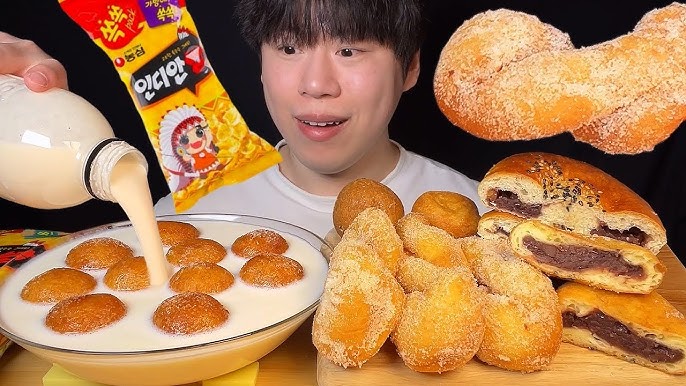
If you have seen Korean creators dipping donuts into soy milk, you might be wondering whether this is a new Korean food trend, an old snack combo, or just another internet food moment.
The answer is a little bit of all three. The viral Korean version usually uses kkwabaegi, Korea's twisted sugar donut, but the deeper food idea connects to the Chinese breakfast pairing of soy milk and fried dough.
1. What Is the Soy Milk and Donut Trend?
♡ The viral version in Korea usually means dipping a fried donut, often a twisted donut, into cold or room-temperature soy milk.
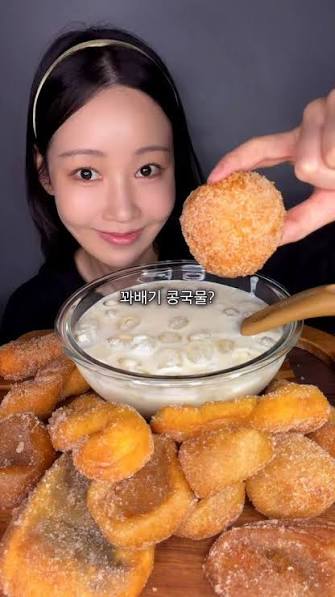
Video source: @juliet_asmr on Instagram
If you have been seeing Korean creators dip donuts into soy milk, you are not imagining things. The combo has been showing up in food videos, mukbang-style clips, snack reels, and casual “try this with me” content.
The basic idea is simple: take a fried donut, usually something soft, chewy, or lightly crisp on the outside, and dip it into soy milk like a snack version of cookies and milk.
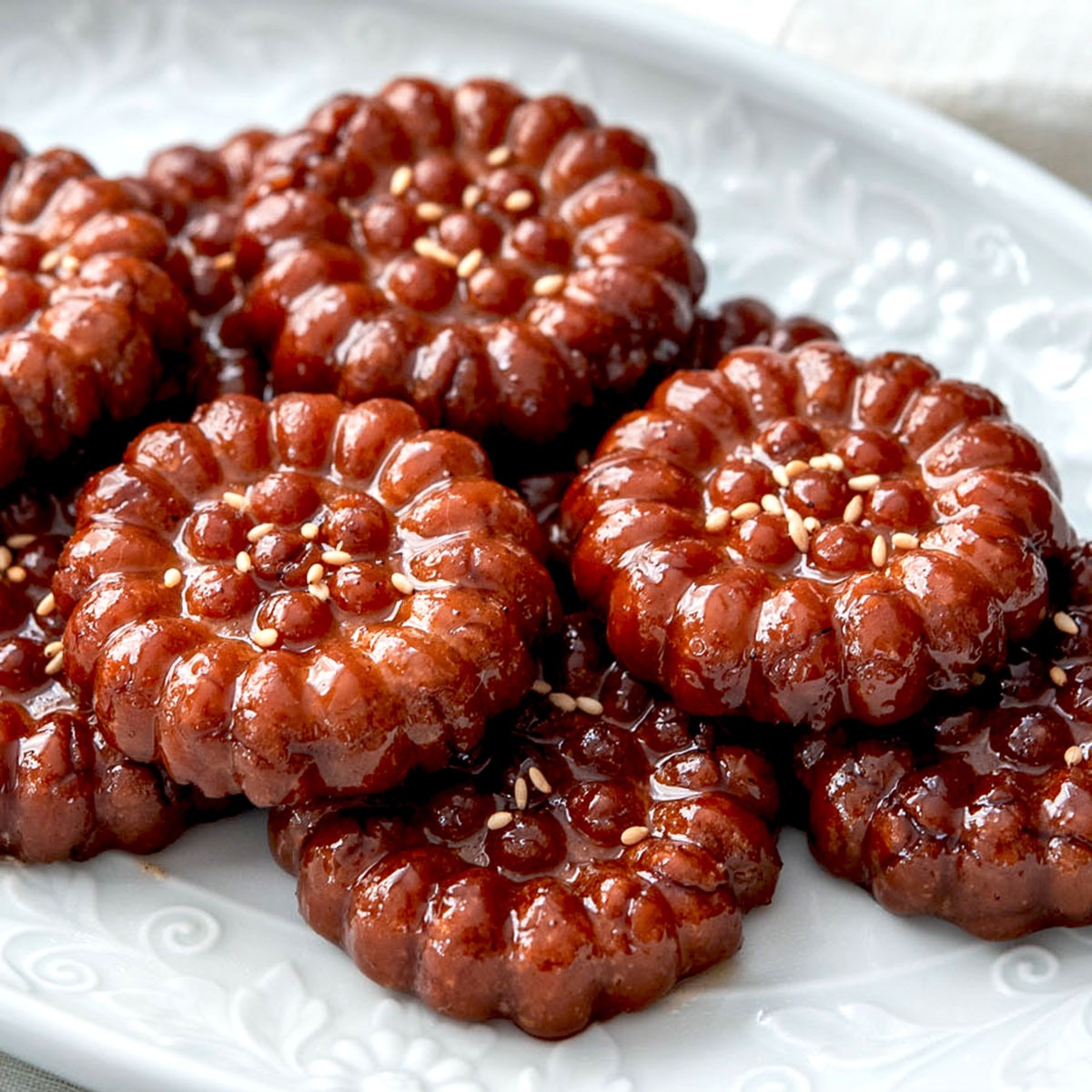
In Korea, the version that feels especially fun is using kkwabaegi, the Korean twisted donut. Kkwabaegi is usually fried, twisted, coated in sugar, and sold at markets, bakeries, street stalls, and old-school snack shops.
The soy milk softens the donut slightly, balances the sweetness, and adds a nutty flavor. The result feels nostalgic, cheap, cozy, and a little unexpected - exactly the kind of food combo that works well on TikTok, YouTube Shorts, and Instagram Reels.
But the important thing is this: soy milk with fried dough is not originally a Korean idea. The Korean trend is better understood as a local remix of a much older Chinese and Taiwanese-style breakfast pairing: soy milk with fried dough, often known as doujiang and youtiao.
Try the trend setup:
Soy Milk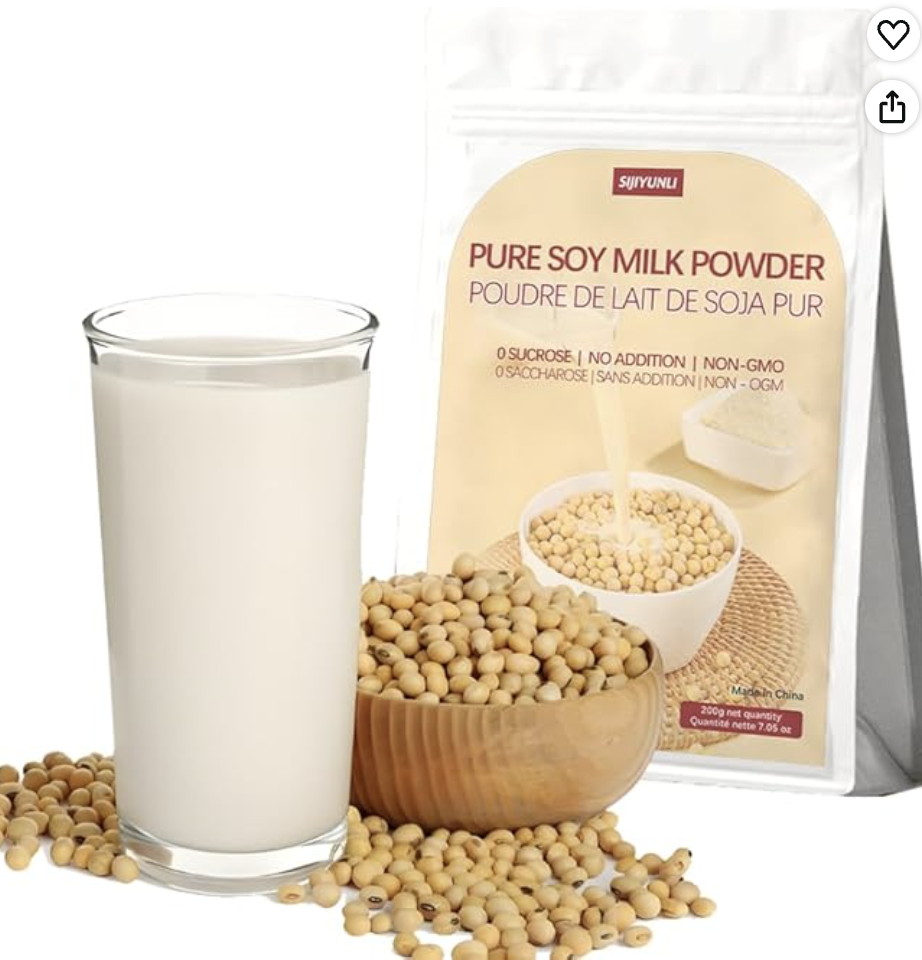 Plastic Cup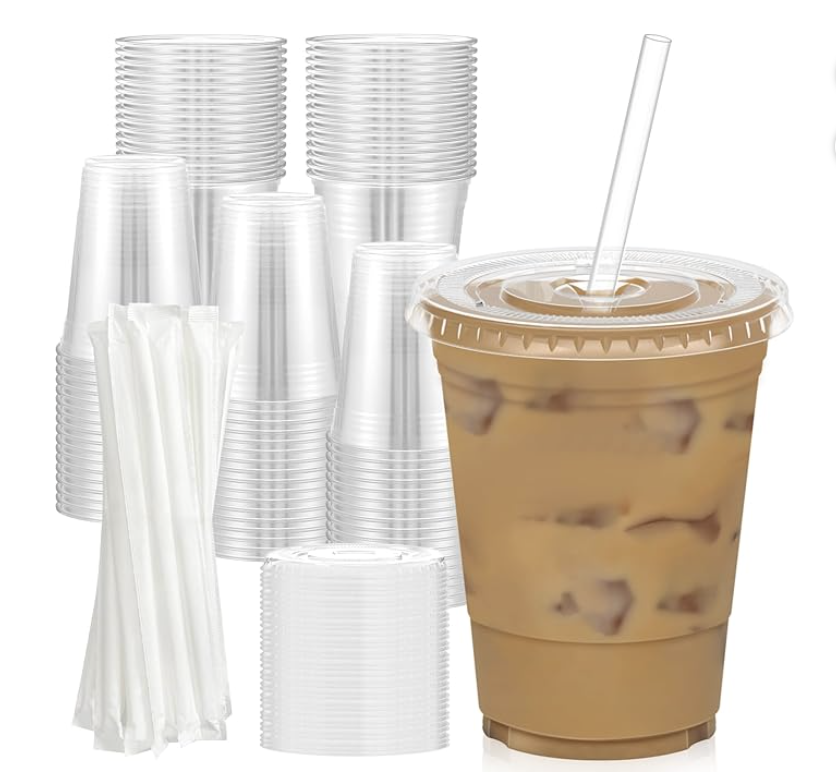
Some links may be affiliate links. The Seoul Edit Blog may earn a commission at no additional cost to you.
2. The Chinese Breakfast Origin: Doujiang and Youtiao
♡ Before it became a Korean creator trend, soy milk and fried dough was already a classic Chinese breakfast pairing.
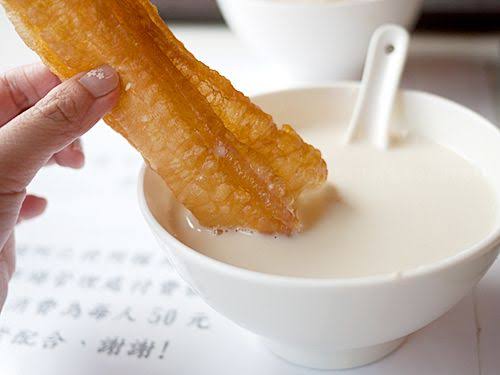
To understand why soy milk and donuts work so well together, you have to look at the older pairing behind the trend: doujiang and youtiao.
Doujiang means soy milk in Chinese, and youtiao is a long fried dough stick often eaten for breakfast. In many Chinese-speaking places, youtiao is dipped into soy milk, eaten alongside rice rolls, or served with other breakfast foods.
That pairing makes sense because the fried dough is rich, airy, and oily, while the soy milk is smooth, nutty, and mild. Together, they create a balance: crispy and soft, sweet and neutral, warm and cool, heavy and light.
So when Korean creators dip twisted donuts into soy milk, it is not really a brand-new food invention. It is more like a Korean snack version of a classic soy milk and fried dough pairing.
The difference is the format. Instead of youtiao, Korean videos often use kkwabaegi, old-school bakery donuts, convenience store donuts, or market-style fried snacks. That makes the trend feel familiar to Korean viewers while still carrying the logic of the original pairing.
Try the trend setup:
Korean Snack Bowl Insulated Tumbler
Some links may be affiliate links. The Seoul Edit Blog may earn a commission at no additional cost to you.
3. Why Korea Remixed It With Kkwabaegi
♡ Kkwabaegi already has the texture, nostalgia, and affordability that make it perfect for a viral snack trend.
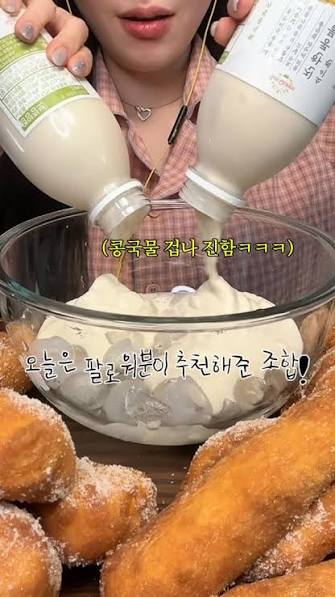
Video source: @juliet_asmr on Instagram
Kkwabaegi is one of those Korean snacks that feels both everyday and nostalgic. It is not a luxury dessert. It is not a fancy café pastry. It is the kind of fried treat you can find in markets, small bakeries, subway-area snack shops, and sometimes even near traditional food stalls.
That is why it works so well for this trend. A kkwabaegi is soft and chewy inside, lightly crisp outside, and usually coated in sugar. When you dip it into soy milk, the sugar melts slightly and the dough absorbs just enough liquid to become softer without fully falling apart.
It also photographs well. The twisted shape is instantly recognizable, the sugar coating catches light, and the dipping moment gives creators a satisfying visual hook.
The trend also fits Korea's current food culture. Korean food trends often move fast because they are easy to film, easy to copy, and easy to buy. If someone can recreate a snack with one drink and one donut, it has a much better chance of spreading.
That is exactly what happened here. The combo is simple enough to try immediately, but still unusual enough to make people comment, save, and ask where it came from.
Try the trend setup:
Mini Tripod Portable Charger
Some links may be affiliate links. The Seoul Edit Blog may earn a commission at no additional cost to you.
4. Why Does Soy Milk Taste So Good With Fried Dough?
♡ There's actually food science behind why this combination keeps people coming back.
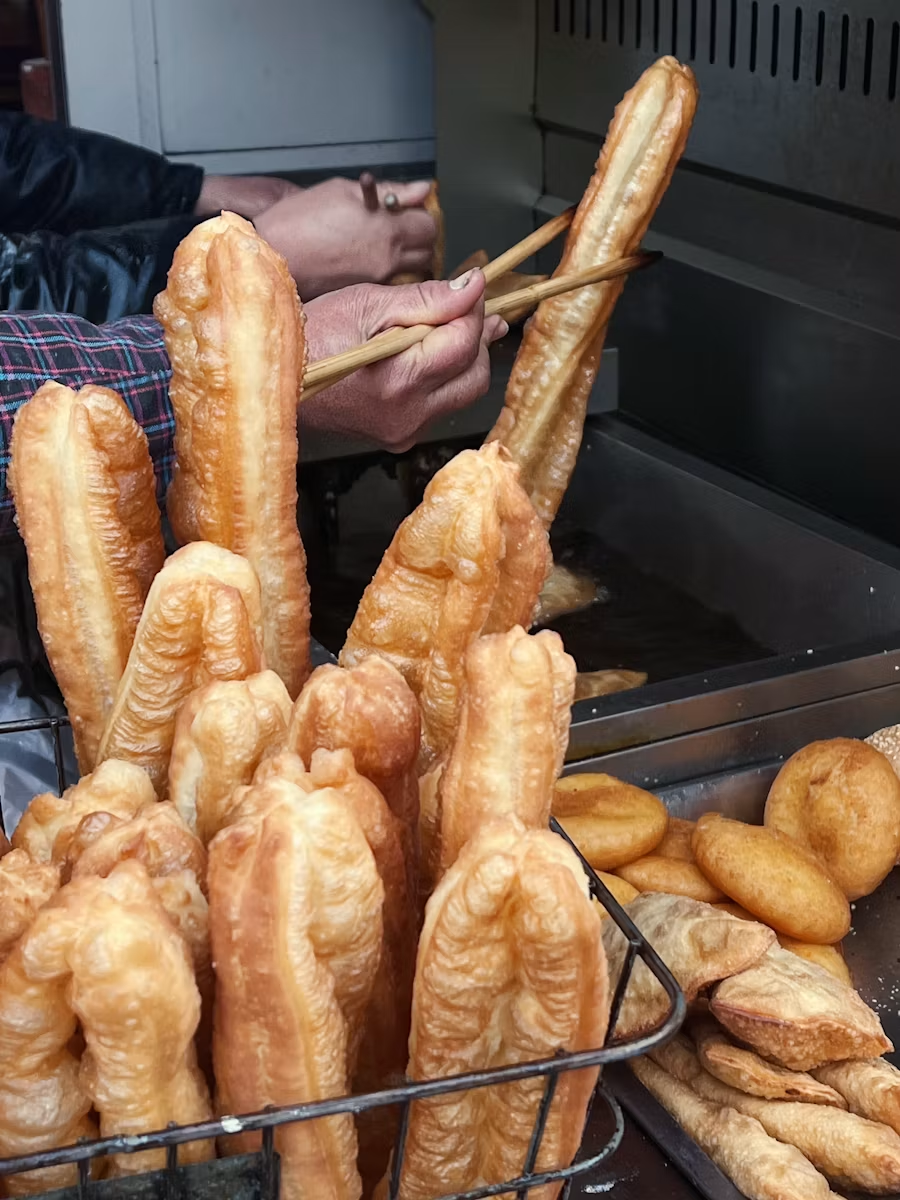
At first glance, soy milk and fried dough sound like an unusual pairing. But once you try it, the combination makes perfect sense.
Fried dough is rich, airy, slightly oily, and usually sweet. Soy milk is smooth, nutty, creamy, and refreshing. Together they balance each other instead of competing.
The soy milk softens the outside of the donut while leaving the center fluffy. The sweetness becomes less overwhelming, and the nutty soy flavor gives the snack more depth than simply eating a sugary donut by itself.
This is why many people compare it to cookies and milk. It feels comforting, nostalgic, and familiar-even if the ingredients are completely different.
Texture is also a huge part of the experience. The slight crunch, the soft interior, and the creamy soy milk create a contrast that makes each bite satisfying.
Food trends that succeed online are often built around texture, and this one is no exception. The slow-motion dip, the soft pull-apart donut, and the creamy soy milk all look incredibly satisfying on camera.
Try the trend setup:
Soy MilkInsulated TumblerSome links may be affiliate links. The Seoul Edit Blog may earn a commission at no additional cost to you.
5. Why Did This Trend Suddenly Go Viral in Korea?
♡ It's cheap, nostalgic, aesthetic, and incredibly easy to recreate.
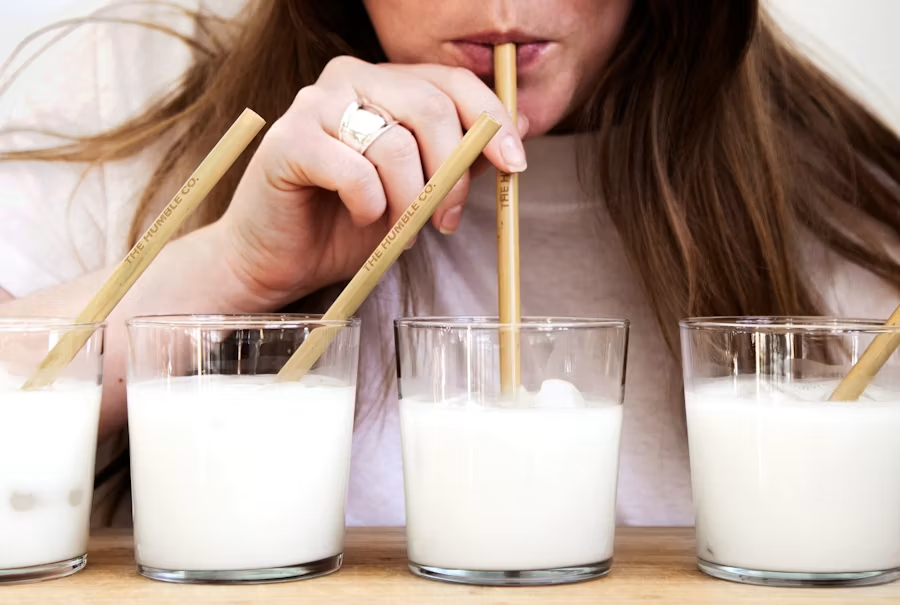
Korea has become one of the fastest countries in the world at turning ordinary foods into viral trends.
Unlike complicated recipes, this one requires almost no effort. Buy a bottle of soy milk, grab a donut, dip it, and film your reaction. Anyone can recreate it in under five minutes.
The trend also hits several things Korean viewers love:
- Affordable comfort food
- Nostalgic bakery snacks
- ASMR-friendly dipping sounds
- Visually satisfying textures
- Easy "You have to try this" recommendations
Another reason is that Korean algorithms tend to reward repeatable food content. Once a few popular creators posted videos, thousands of viewers began buying soy milk and donuts to see whether the hype was real.
This is similar to other Korean food crazes like Dubai Chocolate, giant croissants, Greek yogurt bowls, and convenience-store recipe hacks. The recipe itself is simple, but social media transforms it into a shared experience.
If you've followed Korean TikTok recently, you've probably noticed that many of the biggest trends aren't expensive meals-they're inexpensive snacks that everyone can participate in.
Try the trend setup:
Portable ChargerMini TripodSome links may be affiliate links. The Seoul Edit Blog may earn a commission at no additional cost to you.
6. Where Can You Try It in Seoul?
♡ You don't need a trendy café-almost every neighborhood has what you need.
The fun part about this trend is that you don't have to hunt down a special restaurant.
In fact, most people recreate it themselves using ingredients they buy separately.
Good places to find Korean twisted donuts include:
- Traditional markets (시장)
- Neighborhood bakeries
- Old-school snack shops
- Some subway station bakeries
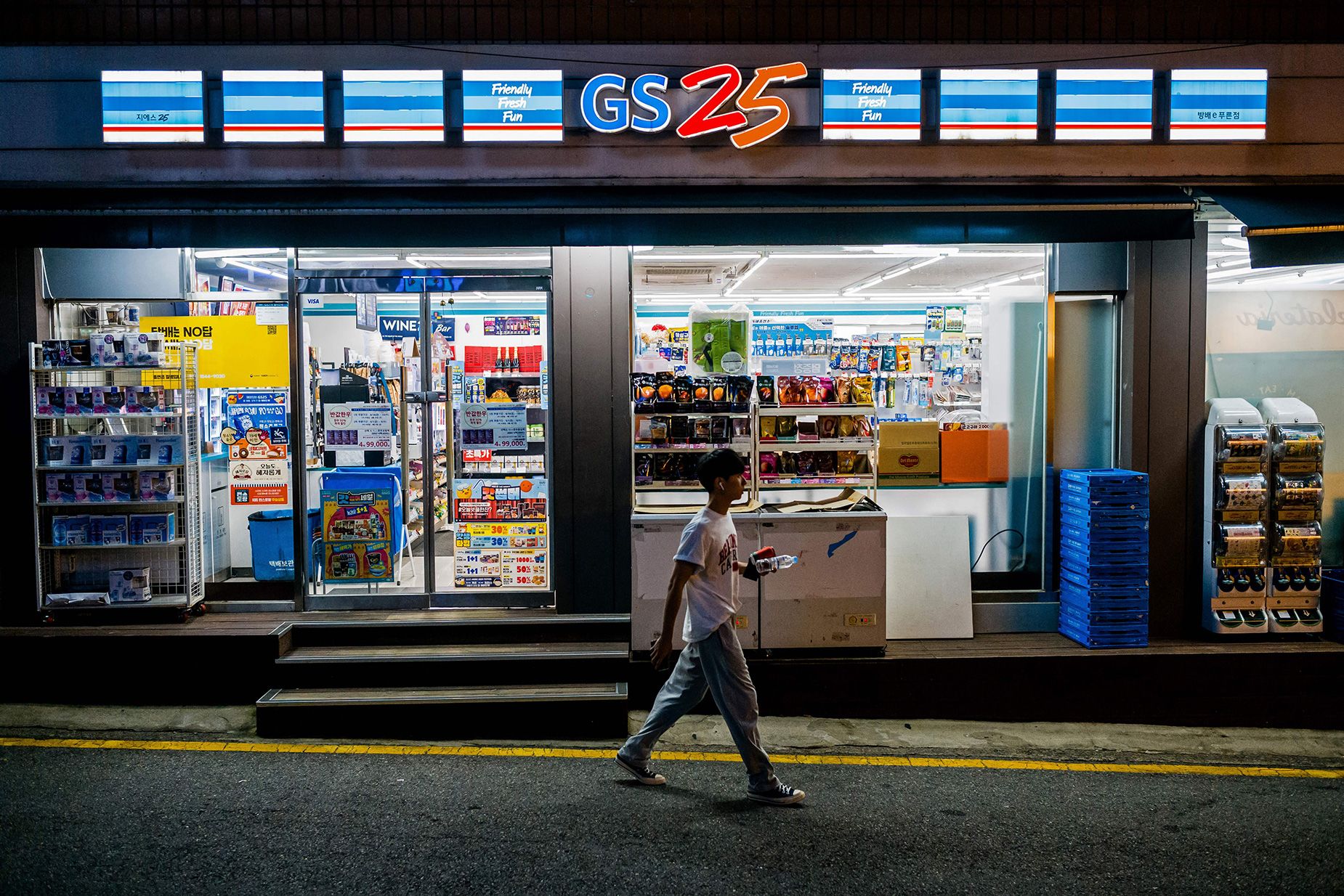
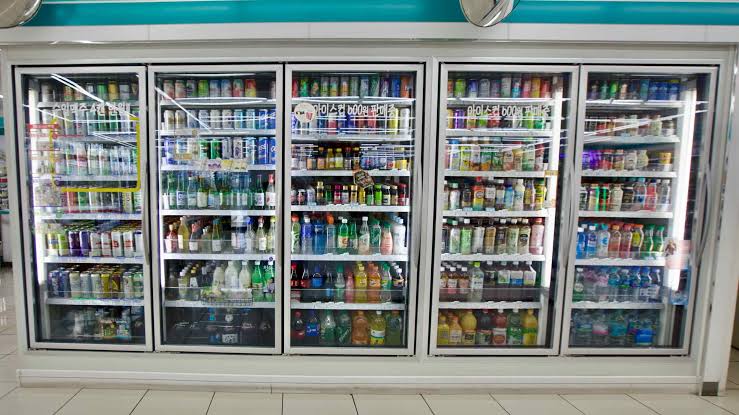
Soy milk is even easier to find. Convenience stores like GS25, CU, 7-Eleven, and emart24 all carry multiple soy milk brands, while larger supermarkets usually have entire refrigerated sections dedicated to soy drinks.
Many people even experiment with flavored soy milk such as black bean, sweet soy milk, or almond soy blends to see which pairs best with different donuts.
If you're visiting Korea, this is one of the easiest viral food trends to try because everything costs only a few thousand won and can be found almost anywhere.
Try the trend setup:
Canvas Tote Bag Plastic Cup
Some links may be affiliate links. The Seoul Edit Blog may earn a commission at no additional cost to you.
7. How Koreans Are Eating the Trend
♡ There isn't just one 'correct' way-people have started putting their own spin on the viral combination.
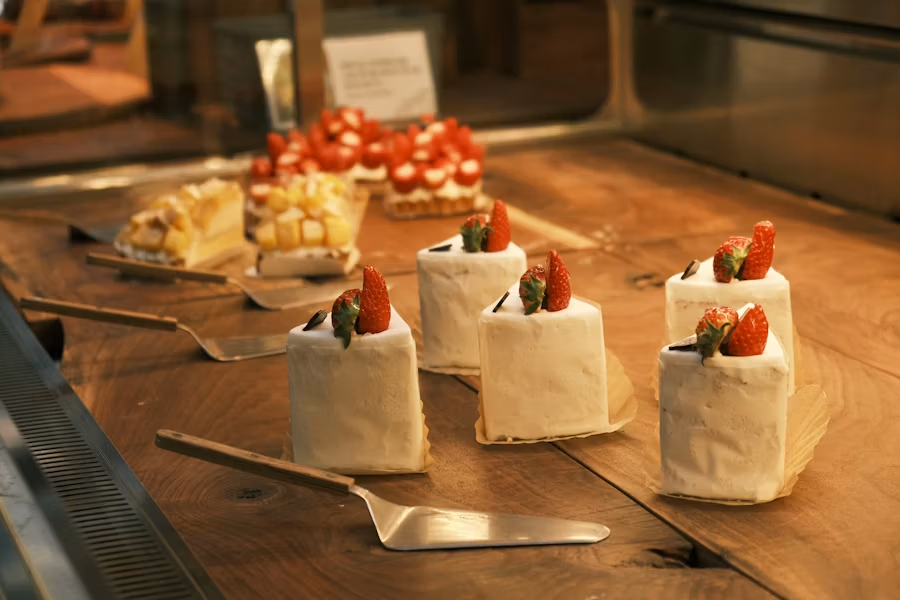
Since the trend exploded on Korean social media, creators have started experimenting with different ways to enjoy it instead of simply dipping one plain donut into soy milk.
Some people let the donut soak for only a second to keep it crispy, while others leave it in the soy milk until it becomes almost like a soft cake.
Others prefer drinking the soy milk first before finishing the donut, treating it more like coffee and pastries at a café.
Popular variations include:
- Sweet soy milk with sugar-coated kkwabaegi
- Unsweetened soy milk for a less sugary taste
- Black bean soy milk
- Mini donuts instead of full-sized twisted donuts
- Fresh bakery donuts instead of packaged ones
There isn't a universally accepted "best" version, which is probably another reason the trend keeps spreading. Everyone can customize it to match their own taste.
The trend also photographs surprisingly well. The creamy soy milk, golden fried dough, and dramatic dipping shot make for satisfying videos that perform well on TikTok, Instagram Reels, and YouTube Shorts.
Try the trend setup:
Soy MilkKorean Snack BowlSome links may be affiliate links. The Seoul Edit Blog may earn a commission at no additional cost to you.
8. Will This Food Trend Last?
♡ Probably not forever-but it'll likely join Korea's long list of memorable internet food crazes.
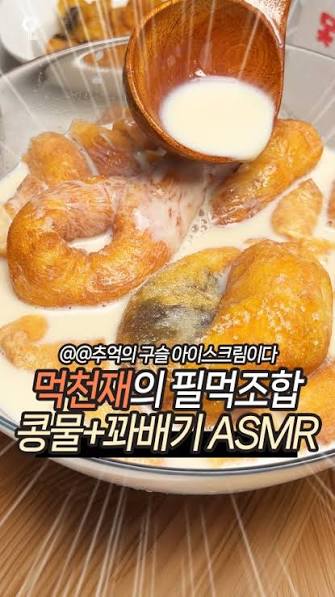
Internet food trends move incredibly quickly in Korea. One month, everyone is lining up for Dubai Chocolate. The next, people are making Greek yogurt bowls, giant croissants, or convenience-store recipes.
Soy milk and donuts will probably follow the same pattern. The viral excitement may eventually fade, but the combination itself is likely to stick around because it's inexpensive, comforting, and genuinely delicious.
Unlike novelty foods that require specialty cafés, this trend is easy to recreate almost anywhere. As long as bakeries keep selling kkwabaegi and convenience stores keep stocking soy milk, people can continue enjoying it.
More importantly, this trend shows how Korean social media constantly reinterprets foods from different cultures. While the original pairing comes from China's classic doujiang and youtiao breakfast, Korean creators adapted the idea using familiar local bakery snacks and transformed it into something that feels uniquely Korean online.
That's what makes Korean food trends so fascinating. They're often not about inventing entirely new foods-they're about rediscovering old ones through social media.
Whether this trend disappears next month or becomes another nostalgic internet memory, it's one of the easiest-and cheapest-viral Korean food experiences to try for yourself.
Try the trend setup:
Round Lab Birch Sunscreen Canvas Tote Bag
Some links may be affiliate links. The Seoul Edit Blog may earn a commission at no additional cost to you.
9. FAQ: Soy Milk and Donuts in Korea
Is the soy milk and donut trend originally Korean?
No. The idea comes from the Chinese breakfast combination of doujiang (soy milk) and youtiao (fried dough sticks). Korean creators adapted it using kkwabaegi, creating a new viral social media trend.
What kind of donut do Koreans use?
Most videos use kkwabaegi, Korea's twisted yeast donut that is commonly coated in sugar.
Where can I buy kkwabaegi in Korea?
Traditional markets, neighborhood bakeries, subway bakeries, and some cafés commonly sell fresh kkwabaegi.
What soy milk is used?
Any plain or sweet soy milk works. Many creators simply buy bottled soy milk from convenience stores like CU, GS25, or 7-Eleven.
Why is everyone trying it?
It's affordable, nostalgic, visually satisfying, and extremely easy to recreate at home, making it perfect for short-form social media.
Is it actually good?
Most people who try it say the creamy soy milk balances the sweetness of the fried donut surprisingly well. It's similar to the comfort of cookies and milk.
Want More Korean Food Trend Guides?
Join the list for Korean food trends, Seoul café discoveries, viral internet culture, travel tips, and everyday Korea guides.