Most day trips from Seoul are about beautiful scenery, food or a change of pace. A trip to the Korean Demilitarized Zone is different. Here, the landscape tells a story about a country divided by war, families separated by a border and a conflict that has never formally ended with a peace treaty.
For visitors who want to understand more than Seoul's shopping streets and palaces, a DMZ tour offers an unusually thought-provoking experience. But is it actually worth spending part of your trip on?
This guide explains the major attractions, physical demands, the difference between DMZ and JSA tours, and how to choose an experience that includes a conversation with a North Korean defector.
Affiliate disclosure: This article contains GetYourGuide affiliate links. The Seoul Edit may earn a commission if you book through them, at no additional cost to you. This is a researched travel guide, not a firsthand tour review.
Is a DMZ Tour from Seoul Actually Worth It?
Yes, if you are interested in history, politics and understanding Korea beyond the usual tourist attractions. The DMZ is not simply another viewpoint or museum. It is a place where the consequences of the Korean War remain visible today.
The experience connects historical explanations with real places: underground tunnels, observation points and landscapes near one of the world's most closely guarded borders.
It may not be the best choice if you dislike early departures, prefer exploring independently or have mobility limitations that make steep walking difficult.
What Makes This Different From Other Seoul Day Trips?
Seoul has plenty of memorable day-trip options, from historic palaces and traditional neighborhoods to mountain trails and theme parks. Most focus on entertainment, scenery or cultural discovery. A DMZ visit offers something quite different: a chance to learn about the Korean peninsula's unresolved division while standing near the places where its consequences are still felt.
That does not mean every moment will be dramatic. Some stops are quiet, some involve educational displays, and others may feel like conventional tourist attractions. The value comes from understanding what those locations represent, rather than expecting a constant sense of tension.
Who Will Enjoy a DMZ Tour Most?
History enthusiasts, first-time visitors who want a deeper understanding of Korea, and travelers interested in international relations are likely to find the experience especially rewarding. It can also be a meaningful addition to a longer Seoul itinerary if you have already explored the city's most famous attractions.
On the other hand, if your visit is very short and your priorities are food, shopping or independent exploration, you may prefer to spend that time in Seoul. A DMZ tour usually requires following a structured schedule, and you cannot simply wander around restricted areas at your own pace.
What Is the Korean DMZ?
The Korean Demilitarized Zone was established following the 1953 armistice that halted major fighting in the Korean War. It forms a buffer between North and South Korea around the Military Demarcation Line.
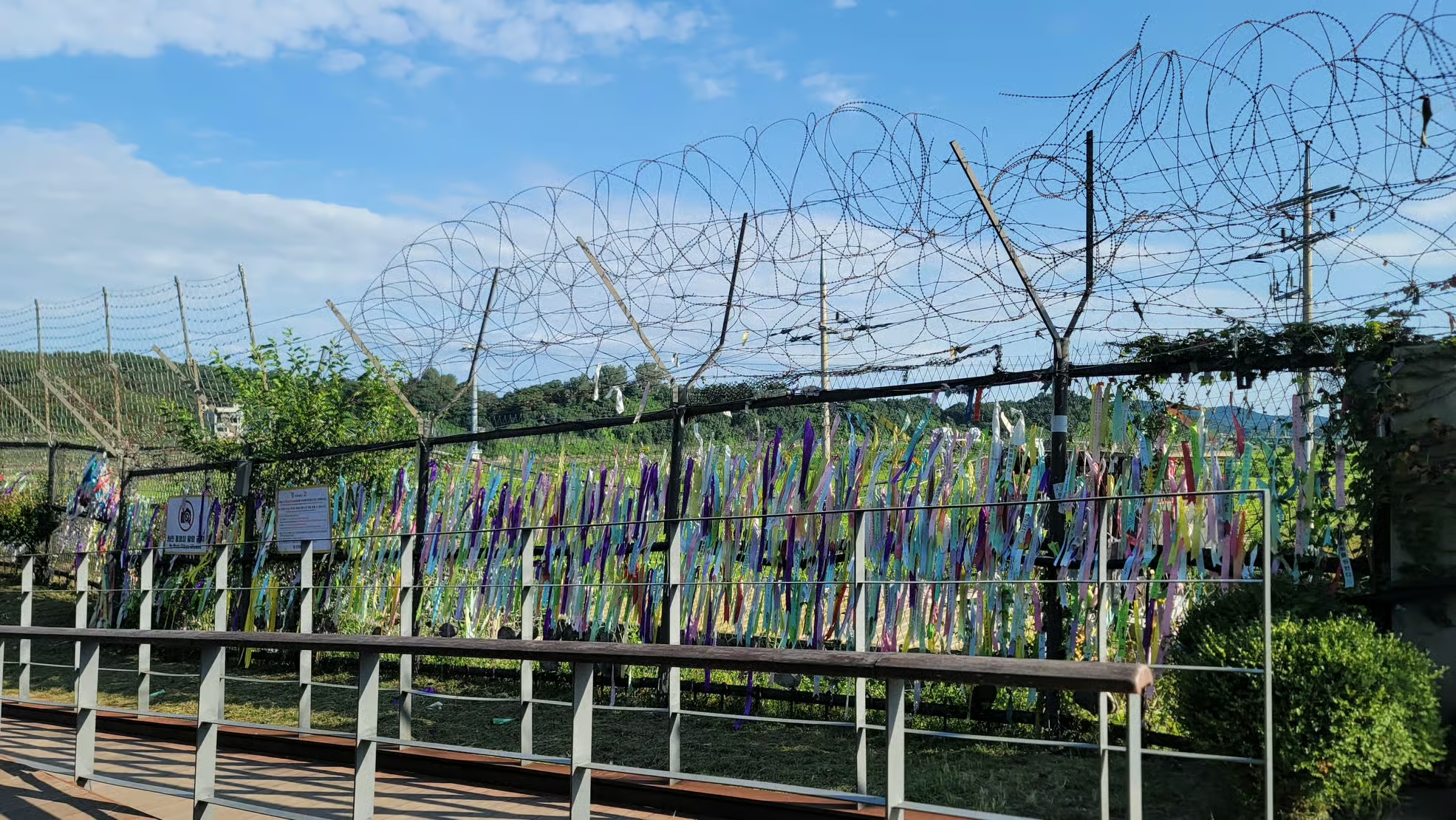
Despite its name, the surrounding border region is heavily controlled. Visitors enter designated tourist sites under specific access rules rather than freely exploring the entire zone.
A DMZ sightseeing tour does not mean crossing into North Korea, and it does not automatically include the Joint Security Area at Panmunjom.
Why Are North and South Korea Still Divided?
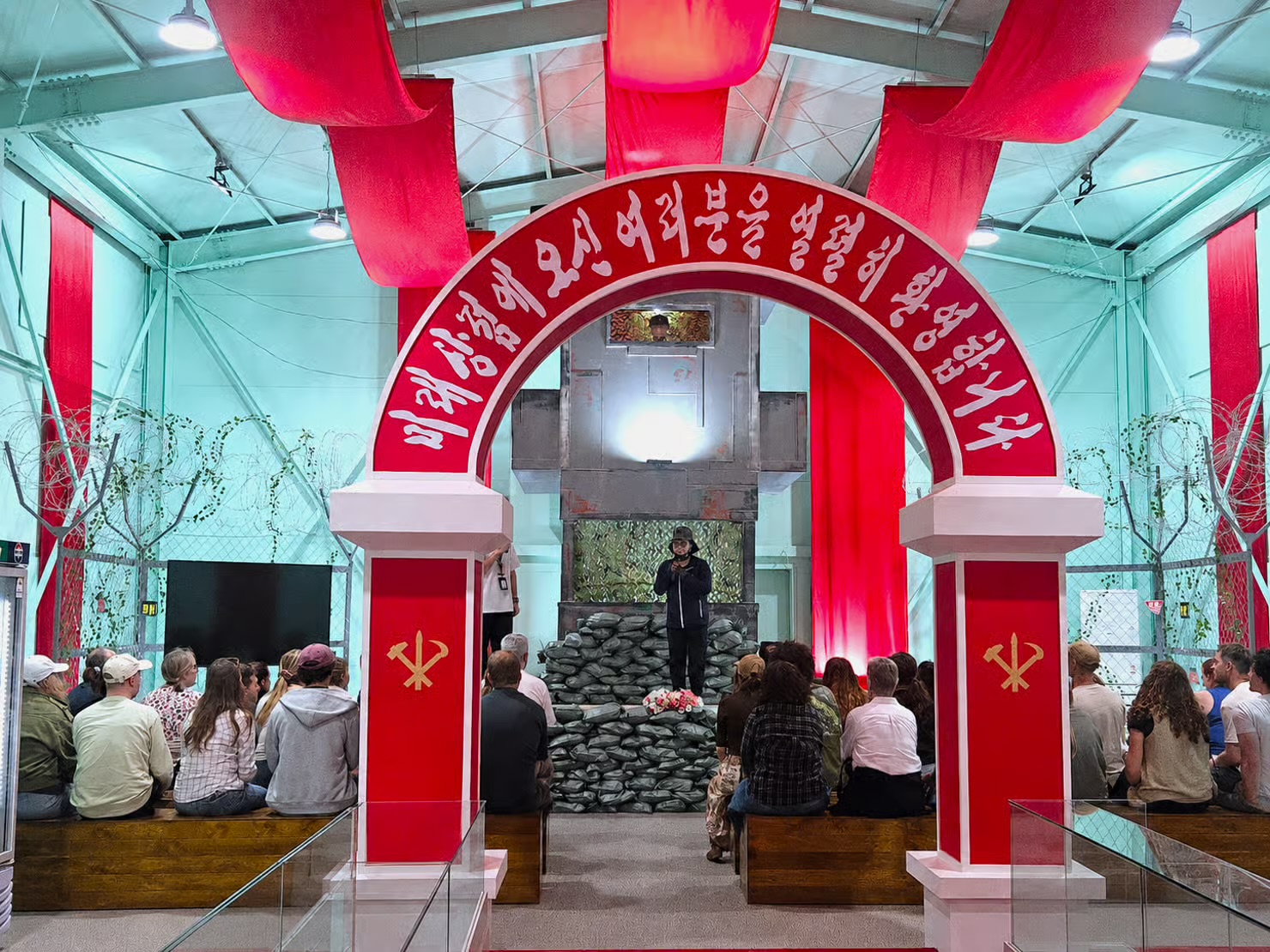
After Japanese colonial rule ended in 1945, the Korean peninsula was divided into separate occupation zones. Different governments subsequently emerged in the north and south. The Korean War began in June 1950, and fighting continued until the armistice agreement of July 1953.
The armistice stopped major hostilities but did not create a permanent peace treaty. The resulting Military Demarcation Line and surrounding Demilitarized Zone remain central to the peninsula's security arrangements.
For visitors, this background helps explain why an apparently peaceful landscape can be subject to strict rules. The DMZ is both a physical buffer and a reminder of the political and human consequences of the division.
Is the DMZ Actually Demilitarized?
The name can be misleading. The DMZ itself was established as a buffer with restrictions on military activity, but the surrounding border areas remain heavily guarded. Tourist access is limited to approved locations and can change according to security conditions.
That is why you should not treat a DMZ visit like an ordinary national park or sightseeing district. You are entering a region where safety and operational requirements take priority over tourism.
What Can You See on a DMZ Tour from Seoul?
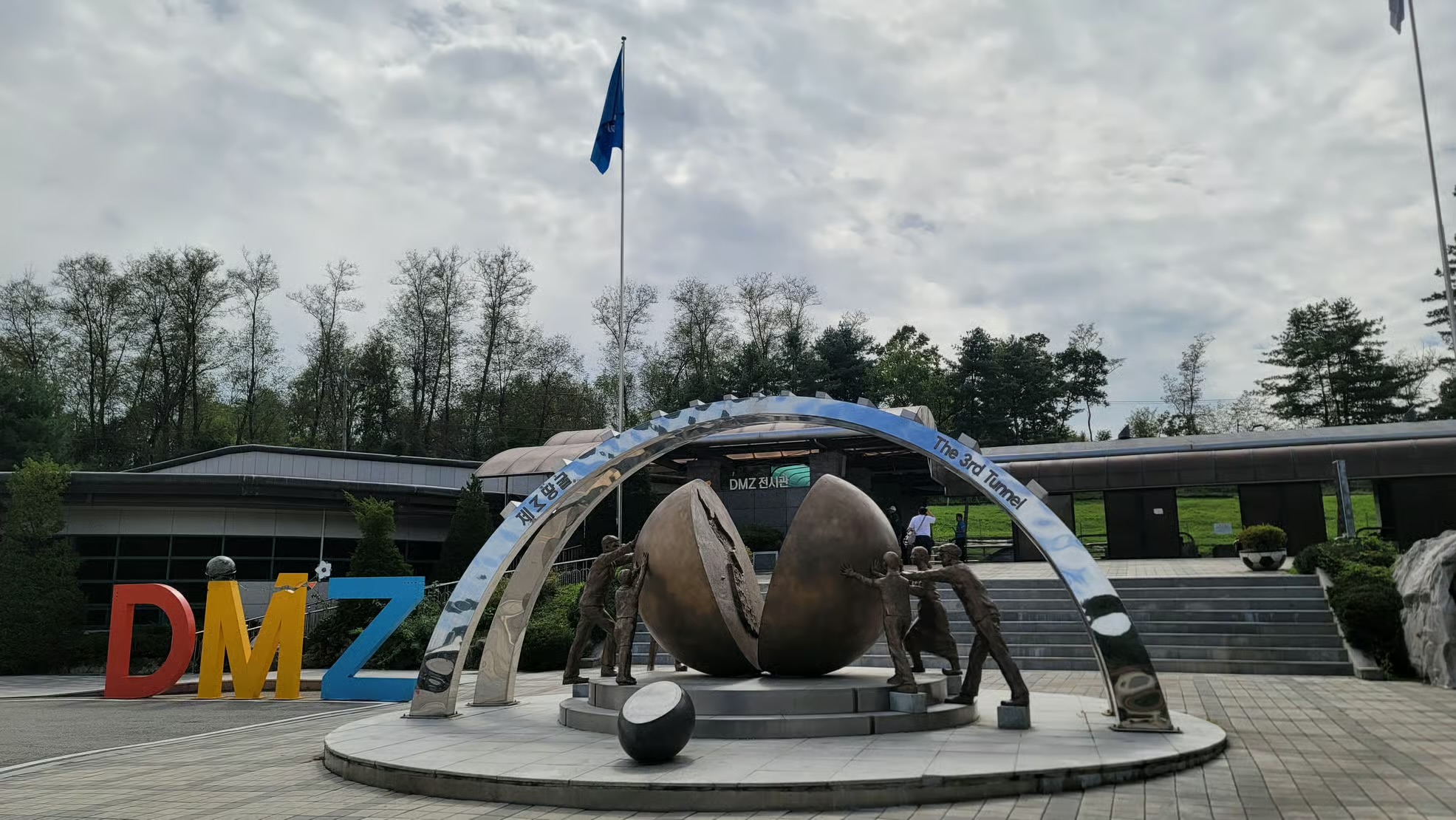
Routes vary by operator and security conditions, but commonly advertised stops include Imjingak, the Third Infiltration Tunnel and Dora Observatory. Some itineraries also include educational exhibitions, memorials or additional attractions.
Do not assume every tour includes every stop. Check the booking description and confirmation for your selected date.


Imjingak and the Meaning of the Border
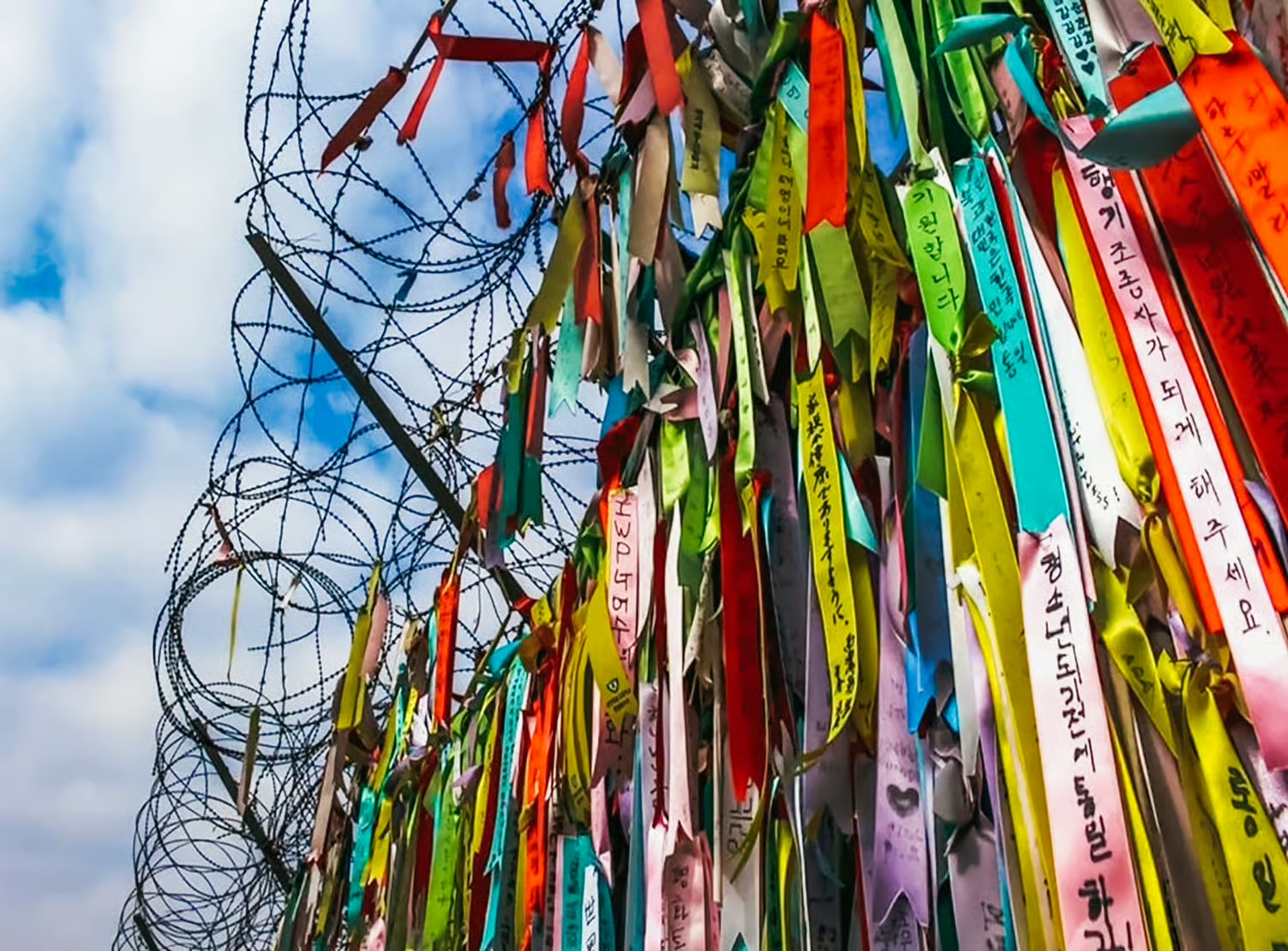
Imjingak is a well-known visitor area associated with remembrance, reunification and the experiences of families separated by the Korean War. Memorials and symbolic installations help introduce the human side of the division.
Unlike the most tightly controlled locations, parts of the wider Imjingak area are accessible to independent visitors. However, being able to visit Imjingak on your own does not mean you can independently enter every DMZ tourist attraction.
Why Tour Itineraries Are Not Always Identical
Different operators may offer different departure points, group sizes, languages and combinations of stops. Even when two listings use similar photographs or titles, the actual itinerary may not be identical.
Some tours emphasize the most famous observation points and historical sites. Others add cultural activities or a conversation with a North Korean defector. Compare the detailed inclusions rather than assuming all DMZ tours provide the same experience.
The Third Infiltration Tunnel
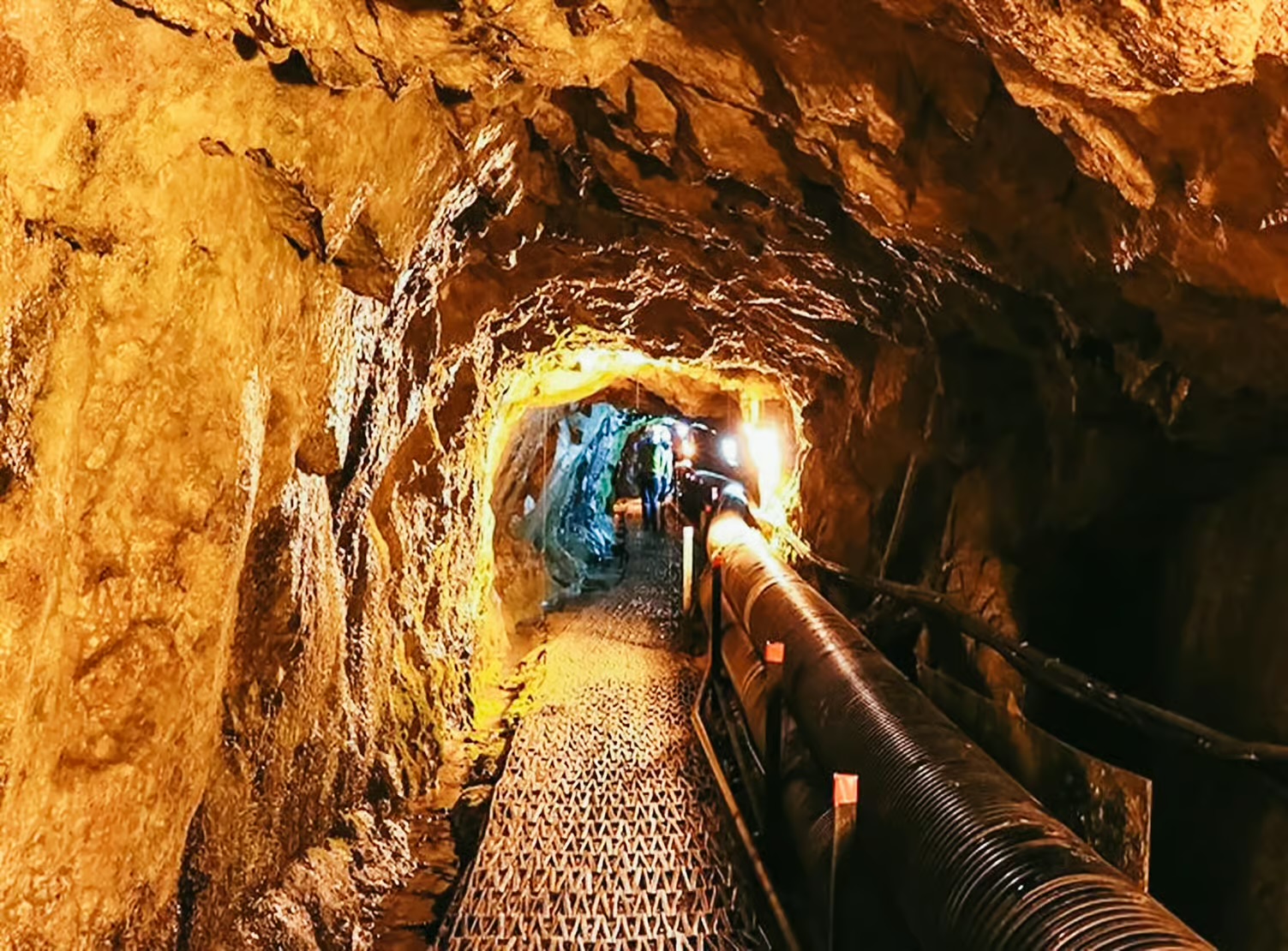
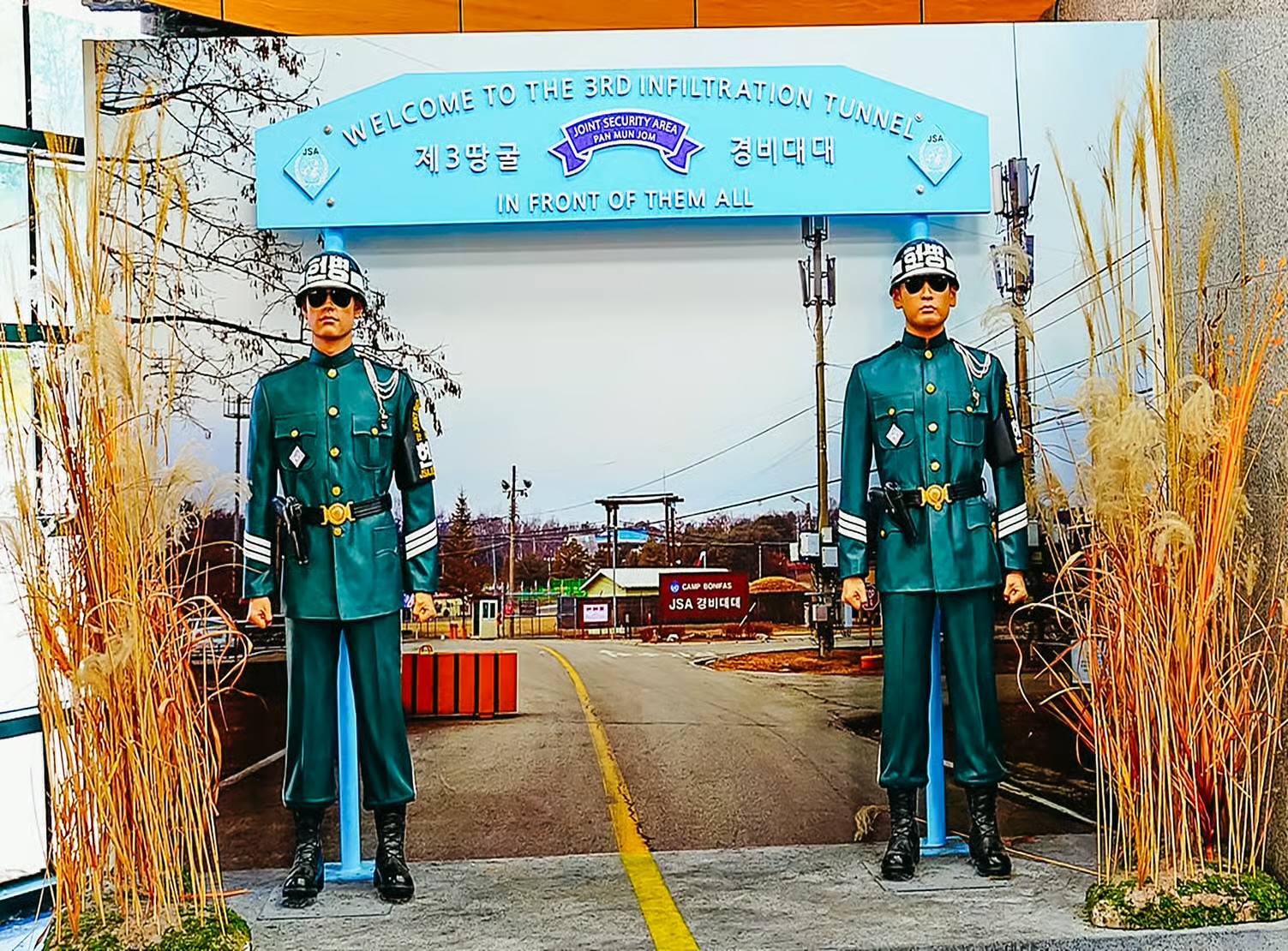
Discovered in 1978, the Third Infiltration Tunnel is one of several tunnels found beneath the border area. South Korea identifies these as tunnels constructed by North Korea for potential military infiltration.
Visitors may be able to descend into part of the tunnel, depending on current access arrangements. The descent and especially the return climb can be physically demanding.
The underground space is confined, and photography restrictions may apply. If you have mobility difficulties or claustrophobia, review the tour's suitability guidance before booking.

What Is It Like to Go Underground?
The Third Infiltration Tunnel is particularly memorable because it changes the way visitors experience the border. Instead of looking across a landscape, you enter an underground environment associated with the peninsula's military history.
Depending on current visitor arrangements, reaching the accessible tunnel section can involve a long, sloping passage. The walk back uphill is often the more challenging part, so comfortable footwear and a realistic assessment of your fitness are important.
The confined surroundings can also feel uncomfortable for anyone sensitive to enclosed spaces. Visitors should follow all instructions regarding helmets, permitted areas and photography.
Should You Skip the Tunnel?
If you have mobility limitations, respiratory concerns, significant knee problems or claustrophobia, ask the operator about the tunnel before booking. Do not assume the visit will be suitable simply because it is part of a standard sightseeing tour.
Depending on the itinerary and operator, there may be arrangements for travelers who do not enter the tunnel, but you should confirm these in advance rather than relying on them being available.
Dora Observatory: Looking Toward North Korea
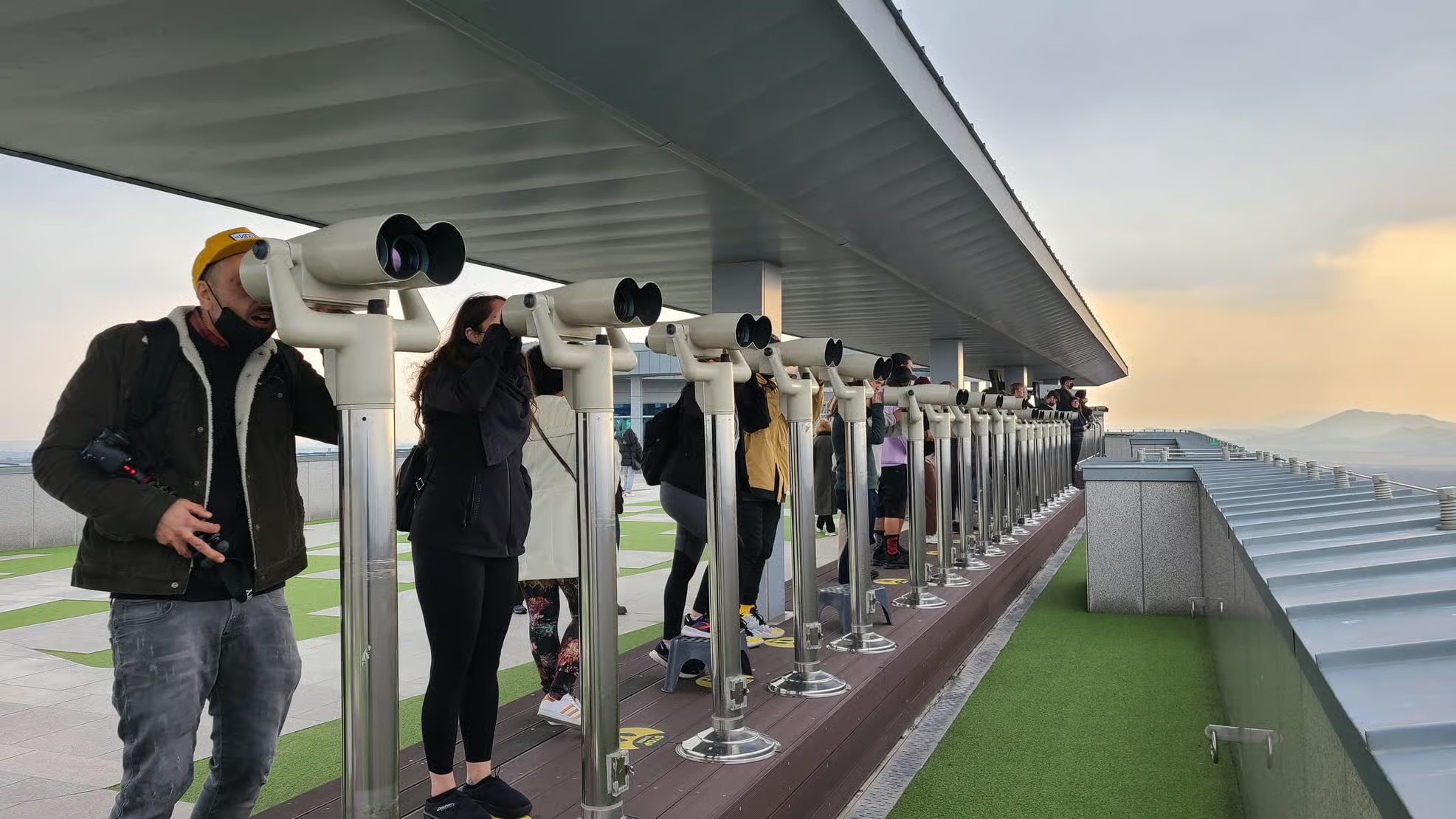
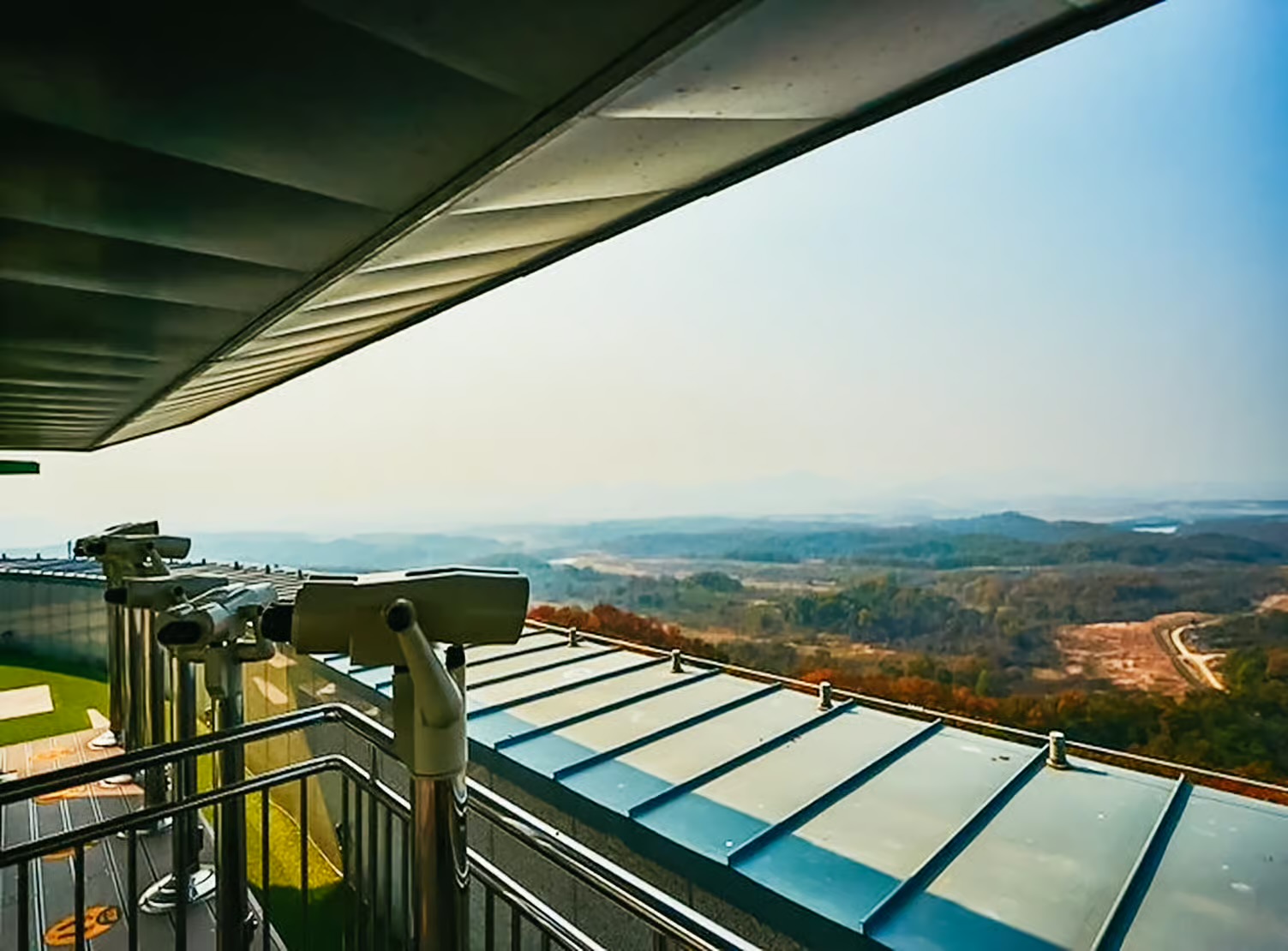
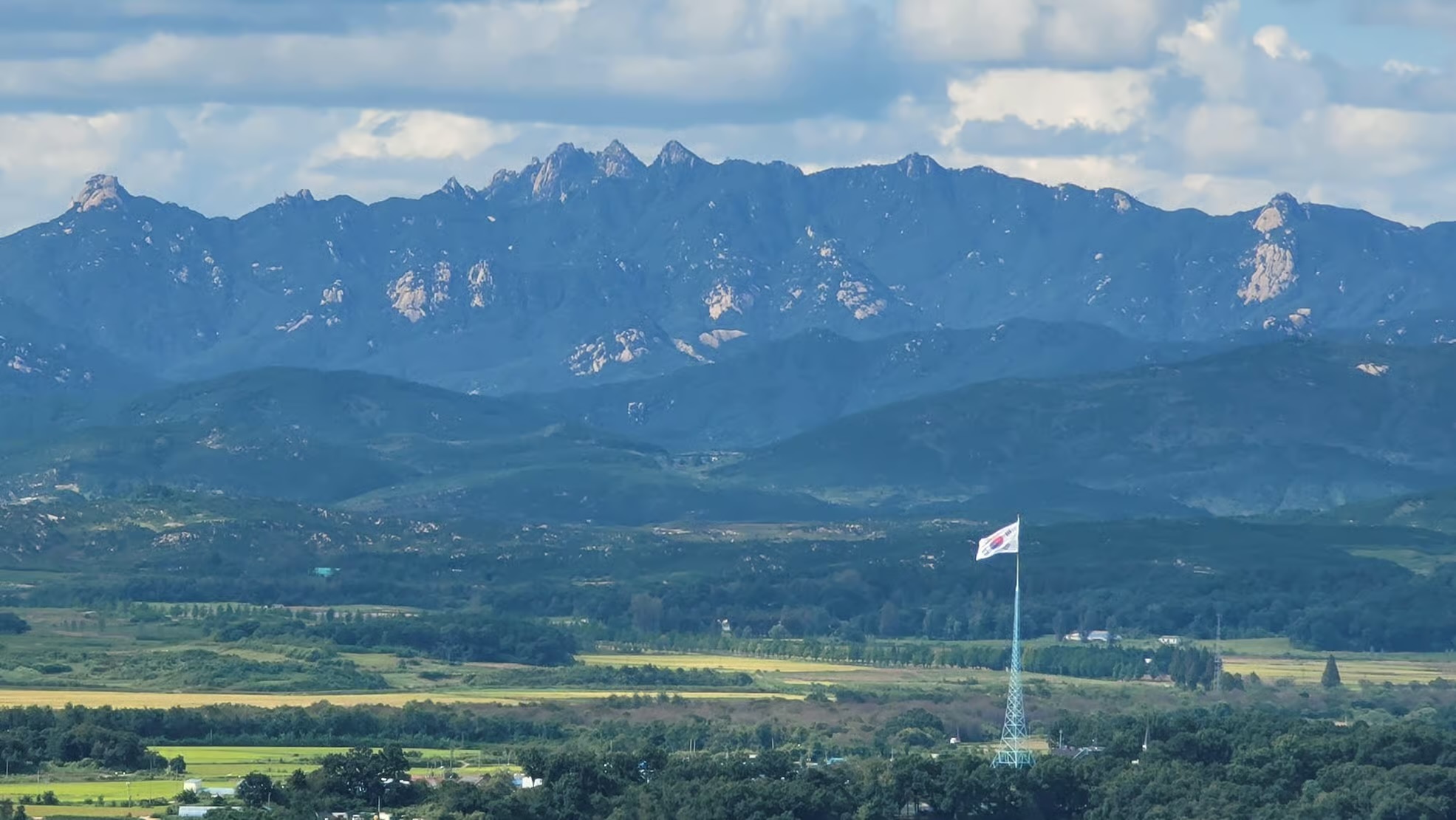
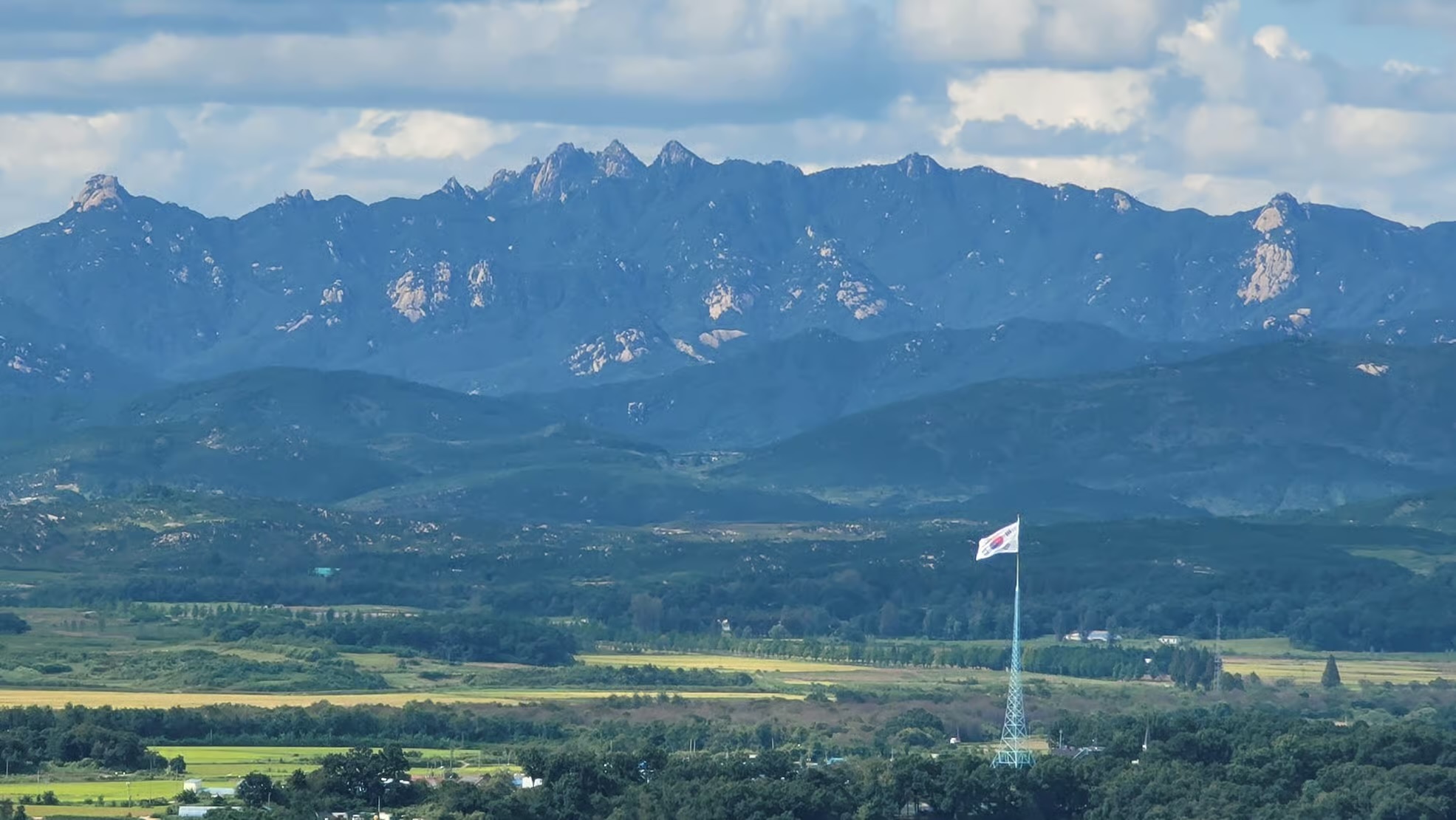
Dora Observatory is one of the best-known stops on a DMZ sightseeing itinerary. From its viewing area, visitors can look toward North Korean territory when weather and visibility permit.
The significance comes from seeing how geographically close the two sides of the peninsula are while remaining politically divided.
On hazy or rainy days, views may be limited. Follow posted photography rules and staff instructions.
What Can You Actually See?
Dora Observatory is associated with views across the border region toward North Korea. The experience depends heavily on visibility. On a clear day, visitors may be able to distinguish features of the landscape and settlements in the distance. In poor weather, the view can be much more limited.
Binoculars or other viewing facilities may be available, depending on current arrangements. Listen to your guide's explanations to understand what you are looking at rather than relying only on the scenery.
Photography and Viewing Rules
Photography restrictions are particularly important in border areas. Follow the signs and instructions at the observatory, even if other visitors appear to be taking photographs. Rules can vary by location and may change without notice.
It is also worth keeping expectations realistic. This is a historical and geopolitical sightseeing experience, not an opportunity to approach or interact with people across the border.
Why Choose a Tour With a North Korean Defector Q&A?
Featured experience · DMZ Tour + North Korean Defector Q&A
Historical sites explain where the division happened. A conversation with someone who has lived in North Korea can add a human perspective that signs and exhibits alone cannot provide.
The featured GetYourGuide experience advertises a North Korean defector Q&A alongside a guided DMZ visit.
One person's experiences cannot represent every North Korean person's life. Approach the discussion with curiosity and respect, and check the listing for the exact format and availability.
Explore the DMZ Tour + North Korean Defector Q&A and check available dates.
What Makes the Q&A Different From a Standard Guided Tour?
A guide can explain major historical events, border geography and the purpose of individual attractions. A North Korean defector Q&A adds a different perspective by allowing visitors to hear about personal experiences directly from someone who has lived in North Korea.
Depending on the speaker and the format, conversations may address everyday life, education, family, cultural differences or the process of adapting to life outside North Korea. These are possible topics rather than promises about what any particular session will cover.
How to Ask Thoughtful Questions
Approach the discussion as an opportunity to listen rather than expecting sensational stories. Respect the speaker's boundaries, avoid assumptions about their experiences and remember that one person's account cannot represent everyone living in North Korea.
If you are especially interested in this part of the experience, verify that the Q&A is included in the specific tour option you select. The exact format, speaker and schedule may depend on the operator.
Which DMZ Tour from Seoul Should You Book?
When comparing tours, look beyond the headline price. A shorter itinerary, a longer route with an additional attraction and an experience with a defector Q&A offer different kinds of value.
Prioritize a clearly explained itinerary, reliable transport, a language you understand and enough time to appreciate the historical sites.
Choose the itinerary that includes the stops you care about most, then confirm whether the defector Q&A is included in your selected option.
See current DMZ tour prices, itineraries and availability.
How Much Does a DMZ Tour Cost?
Prices vary according to the operator, group size, itinerary, transport arrangements and additional experiences. A basic sightseeing tour may be priced differently from a longer program that includes extra activities or a defector Q&A.
Instead of comparing only the advertised starting prices, check what each option actually includes. Transport, entrance arrangements, meals, pickup services and cancellation policies can affect the overall value.
Should You Choose a Half-Day or Full-Day Tour?
A shorter itinerary may be attractive if you have limited time in Seoul. However, the journey to and from the border region takes time, and schedules can be affected by traffic or access arrangements.
A longer tour may allow additional stops or experiences, but it also takes a larger portion of your day. Choose based on the activities you genuinely want rather than assuming the longest itinerary is automatically the best.
Questions to Check Before Paying
Confirm the meeting point, departure time, language, passport requirements, accessibility information and the stops included in your selected option. Also review whether the operator offers refunds or rescheduling when access restrictions affect the itinerary.
For the featured experience, pay particular attention to the North Korean defector Q&A inclusion. If that is your main reason for booking, it should be clearly confirmed in the tour details.
What to Know Before Visiting the DMZ
Bring identification. Many operators request an original passport for security checks. Confirm your tour's requirements.
Wear comfortable shoes. The Third Infiltration Tunnel can involve steep walking.
Dress for the weather. Border-area viewpoints can be exposed to wind, cold or summer heat.
Follow photography instructions. Some areas prohibit photography or restrict where cameras can be pointed.
Keep your schedule flexible. Security decisions, military operations and weather can affect the itinerary.
Check accessibility. Tunnel access and steep slopes may make some tours unsuitable for visitors with mobility limitations.

What Should You Pack?
Bring the identification required by your operator, comfortable walking shoes, drinking water and clothing appropriate for the season. In warmer months, sun protection may be useful; in colder months, prepare for exposed outdoor viewpoints.
Keep your belongings manageable because the itinerary may involve moving between buses, visitor facilities and restricted-access attractions. Follow any rules about bags, cameras and personal items.
How Much Time Should You Allow?
Do not plan your day around an exact return time unless the operator can provide a reliable estimate. Travel conditions, security checks and changes to the itinerary may affect when you arrive back in Seoul.
If you have a flight, train departure or another important reservation later that day, leave a generous buffer or consider scheduling the DMZ visit on a different day.
Is a DMZ Tour Safe?
Authorized tourist visits operate within controlled access arrangements and follow the instructions of relevant authorities. Nevertheless, the DMZ is a sensitive security area, and access can be restricted or suspended.
Choose an established operator, follow your guide's instructions and stay within designated visitor areas. Check current travel advisories and booking updates before departure.
Frequently Asked Questions About DMZ Tours
Is a DMZ tour from Seoul worth it?
Yes, especially if you are interested in Korean history and the division of the peninsula. A guided tour offers context and access to designated sites that are difficult to visit independently.
Can you visit the DMZ without a tour?
Controlled DMZ tourist sites generally require an authorized tour or approved access. Some attractions outside the restricted zone can be visited independently.
Do you need a passport for a DMZ tour?
Many DMZ tour operators require an original passport for security checks. Always confirm the exact identification requirements before departure.
Can you see North Korea from Dora Observatory?
Dora Observatory offers views toward North Korean territory, although visibility depends on the weather and current access conditions.
Is the Third Infiltration Tunnel difficult?
The tunnel involves a steep descent and return climb in a confined underground space. It may not be suitable for visitors with certain mobility limitations or claustrophobia.
Does a DMZ tour include the Joint Security Area?
Not necessarily. Standard DMZ sightseeing tours are different from Joint Security Area tours. Only expect a JSA visit if the operator explicitly confirms it.
Can DMZ tours be canceled?
Yes. Security restrictions, military operations, weather and operational decisions may affect access or cause itinerary changes.
Sources and Booking Notes
This guide combines historical background with general visitor guidance. The featured defector Q&A is based on the supplied GetYourGuide tour listing. Itineraries, pricing and access may change.
View booking and travel resources
More Seoul Day Trips and Travel Ideas
Explore more of Korea with The Seoul Edit, from cultural landmarks to memorable experiences beyond the city center.

Planning a trip to Seoul?
Final Thoughts: Is the DMZ Worth Visiting?
If you want to understand Korea beyond its modern capital, a DMZ tour can be one of the most meaningful additions to your itinerary.
For travelers interested in personal perspectives, a tour with a North Korean defector Q&A is worth considering. Check the featured DMZ experience and choose your date.