
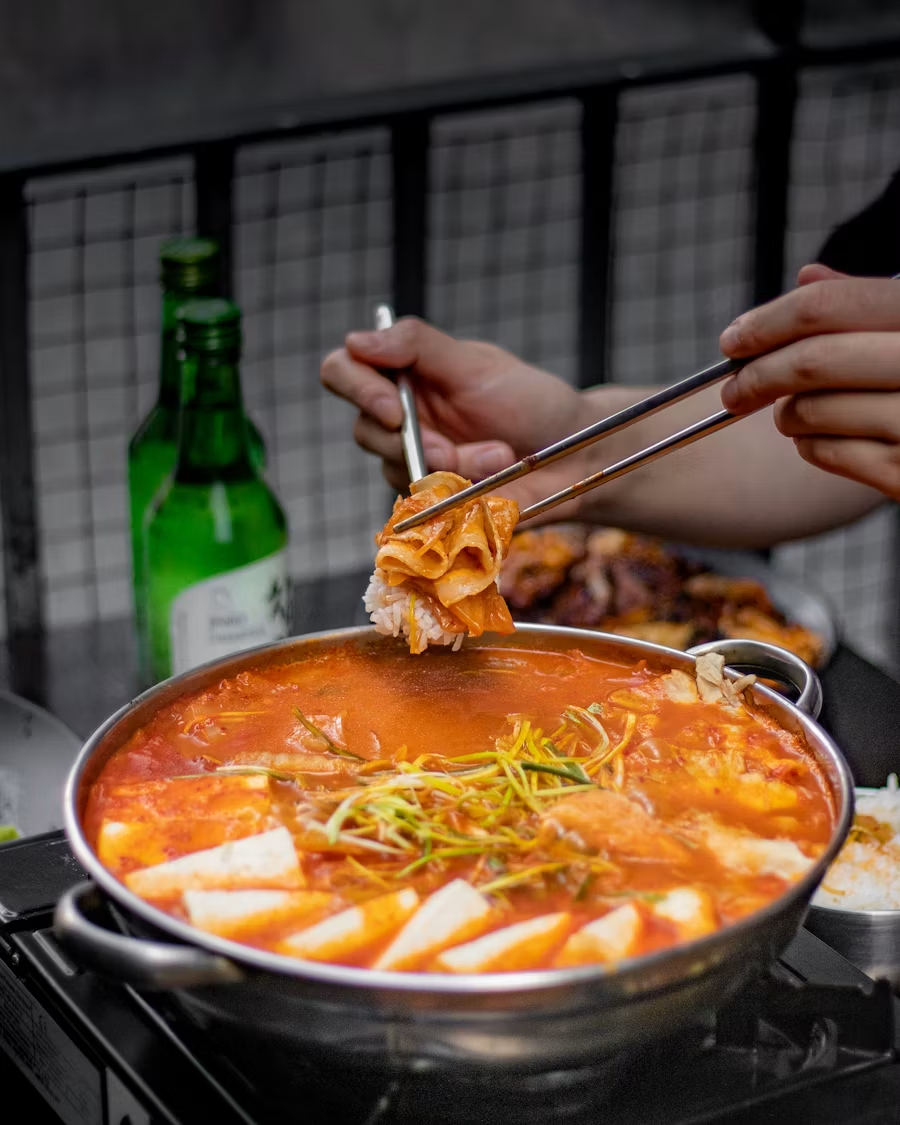
If you have ever eaten Korean food and thought, “Wait, why is this savory dish so sweet?” you are not alone.
A lot of visitors expect Korean food to be spicy, garlicky, fermented, salty, or savory. Then they try tteokbokki, Korean fried chicken, bulgogi, or restaurant banchan and realize that modern Korean food can sometimes taste surprisingly sweet.
The answer is complicated. Korean food is not all sweet, and traditional home cooking can taste very different from restaurant food. But sweetness has become a noticeable part of modern Korean cuisine, especially in sauces, marinades, street food, delivery food, and viral recipes.
You might also like:
1. Why Korean Food Tastes Sweet To So Many People
♡ The sweetness is not in your head — but it depends on what you eat
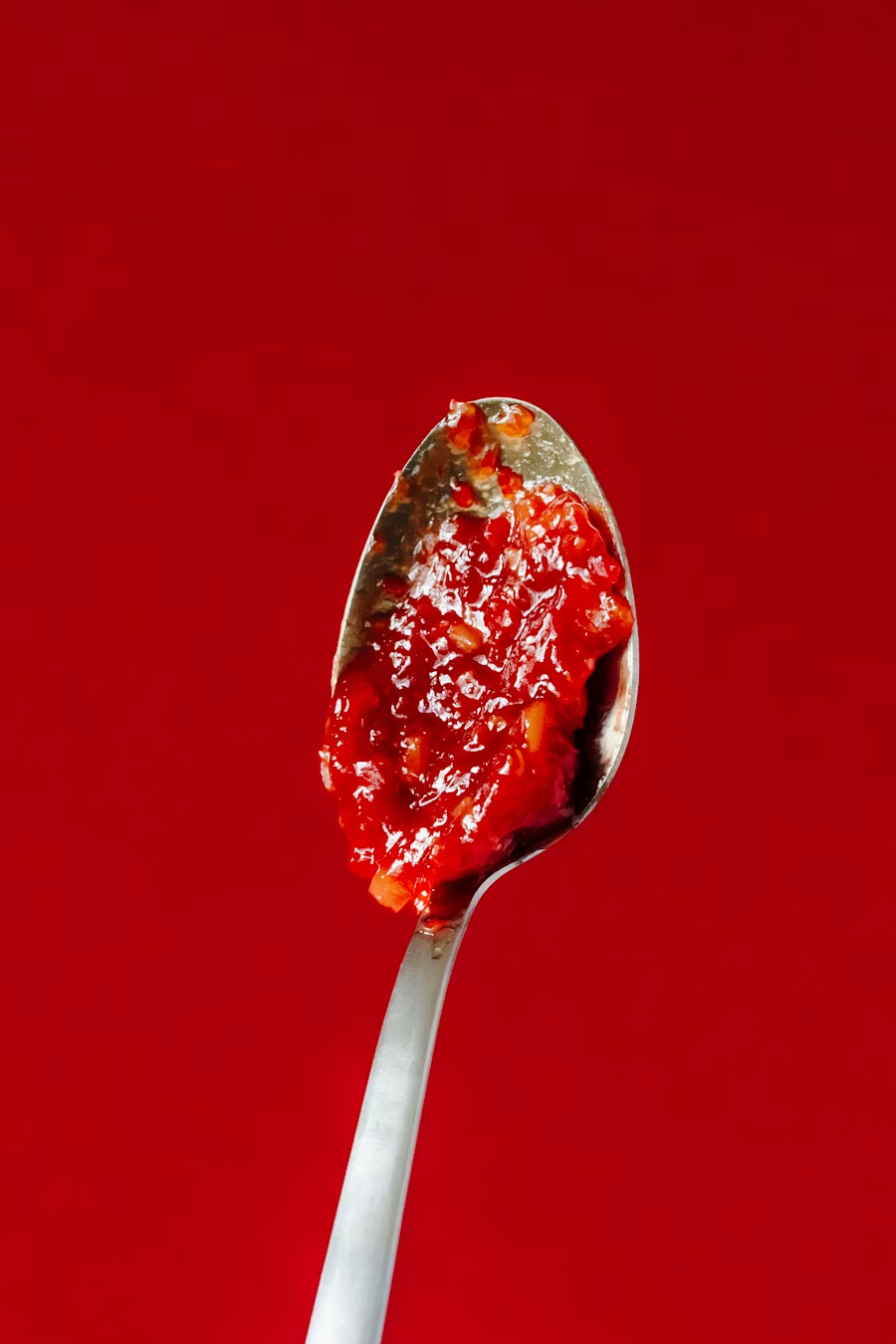
If you have ever wondered why Korean food tastes so sweet, you are definitely not the only one. A lot of visitors notice it first in dishes like tteokbokki, Korean fried chicken, bulgogi, japchae, spicy pork, and restaurant-style banchan.
The surprising part is that Korean desserts often taste less sweet than American desserts, but Korean savory food can sometimes taste much sweeter than expected.
That is because modern Korean food often uses sweetness to balance salty, spicy, garlicky, fermented, and savory flavors. Sugar, corn syrup, fruit, maesil cheong, honey, and sweet sauces can all appear in Korean marinades and glazes.
This does not mean all Korean food is sweet. Homemade Korean food can be much lighter, cleaner, and less sugary. But restaurant food, viral street food, packaged sauces, and modern fusion dishes often lean sweeter.
Korean cooking picks:
Gochujang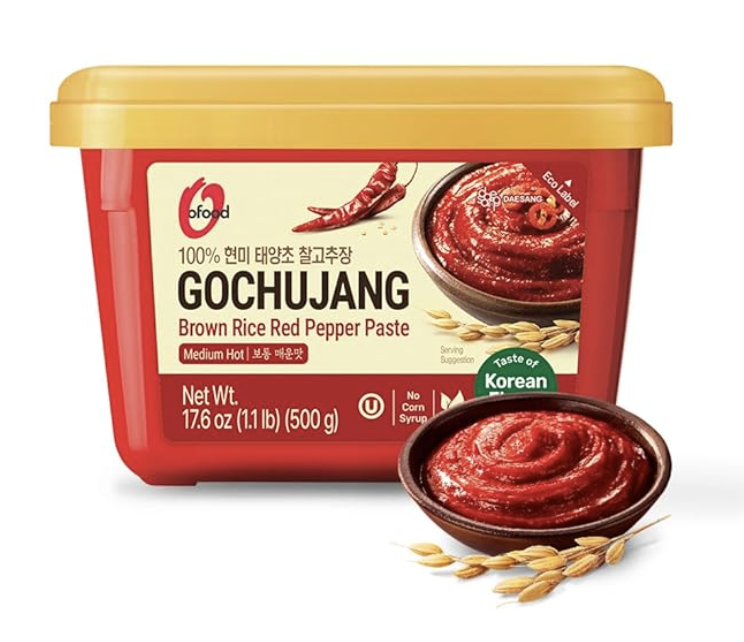 Korean Soy Sauce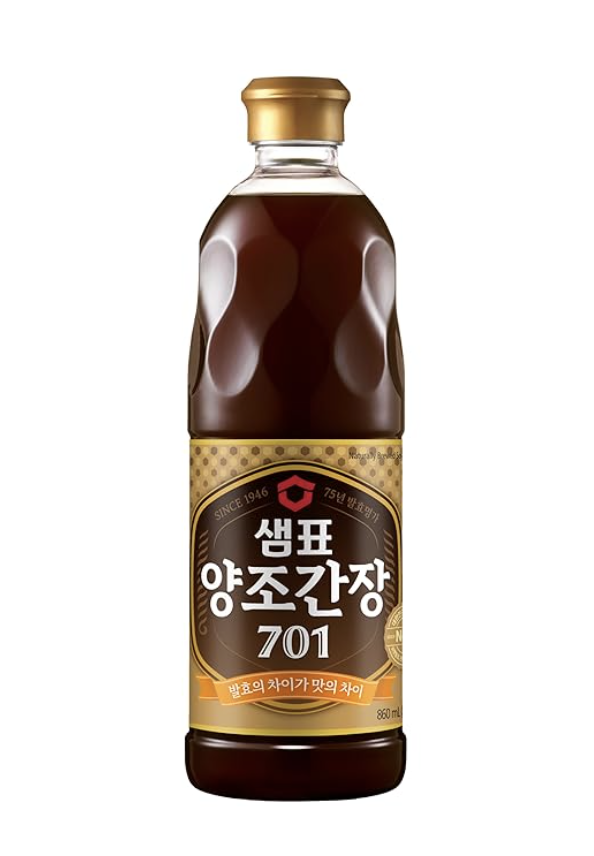
Shop through my Amazon links to check the latest price and deals ♡ As an Amazon Associate, The Seoul Edit earns from qualifying purchases.
2. Traditional Korean Food Was Not Always This Sweet
♡ Many people say home cooking tastes very different from restaurants
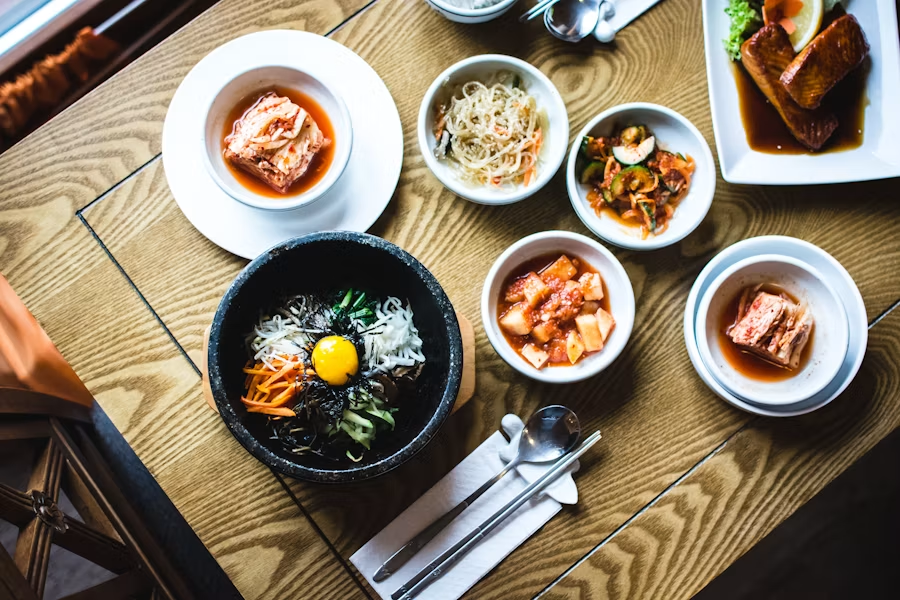
One of the most common opinions from Korean food fans is that Korean food has become sweeter over time.
Many Korean and Korean-American commenters say they grew up eating food that was not heavily sweetened. Their parents or grandparents might use only a small amount of sugar, or skip sugar completely if a sauce already had fruit, gochujang, mirin, or another sweet ingredient.
This is why some people feel shocked when they follow modern Korean recipes online and see sugar, honey, syrup, fruit puree, and maesil cheong all appearing in the same sauce.
A lot of traditional Korean home cooking is built around rice, soup, vegetables, fermented ingredients, seafood, stews, grilled meat, and banchan. It can be savory, spicy, salty, sour, or clean-tasting rather than obviously sweet.
Korean cooking picks:
Korean Soup Bowl Korean Chopsticks Set
Shop through my Amazon links to check the latest price and deals ♡ As an Amazon Associate, The Seoul Edit earns from qualifying purchases.
3. Tteokbokki Is The Dish People Notice First
♡ The sweet-spicy rice cake sauce can surprise first-time visitors
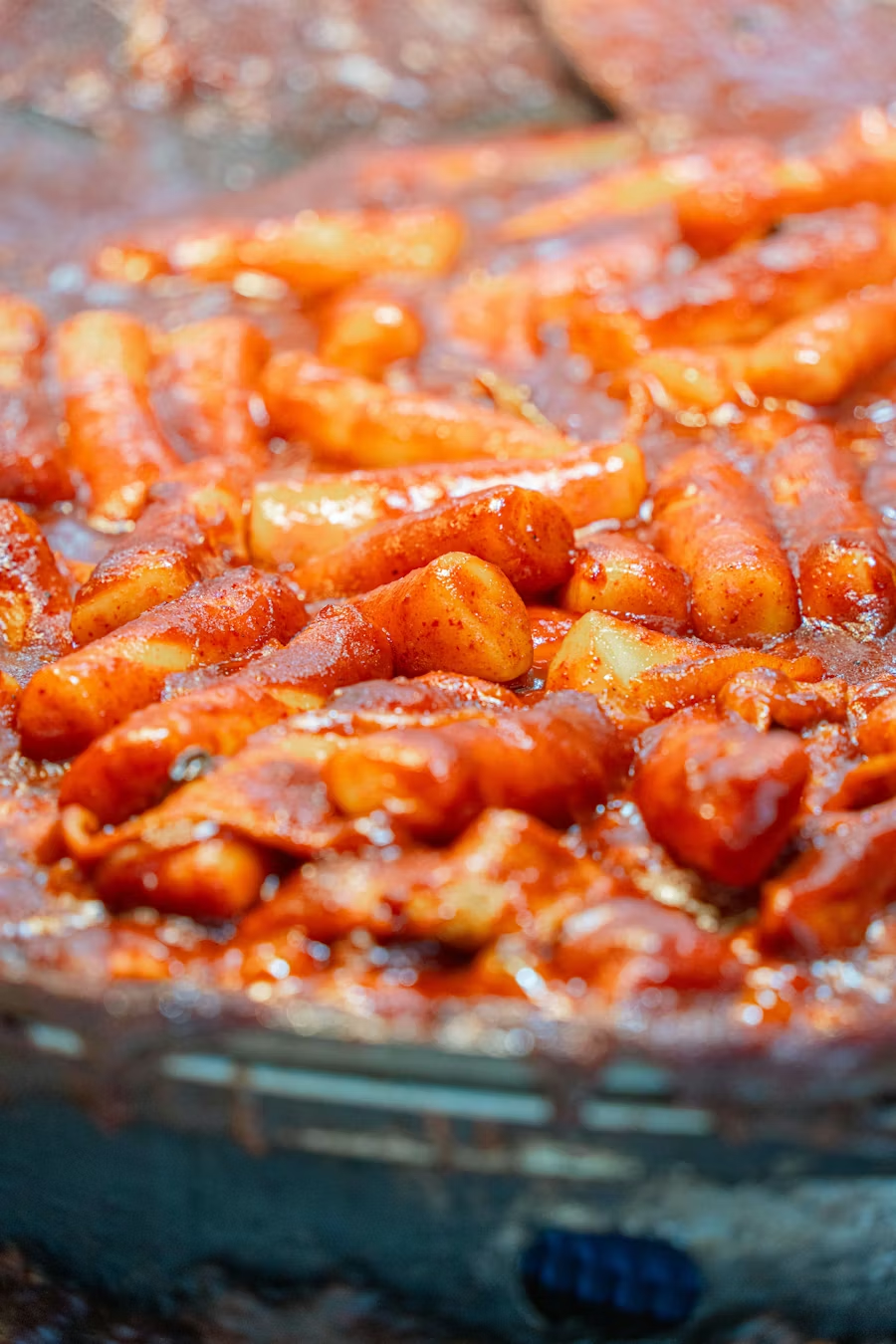
Tteokbokki is one of the best examples of why people ask if Korean food is too sweet.
The sauce is usually made with gochujang, gochugaru, sugar, syrup, soy sauce, garlic, and sometimes other sweet ingredients. The result can be spicy, sticky, glossy, and very sweet at the same time.
Some people love that balance. Others expect tteokbokki to be mostly spicy and savory, then feel surprised when the sauce tastes almost candy-like.
If you make tteokbokki at home, you can easily reduce the sugar and still get a good sauce. You can also add more gochugaru, soy sauce, or broth to make it taste deeper and less dessert-like.
Korean cooking picks:
Tteokbokki Rice Cakes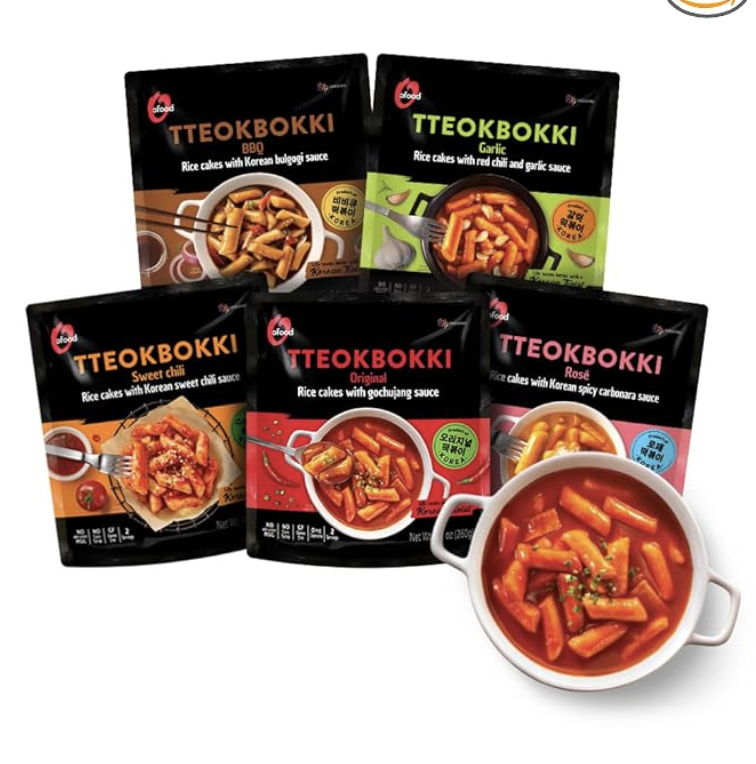 Gochugaru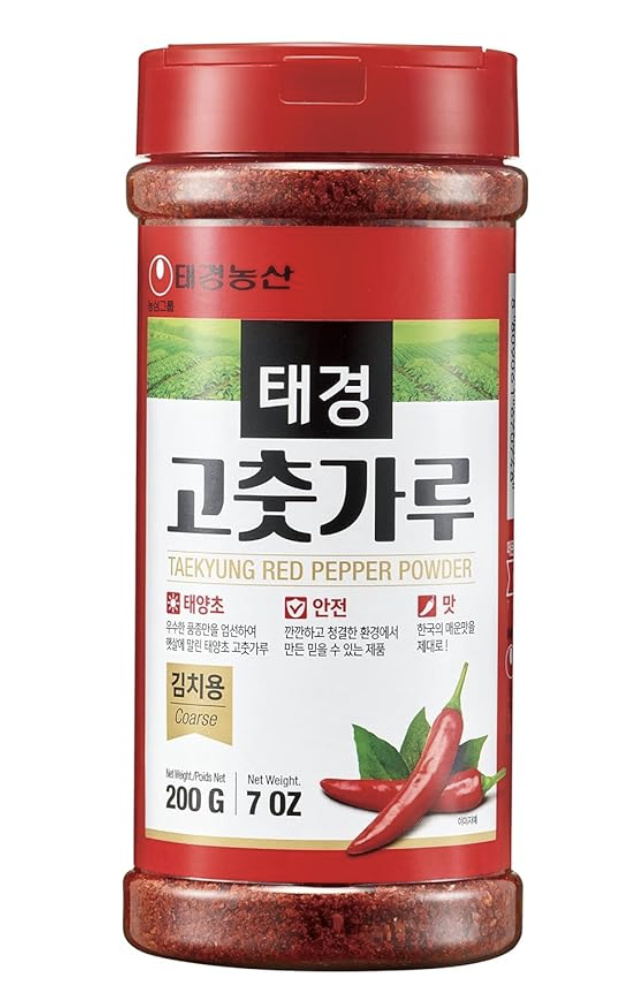
Shop through my Amazon links to check the latest price and deals ♡ As an Amazon Associate, The Seoul Edit earns from qualifying purchases.
4. Korean Fried Chicken Sauces Can Be Very Sweet
♡ Yangnyeom chicken is famous for its sticky, glossy sweet-spicy glaze
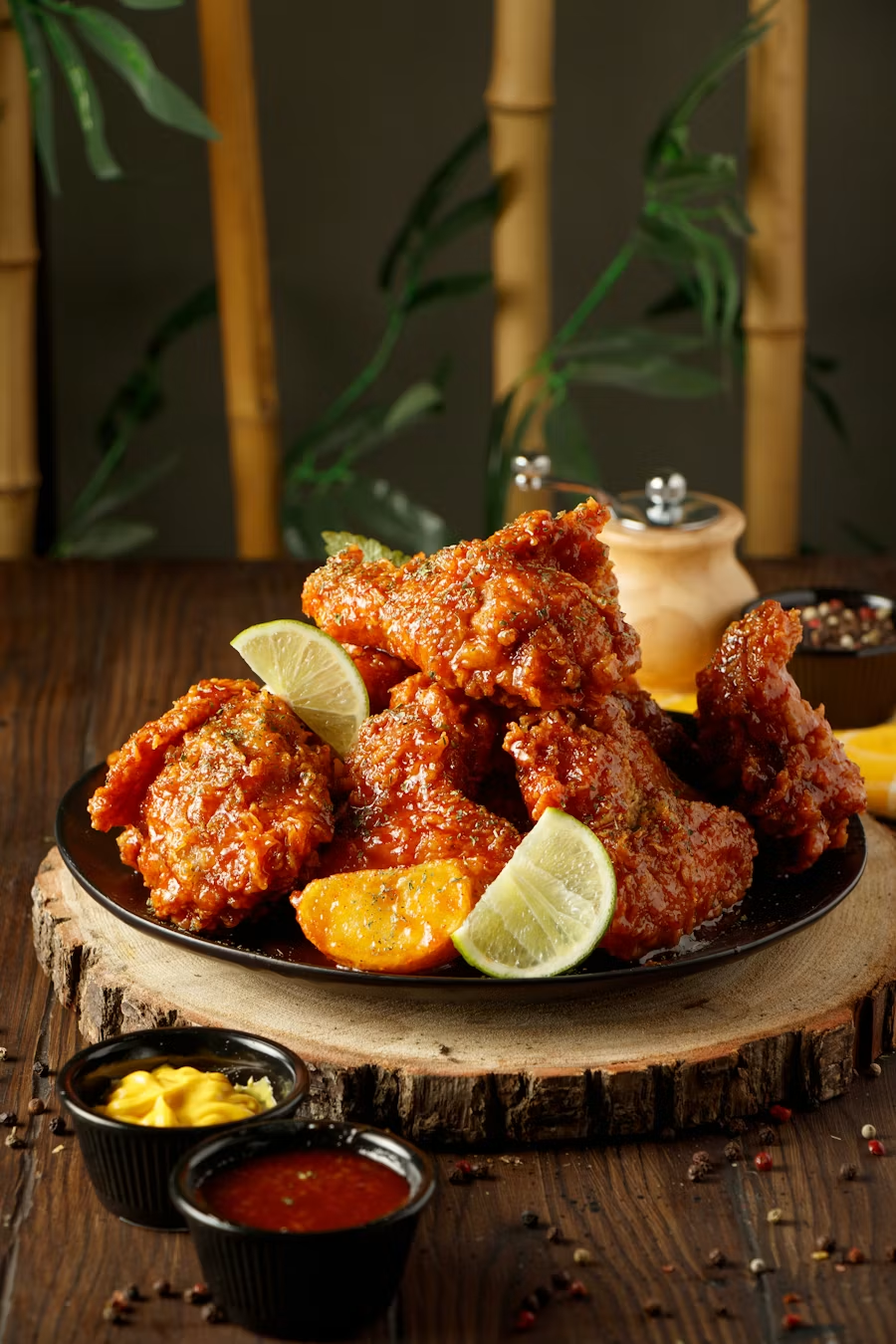
Korean fried chicken is another dish where sweetness becomes very noticeable.
Plain fried chicken itself is not sweet, but yangnyeom chicken is coated in a sticky sauce that often includes gochujang, ketchup, soy sauce, garlic, sugar, honey, syrup, or other sweeteners.
That sweet-spicy glaze is one reason Korean fried chicken became so popular internationally. It is bold, shiny, addictive, and easy to remember.
But if you prefer savory food, you may like crispy fried chicken with sauce on the side instead of fully coated chicken.
Korean cooking picks:
GochujangKitchen Scissors
Shop through my Amazon links to check the latest price and deals ♡ As an Amazon Associate, The Seoul Edit earns from qualifying purchases.
5. Bulgogi, Galbi, And Marinades Often Use Sweetness For Balance
♡ Fruit, sugar, soy sauce, garlic, and sesame oil create the classic Korean BBQ flavor
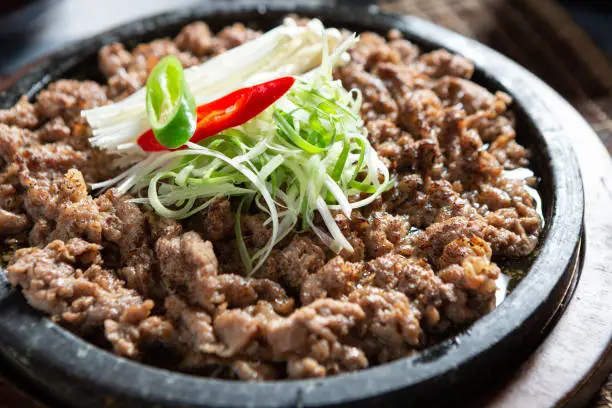
Bulgogi and galbi are supposed to have some sweetness. The flavor is usually built from soy sauce, garlic, sesame oil, fruit, onion, sugar, mirin, or syrup.
In Korean BBQ marinades, sweetness helps tenderize meat, balance salty soy sauce, and create browning when the meat cooks.
The issue is that restaurant versions and bottled marinades can sometimes go much sweeter than homemade versions.
If you are cooking at home, you can use the marinade as a starting point, then add more garlic, soy sauce, black pepper, onion, or sesame oil to make it taste more savory.
Korean cooking picks:
Korean BBQ Marinade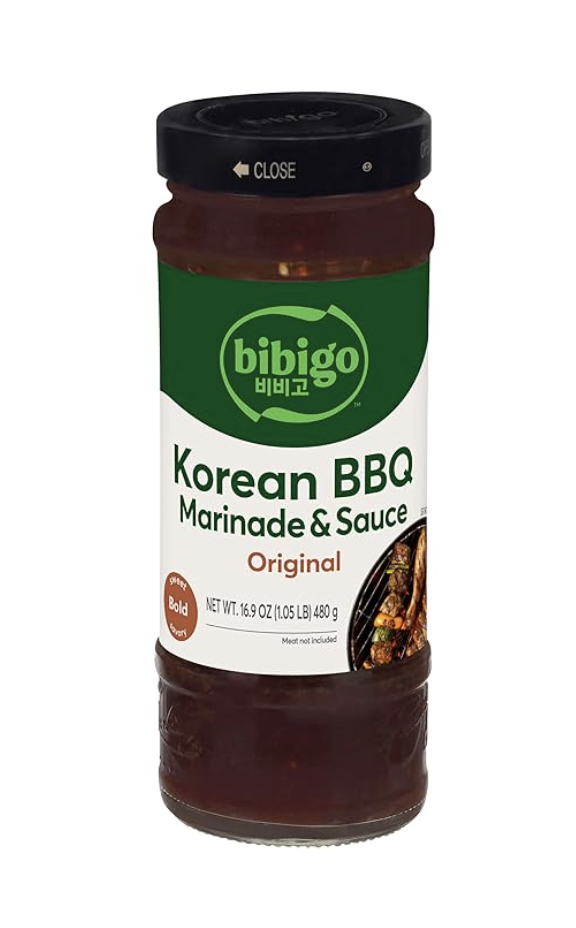 Toasted Sesame Oil
Shop through my Amazon links to check the latest price and deals ♡ As an Amazon Associate, The Seoul Edit earns from qualifying purchases.
6. Restaurant Food Is Usually Sweeter Than Home Cooking
♡ Big flavors help restaurants stand out, but they can also make dishes feel intense

A lot of people who grew up with Korean food say the same thing: restaurant food often tastes sweeter, saltier, and stronger than home food.
This makes sense. Restaurants need dishes that taste exciting immediately. Sweetness, saltiness, spice, and glossy sauces all create stronger first impressions.
In busy areas, restaurants also compete with each other. A bold sauce can make a dish feel more memorable, especially for younger customers, tourists, social media videos, and late-night food culture.
That does not mean restaurant food is bad. It just means restaurant Korean food and everyday home Korean food can taste very different.
Korean cooking picks:
Korean Instant Noodle Bowl Korean Chopsticks Set
Shop through my Amazon links to check the latest price and deals ♡ As an Amazon Associate, The Seoul Edit earns from qualifying purchases.
7. The Baek Jong Won Sugar Debate
♡ Why Korean food fans joke about Sugar Boy and modern recipe culture

No conversation about modern Korean food sweetness is complete without mentioning Baek Jong Won.
Baek Jong Won is one of Korea's most famous food personalities. His recipes are extremely popular because they are simple, affordable, and easy for regular people to follow.
But online, many Korean food fans jokingly associate him with sugar because his recipes often use it to make dishes taste more balanced and restaurant-like.
Whether that criticism is fair or not, the joke shows something real: many people in Korea are aware that modern recipes can taste sweeter than older home-style food.
You can browse Baek Jong Won's official YouTube channel here: Paik Jong Won
Korean cooking picks:
Korean Soy SauceGochugaruShop through my Amazon links to check the latest price and deals ♡ As an Amazon Associate, The Seoul Edit earns from qualifying purchases.
8. Korean Desserts Are Often Less Sweet Than Korean Savory Food
♡ This is one of the strangest things tourists notice in Seoul cafés
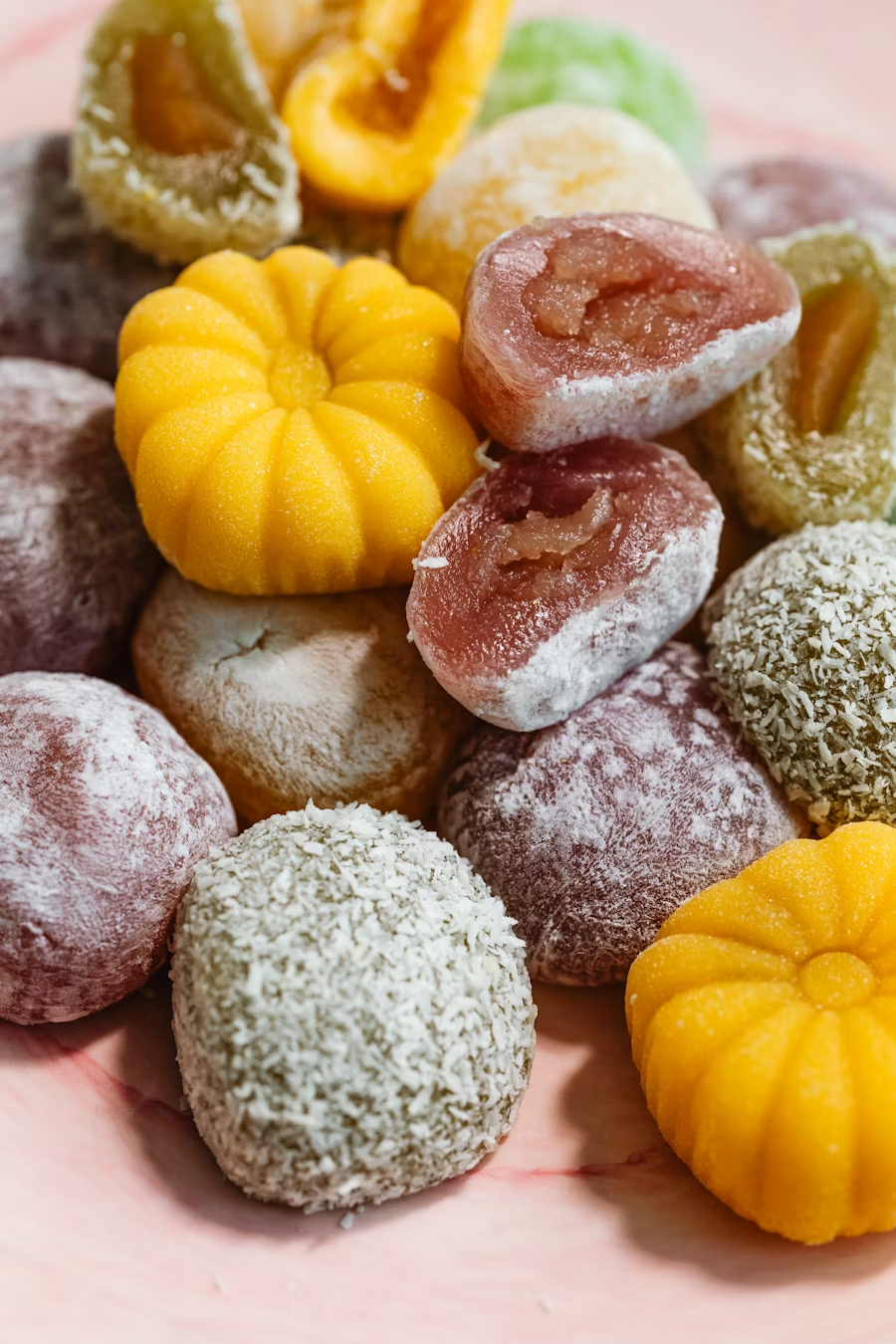
One funny thing about Korea is that savory food can taste very sweet, while desserts can taste surprisingly light.
Many Korean cakes, cream breads, strawberry desserts, and café sweets are less sugary than American-style desserts. The cream is often softer, milkier, and less heavy.
So visitors sometimes experience a strange reversal: the fried chicken sauce is sweet, the tteokbokki is sweet, the bulgogi is sweet, but the cake feels mild.
This is why the question is not simply whether Korean food is sweet. It is more about where the sweetness appears.
Korean cooking picks:
Korean Soup BowlKorean Chopsticks SetShop through my Amazon links to check the latest price and deals ♡ As an Amazon Associate, The Seoul Edit earns from qualifying purchases.
9. How To Make Korean Food Less Sweet At Home
♡ You can reduce sugar without ruining the dish
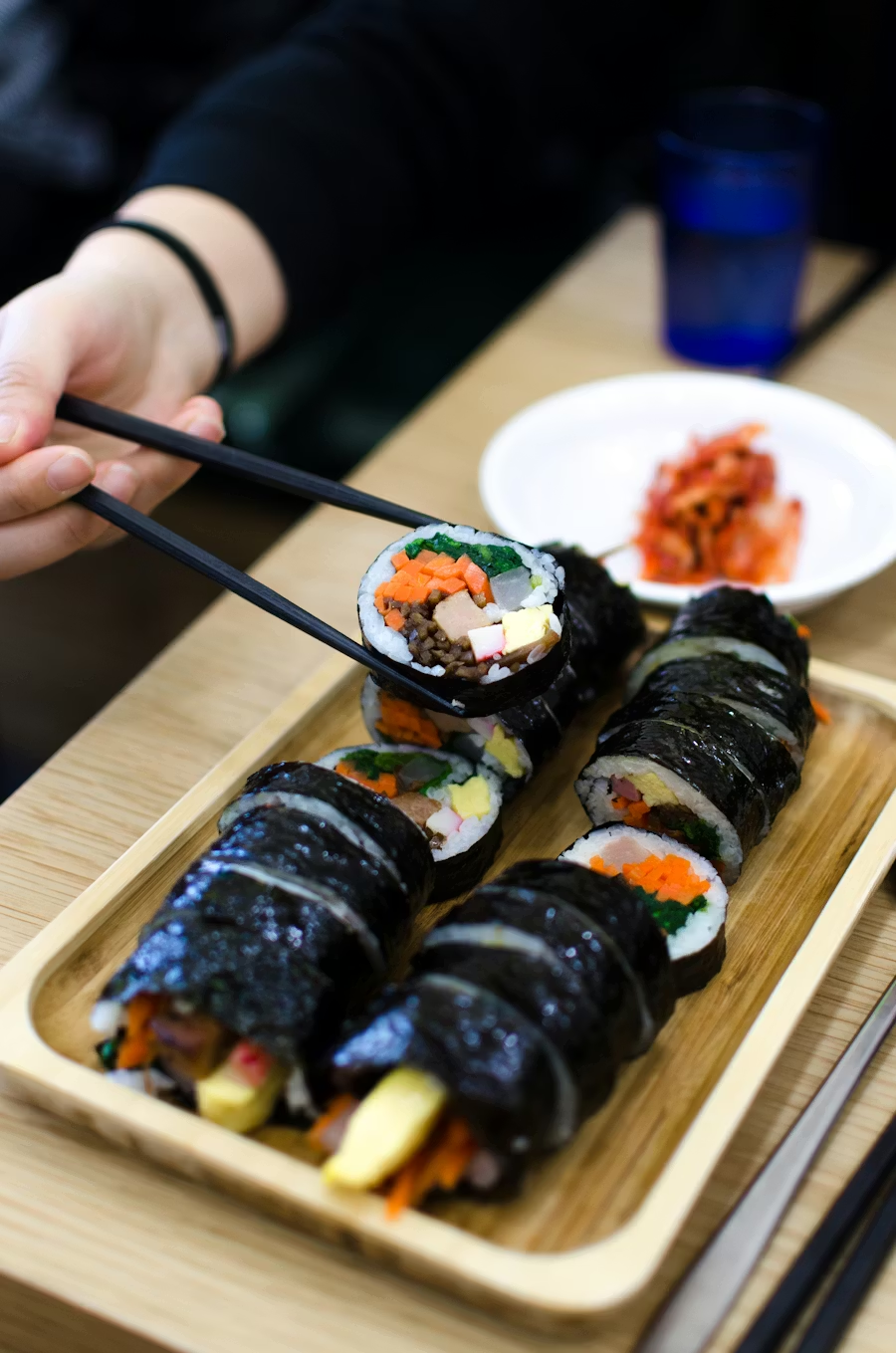
If Korean recipes taste too sweet for you, the easiest fix is simple: use less sugar.
Many home cooks reduce sugar by half, skip added sugar when a recipe already uses fruit or maesil cheong, or add more savory ingredients to balance the sauce.
You can also increase garlic, soy sauce, broth, sesame oil, onion, black pepper, gochugaru, or vinegar depending on the dish.
Maesil cheong, or Korean plum extract, is often used by Korean moms as a sweeter, fruitier seasoning. But it is still sweet, so use it in moderation if you are trying to lower overall sweetness.
Korean cooking picks:
Korean Plum Extract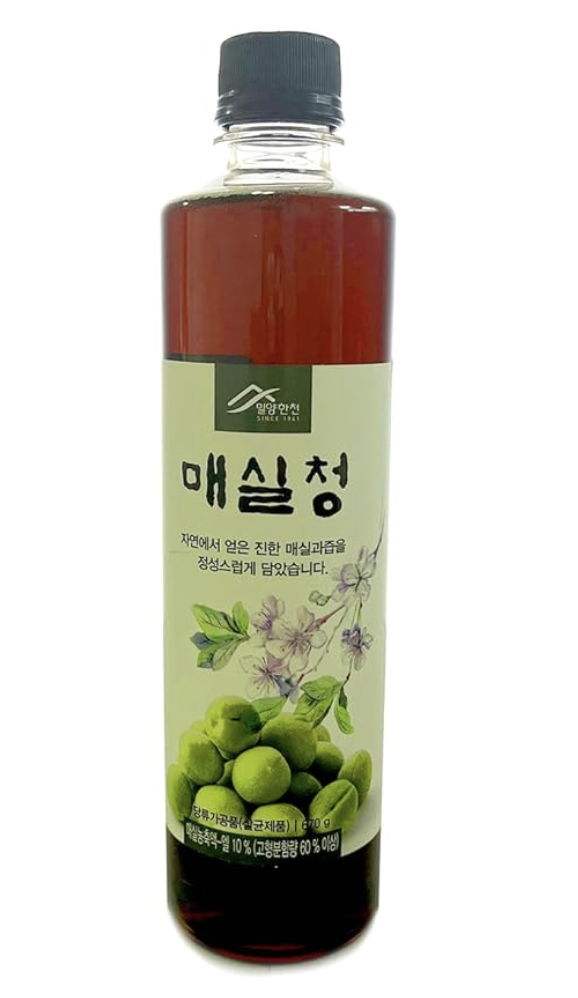 Korean Chili Flakes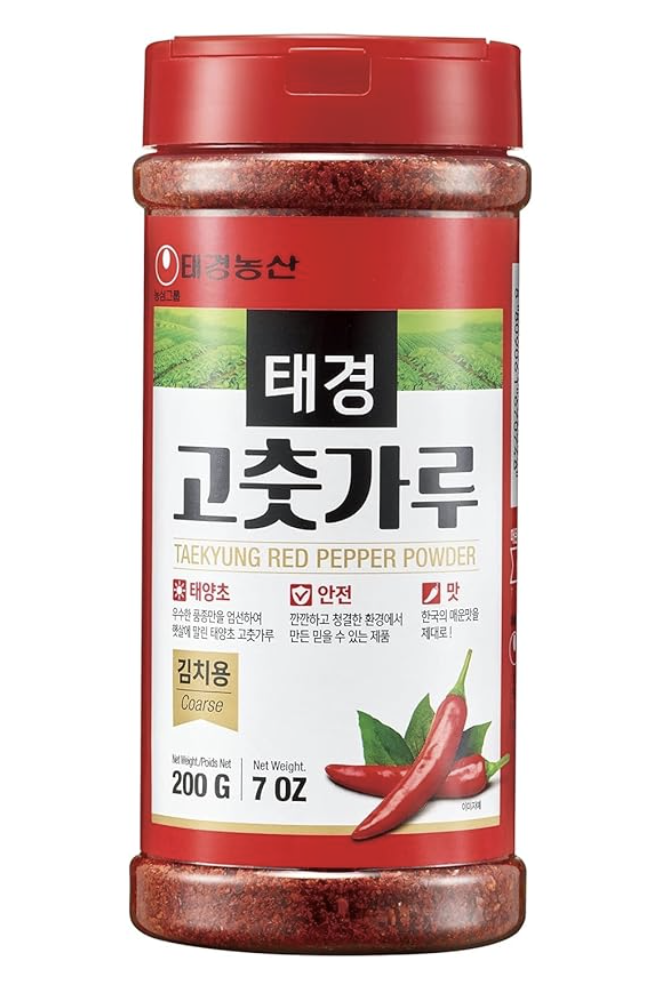
Shop through my Amazon links to check the latest price and deals ♡ As an Amazon Associate, The Seoul Edit earns from qualifying purchases.
10. Sources and Further Reading
This article combines personal food culture commentary, online food discussions, and Korean cooking resources.
Reddit Korean Food Discussions
11. FAQ: Is Korean Food Too Sweet?
Is Korean food supposed to be sweet?
Some Korean dishes are supposed to be sweet, especially bulgogi, galbi, tteokbokki, and yangnyeom chicken. But not all Korean food is sweet, and home cooking is often less sugary than restaurant food.
Why is tteokbokki so sweet?
Tteokbokki sauce often includes gochujang, sugar, syrup, soy sauce, garlic, and other seasonings. The sweetness balances the spice and gives the sauce its sticky texture.
Why is Korean fried chicken sweet?
Korean fried chicken is often coated in yangnyeom sauce, a sweet-spicy glaze made with ingredients like gochujang, ketchup, garlic, soy sauce, sugar, honey, or syrup.
Is Korean food sweeter now than before?
Many Koreans and Korean food fans believe modern restaurant food and online recipes are sweeter than older home-style Korean food, though this depends on the dish and the cook.
How can I make Korean food less sweet?
Reduce the sugar, use less syrup, add more garlic or soy sauce, increase gochugaru for spice, or use broth and vinegar to balance the sauce.
Is Korean plum extract the same as sugar?
Korean plum extract, or maesil cheong, has a fruitier flavor than plain sugar, but it is still sweet and can raise the sweetness of a dish.
Want More Korean Food Guides?
Join the list for Korean food explainers, Seoul café guides, Korean recipes, K-beauty picks, and local discoveries.
12. Final Thoughts
Korean food is not simply “too sweet.” The better answer is that modern Korean food often uses sweetness differently than many visitors expect.
Sweetness appears in savory sauces, marinades, fried chicken glazes, tteokbokki, and restaurant dishes. At the same time, many Korean desserts can taste lighter and less sugary than Western desserts.
The biggest difference is often home cooking versus restaurant food. Homemade Korean food can be much more balanced, while modern restaurants and viral recipes often lean sweeter, saltier, and more intense.
If you are cooking Korean food at home, you do not have to follow every sugar measurement exactly. Use less sugar, taste as you go, and adjust the balance to match what you actually enjoy.