If you've never visited Korea during July or August, nothing can truly prepare you for the sound. At first, many visitors assume they're hearing machinery, electrical transformers, construction equipment, or even a strange alarm somewhere in the distance.
Then they look up. Every tree seems alive.
Hidden among the leaves are hundreds of cicadas producing one of the loudest natural sounds you'll ever experience in a city. It doesn't matter whether you're walking through Seoul Forest, relaxing beside the Han River, exploring palace grounds, or simply leaving your apartment.
The buzzing follows you almost everywhere. For locals, it's simply another sign that summer has arrived.
For first-time visitors, it's often one of the most memorable parts of experiencing Korea. Here's why Korea's cicadas are so incredibly loud, when they appear, why there seem to be so many, and why almost nobody warns tourists about them beforehand.
1. Why Are Cicadas So Loud in Korea?
♡The sound can feel less like one insect and more like an entire electrical system screaming from the trees.
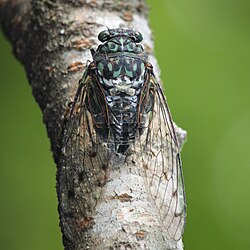
If you arrive in Seoul during the middle of summer, the first cicada chorus can be genuinely shocking. You may hear a harsh buzzing sound pouring out of trees beside apartment buildings, parks, subway entrances, sidewalks, schools, and office districts.
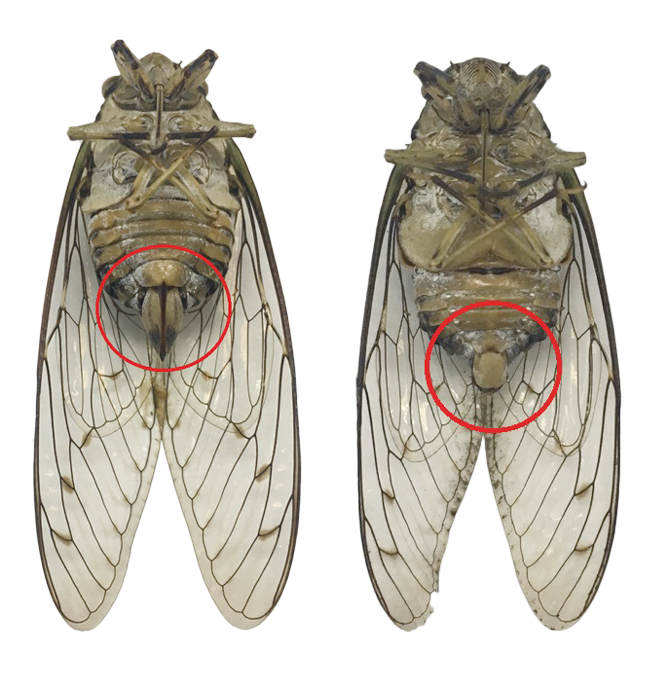
At first, it may not even sound like an insect. Visitors sometimes compare it to an alarm, construction equipment, electrical wiring, or a machine hidden somewhere inside the trees. The sound is produced mainly by male cicadas trying to attract females. They do not sing with their mouths. Instead, they rapidly vibrate specialized drum-like structures on their abdomens.
A hollow part of the cicada's body helps amplify the vibration, allowing such a small insect to produce an unexpectedly powerful sound. One cicada can already be loud. The full Korean summer experience happens when many males call from the same group of trees at once.
Their calls overlap until the individual insects become almost impossible to distinguish. What you hear is one continuous wall of sound. Seoul's official tourism site even describes the buzzing of cicadas as one of the sounds that announces summer in the city.
The volume can feel especially intense in Seoul because trees are often planted closely around apartment complexes, schools, parks, roads, and pedestrian areas. You are not necessarily hearing cicadas from a distant forest. They may be directly above the sidewalk, outside your window, or in the courtyard between apartment towers.
Add humid air, hard building surfaces, enclosed courtyards, and several nearby trees, and the chorus can feel as though it surrounds you from every direction. If you are preparing for a July or August visit, check my Seoul weather by month guide before packing.
Korea summer essentials:
Portable Charger Round Lab Birch Sunscreen
Shop through my Amazon links to check the latest prices and deals ♡ As an Amazon Associate, The Seoul Edit earns from qualifying purchases.
2. Korea Doesn't Have Just One Cicada Sound
♡Different cicadas create different calls, which is why the background noise seems to change throughout the day and summer.
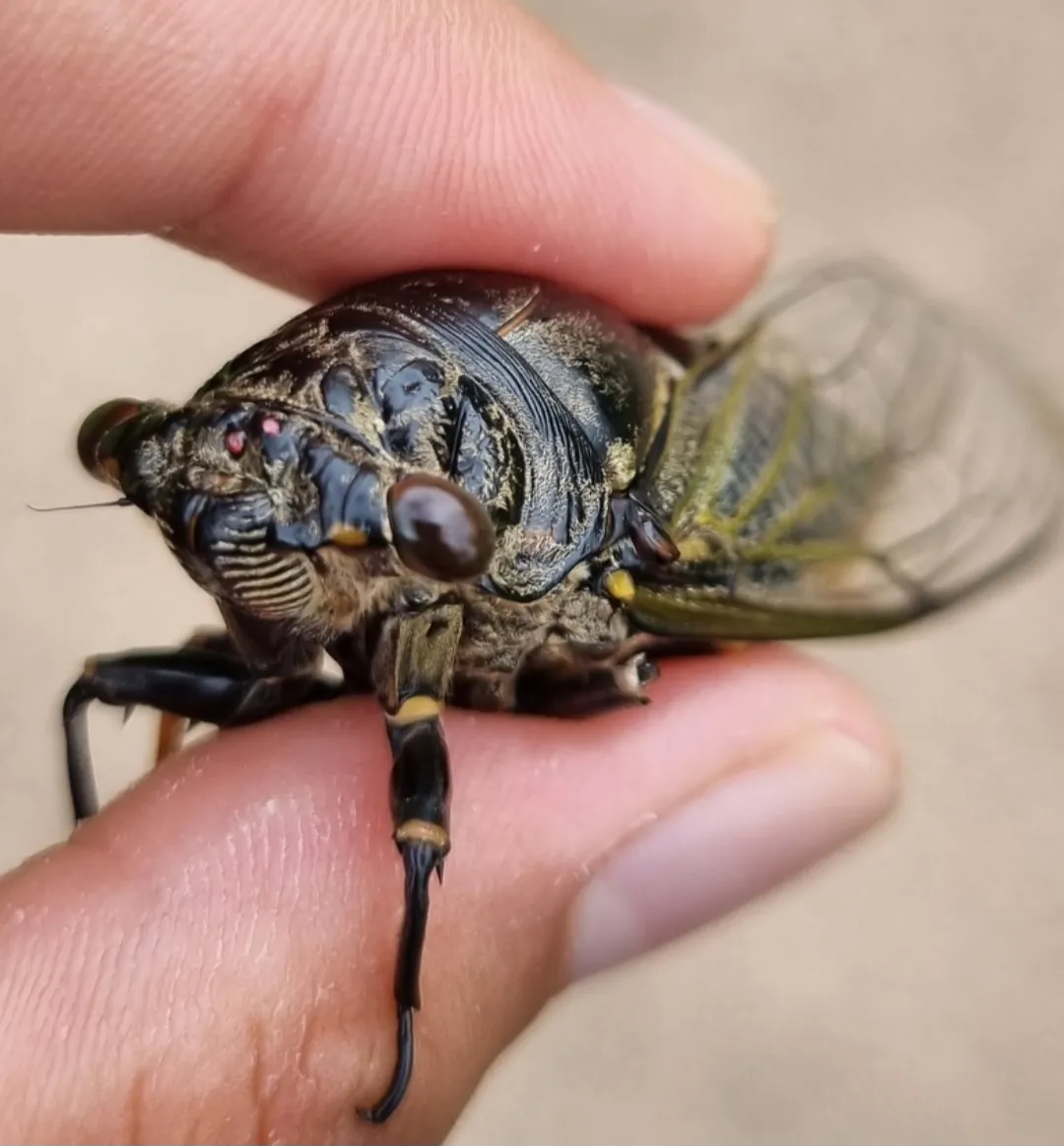
When people say “the Korean cicadas,” it sounds as though one enormous species is responsible for all the noise. In reality, Korea is home to multiple kinds of cicadas, and their calls do not all sound the same.
Some create a continuous high-pitched buzz. Others produce a repeating mechanical rhythm, a pulsing call, or a rough vibrating sound that rises and falls. This is one reason summer in Korea has such a recognizable soundscape. The noise can change depending on the trees, location, time of day, temperature, and which cicadas are active nearby.
A residential street may have one dominant call while a mountain trail or riverside park sounds completely different. Even within Seoul, the experience varies. Areas with older trees, wooded hills, university campuses, palace grounds, parks, and large apartment gardens can feel much louder than streets with very little greenery.
Warm weather supports cicada activity, so their chorus often feels strongest during hot summer conditions. It is also common to notice that the sound seems to start or stop suddenly. One group may become active while another becomes quieter, creating distinct waves of noise throughout the day.
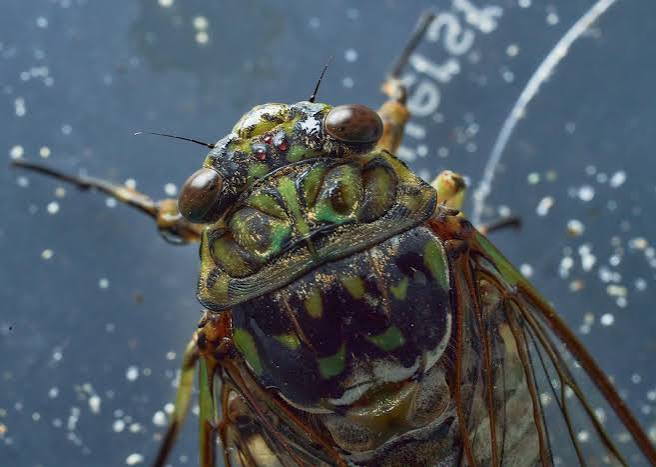
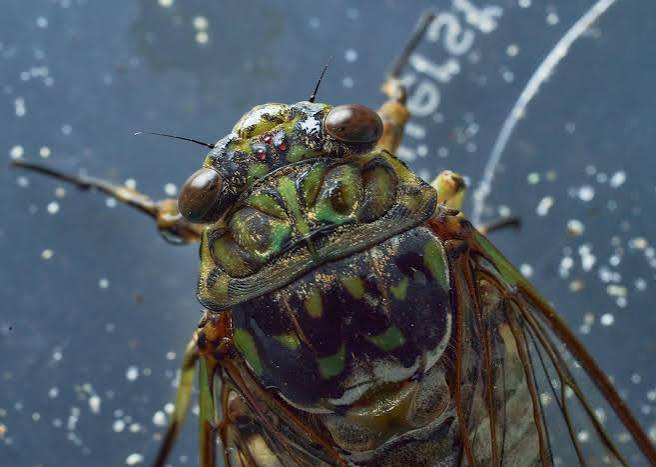
Visitors sometimes assume Korean cicadas must be unusually enormous because of how loud they are. Their size can be surprising up close, but the real secret is not simply having a large body. Their sound-producing anatomy and the number calling together create the overwhelming effect.
Cicadas are part of what makes summer in Korea feel completely different from spring or autumn. The sound becomes a seasonal signal, just like humidity, green mountains, iced drinks, and crowded Han River parks. Summer in Seoul already moves at a fast pace. Read why it feels like everyone in Korea is rushing somewhere for another side of the city's everyday atmosphere.
Korea summer essentials:
Mini Tripod Canvas Tote Bag
Shop through my Amazon links to check the latest prices and deals ♡ As an Amazon Associate, The Seoul Edit earns from qualifying purchases.
3. When Does Cicada Season Start in Korea?
♡The loudest part of the season usually arrives with Korea's hottest, greenest, and most humid summer weather.
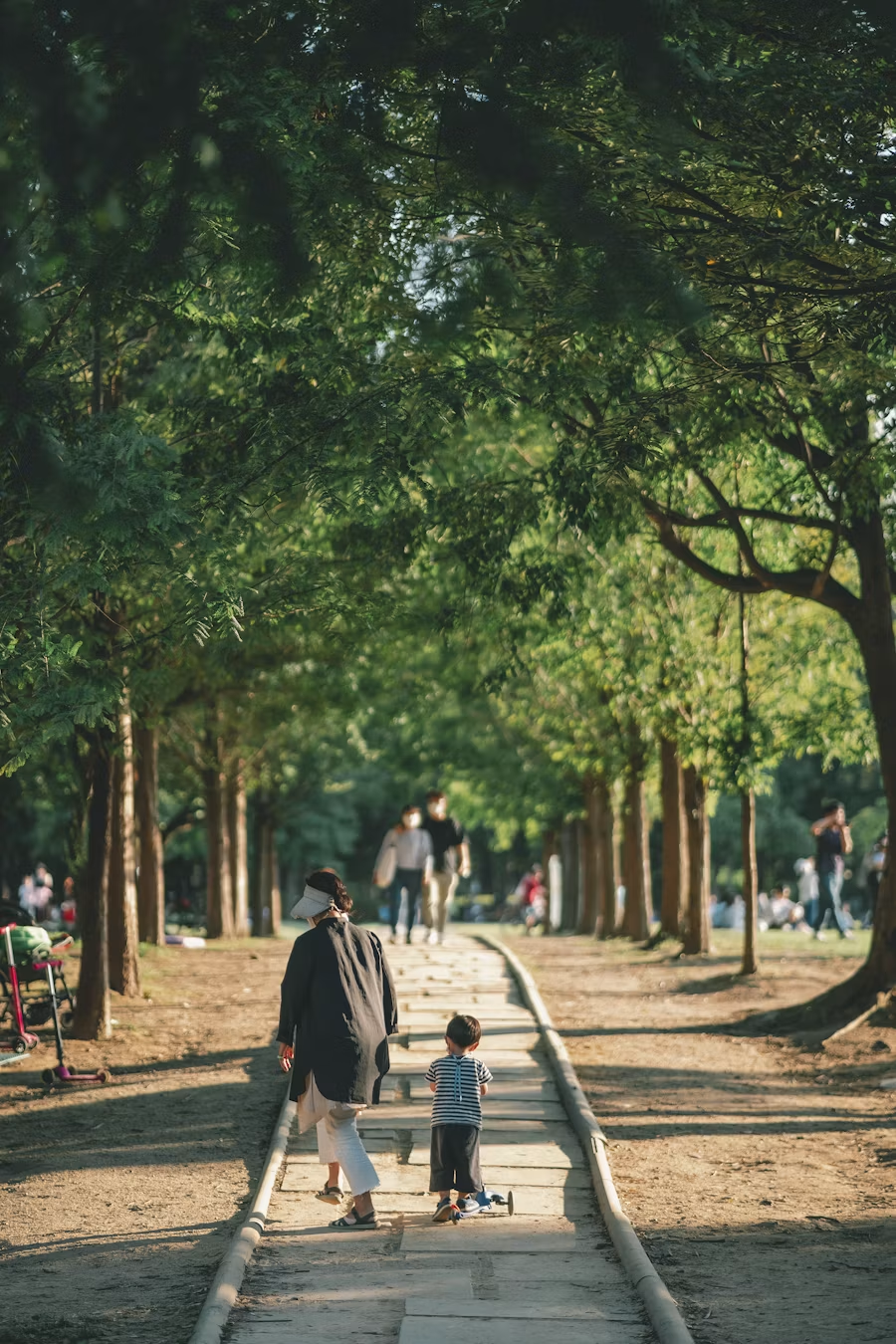
Cicadas are not making this noise throughout the entire year. For much of their lives, immature cicadas remain underground. They live as nymphs, feed from tree roots, grow, and molt before finally emerging.
When conditions are warm enough, mature nymphs tunnel toward the surface and climb a nearby tree, wall, fence, or other vertical structure. They then split open their old outer covering and emerge as soft, pale adults.
Their wings need time to expand, dry, and harden before they can fly away. In Korea, visitors are most likely to notice the strongest cicada presence during the hot summer period, especially around July and August.
The exact timing can shift with regional weather, temperature, rainfall, elevation, and species. Southern areas may feel different from Seoul, while mountain regions can follow another rhythm.
The first calls can seem exciting because they mark the arrival of true summer. After several weeks of hearing them outside your bedroom window every morning, the experience may begin to feel slightly less magical.
Cicada season also overlaps with some of Korea's most challenging travel conditions: strong sun, humidity, sudden rain, and long days spent walking outside. A portable charger and sunscreen are more useful than they sound when you are outside all day in Seoul.
Travelers should also plan their neighborhoods carefully so they do not spend the hottest part of every day crossing the entire city. See my guide to where to stay in Seoul before booking accommodation.
Korea summer essentials:
Insulated Tumbler Round Lab Birch Sunscreen
Shop through my Amazon links to check the latest prices and deals ♡ As an Amazon Associate, The Seoul Edit earns from qualifying purchases.
4. Why Are Cicada Shells Everywhere?
♡One of the strangest things visitors notice isn't the insects themselves. It's the empty shells covering trees throughout the city.
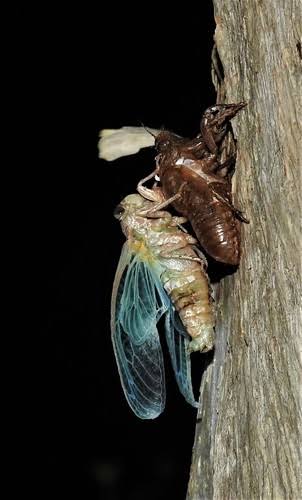
If you've ever walked through a Korean park in late July, you've probably noticed dozens of strange brown shells attached to tree trunks. At first glance, they look like dead insects. In reality, they're simply the old outer skin left behind after a cicada transforms into an adult.
The immature cicada climbs the nearest tree, fence, or wall before splitting open its shell. A brand-new adult slowly pulls itself out, expands its wings, and eventually flies away, leaving the empty shell behind.
Since thousands of cicadas emerge around the same time, these shells begin appearing everywhere across Seoul. Children often collect them, photographers use them as macro subjects, and tourists are usually fascinated because they've never seen so many in one place.
Don't worry. The shells are completely harmless. They don't bite, sting, move, or carry disease. They're simply nature's version of an empty suit of armor.
Once you've seen a few, you'll probably start spotting them on almost every tree you walk past during summer.
Korea summer essentials:
Mini TripodPortable ChargerShop through my Amazon links to check the latest prices and deals ♡ As an Amazon Associate, The Seoul Edit earns from qualifying purchases.
5. Are Korean Cicadas Dangerous?
♡Despite how dramatic they sound, cicadas are among the least threatening insects you'll encounter in Korea.

One of the biggest misconceptions visitors have is assuming such a loud insect must also be dangerous. Fortunately, that's not the case.
Cicadas don't hunt people, chase people, sting like wasps, or spread through homes like cockroaches. Their entire adult life revolves around finding a mate and laying eggs before they die naturally a few weeks later.
Occasionally one might accidentally fly into you. This isn't aggression. Cicadas are surprisingly clumsy fliers and simply don't have great control once they're airborne.
The loud buzzing can certainly make them feel intimidating, but they are generally harmless to people. If one lands on your shirt or backpack, it'll usually fly away again after a few seconds.
The biggest challenge during Korean summer isn't the cicadas themselves. It's the combination of humidity, heat, walking long distances, and staying hydrated while exploring Seoul.
If you're spending the day outdoors, a reusable tumbler and sunscreen are honestly much more important than insect spray.
Korea summer essentials:
Insulated TumblerRound Lab Birch SunscreenShop through my Amazon links to check the latest prices and deals ♡ As an Amazon Associate, The Seoul Edit earns from qualifying purchases.
6. Why Don't Koreans Even Notice Them Anymore?
♡Ask a visitor about Korean summers and they'll probably mention the cicadas. Ask a local and they may barely think about them.
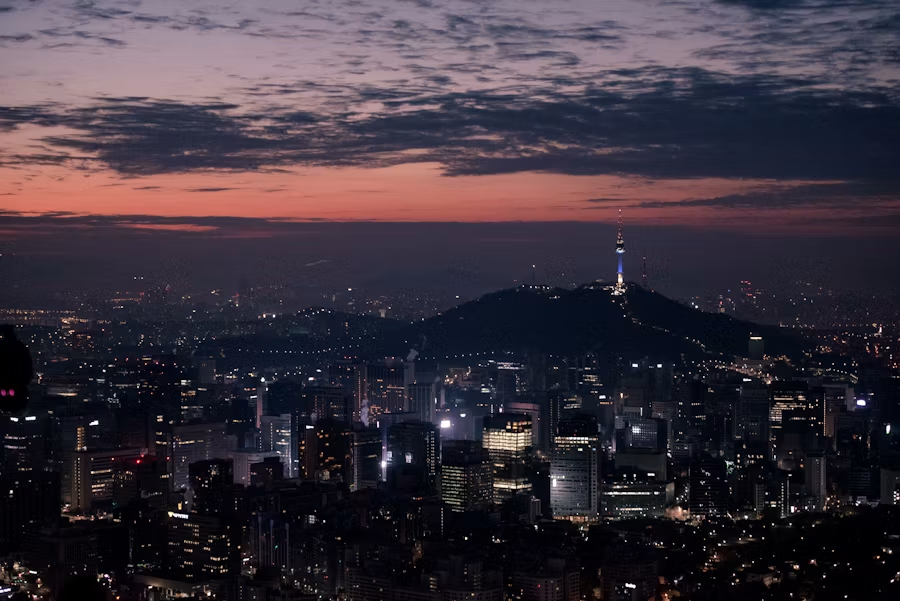
One of the funniest cultural differences is how differently locals and tourists react. Visitors often stop, look around, and ask:
"What is making that incredibly loud noise?" Meanwhile, many Koreans simply continue walking without even looking up.
That's because the sound has become part of everyday summer life. Just as people living near the ocean eventually stop noticing waves, many Koreans have grown up hearing cicadas every single summer.
The sound becomes background noise rather than something unusual. In fact, many locals associate cicadas with childhood vacations, summer break, parks, and evenings spent outside.
To them, the sound often signals that summer has officially arrived. Visitors, however, experience it with fresh ears.
That's why so many people search online after arriving in Seoul, wondering what the loud buzzing actually is. If you're curious about another everyday habit visitors notice, read Why It Feels Like Everyone in Korea Is Rushing Somewhere.
Korea summer essentials:
Canvas Tote BagPortable ChargerShop through my Amazon links to check the latest prices and deals ♡ As an Amazon Associate, The Seoul Edit earns from qualifying purchases.
7. Why Kids Love Catching Cicadas
♡For many Korean children, cicadas are not just noisy insects. They are part of the classic summer-break experience.
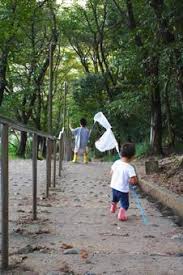
Cicadas are closely connected to childhood summer memories in Korea. During school vacations, children often explore parks, apartment courtyards, neighborhood hills, and tree-lined walking paths with insect nets and small collection cases.
Cicadas are appealing because they are large, easy to hear, and often visible on tree trunks once you know where to look. Their empty shells are even easier to collect because they remain attached to the bark after the adult insect has flown away.
For children interested in nature, finding a cicada can feel like a small treasure hunt. The sound tells them exactly which trees to inspect, although locating the insect itself can still be surprisingly difficult.
Cicadas often blend into bark, and the noise can seem as though it is coming from everywhere at once. Insect collecting has also appeared for years in Korean children's books, educational programs, cartoons, and summer activities.
This is one reason some Koreans hear cicadas and immediately think of school holidays, hot afternoons, grandparents' neighborhoods, and childhood walks. Visitors may only hear an unbelievably loud bug. Locals may hear a familiar soundtrack connected to growing up.
Korea summer essentials:
Mini TripodKorean Snack Bowl
Shop through my Amazon links to check the latest prices and deals ♡ As an Amazon Associate, The Seoul Edit earns from qualifying purchases.
8. Why Apartment Complexes Can Be the Loudest Places
♡Seoul's giant residential complexes often contain exactly what cicadas need: mature trees, warm weather, and enclosed spaces that amplify sound.
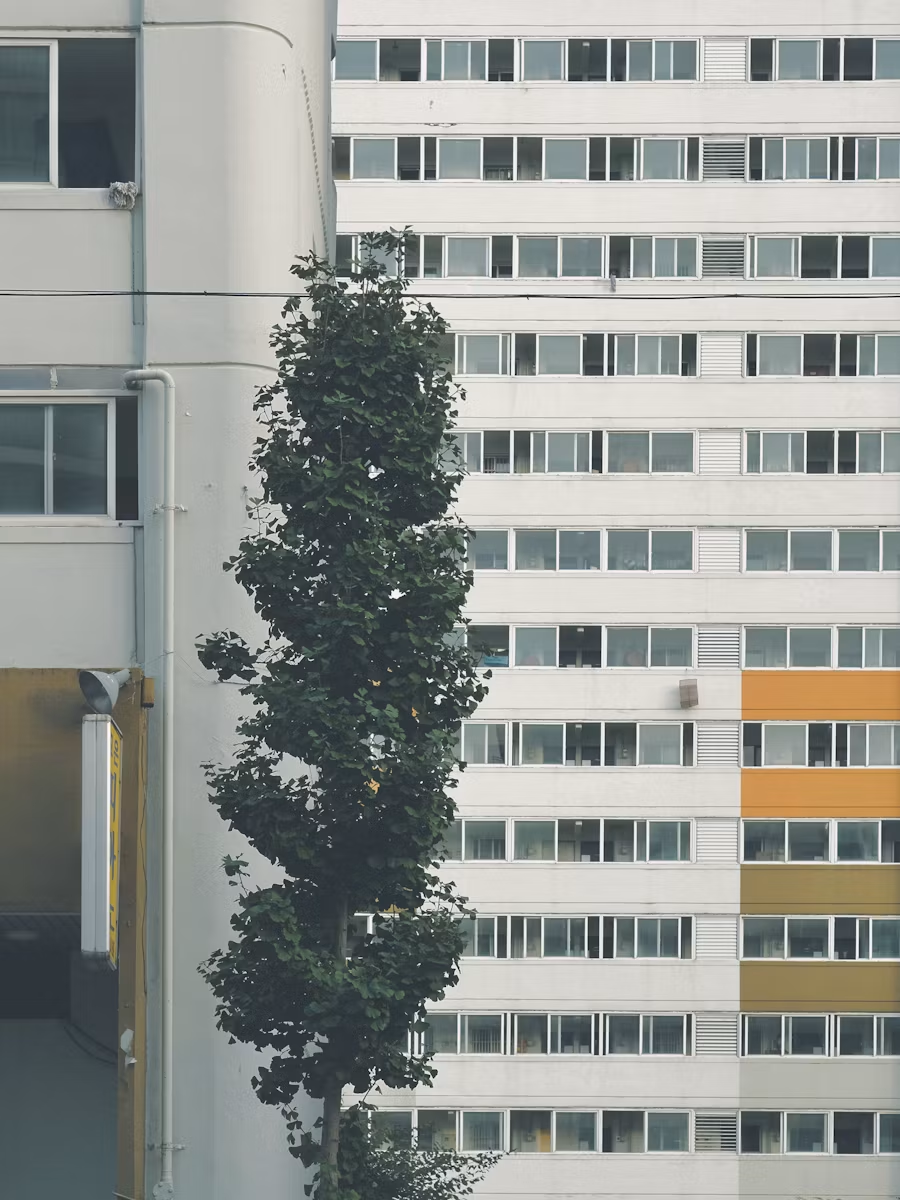
You might expect Korea's loudest cicadas to be deep inside forests or mountain parks. Surprisingly, some of the most intense cicada noise can happen inside ordinary Seoul apartment complexes.
Large Korean apartment communities often include landscaped gardens, playgrounds, walking paths, courtyards, and rows of mature trees. These trees provide places for adult cicadas to rest, call, mate, and lay eggs.
Underground soil around the trees also supports the nymph stage of their life cycle. When the adults emerge, dozens may gather across a relatively small landscaped area.
The surrounding apartment towers can make the chorus feel even stronger. Hard walls reflect sound, while enclosed courtyards can make the noise seem trapped between the buildings.
If your accommodation faces a large tree, the cicadas may sound as though they are directly inside your room once they begin calling in the morning. Closing the window helps, but older buildings or thin glass may not block the sound completely.
This is especially noticeable in quieter residential neighborhoods, where there is less traffic noise to compete with the insects. The apartment landscape itself is another part of modern Korean life. Read why Korean apartments all look the same for the history behind Seoul's enormous residential complexes.
Korea summer essentials:
Portable ChargerCanvas Tote BagShop through my Amazon links to check the latest prices and deals ♡ As an Amazon Associate, The Seoul Edit earns from qualifying purchases.
9. When Do the Cicadas Finally Disappear?
♡The chorus fades as temperatures change and the short adult stage of the cicada life cycle comes to an end.
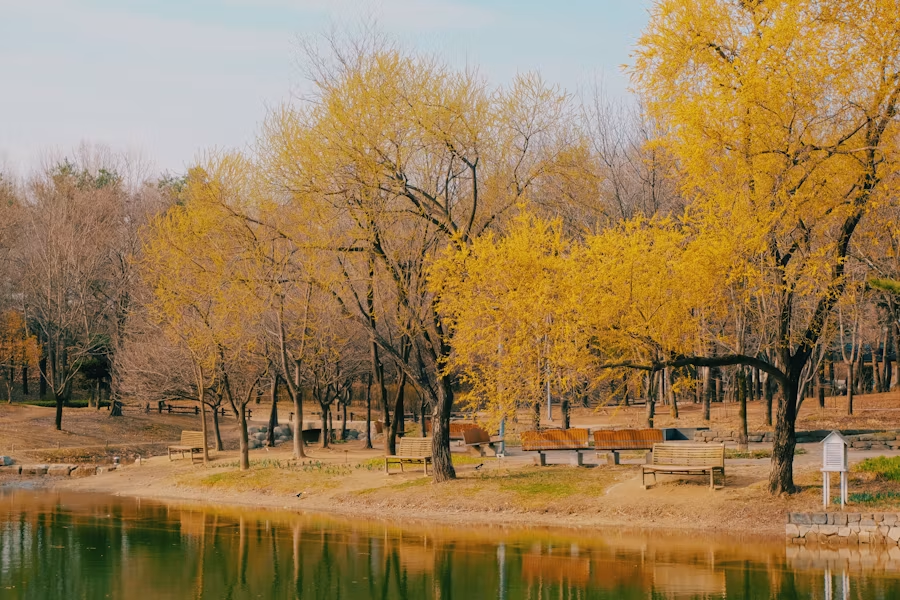
If the noise is keeping you awake, you may be wondering how long cicada season lasts. Adult cicadas do not live for years above ground.
Most of their long life is spent underground as nymphs. The visible, noisy adult stage is much shorter. Once adults emerge, their main purpose is to reproduce.
Males call, females choose mates, eggs are laid in plant tissue, and the adults eventually die. Their offspring hatch, fall toward the ground, and begin another long underground phase.
In Korea, the loudest chorus usually weakens as late summer moves toward early autumn. The exact timing depends on the weather, species, and region, so there is no single day when every cicada becomes silent.
Instead, the sound gradually changes. One species becomes less common, another call appears later in the season, and eventually the mornings begin to feel noticeably quieter.
The transition can feel surprisingly emotional. After weeks of complaining about the noise, some people notice the silence and realize summer is ending.
Cooler evenings, changing leaves, and a softer soundscape begin to replace the intense heat of July and August. Cicadas are annoying, fascinating, and deeply seasonal at the same time.
They may overwhelm visitors at first, but they are also one of the clearest signs that you have experienced a real Korean summer. For more seasonal planning, see what Seoul weather is like throughout the year.
Korea summer essentials:
Insulated TumblerRound Lab Birch SunscreenShop through my Amazon links to check the latest prices and deals ♡ As an Amazon Associate, The Seoul Edit earns from qualifying purchases.
10. FAQ: Cicadas in Korea
Why are cicadas so loud in Korea?
Male cicadas produce loud mating calls using specialized vibrating structures on their abdomens. Seoul can sound especially intense because many cicadas call together from trees around parks, streets, schools, and apartment complexes.
When is cicada season in Korea?
Cicadas are most noticeable during Korea's hottest summer period, especially in July and August. The exact timing changes depending on species, region, temperature, and weather.
Are Korean cicadas dangerous?
No. Cicadas do not sting, hunt people, or normally bite humans. They may accidentally fly into someone, but they are generally harmless.
Can cicadas bite people?
Cicadas feed on plant fluids and are not interested in feeding on humans. They are not considered aggressive, although handling any wild insect unnecessarily is best avoided.
Why are there so many cicadas in Seoul?
Seoul has many tree-lined streets, parks, wooded hills, school grounds, and landscaped apartment complexes. These environments provide the soil and mature trees cicadas need during different stages of their life cycle.
Why are cicada shells attached to trees?
The shells are the empty exoskeletons left behind when underground cicada nymphs climb a tree and molt into winged adults.
Do cicadas make noise at night?
Activity depends on species, light, temperature, and location. Some calls are strongest during the day, while other summer insects may contribute to the nighttime soundscape.
When do cicadas disappear in Korea?
Their calls usually fade as late summer turns into early autumn and the adult stage ends. There is no single nationwide date because timing varies by weather, species, and region.
11. Sources and Further Reading
For more information about cicadas, Korean forests, Seoul's summer environment, and insect life cycles:
Seoul Metropolitan Government: The Sounds of Summer in Seoul
U.S. National Park Service: Cicadas
U.S. Forest Service: Cicada Life Cycle and Emergence
Want More Real-Life Korea Guides?
Join the list for Korean culture, Seoul travel guides, seasonal tips, cafés, K-beauty, internet trends, and everyday life in Korea.

Planning a trip to Seoul?
12. Final Thoughts
Cicadas are one of those parts of Korea that photographs can never fully explain. You can see Seoul's green trees, humid streets, apartment courtyards, mountain trails, and summer parks online. But you cannot understand the season until you hear thousands of cicadas calling at the same time.
The noise can be overwhelming at first. It can wake you up, interrupt a quiet walk, and make an ordinary neighborhood sound like a machine room hidden inside a forest. Yet after enough time in Korea, the sound begins to feel strangely familiar.
It becomes connected to iced drinks, sudden rain, bright green mountains, crowded subway stations, evening walks, summer holidays, and the heavy heat of July and August. Korean cicadas are not dangerous, and they are not trying to attack anyone. They are simply completing the short, noisy adult stage of a life spent mostly underground.
Their chorus may seem endless while it is happening, but it eventually fades. The weather cools, the mornings become quieter, and Seoul begins moving toward autumn. That sudden quiet can feel almost as surprising as the noise did when it first began.
So when you hear the trees screaming during your first Korean summer, do not panic. Look closely at the tree trunks, search for an empty shell, and remember that you are hearing one of Korea's most recognizable seasonal soundtracks.
Before planning a summer visit, read my guide to Seoul weather by month, compare where to stay in Seoul, and learn why a day in Seoul costs more than you expect.