If you have never experienced summer in Seoul before, cicadas can genuinely sound fake. You walk outside and an ordinary row of trees suddenly sounds like it contains machinery, alarms, buzzing electricity, and thousands of tiny screaming creatures all at once.
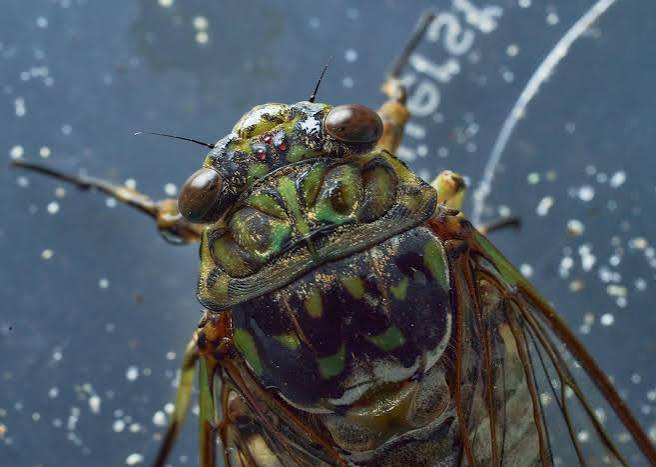
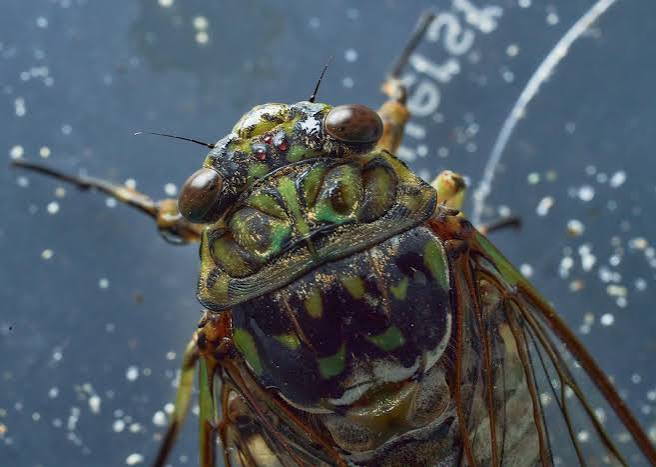
Those creatures are 매미 (maemi), the Korean word for cicadas. They are one of the most recognizable sounds of summer in Korea, particularly during the hottest weeks of July and August.
But the real explanation is more interesting than simply "Korea has loud bugs." Male cicadas have an extraordinarily effective biological sound system, Seoul has dense urban populations of several cicada species, warm summer conditions affect their activity and abundance, and the city's trees place those insects directly beside everyday human life.
So when an entire Seoul street seems to be screaming at you, you are usually hearing the combined result of biology, temperature, urban ecology, and a lot of male cicadas trying very hard to be noticed.
1. Why Are Cicadas So Loud in Korea?
♡ That overwhelming summer noise is not one insect. It can be an entire chorus of male cicadas calling at once.
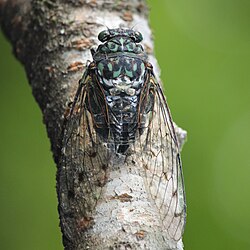
If you visit Seoul in winter, spring, or even early summer, the city sounds relatively normal. Then at some point in the middle of summer, it feels like someone flips a switch.
Trees that looked completely ordinary a few weeks earlier suddenly sound like they contain hundreds of tiny engines.
The answer is cicadas, or 매미 (maemi) in Korean. More specifically, much of the noise comes from male cicadas calling for mates. When many males are active in the same group of trees, their individual calls overlap into the enormous wall of sound you hear while walking around Seoul.
That is an important distinction. You are not necessarily hearing one freakishly loud insect hiding above your head. You may be hearing dozens of cicadas producing their calls at roughly the same time.
Research in Seoul's urban parks has found several cicada species, with Hyalessa fuscata and Cryptotympana atrata making up the majority of cicada remains counted in one large survey.
Helpful picks for surviving a Seoul summer:
AirPods Portable Charger
Some links may be affiliate links. The Seoul Edit Blog may earn a commission at no additional cost to you.
2. How Do Cicadas Make That Insanely Loud Sound?
♡ They are not chirping like crickets. Cicadas have a specialized sound-producing system built into their bodies.
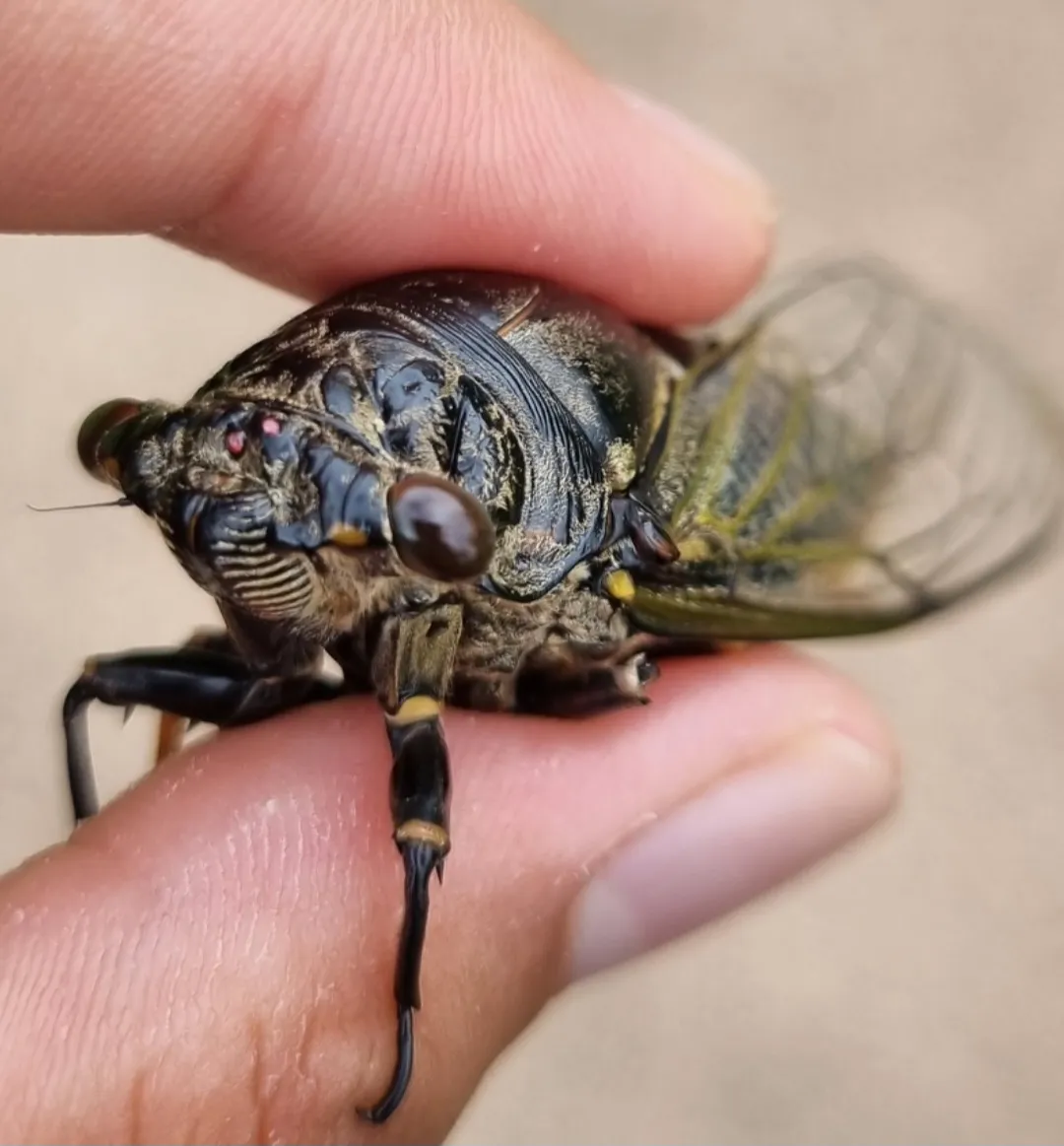
One of the strangest things about cicadas is that the sound is not produced the same way crickets make their familiar chirping noise.
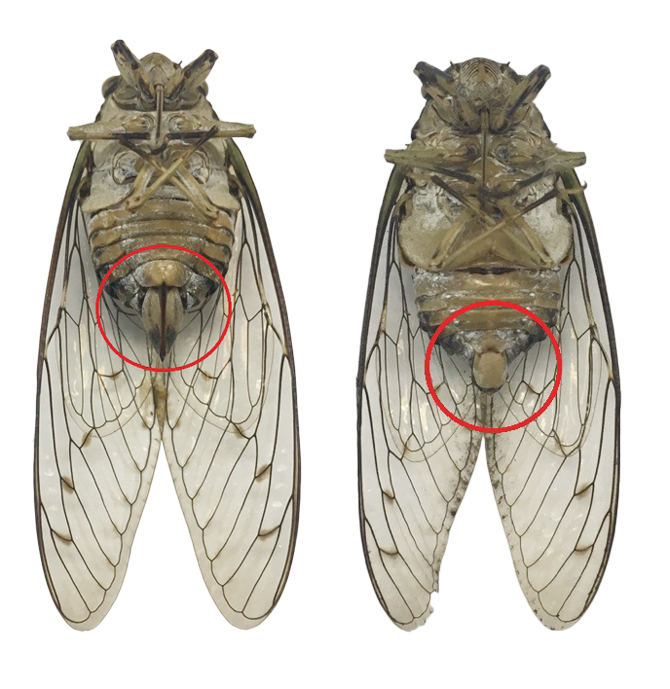
Male cicadas have specialized structures called tymbals on their abdomen. These are ribbed membranes that can rapidly buckle and snap back into position when muscles contract.
Each movement creates a pulse of sound. Repeating those movements extremely quickly creates the continuous buzzing, whining, pulsing, or screaming sound associated with cicadas.
Their bodies also help amplify the sound. Essentially, a male cicada is a tiny biological sound system whose main summer job is making sure female cicadas can hear him.
Once several cicadas start calling from the same trees, the effect becomes dramatically louder. That is why walking beneath one particularly cicada-filled row of trees can suddenly feel much louder than the street you were on thirty seconds earlier.
Helpful picks for surviving a Seoul summer:
Digital Camera Mini Tripod
Some links may be affiliate links. The Seoul Edit Blog may earn a commission at no additional cost to you.
3. Why Does Seoul Have So Many Cicadas?
♡ A huge modern city might seem like a terrible place for insects, but parts of Seoul can actually work surprisingly well for cicadas.
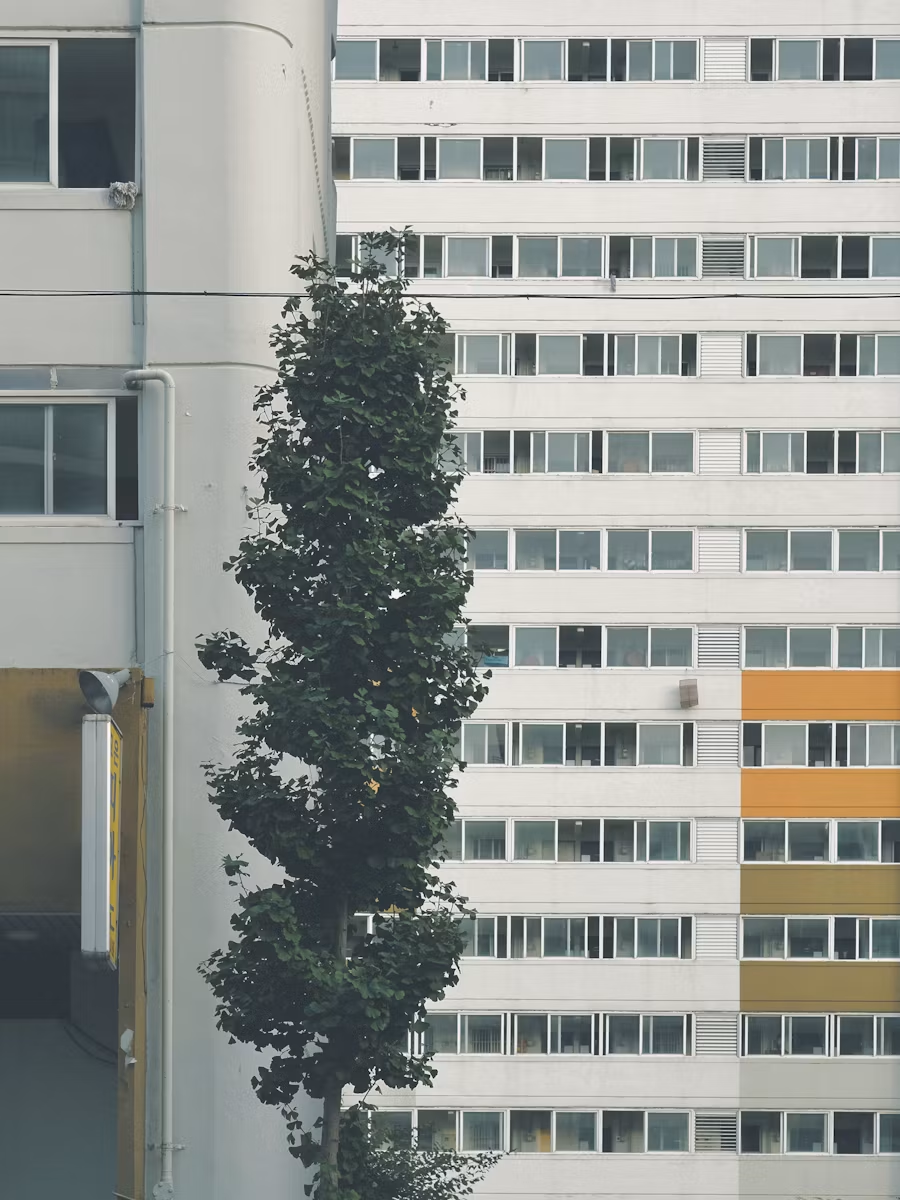
This is where Seoul becomes particularly interesting.
You might assume cicadas should be much more common deep in the countryside than between apartment buildings, subway stations, roads, cafés, and convenience stores.
But studies of cicadas in metropolitan Seoul have found high densities of two particularly common species, Cryptotympana atrata and Hyalessa fuscata, in urban and suburban environments.
Seoul also contains an enormous amount of fragmented urban greenery: apartment landscaping, neighborhood parks, school grounds, mountain trails, riverside areas, palace grounds, and long rows of mature street trees.
Cicada nymphs spend most of their lives underground feeding from plant roots. When they are ready to emerge, they climb upward, molt into adults, and leave their empty shells attached to trees, walls, fences, and other surfaces.
So a tree-lined Seoul neighborhood can be surrounded by far more cicada habitat than it initially appears to have.
Helpful picks for surviving a Seoul summer:
ROUND LAB Birch Juice Sunscreen Portable Charger
Some links may be affiliate links. The Seoul Edit Blog may earn a commission at no additional cost to you.
4. Why Seoul Makes Cicadas Feel Even Louder
♡ It is not just the insects. Seoul puts millions of people extremely close to the exact trees where cicadas are calling.
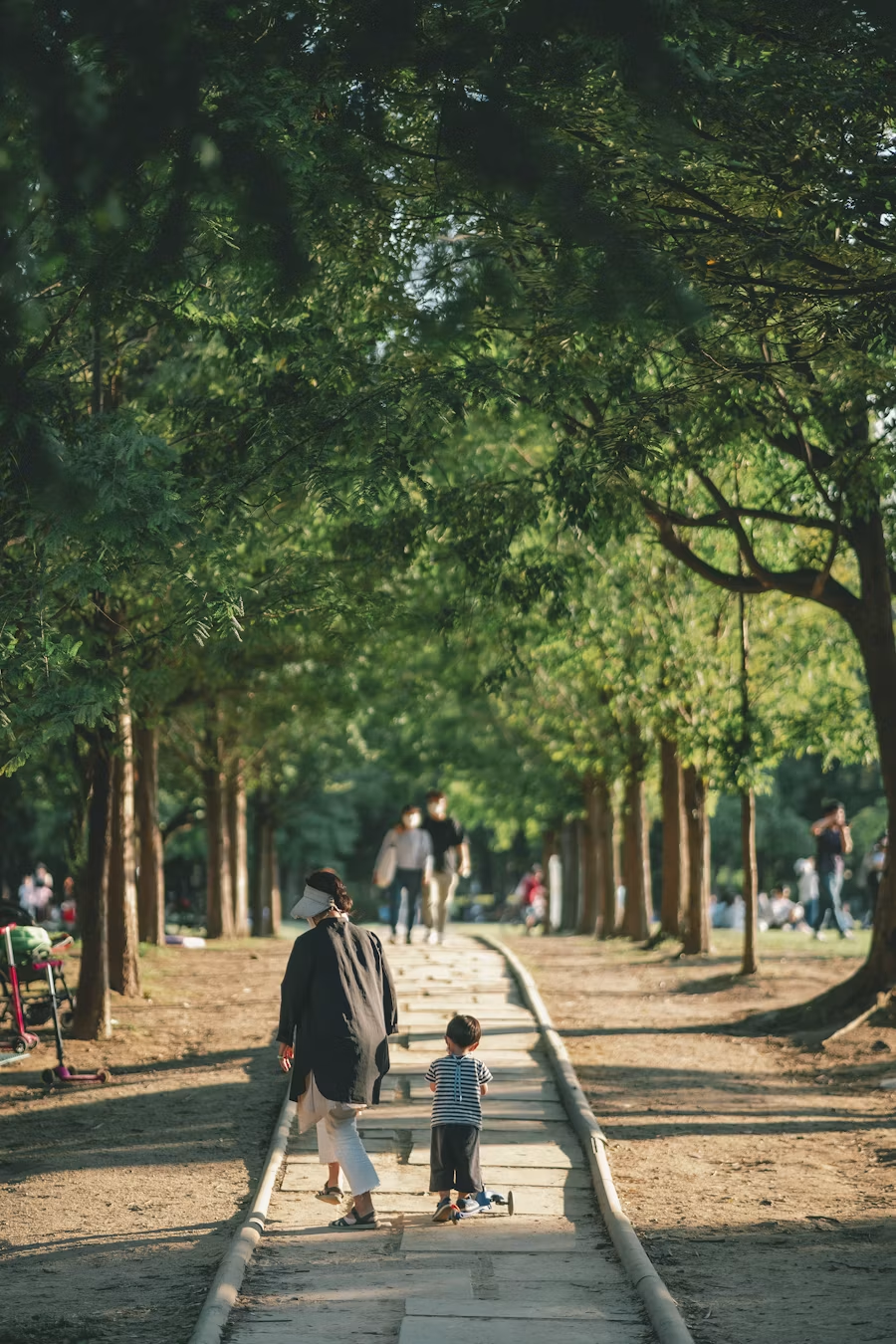
The number of cicadas is only part of the reason summer in Seoul can sound so intense. The other part is where those cicadas are living relative to you.
Seoul is an extremely dense city, but it is also surprisingly green. Apartment complexes are filled with landscaping trees, sidewalks are lined with mature trees, and neighborhoods are interrupted by parks, palace grounds, riverside paths, school campuses, and small mountains.
That means cicadas are often not somewhere deep in a distant forest. They can be in the tree directly outside your apartment window, above a bus stop, beside a café, next to a convenience store, or only a few meters above the sidewalk you are walking on.
In other words, Seoul brings humans and cicada habitat unusually close together. When several trees beside a narrow pedestrian path are full of calling males, you are walking almost directly underneath the chorus.
Apartment complexes can be especially dramatic. Research on cicadas in metropolitan Seoul has specifically examined residential complexes with landscaped trees and found substantial populations of common urban cicada species.
Add traffic, hard building surfaces, enclosed courtyards, narrow streets, and the sudden contrast between a quiet indoor space and a tree-filled outdoor space, and the sound can feel even more overwhelming.
5. Does Hot Weather Make Cicadas Louder?
♡ Summer temperature matters because cicada activity, emergence, and urban population patterns are closely connected to warm conditions.
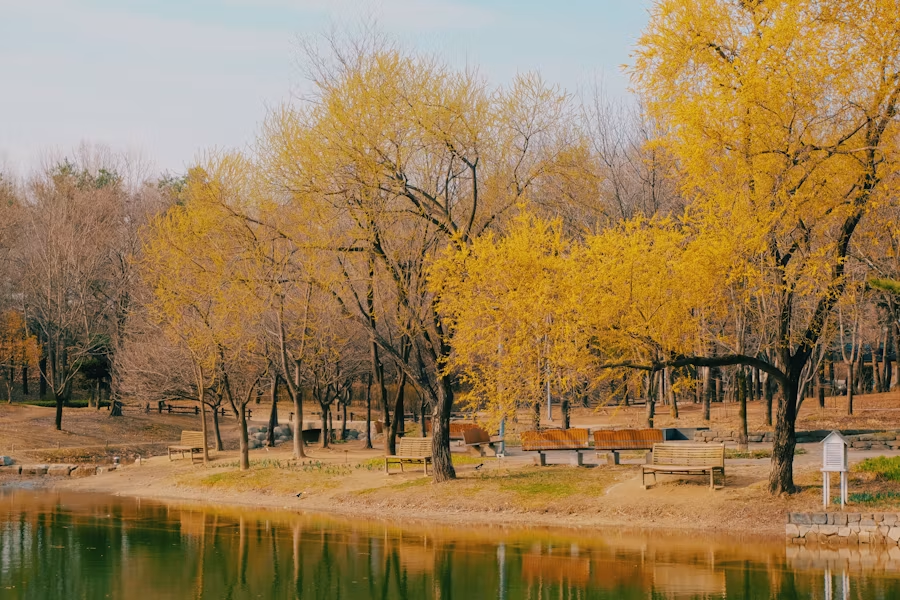
If cicadas seem especially intense during the hottest part of a Korean summer, you are noticing a real seasonal pattern.
Research in metropolitan Seoul found that cicada population densities increased with temperature, and researchers have examined the relationship between the city's urban heat island effect and its abundant cicada populations.
Seoul's urban heat island means built-up parts of the city can remain warmer than surrounding areas. Concrete, asphalt, buildings, limited nighttime cooling, and other features of a large city can all contribute to warmer urban conditions.
That does not mean every cicada simply turns its personal volume knob higher whenever the temperature rises.
The bigger picture is that temperature influences cicada emergence, activity, timing, and population patterns. When the summer conditions line up and a large number of adults are active at the same time, Seoul suddenly gets its unmistakable cicada soundtrack.
A study of urban parks in Seoul found the greatest cicada occurrence around August, after the rainy season. That matches what people living in the city often experience: the noise becomes impossible to ignore right in the middle of Korea's hot, humid summer.
Helpful picks for surviving a Seoul summer:
ROUND LAB Birch Juice SunscreenBeauty of Joseon Relief Sun
Some links may be affiliate links. The Seoul Edit Blog may earn a commission at no additional cost to you.
6. Why Do Cicadas Sometimes Keep Calling at Night?
♡ Cicadas are usually associated with daytime summer noise, but Seoul's warm nights and artificial light can sometimes extend the chorus.
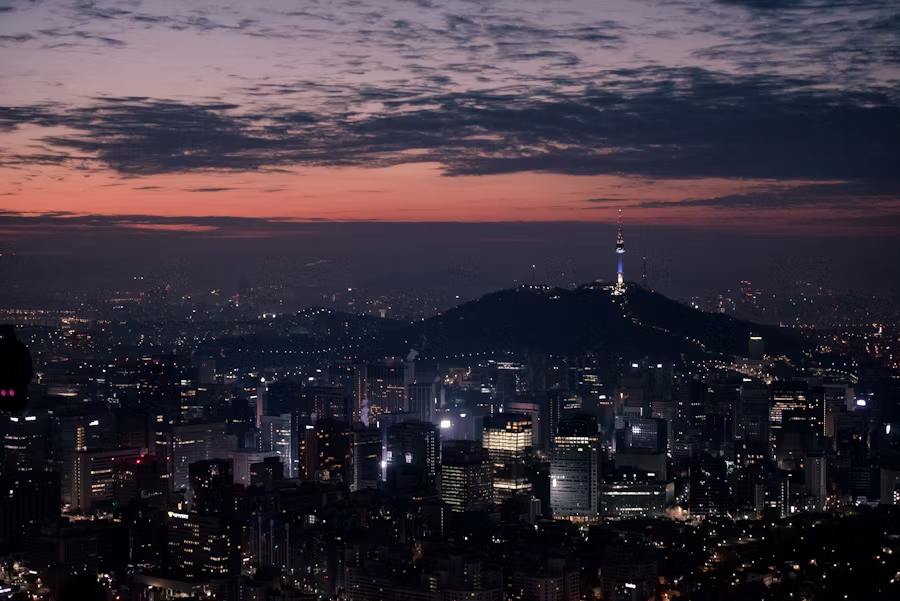
One of the weirdest experiences in Seoul is hearing cicadas when it already feels like they should have gone to sleep.
Cicada calling is usually associated with daytime activity, but urban conditions can complicate that pattern.
Korean researchers have specifically studied nighttime cicada calling in Seoul in relation to tropical nights and light pollution. Their research looked at the common species Hyalessa fuscata and Cryptotympana atrata and compared cicada calling in a Seoul apartment complex with a national park environment.
Seoul stays bright long after sunset. Streetlights, apartment lighting, signs, shops, parking areas, and other artificial light sources can keep urban spaces very different from a naturally dark forest.
Summer nights can also remain extremely warm. Korea even has the term 열대야 (yeoldaeya), or tropical night, for nights when the temperature remains unusually high.
So if you are lying in bed in Seoul in July or August wondering why a cicada outside your window is still screaming, you are not necessarily imagining an unusual urban phenomenon.
Helpful picks for surviving a Seoul summer:
AirPodsPortable ChargerSome links may be affiliate links. The Seoul Edit Blog may earn a commission at no additional cost to you.
7. Why Do Cicadas Suddenly Go Silent?
♡ One minute the trees sound deafening, and the next they can become strangely quiet.
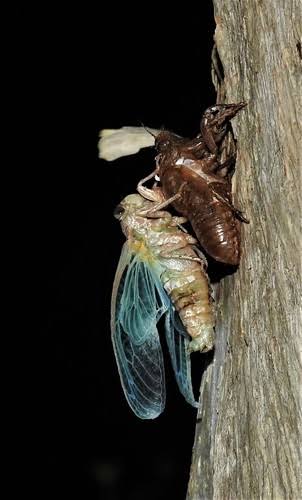
If you spend enough time in Korea during summer, you may notice something almost as strange as the cicada noise itself: sometimes the entire chorus seems to stop at once.
Cicadas are living animals responding to their surroundings, not speakers playing a continuous recording. Their calling behavior can change as environmental conditions change.
Temperature, time of day, weather, disturbance, species-specific calling patterns, and the activity of nearby cicadas can all affect what you hear.
Different cicada species also have different songs and activity patterns. What sounds like one giant anonymous summer buzz to us can actually be several species contributing different sounds at different times.
That is why the city can go from painfully loud to surprisingly calm and then explode with sound again later.
The empty cicada shells you see stuck to tree trunks are another reminder of how temporary this adult stage is. Cicadas spend a much larger portion of their life underground as nymphs before emerging, molting, reproducing, and completing their adult life above ground.
Helpful picks for surviving a Seoul summer:
Digital CameraMini TripodSome links may be affiliate links. The Seoul Edit Blog may earn a commission at no additional cost to you.
8. Are Korean Cicadas Actually Louder Than Cicadas Elsewhere?
♡ Korea's cicadas are incredibly loud, but the better explanation is abundance, species, season, and how close the insects are to everyday city life.

This is probably the question people ask after experiencing their first Korean summer:
Are cicadas in Korea somehow louder than cicadas everywhere else?
It is safer not to make that claim. Cicadas in many parts of the world can produce extremely loud calls, and there is no simple rule saying that every Korean species is biologically louder than every cicada found elsewhere.
What makes the Korean experience so memorable is the combination.
Seoul has abundant urban cicada populations, several species can be active during the summer, large numbers of males may call simultaneously, hot conditions support intense summer activity, and residents are constantly walking directly beside or underneath mature trees.
Seoul researchers have found Hyalessa fuscata and Cryptotympana atrata to be especially important urban species. One survey of 18 Seoul parks collected 7,369 cicada exuviae belonging to six species, with those two species representing the overwhelming majority.
So the experience is not necessarily "Korea has magically louder bugs." It is more like Seoul creates an almost perfect situation for humans to experience a huge cicada chorus at extremely close range.
Helpful picks for surviving a Seoul summer:
Portable ChargerROUND LAB Birch Juice SunscreenSome links may be affiliate links. The Seoul Edit Blog may earn a commission at no additional cost to you.
9. Why Do Koreans Barely React to the Noise?
♡ For someone experiencing a Korean summer for the first time, the sound can be shocking. For locals, it is often just part of July and August.
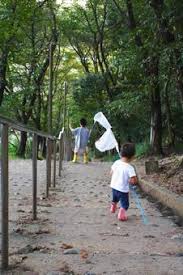
One of my favorite parts of seeing foreigners experience cicadas in Korea is the difference in reaction.
Someone visiting Seoul for the first time might stop in the middle of the sidewalk and ask what on earth is making that sound, while everyone else continues walking as if nothing unusual is happening.
The simplest explanation is familiarity. If you grow up hearing cicadas every summer, the sound becomes strongly associated with the season itself.
Cicadas appear in childhood memories, parks, apartment neighborhoods, school vacations, countryside visits, summer TV scenes, games, anime and dramas, and the general sensory background of hot weather in East Asia.
That does not mean everyone in Korea loves the noise. A cicada directly outside a bedroom window at 6 a.m. can still be deeply annoying.
But familiarity changes how surprising a sound feels. If you have heard the same chorus every July and August for your entire life, your brain has had plenty of practice treating it as background summer noise.
Visitors do not have that filter yet, which is why the first encounter can feel almost unreal.
Helpful picks for surviving a Seoul summer:
Lip Tint Digital Camera
Some links may be affiliate links. The Seoul Edit Blog may earn a commission at no additional cost to you.
10. When Does Cicada Season Finally End in Korea?
♡ The loudest part of the chorus is concentrated in summer, with Seoul research showing emergence rising from mid-July and peaking around early August.
If the cicadas are driving you insane, there is good news: Seoul does not sound like this all year.
Cicada activity is strongly seasonal. Research from Seoul parks has recorded summer emergence beginning around June, increasing substantially from mid-July, and peaking around early August.
Another study of Seoul's urban parks collected cicada exuviae weekly from June through September and found the highest occurrence around August after the rainy season.
In everyday terms, July and August are the months when Seoul's cicadas are hardest to ignore.
Depending on the year, weather, location, and species, you can still hear cicadas outside that peak period. Research on two widespread Korean species describes adult emergence extending from June into early October.
But once temperatures begin falling and Seoul starts moving toward autumn, the giant summer chorus gradually disappears. After weeks of hearing it constantly, the silence can actually feel strange.
If you want a broader guide to what this season feels like beyond the science, read my full guide to experiencing cicadas during summer in Korea.
Helpful picks for surviving a Seoul summer:
Beauty of Joseon Relief SunMini TripodSome links may be affiliate links. The Seoul Edit Blog may earn a commission at no additional cost to you.
11. FAQ: Cicadas in Korea
Why are cicadas so loud in Korea?
Male cicadas produce extremely powerful mating calls using specialized structures called tymbals. In Seoul, many males can call from the same groups of trees at once, creating a much larger chorus. The city also has abundant urban cicada populations and puts people very close to mature trees in apartment complexes, parks, schools, sidewalks, and other landscaped areas.
Why are cicadas so loud in Seoul?
Seoul combines dense human development with a surprising amount of cicada habitat. Mature street trees, apartment landscaping, parks, schools, riverside areas, and mountains place large numbers of cicadas only a few meters away from pedestrians and apartment windows.
How do cicadas make that screaming sound?
Male cicadas use ribbed membranes called tymbals. Muscles rapidly buckle and release the tymbals to produce sound pulses, while structures inside the body help amplify the resulting call.
Are Korean cicadas louder than American cicadas?
There is no simple rule that Korean cicadas are biologically louder than all American cicadas. Many cicada species around the world are extremely loud. Korea's summer can feel unusually intense because Seoul has abundant urban cicada populations, many insects can call simultaneously, and people live and walk extremely close to their habitat.
What month are cicadas loudest in Korea?
July and August are usually the period when cicadas are hardest to ignore in Seoul. Research in Seoul urban parks found cicada occurrence peaking around August, while other Seoul observations found emergence increasing from mid-July and peaking around early August.
Why are there so many cicadas in Seoul?
Studies have found high densities of common cicada species in Seoul's urban and suburban environments. Warm urban conditions, landscaped residential complexes, mature trees, parks, and other patches of vegetation all contribute to the city's cicada habitat.
Why do cicadas suddenly stop making noise?
Cicada calling changes with environmental conditions, time of day, weather, temperature, disturbance, and species-specific behavior. Because an entire group may respond to changing conditions, a chorus can seem to become quiet surprisingly quickly.
Do cicadas make noise at night in Korea?
They can. Korean researchers have studied nighttime cicada calling in urban Seoul in connection with warm tropical nights and artificial light. Night calling is especially noticeable when a cicada is close to an apartment or bedroom window.
Are cicadas dangerous in Korea?
Cicadas are generally not dangerous to people. They are famous for their noise rather than aggression. They do not hunt people, and the empty brown shells commonly seen on trees are simply exoskeletons left behind after nymphs molt into adults.
When do cicadas go away in Korea?
The overwhelming chorus begins fading as Korea moves out of peak summer and temperatures fall. July and August are the main period of intense noise in Seoul, although some species can remain active later depending on weather and location.
12. Sources and Further Reading
Scientific details in this article were checked against research on cicadas in metropolitan Seoul, surveys of Seoul urban parks, and biological references explaining cicada sound production.
Urban heat island effect on cicada densities in metropolitan Seoul
Investigation of Cicada Density in Urban Park — Seoul urban park survey
Effects of Tropical Night and Light Pollution on Cicada Calls in Urban Areas
U.S. National Park Service — Cicada sound production
Cicada thermal responses along a temperature gradient in metropolitan Seoul
Cicada timing and abundance can vary by year, species, weather, neighborhood, and local habitat, so specific dates should be treated as seasonal patterns rather than exact annual deadlines.
Want More Korean Culture and Seoul Guides?
Join the list for Korean culture, Seoul guides, cafés, K-beauty, seasonal travel tips, and everyday things about Korea that nobody warns you about before you arrive.
Planning a trip to Seoul?
13. Final Thoughts
So why are cicadas so loud in Korea? It is not because every Korean cicada is uniquely designed to be louder than every cicada elsewhere.
The better explanation is that male cicadas are naturally powerful callers, several cicada species thrive around Seoul, huge numbers can call at the same time, warm summer conditions help create intense seasonal activity, and Seoul puts people incredibly close to cicada-filled trees.
That combination is what creates the wall of sound. A tree outside an apartment, a row of trees beside a subway station, or a small neighborhood park can contain enough calling cicadas to transform the entire soundscape around it.
And then, almost as suddenly as they arrived, summer starts fading. The cicadas disappear, the evenings become cooler, and Seoul sounds normal again.
Until next July.