Seoul often feels affordable at first.
A subway ride costs less than a taxi in many other major cities. Convenience-store food is accessible. Casual Korean meals can be reasonably priced. Coffee chains offer inexpensive drinks, and many attractions are free or relatively low-cost.
Yet travelers regularly finish the day wondering how they spent so much.
The reason is not always one expensive purchase. It is the constant stream of small ones: an iced Americano, a convenience-store snack, one more subway ride, a photo booth, a few Olive Young products, a dessert café, a popup-store souvenir, and late-night food.
Seoul makes spending easy because convenience is built into the city. You rarely have to search far for something to eat, drink, buy, photograph, or experience.
This guide explains where the money goes during a normal day in Seoul and how to enjoy the city without feeling as though your budget disappeared.
Before planning your route, read where to stay in Seoul and check Seoul weather by month.
1. Coffee Adds Up Faster Than You Think
♡ One iced Americano feels affordable, but Seoul makes it easy to buy several drinks in one day
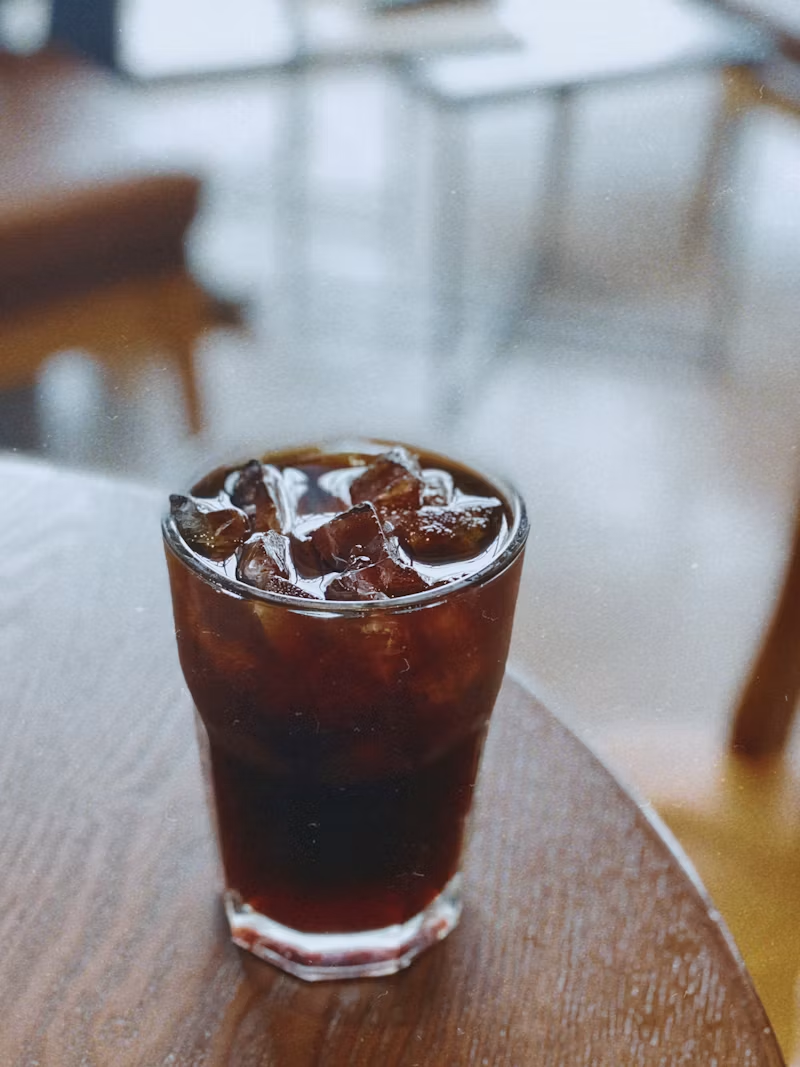
Seoul café prices do not always feel expensive when you look at one drink by itself. An iced Americano can seem like a small and reasonable purchase, especially compared with the price of coffee in some other major cities.
The problem is not always the price of one coffee. It is how easily coffee becomes part of every stage of your day. You might buy one drink after breakfast, another while shopping, and a third when you meet a friend in the evening.
Seoul is designed around spontaneous café stops. Coffee shops appear inside subway stations, office buildings, shopping malls, residential neighborhoods, department stores, and almost every busy street.
Mobile ordering also removes the small moment of hesitation that might otherwise stop you from buying another drink. You can order before arriving, collect it immediately, and continue walking without feeling as though you made a major purchase.
The cost grows even faster when you choose a latte, seasonal drink, specialty coffee, or large size. A drink that began as a quick energy boost can quietly become one of the largest repeated expenses in your day.
Visitors should also remember that popular neighborhoods often have several different types of cafés. A low-cost chain might be affordable, while an independent café with a view, themed interior, or specialty menu may charge much more.
That does not mean you should avoid Seoul cafés. Café culture is one of the most enjoyable parts of the city. The goal is simply to decide which café visits matter most instead of buying a drink every time you pass a pretty storefront.
For places that feel worth planning into your budget, see the prettiest dessert cafés in Seoul and explore current Korean café trends.
Seoul day-out essentials:
Portable Fan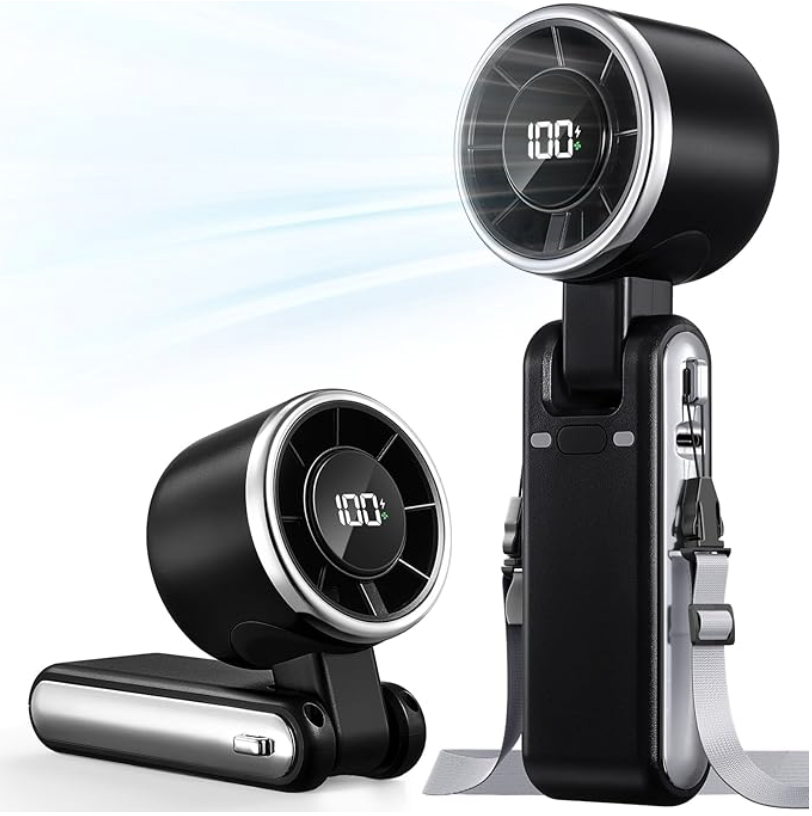 Waterproof Crossbody Bag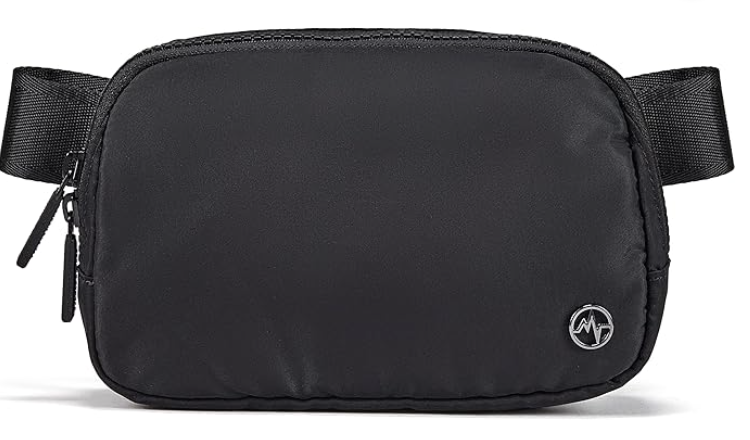
Shop through my Amazon links to check the latest prices and deals ♡ As an Amazon Associate, The Seoul Edit earns from qualifying purchases.
2. Olive Young Is Dangerous for Your Wallet
♡ Discount stickers, limited editions, and small beauty products make overspending feel harmless
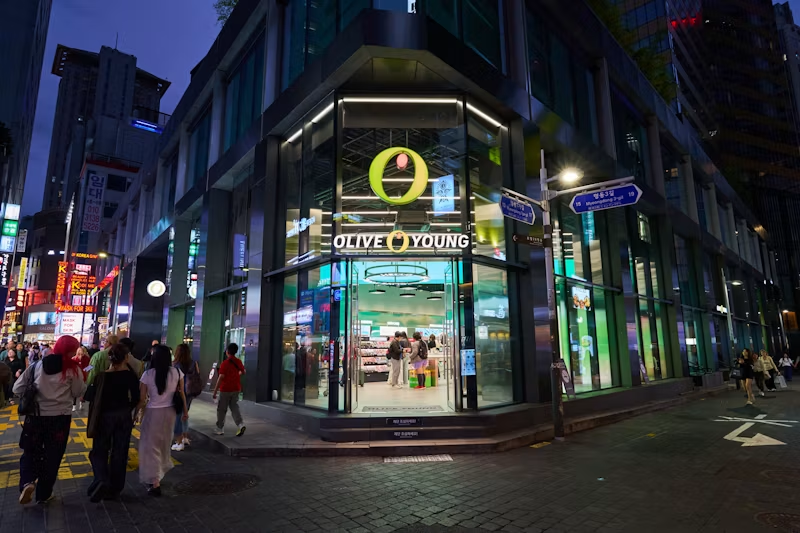
Olive Young is one of the easiest places to spend more than you planned in Seoul. You may enter for sunscreen or lip balm and leave with sheet masks, hair products, skincare sets, supplements, makeup, body care, and several items you had never considered buying before.
The store is designed to make discovery feel effortless. New products are displayed near the entrance, popular items have ranking labels, and sale signs create the feeling that buying now will save money.
Small beauty products are especially tempting because each item feels manageable. A lip tint, mini hand cream, face mask, or travel-size cleanser may not seem expensive alone. Several of them together can quickly become a much larger purchase.
Tourists are also influenced by products they have seen on TikTok, Instagram, YouTube, and Korean beauty accounts. Finding a viral item in person can create a sense of urgency, especially when the shelf looks almost empty.
Gift sets and multi-packs can offer good value, but only when you genuinely need the items. Buying a larger set simply because it is discounted still increases the amount you spend that day.
Shopping with a list helps. Before entering, decide which products are essentials, which are optional, and what your maximum total will be. Taking a photo of an item and thinking about it overnight can also prevent impulse purchases.
It is also helpful to compare branches. Large tourist-area stores may carry more products, but a smaller neighborhood location can feel calmer and make it easier to focus on what you actually need.
If you are visiting during hot or rainy weather, check Seoul weather by month before buying travel-size products you may not need for the season.
Seoul day-out essentials:
Waterproof Crossbody BagCompact Umbrella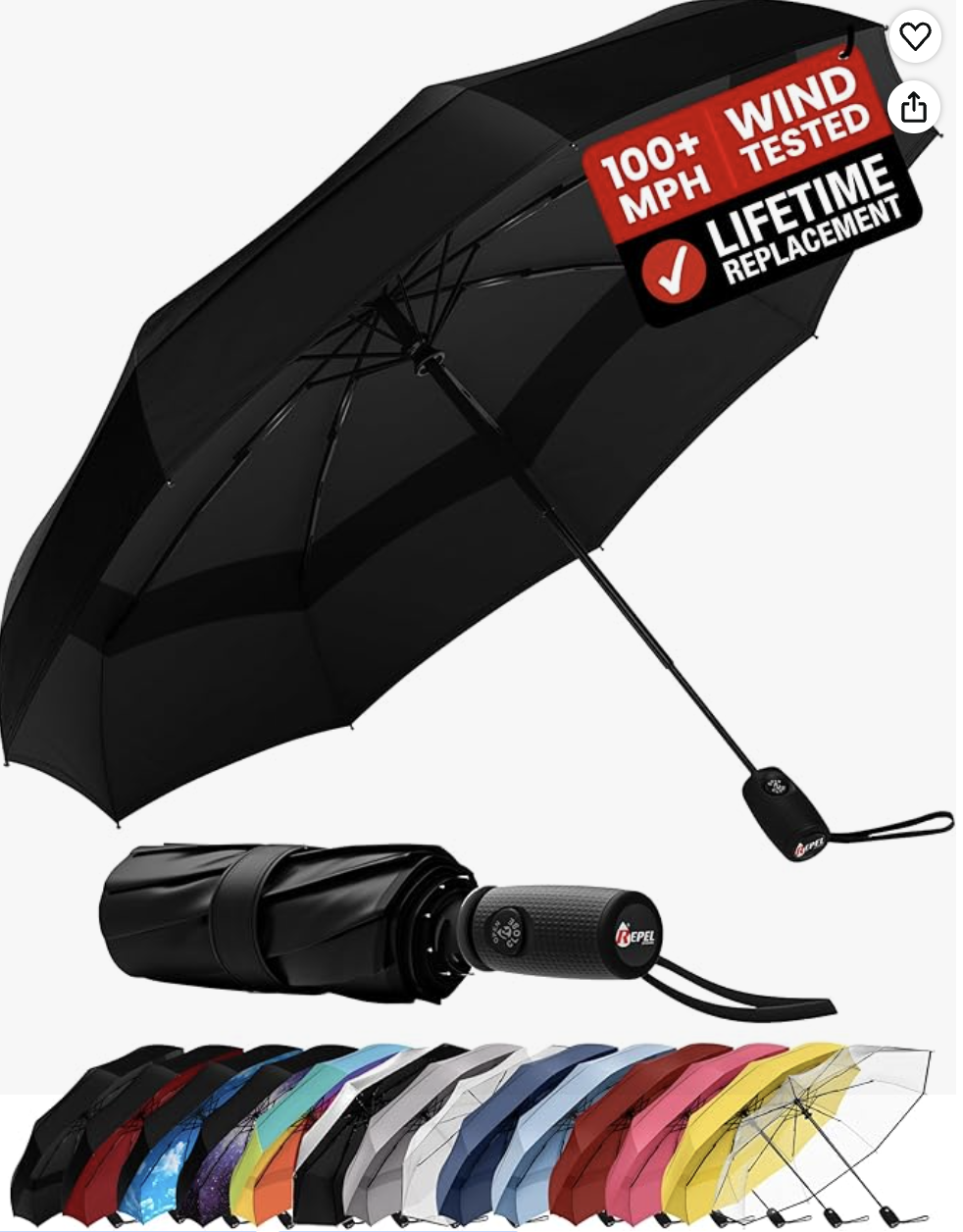
Shop through my Amazon links to check the latest prices and deals ♡ As an Amazon Associate, The Seoul Edit earns from qualifying purchases.
3. Transportation Is Cheap Until You Keep Moving
♡ Individual subway and bus rides feel affordable, but a packed itinerary creates repeated costs
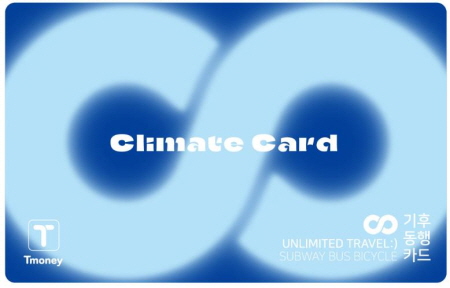
Seoul has an extensive public transportation network, and taking the subway or bus is usually much more affordable than relying on taxis. This can make transportation feel like a minor part of your daily budget.
The total changes when your itinerary includes several neighborhoods. A visitor might begin in Hongdae, travel to Gyeongbokgung Palace, continue to Seongsu, stop in Myeongdong, and finish the evening in Jamsil or Gangnam.
Even when transfers reduce some of the cost, moving across Seoul repeatedly still requires money, time, and energy. Long routes can also tempt you to take a taxi when you become tired, miss the last train, carry shopping bags, or face bad weather.
Taxis can be useful when shared with friends, but they quickly change the total cost of the day. Late-night trips, heavy traffic, longer distances, and additional fees can make a ride more expensive than expected.
Airport transportation should also be treated separately from your ordinary daily travel budget. Reaching central Seoul, moving luggage, and transferring to your accommodation may require more than a normal subway journey.
The best way to control transportation costs is to group nearby places together. Spend one day around northern central Seoul, another around Seongsu and eastern Seoul, and another around Gangnam or Jamsil rather than crossing the entire city several times.
Choosing accommodation near a useful subway line can also save both money and time. A cheaper room may not be a better deal when reaching your planned attractions requires long or complicated journeys every day.
Compare neighborhoods before booking through this guide to where to stay in Seoul. You can also read why everyone in Korea seems to be rushing to understand how commuting affects daily life.
Seoul day-out essentials:
Foot Cushions No-Show Socks
Shop through my Amazon links to check the latest prices and deals ♡ As an Amazon Associate, The Seoul Edit earns from qualifying purchases.
4. Convenience Stores Encourage Constant Spending
♡ A quick snack here and a drink there can quietly become one of your biggest daily expenses
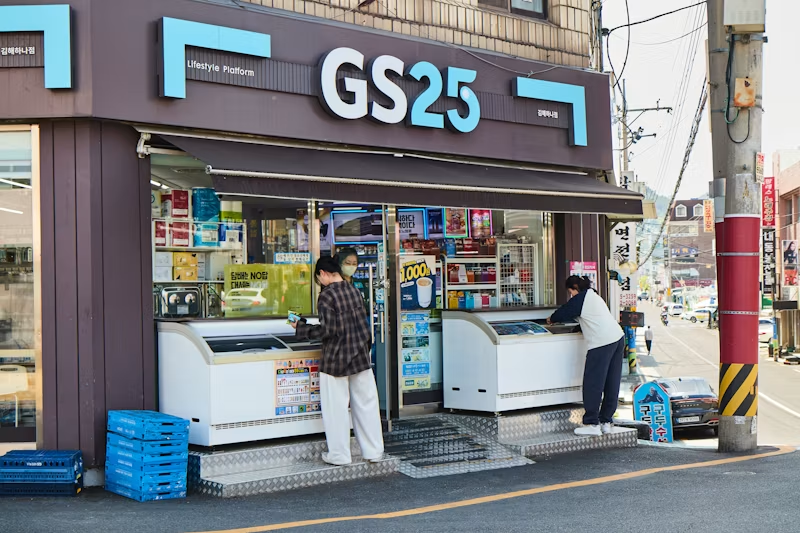
Korean convenience stores are one of the country's greatest strengths. They are clean, well-stocked, open late, and found almost everywhere. Whether you need breakfast, a bottle of water, an umbrella, medicine, dessert, or even a quick meal, there is usually a CU, GS25, 7-Eleven, or emart24 only a few minutes away.
Because everything feels inexpensive, travelers often stop several times throughout the day without thinking much about it.
Maybe you grab a bottled coffee after leaving the subway, a triangle kimbap before lunch, a protein drink after shopping, and ice cream on the walk back to your hotel. None of these purchases seem expensive individually, but together they can easily cost as much as another restaurant meal.
Convenience stores also make impulse buying incredibly easy. Seasonal snacks, limited-edition drinks, Korean instant noodles, imported candy, cute stationery, travel-sized toiletries, and skincare are all displayed where you naturally walk through the store.
Many visitors also buy food simply because it looks interesting. Even if you are not hungry, trying a viral milk, sandwich, or dessert becomes part of the travel experience.
There is absolutely nothing wrong with enjoying Korean convenience stores. In fact, they are one of my favorite things about living in Seoul. The important thing is remembering that several "small" purchases throughout the day can quietly become ₩20,000 to ₩40,000 before you even notice.
Setting a small daily snack budget helps you enjoy trying new foods without wondering where your travel money disappeared.
If you're planning lots of walking between convenience stores, check out the summer shoes Korean girls wear around Seoul.
Seoul day-out essentials:
Portable FanCompact UmbrellaShop through my Amazon links to check the latest prices and deals ♡ As an Amazon Associate, The Seoul Edit earns from qualifying purchases.
5. Every Café Visit Turns Into Dessert Too
♡ Beautiful cafés rarely stop at just ordering a drink
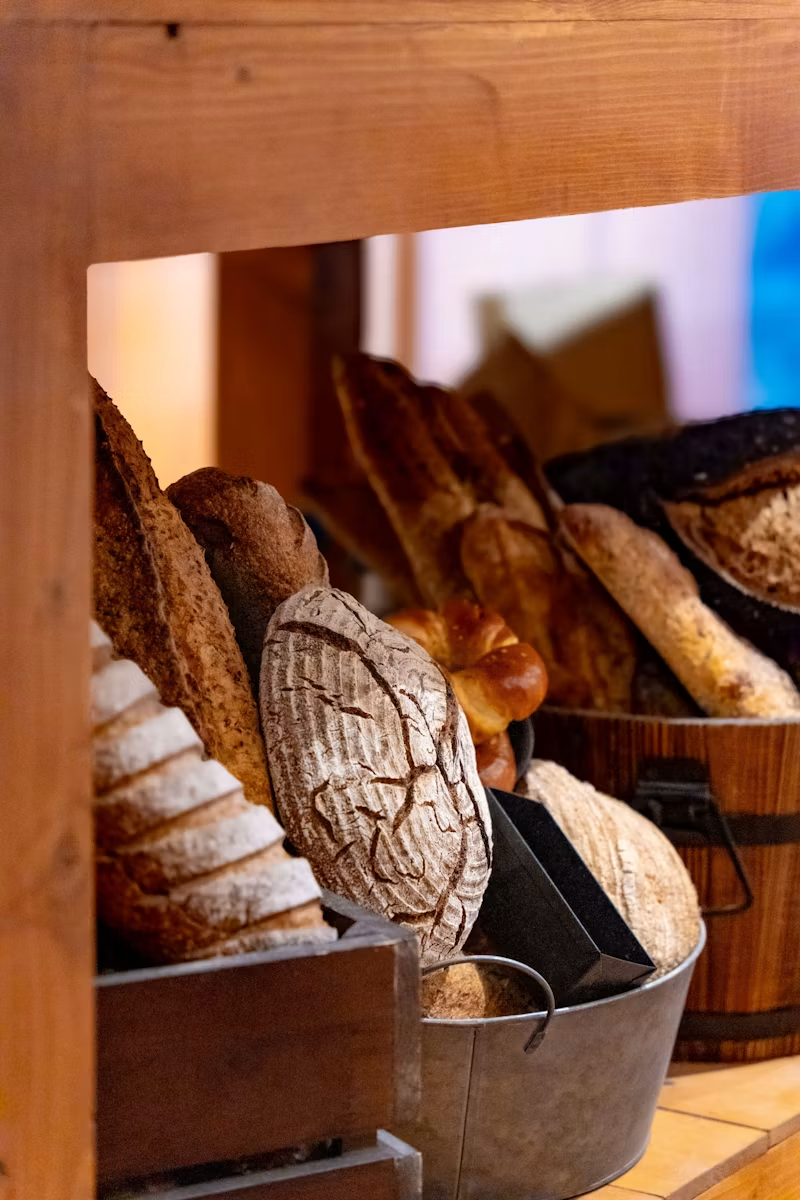
Seoul has one of the world's best café cultures, and that is exactly why it becomes surprisingly expensive.
Many cafés are destinations rather than simply places to buy coffee. People visit because of the architecture, desserts, seasonal menus, rooftop views, interiors, or photo opportunities.
Once you arrive, ordering only an Americano suddenly feels less appealing when there are beautiful cakes, croffles, soufflé pancakes, pudding, cookies, and signature desserts displayed beside the counter.
Many travelers also visit multiple cafés in one day because every neighborhood has completely different aesthetics. Hongdae, Seongsu, Ikseon-dong, Hannam, and Yeonnam all have cafés worth exploring.
Suddenly your travel day includes breakfast, lunch, dinner, plus two cafés and dessert in between.
Instead of visiting every café you see, consider choosing one or two cafés that genuinely excite you. You'll appreciate them more and save room in your budget for other experiences.
Need inspiration? Browse the prettiest dessert cafés in Seoul or discover the latest Korean café packaging trends.
Seoul day-out essentials:
Portable FanShoe Charms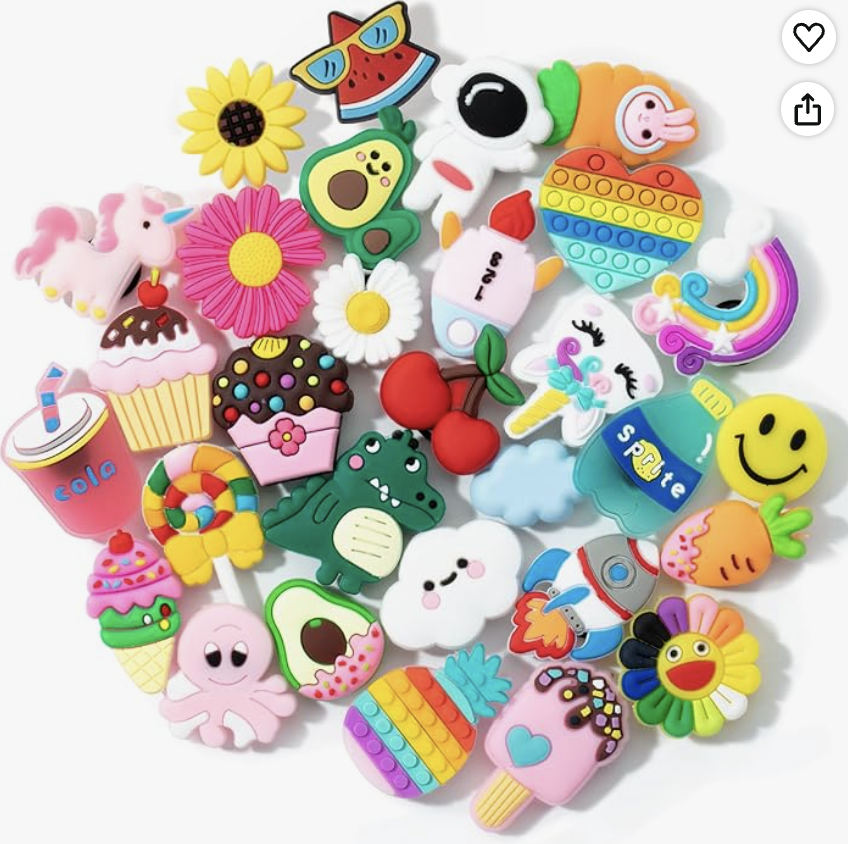
Shop through my Amazon links to check the latest prices and deals ♡ As an Amazon Associate, The Seoul Edit earns from qualifying purchases.
6. Small Purchases Snowball Throughout the Day
♡ The little things usually cost more than the big souvenirs
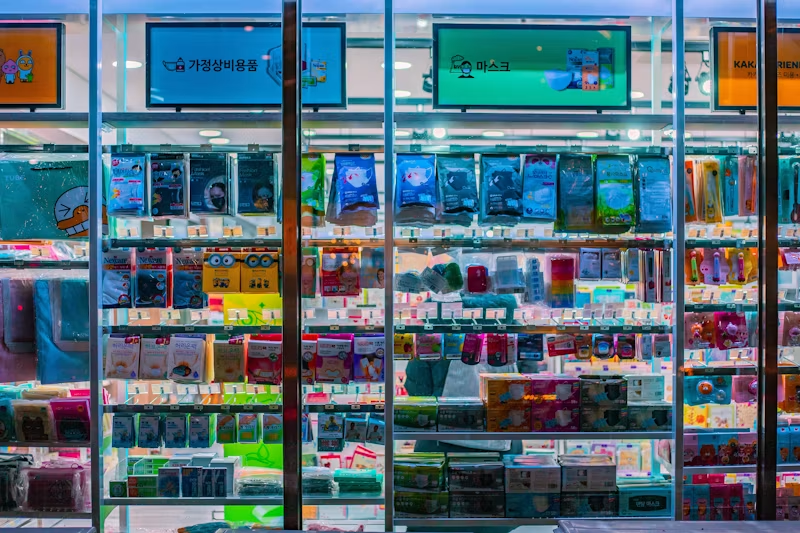
Ask someone how much they spent in Seoul and they will often remember buying skincare, clothes, or cosmetics.
What many people forget are the dozens of tiny purchases made throughout the day.
A bottle of water. A claw machine. A gachapon capsule. Cute stickers. A keychain. A photo booth. A pair of socks. A Daiso basket. A second phone charger. A reusable shopping bag.
None of these purchases seem important when they happen, but together they often become the biggest reason travelers exceed their budgets.
Seoul is full of affordable stores where almost everything looks cute, useful, or uniquely Korean. Daiso, Artbox, Kakao Friends, LINE Friends, popup stores, and local stationery shops are designed to make browsing enjoyable.
One useful habit is carrying cash specifically for impulse shopping. Once that amount is gone, wait until tomorrow before buying anything else. You'll often realize you didn't actually need many of the items.
Budgeting for these small purchases makes your overall spending much more predictable while still letting you enjoy spontaneous discoveries throughout the city.
Seoul day-out essentials:
Waterproof Crossbody BagShoe CharmsShop through my Amazon links to check the latest prices and deals ♡ As an Amazon Associate, The Seoul Edit earns from qualifying purchases.
7. Shopping Districts Make Spending Feel Effortless
♡ In Seoul, shopping is often built directly into the sightseeing experience
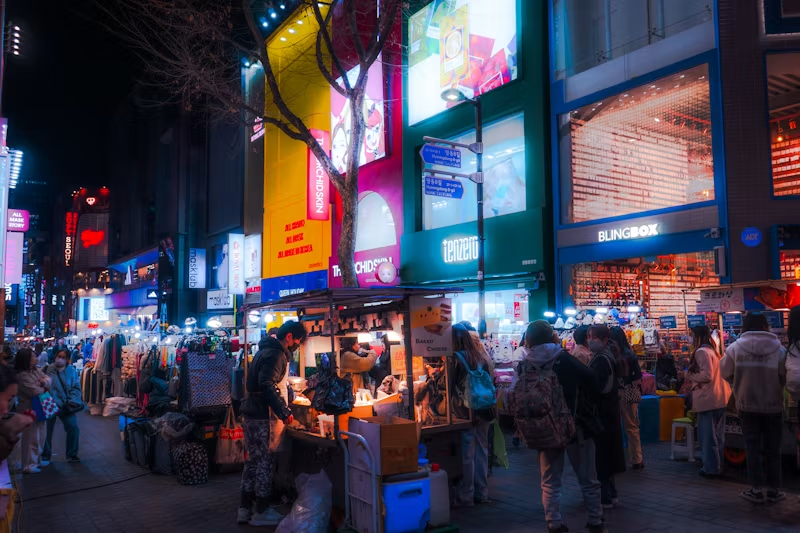
Seoul's most popular neighborhoods are designed to make shopping feel like part of the attraction rather than a separate activity.
In Myeongdong, you can walk from a skincare store to a street-food stall, then into a fashion shop, souvenir store, café, and popup space without ever feeling as though you planned a shopping trip.
Seongsu has concept stores, brand popups, cafés, and limited-edition collaborations. Hongdae mixes street fashion, accessories, beauty, photo booths, character goods, and entertainment. Gangnam and Jamsil add department stores, malls, luxury brands, and large indoor complexes.
This environment makes spending feel natural because there is always another interesting storefront a few steps away.
Limited-time popups are especially effective at encouraging impulse purchases. When something is available for only a few days or weeks, buying it immediately can feel more reasonable than waiting.
Tourist areas also encourage souvenir shopping throughout the day. Instead of buying everything at once, visitors may collect small items from several neighborhoods and only realize the total cost later.
One way to stay in control is to separate browsing days from buying days. Take photos of products you like, compare prices, and return only for the items you still want.
It also helps to decide in advance whether your priority is skincare, fashion, character goods, souvenirs, or food. Trying to shop for everything in one day can quickly become expensive and exhausting.
For a better evening plan after shopping, see the best things to do in Seoul at night.
Seoul day-out essentials:
Foot CushionsWaterproof Crossbody BagShop through my Amazon links to check the latest prices and deals ♡ As an Amazon Associate, The Seoul Edit earns from qualifying purchases.
9. Late-Night Food Is Hard to Resist
♡ Seoul stays active long after dinner, which makes one more meal feel completely normal
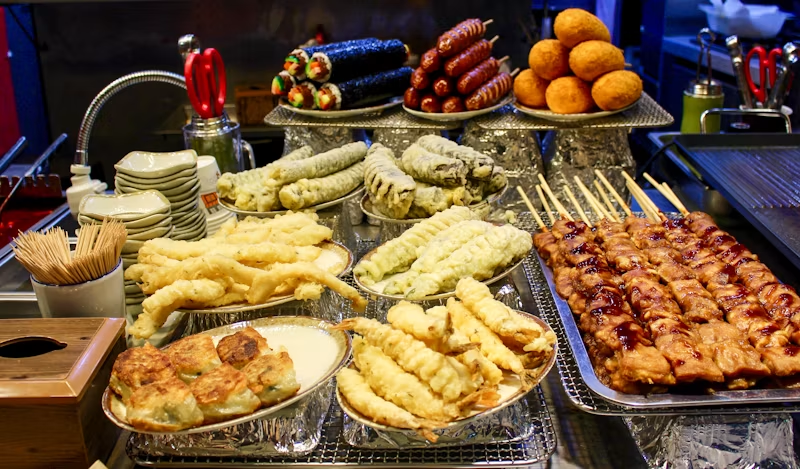
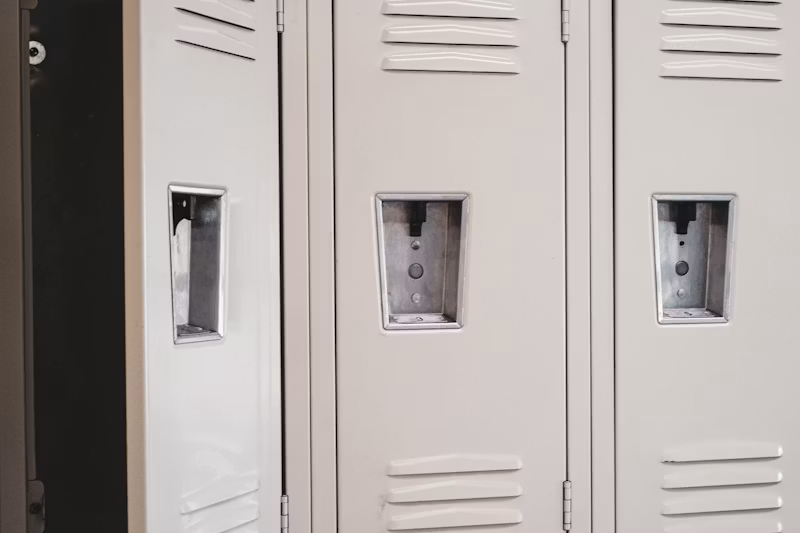
Seoul makes it unusually easy to keep spending after your planned day should already be over.
Restaurants, convenience stores, cafés, bars, delivery apps, street food stalls, and late-night neighborhoods remain active long after dinner.
You might eat a full dinner, then meet friends for drinks, order fried chicken, stop for tteokbokki, and buy convenience-store ice cream on the way home.
Because late-night food is such a natural part of Korean social life, it rarely feels like an unnecessary extra. It feels like part of the experience.
Delivery apps make this even easier. After returning to your hotel or accommodation, you can still order chicken, pizza, noodles, dessert, or snacks without going outside again.
The cost becomes much higher when food is combined with alcohol, delivery charges, minimum-order requirements, or several rounds at different places.
Late-night food can absolutely be worth budgeting for. Some of the best memories in Seoul happen over shared fried chicken, convenience store ramen, or a second meal after exploring the city.
The easiest way to manage the cost is to decide whether a particular evening will be a nightlife night. On quieter days, return earlier and avoid turning every night into another full outing.
For evening inspiration, read the guide to the best things to do in Seoul at night.
Seoul day-out essentials:
Anti-Blister Stick No-Show Socks
Shop through my Amazon links to check the latest prices and deals ♡ As an Amazon Associate, The Seoul Edit earns from qualifying purchases.
10. Sources and Further Reading
For additional information about tourism, transportation, household spending, and daily life in South Korea:
11. FAQ: How Much Does a Day in Seoul Cost?
Is Seoul expensive for tourists?
Seoul can be affordable compared with some major global cities, especially for public transportation and casual Korean meals. However, cafés, shopping, beauty products, taxis, nightlife, and repeated small purchases can make the total daily cost much higher than expected.
How much money should I budget per day in Seoul?
Your budget depends on accommodation, shopping, attractions, and dining style. A careful traveler can spend relatively little on transportation and simple meals, while someone visiting cafés, shopping at Olive Young, taking taxis, and eating late at night may spend several times more.
Why do people spend more than expected in Seoul?
Most overspending comes from many small purchases rather than one large expense. Coffee, convenience-store snacks, photo booths, beauty items, popup stores, transportation, desserts, and late-night food all add up throughout the day.
Is food in Seoul actually cheap?
Some Korean meals can be affordable, especially local dishes, set meals, kimbap, noodles, and convenience-store food. Trendy restaurants, tourist districts, cafés, imported food, delivery, alcohol, and desserts can cost much more.
How much should I bring for a week in Seoul?
Calculate accommodation separately, then build a daily allowance for meals, transportation, cafés, attractions, and shopping. Add an emergency buffer because most travelers spend more on beauty, souvenirs, and spontaneous activities than they originally planned.
Can I visit Seoul on a budget?
Yes. Use public transportation, group nearby neighborhoods together, eat at local restaurants, limit café visits, shop with a list, use free attractions, and set a daily amount for snacks and impulse purchases.
Want More Seoul Travel Guides?
Join the list for Seoul travel tips, Korean culture, cafés, K-beauty recommendations, fashion, food, and local discoveries.
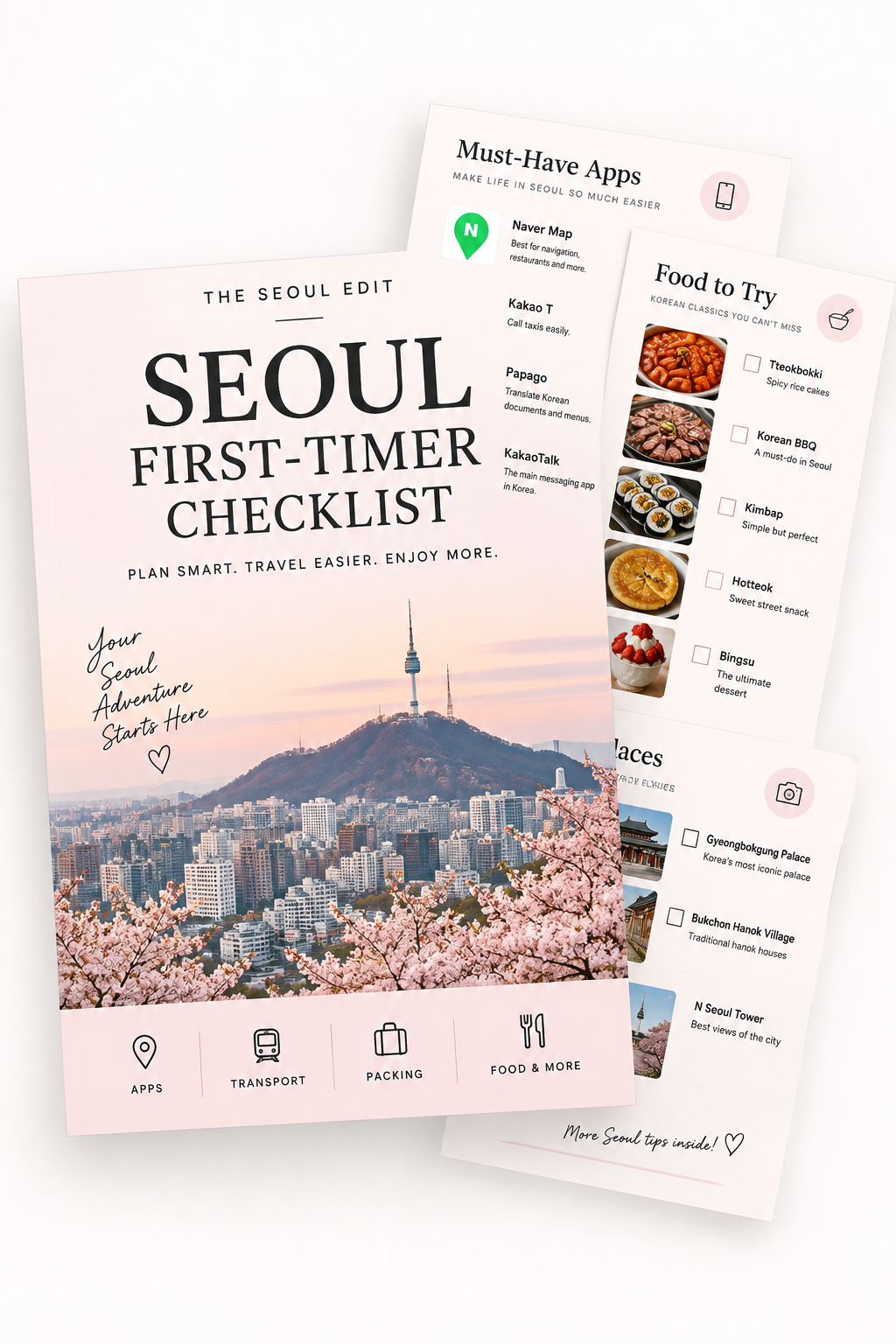
Planning a trip to Seoul?
12. Final Thoughts
Seoul is not automatically an expensive city.
Public transportation is efficient, many attractions are free, and it is still possible to find affordable meals in almost every neighborhood.
What makes Seoul feel expensive is how easy it is to spend throughout the entire day.
Coffee appears on every block. Convenience stores stay open late. Beauty products are constantly on sale. Shopping districts turn sightseeing into browsing. Cafés make dessert feel essential, and late-night food extends the day long after dinner.
None of these experiences are bad purchases. They are often the exact things that make a trip to Seoul memorable.
The key is deciding which experiences matter most to you. You might prefer one beautiful café instead of three average ones, a carefully planned Olive Young list instead of a basket of impulse buys, or one special late-night meal instead of ordering food every evening.
Group nearby neighborhoods together, carry the essentials you might otherwise buy again, and leave room in your budget for spontaneous discoveries.
Seoul becomes much easier to enjoy when you stop asking whether every individual purchase is cheap and start paying attention to how they add up across the whole day.
Before exploring, read where to stay in Seoul and discover why everyone in Korea seems to be rushing somewhere.