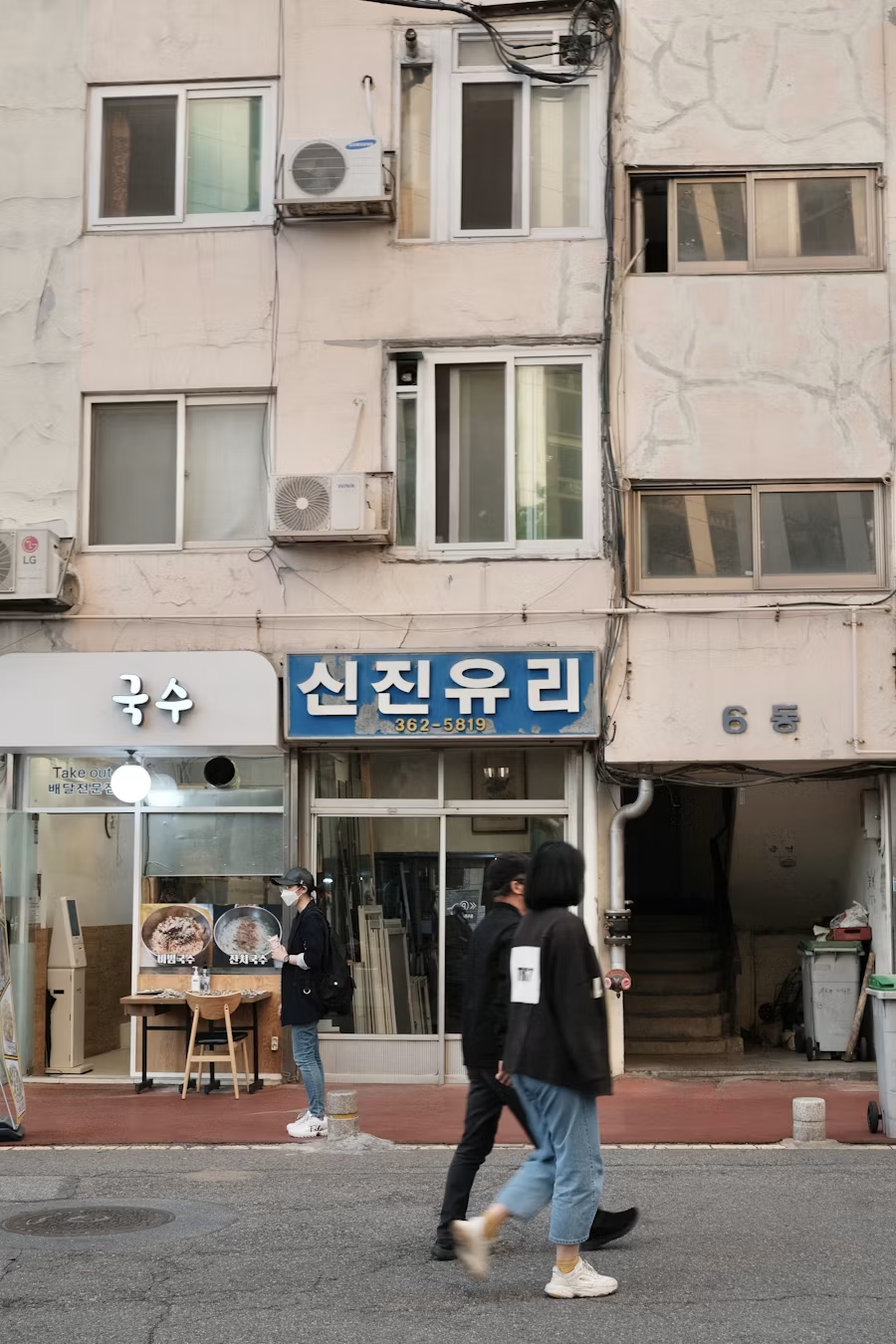
One of the first things visitors notice when traveling through Seoul is the skyline.
Instead of neighborhoods made entirely of individually designed buildings, many residential districts are filled with rows of tall, pale apartment towers. The shapes, colors, windows, and layouts can seem almost identical.
At first, it is easy to assume that Korean cities simply lack architectural variety. But these buildings are the result of a specific combination of history, population growth, limited urban land, government planning, construction efficiency, and changing ideas about what makes a desirable home.
Once you understand how Korean apartment complexes work, the repeated towers stop looking like random copies. They become a visible map of how modern Korea developed.
Planning a trip around these neighborhoods? Start with where to stay in Seoul and check Seoul weather by month before choosing your travel dates.
You might also like:
1. Why Korean Apartments Look So Similar
♡ The repeated towers are the result of efficiency, planning, and scale
When you first travel through Seoul, it can feel as if the same apartment towers appear in every neighborhood. Tall rectangular buildings stand in neat rows, huge numbers are painted on their sides, and entire districts seem to repeat the same basic layout.
This is not an accident. Korean apartment complexes are usually developed as large planned projects instead of one building at a time. Construction companies reuse successful structural systems, floor plans, exterior materials, and building shapes because doing so makes development faster, safer, and more predictable.
Standardized designs also make it easier to organize parking, playgrounds, security facilities, landscaping, roads, and community spaces around hundreds or even thousands of homes. This organized approach is part of what makes many areas featured in a guide to where to stay in Seoul feel so different from low-rise neighborhoods.
The towers may look repetitive, but their locations can create very different lifestyles. A complex near cafés and nightlife may feel completely different from one near parks, schools, or the river. You can see that contrast in this guide to the best things to do in Seoul at night.
Seoul exploring essentials:
Foot Cushions Anti-Blister Stick
Shop through my Amazon links to check the latest prices and deals ♡ As an Amazon Associate, The Seoul Edit earns from qualifying purchases.
2. Korea's Massive Housing Boom Changed Its Cities
♡ Rapid urban growth created an urgent need for enormous amounts of housing
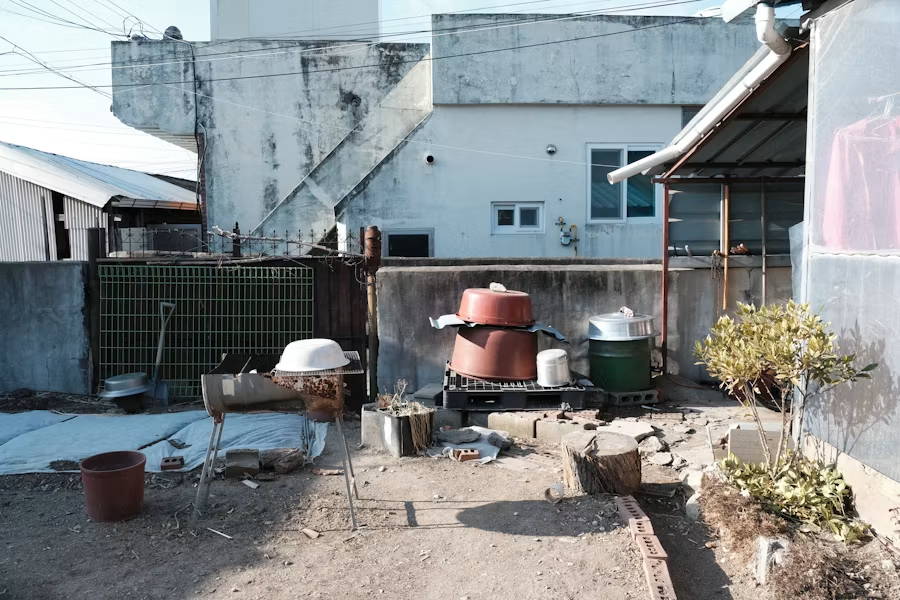
Korea's apartment landscape makes much more sense when you consider how quickly the country urbanized. Large numbers of people moved into Seoul and other cities for work, education, and better access to public services.
Traditional low-rise neighborhoods could not create enough housing quickly enough. High-rise apartment complexes became a practical solution because they placed many households on limited urban land.
Entire districts could also be planned together with schools, roads, subway stations, supermarkets, parks, clinics, and other facilities. What looks repetitive today was once part of a huge effort to house a rapidly growing urban population.
This concentration of housing is one reason visitors can move between extremely dense districts so efficiently. Before exploring, it helps to understand Seoul weather by month because heat, rain, snow, and humidity can completely change how these neighborhoods feel.
During summer, apartment districts are especially affected by Korea's humid monsoon season. This Korea rainy season fashion guide explains how locals prepare for wet commutes and sudden downpours.
Seoul exploring essentials:
Portable Fan Compact Umbrella
Shop through my Amazon links to check the latest prices and deals ♡ As an Amazon Associate, The Seoul Edit earns from qualifying purchases.
3. Why Brands Like Xi, Raemian, Prugio, and Hillstate Matter
♡ In Korea, an apartment's brand can shape how people view the entire complex
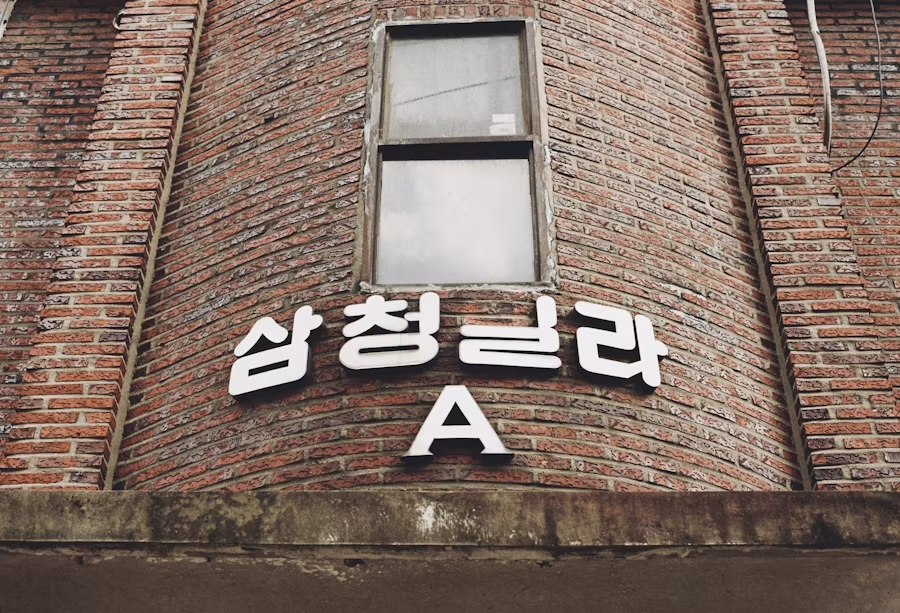
One of the most distinctive parts of Korean housing is that apartment complexes are heavily branded. Names such as Xi, Raemian, Prugio, Hillstate, Lotte Castle, and The Sharp are displayed on entrances and tower façades.
These brands are connected to major construction companies. Buyers may associate them with construction quality, maintenance, amenities, landscaping, security, interior finishes, and resale value.
Two complexes may look nearly identical to a visitor, but Korean residents may immediately see them as different products with different reputations. Developers compete through entrance design, gardens, gyms, lounges, playgrounds, lighting, and community facilities even when the tower shapes remain familiar.
The obsession with recognizable names is not limited to housing. Korean shopping, fashion, beauty, and café culture also place a lot of value on visual identity. You can see a similar focus on presentation in this guide to the best Korean skincare stores in Seoul.
Apartment brands also affect how a neighborhood is discussed online, photographed, and marketed, much like the visual trends covered in how I take aesthetic café photos alone.
Seoul exploring essentials:
Waterproof Crossbody Bag No-Show Socks
Shop through my Amazon links to check the latest prices and deals ♡ As an Amazon Associate, The Seoul Edit earns from qualifying purchases.
4. Why Korean Apartments Are Built in Huge Complexes
♡ The towers are only one part of a complete residential system

A Korean apartment complex is usually much more than a collection of buildings. Many function like small planned neighborhoods with underground parking, controlled entrances, security offices, parcel lockers, playgrounds, walking paths, gardens, fitness rooms, study spaces, and community lounges.
Shops, cafés, academies, clinics, schools, bus stops, and subway stations often develop close to large complexes because so many residents live in one concentrated area.
The repeated arrangement of towers helps planners manage sunlight, roads, pedestrian movement, parking, safety, and shared green space across the entire site.
These self-contained communities are also why Seoul can feel so convenient. Residents may have cafés, convenience stores, gyms, and everyday services only a few minutes from home. For a look at how locals use the city after dark, read this Seoul nightlife and evening guide.
Large complexes also shape shopping behavior because thousands of residents share nearby commercial streets. That is part of the reason Korean café and retail trends can spread so quickly, including the trends featured in Korean café trends.
Seoul exploring essentials:
Portable FanWaterproof Crossbody BagShop through my Amazon links to check the latest prices and deals ♡ As an Amazon Associate, The Seoul Edit earns from qualifying purchases.
5. They May Look Similar Outside, But Not Inside
♡ Renovations, smart-home features, and layouts create very different homes
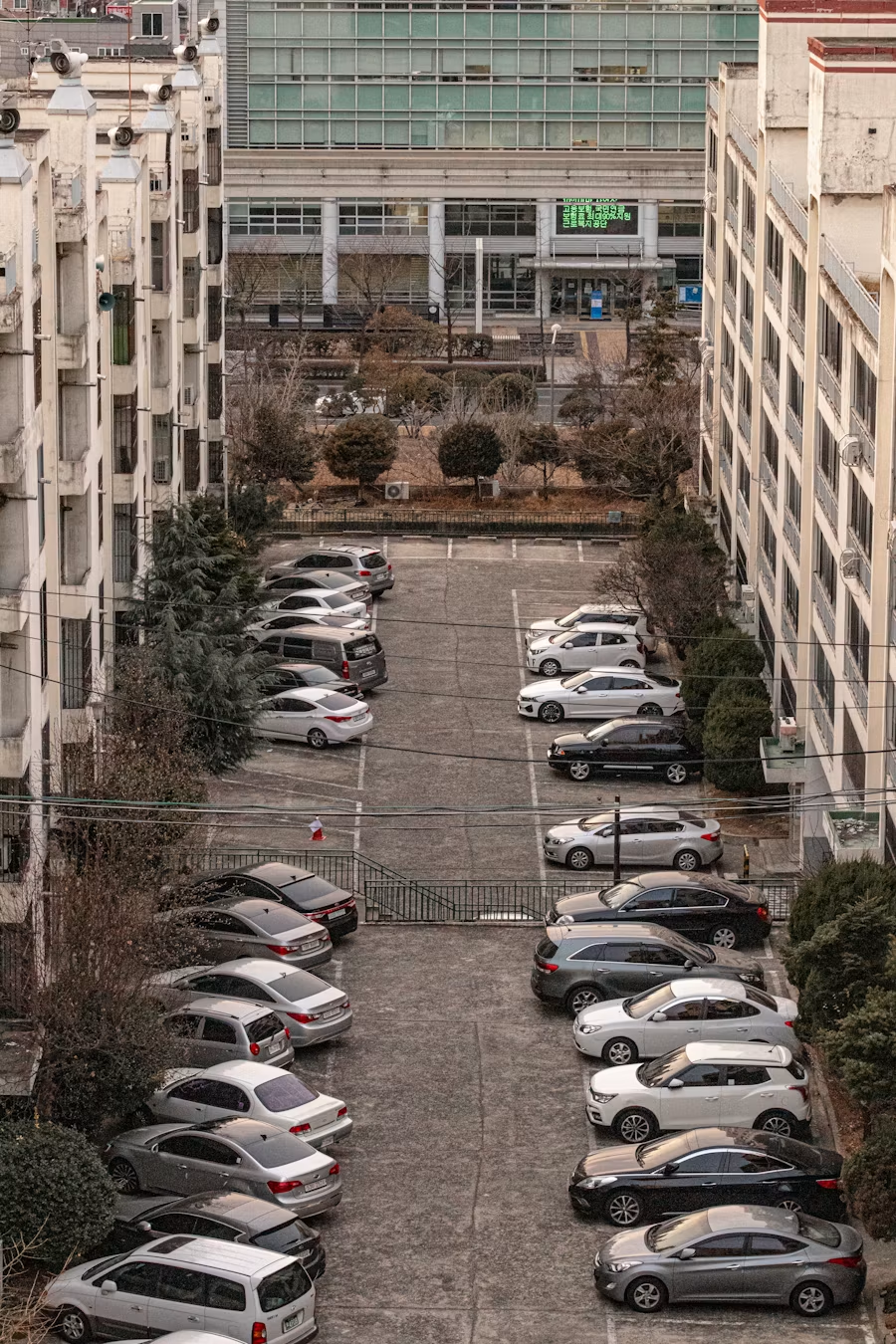
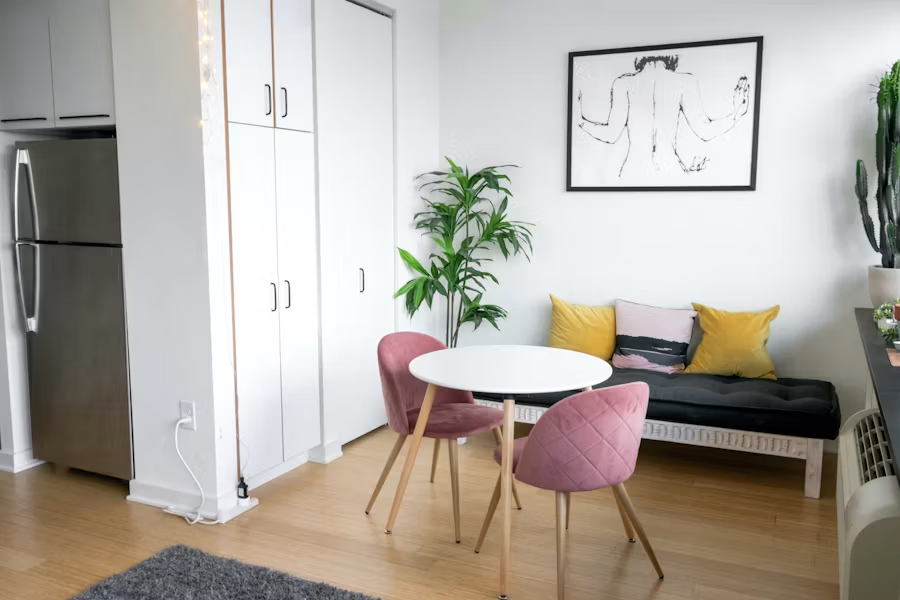
Although apartment towers often appear almost identical from the street, the interiors can be very different. Newer apartments may include bright open living rooms, large windows, heated ondol floors, built-in storage, island kitchens, smart-home controls, and energy-efficient appliances.
Premium complexes may add golf simulators, libraries, cafés, rooftop gardens, fitness centers, package rooms, EV charging, and hotel-style lounges.
Renovation also matters. Two households in the same building can have completely different flooring, kitchens, bathrooms, lighting, and room layouts. For many residents, the interior and the community matter much more than having a unique exterior.
The preference for clean, bright, and carefully styled interiors connects closely with wider Korean lifestyle aesthetics. The same visual sensibility appears in the cafés featured in the prettiest dessert cafés in Seoul.
Storage and organization are especially important in compact urban homes. Visitors interested in Korean lifestyle design may also enjoy this guide to Korean café packaging, where the same attention to neat presentation appears in a completely different setting.
Seoul exploring essentials:
Shoe Charms Compact Umbrella
Shop through my Amazon links to check the latest prices and deals ♡ As an Amazon Associate, The Seoul Edit earns from qualifying purchases.
6. Why So Many Koreans Prefer Apartment Living
♡ Convenience, security, transportation, and maintenance make apartments desirable
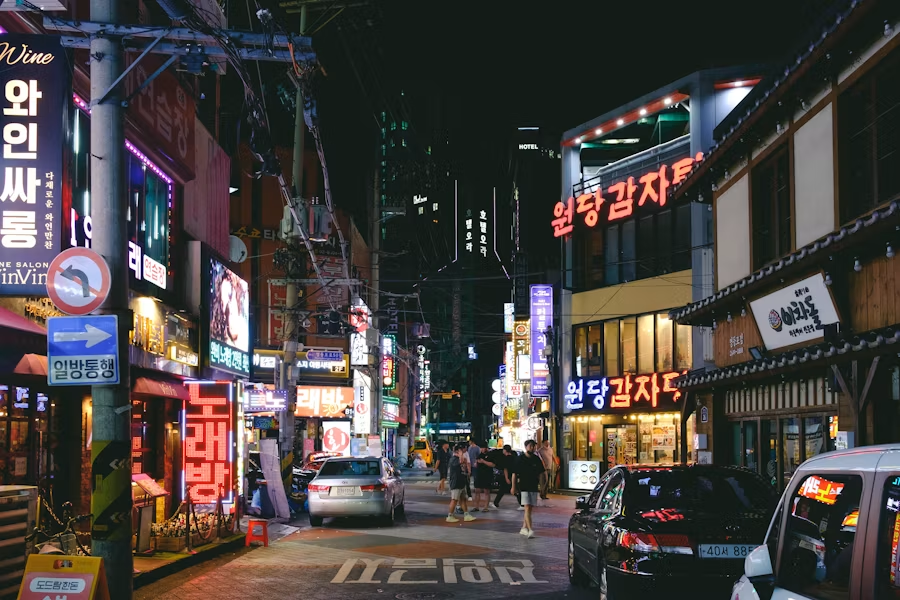
For visitors, apartment districts may seem repetitive. For residents, they can offer one of the most convenient ways to live in Korea.
Complexes are often close to subway stations, bus routes, supermarkets, schools, hospitals, cafés, restaurants, and parks. Many have CCTV, security guards, controlled entry, parcel lockers, and dedicated maintenance staff.
Families value playgrounds and school access. Older residents benefit from elevators and nearby healthcare. Building management handles shared spaces, landscaping, cleaning, and many repairs, making apartment living easier than maintaining a detached home.
Location remains one of the biggest reasons a complex becomes desirable. A home near a subway station can make work, shopping, and café hopping much easier. Travelers choosing a base can compare these same convenience factors in where to stay in Seoul.
Apartment living also makes it easy to participate in Seoul's highly social lifestyle. Residents can quickly reach shopping streets, restaurants, and cultural spaces, including the places featured in the best things to do in Seoul at night.
Seoul exploring essentials:
Foot CushionsNo-Show SocksShop through my Amazon links to check the latest prices and deals ♡ As an Amazon Associate, The Seoul Edit earns from qualifying purchases.
7. Why the Buildings Have Huge Numbers
♡ Building numbers make enormous complexes easier to navigate
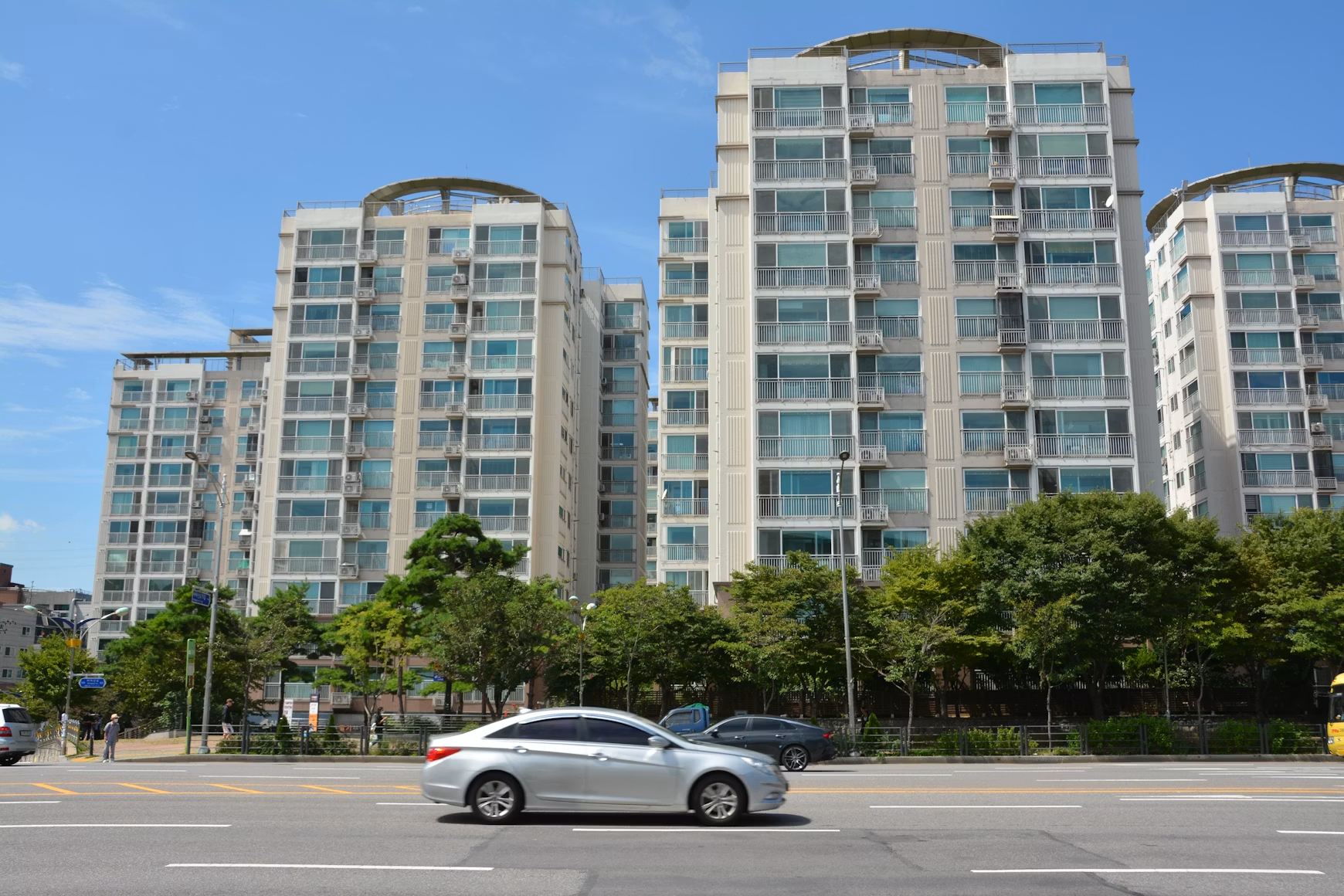
Large numbers painted on apartment towers are one of the first details visitors notice. A single complex can contain many nearly identical buildings, so the numbers help residents, guests, delivery drivers, maintenance workers, and emergency services find the correct tower.
Korean addresses often identify the complex, building number, and unit number. The number on the exterior therefore serves a practical purpose rather than being a decorative design choice.
The orderly numbering system also reflects how apartment complexes are planned as one coordinated development instead of separate, unrelated buildings.
Clear building identification is especially useful for delivery culture, which is a major part of daily life in Korea. Visitors also rely heavily on map apps when moving through large complexes and unfamiliar neighborhoods.
Since navigating Seoul usually involves a lot of walking, it is worth preparing properly. This guide to the summer shoes Korean girls wear in Seoul is useful before long neighborhood walks.
During wet weather, finding the correct tower quickly matters even more. See the best Korean rainy season boots before exploring apartment districts during monsoon season.
Seoul exploring essentials:
Compact UmbrellaAnti-Blister StickShop through my Amazon links to check the latest prices and deals ♡ As an Amazon Associate, The Seoul Edit earns from qualifying purchases.
8. Are Korean Apartments Starting to Change?
♡ Newer developments are becoming more distinctive and environmentally focused
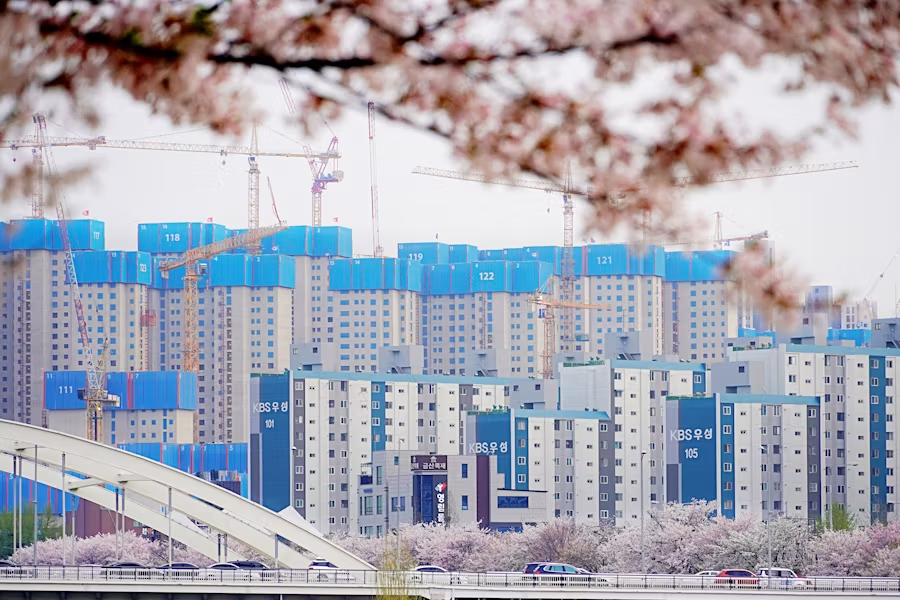
New apartment developments are gradually becoming more visually distinctive. Architects are experimenting with curved façades, larger balconies, rooftop gardens, dramatic entrances, premium landscaping, and smarter building technology.
Sustainability is also becoming more important. New projects may use better insulation, solar systems, efficient heating, rainwater recycling, EV infrastructure, and improved energy management.
Luxury complexes increasingly promote concierge services, wellness facilities, private lounges, and hotel-style common areas. Even so, the core idea remains the same: housing many residents efficiently within a convenient and well-organized community.
These developments are becoming lifestyle destinations rather than simple housing blocks. Their landscaping, lounges, cafés, and photo spots often reflect the same aesthetic culture seen in aesthetic Seoul café photography.
Newer complexes may look more luxurious, but residents still care deeply about transportation, nearby shops, and seasonal comfort. Read Seoul weather by month to understand how the city's seasons affect daily apartment life.
Seoul exploring essentials:
Waterproof Crossbody BagPortable FanShop through my Amazon links to check the latest prices and deals ♡ As an Amazon Associate, The Seoul Edit earns from qualifying purchases.
9. Sources and Further Reading
For additional information about Korean housing, city planning, construction companies, and apartment development:
10. FAQ: Korean Apartments
Why do Korean apartment buildings have large numbers?
The numbers identify individual towers inside large apartment complexes. They help residents, visitors, delivery drivers, maintenance staff, and emergency services find the correct building.
Why are Korean apartments usually white, gray, or beige?
Neutral colors are practical, widely appealing, and easy to apply across very large developments. Newer complexes often add accent colors, patterns, lighting, and logos.
Are Korean apartments small inside?
Sizes vary widely. Korea has compact studios and officetels, but family apartments can include several bedrooms, two bathrooms, balconies, storage spaces, and large living rooms.
Are apartments expensive in Seoul?
Apartments can be extremely expensive in desirable Seoul neighborhoods, especially near strong school districts, subway stations, major business areas, and newer branded developments.
What is the difference between an apartment and an officetel?
Apartments are generally designed as residential family homes. Officetels are mixed-use buildings originally intended for both office and residential use and are often smaller.
Can foreigners rent apartments in South Korea?
Yes. Foreign residents can rent apartments, villas, studios, and officetels, although Korea's large-deposit rental systems can be difficult to navigate without local help.
Want More Korean Culture Guides?
Join the list for Seoul travel tips, Korean culture, cafés, K-beauty recommendations, fashion, food, and local discoveries.
Planning a trip to Seoul?
11. Final Thoughts
Korean apartments may look repetitive from a distance, but their appearance tells an important story about the country's rapid development.
Korea needed to house millions of people moving into growing cities, and large apartment complexes offered an efficient way to create homes, schools, parks, transportation, parking, and public services at the same time.
Their similarities also reflect practical priorities. Standardized towers are easier to build, manage, repair, heat, secure, and connect to shared facilities. Construction companies can reuse successful layouts while changing the branding, landscaping, interiors, amenities, and community design.
To a visitor, one complex may look almost identical to the next. To residents, the differences can be enormous. Brand, school district, subway access, building age, sunlight direction, floor level, parking, security, and community facilities all influence how desirable a home is.
Before exploring these neighborhoods in person, you may also want to read the best shoes for walking around Seoul and the Korean rainy season boots guide.
So the next time you see endless rows of similar towers across Seoul, remember that they are not simply copies. They represent the way modern Korean cities grew and the way millions of people organize everyday life.