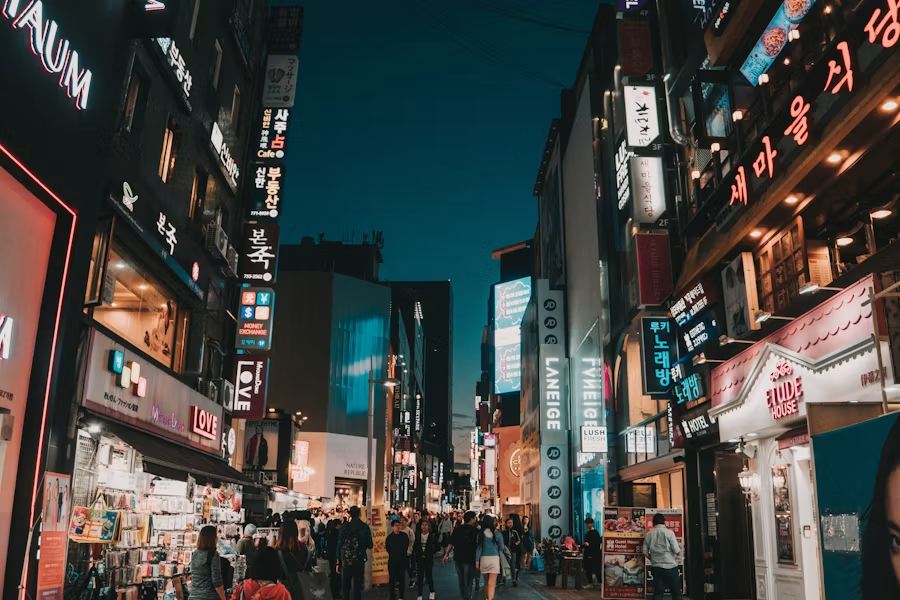
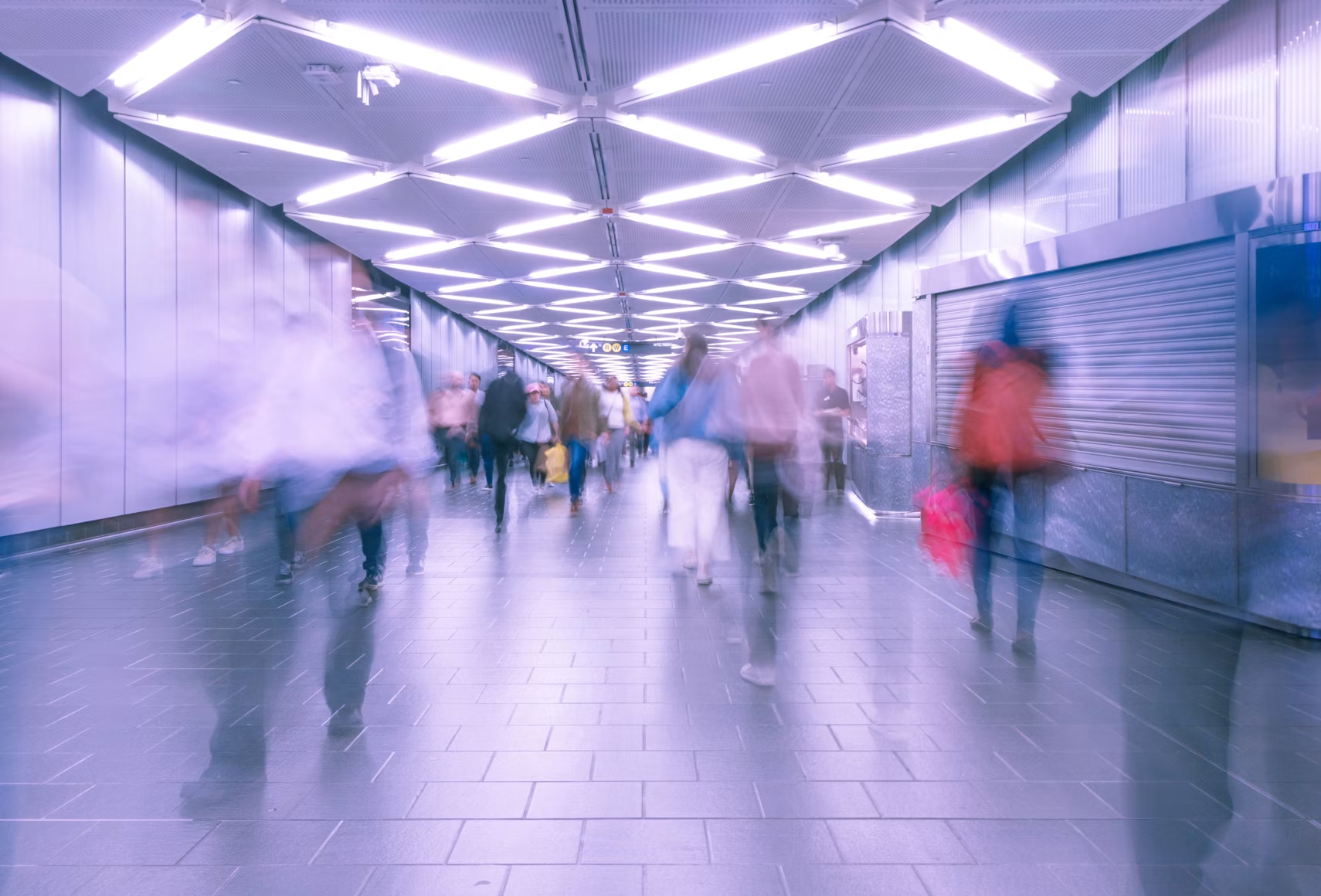
One of the first things visitors notice in Seoul is how quickly everyone seems to move.
People hurry through subway gates, walk rapidly across intersections, order coffee before reaching the counter, and seem to know exactly where they are going. Even a quiet residential street can suddenly fill with delivery riders, commuters, students, and buses moving on precise schedules.
It is easy to interpret this as constant stress or impatience. Those things can be part of the picture, but Korea's fast pace is also a practical response to dense cities, long commutes, highly developed technology, and a strong cultural preference for efficiency.
Once you understand the system, the rushing starts to look less chaotic. Seoul moves quickly, but it often moves with a clear rhythm.
Planning your first visit? Read where to stay in Seoul and check Seoul weather by month before choosing your dates.
1. Korea's Famous Ppalli-Ppalli Culture
♡ The idea of doing things quickly became part of modern Korean life
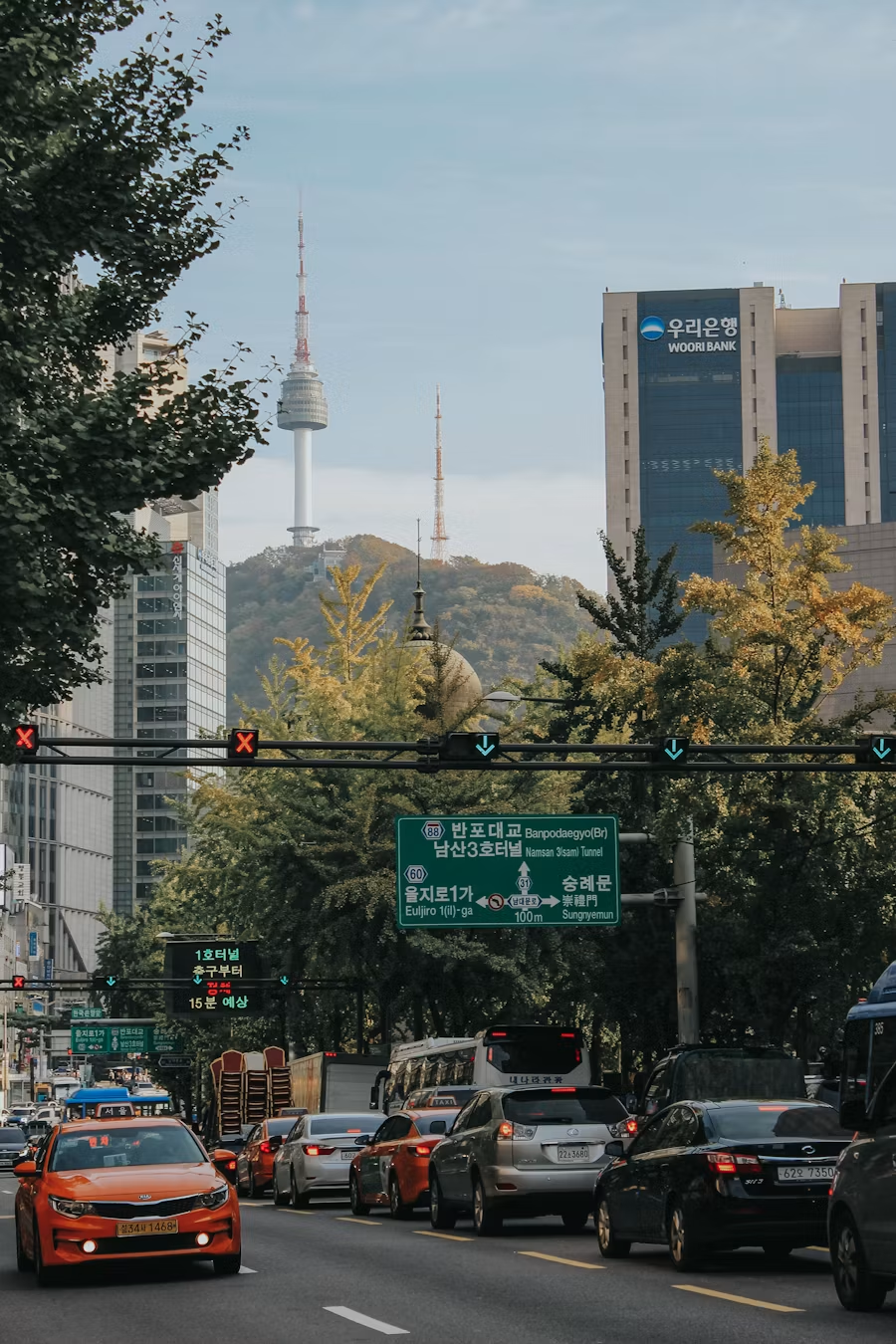
One of the first Korean expressions many visitors learn is ppalli-ppalli, meaning “quickly, quickly.” It is often used jokingly, but it describes something real about the pace of everyday life in Korea.
Speed is often treated as a form of competence. A fast reply, a quick delivery, an efficient commute, and a rapidly completed task can all signal that someone is organized and considerate of other people's time.
This does not mean every Korean is impatient. It means many systems are designed around the expectation that things should move smoothly and without unnecessary delay.
Visitors notice this immediately when ordering food, transferring between subway lines, or watching people cross a wide intersection before the light changes.
To understand the city before visiting, start with this guide to where to stay in Seoul. Different neighborhoods have completely different rhythms.
Seoul walking essentials:
Foot Cushions Anti-Blister Stick
Shop through my Amazon links to check the latest prices and deals ♡ As an Amazon Associate, The Seoul Edit earns from qualifying purchases.
2. Why People Walk So Fast in Seoul
♡ Dense neighborhoods and tightly timed journeys reward efficient movement
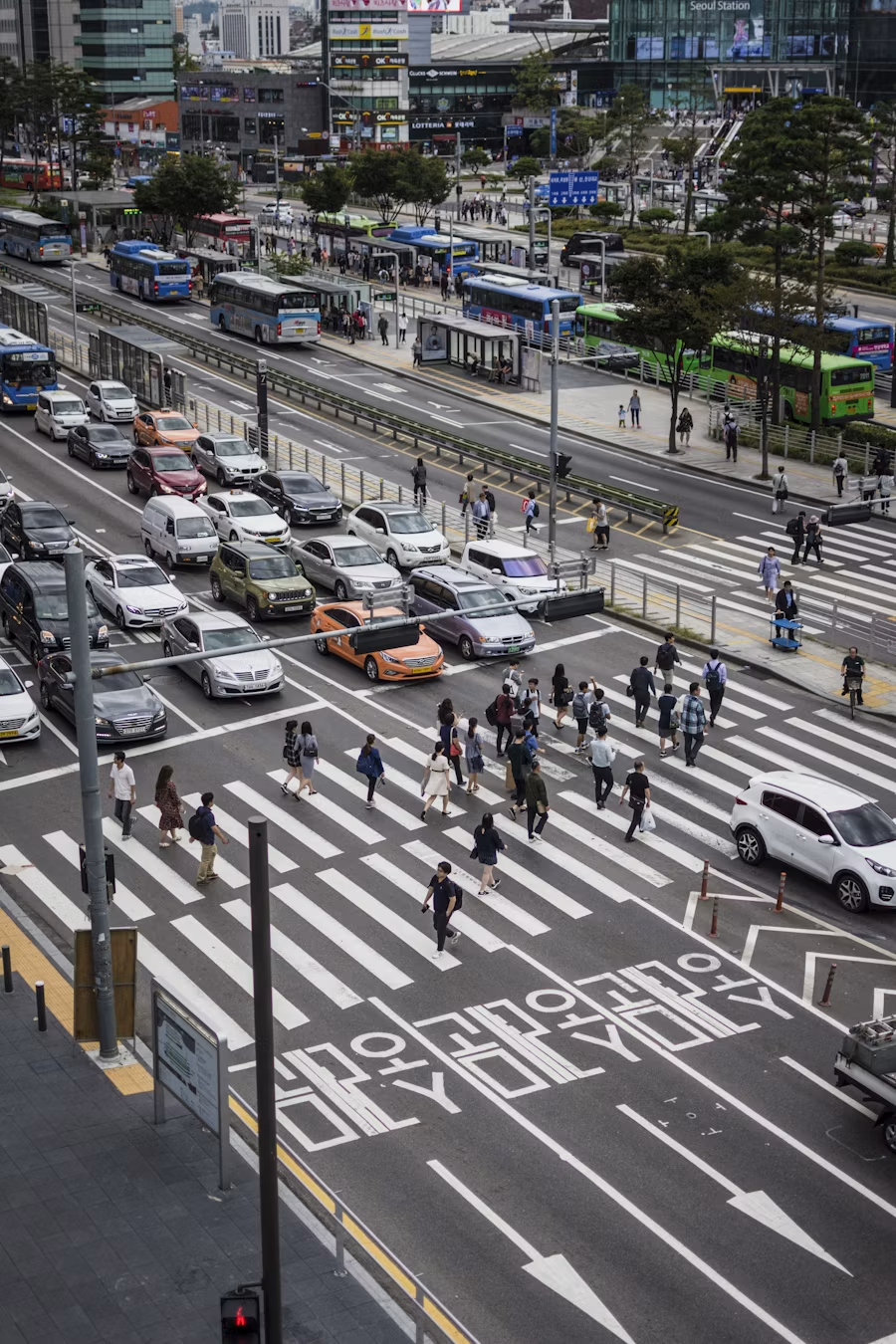
Seoul is a city where a normal journey may include a walk to the bus, a subway transfer, another long station corridor, and a final walk to work or school. Saving a minute at each stage can make the difference between arriving early and missing a connection.
People also learn to move around one another efficiently. On crowded sidewalks, hesitation can block the flow behind you, especially near office districts, universities, and major stations.
Fast walking is therefore not always a sign of stress. For many residents, it is simply the default way to move through a dense city.
Visitors may feel rushed at first, but the pattern becomes easier once they learn to stand to the side when checking a map and avoid stopping suddenly in the middle of a station.
Comfortable footwear matters more than many travelers expect. See the summer shoes Korean girls wear around Seoul before planning long walking days.
Seoul walking essentials:
No-Show Socks Foot Cushions
Shop through my Amazon links to check the latest prices and deals ♡ As an Amazon Associate, The Seoul Edit earns from qualifying purchases.
3. Seoul's Subway Trains Everyday Life Around the Clock
♡ Transfers, arrival boards, and packed platforms create a constant sense of urgency
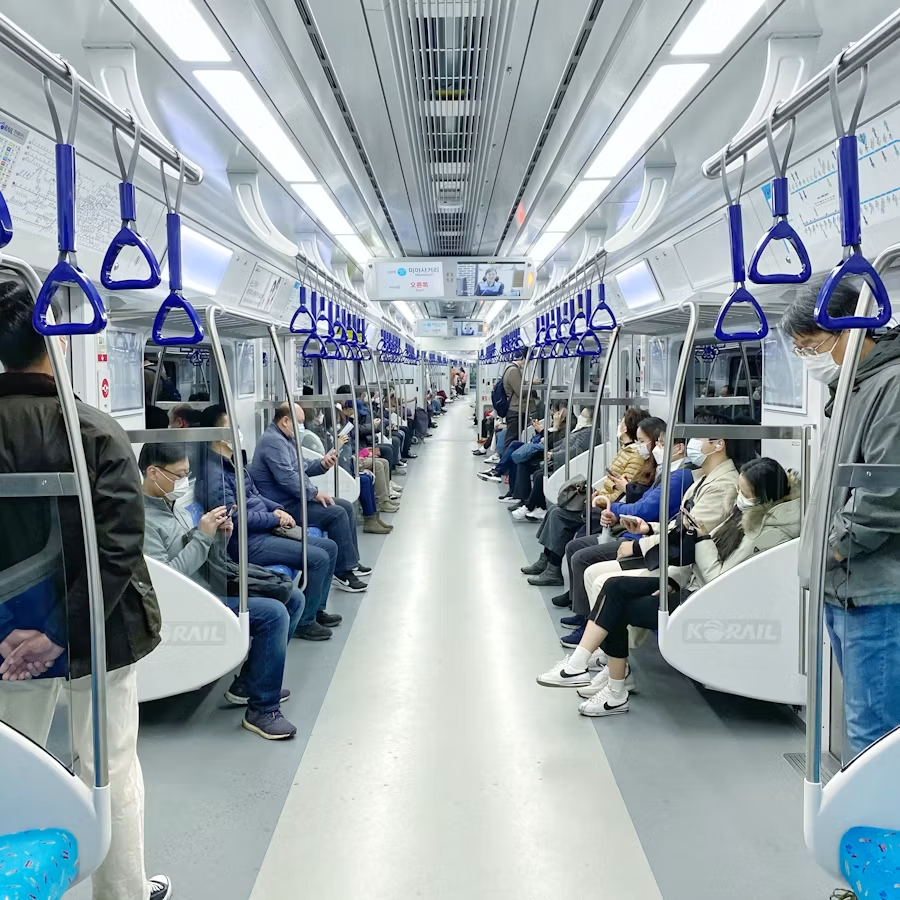
Seoul's public transportation is efficient, but it also teaches people to think in minutes. Digital boards show exactly when the next train will arrive, apps calculate the fastest route, and transfer times can be surprisingly precise.
During rush hour, commuters know which train car stops closest to the escalator and which station exit leads directly to their destination. Small choices save time when repeated every day.
The result is a crowd that can look intensely hurried even when most people are simply following routines they know well.
Subway stations also contain shops, cafés, lockers, cosmetics stores, and convenience services, allowing people to complete errands while moving between destinations.
Late travel feels different from the morning commute. This guide to the best things to do in Seoul at night shows how the city changes after office hours.
Seoul walking essentials:
Waterproof Crossbody Bag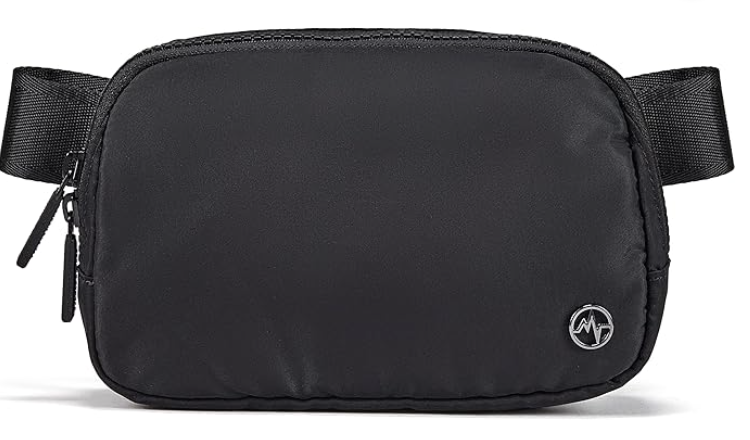 Portable Fan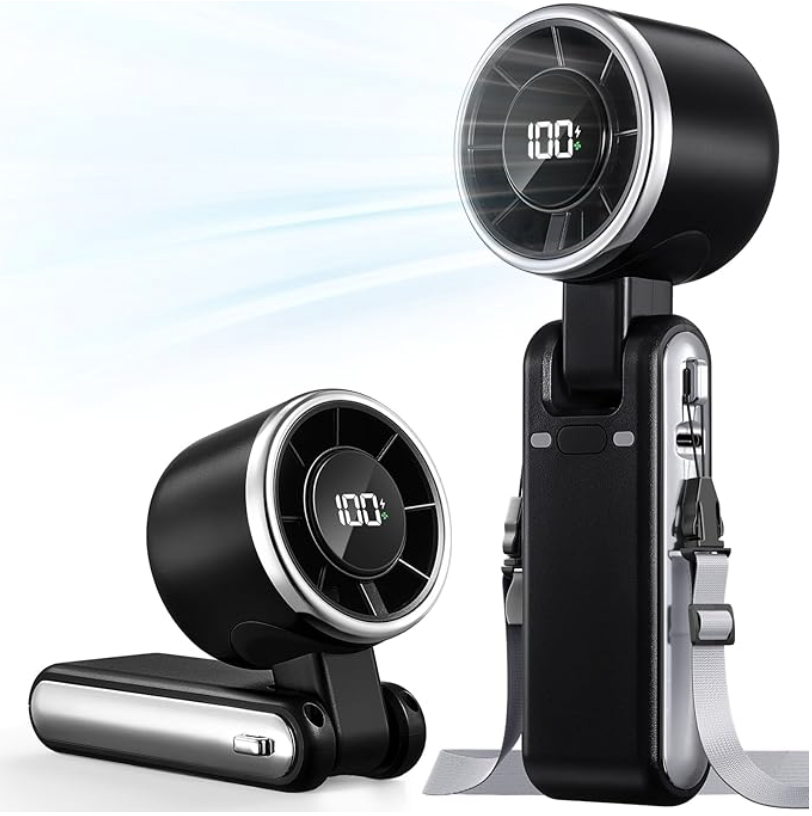
Shop through my Amazon links to check the latest prices and deals ♡ As an Amazon Associate, The Seoul Edit earns from qualifying purchases.
4. Work and School Schedules Make Time Feel Valuable
♡ Long days and competitive environments can make free time feel limited
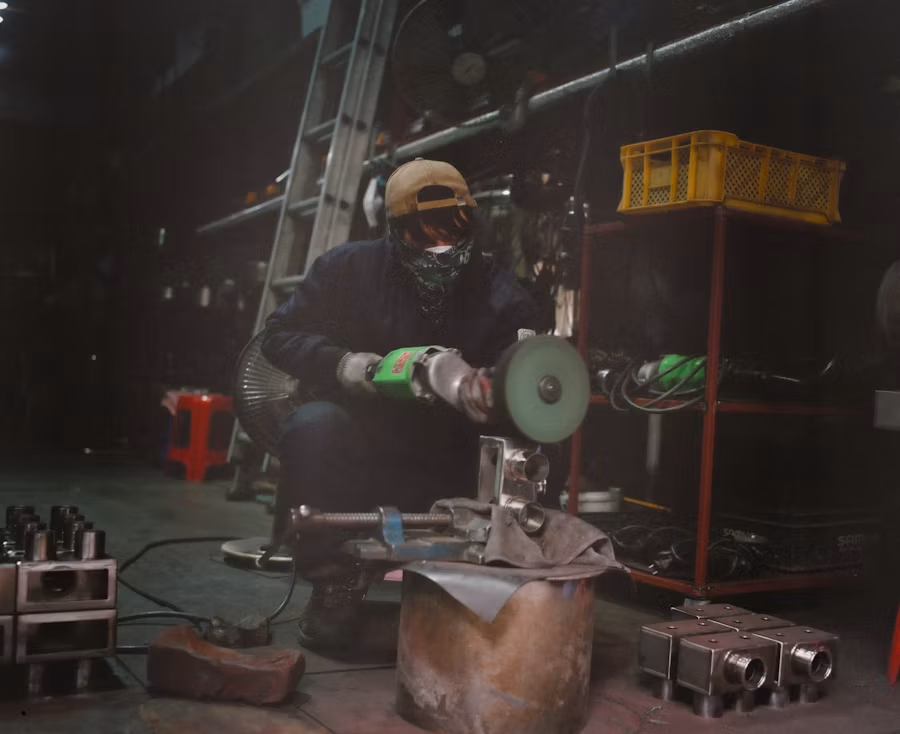
Korea's fast pace is closely connected to work and education. Employees may have tightly scheduled meetings, deadlines, commutes, and after-work obligations. Students often move between school, academies, libraries, and study cafés.
When a day already feels full, people become highly aware of wasted time. Waiting for a slow elevator, missing a train, or standing in an inefficient line can feel more frustrating than it would in a less scheduled environment.
Technology reinforces this rhythm. Workplace messaging, mobile payments, reservations, and delivery apps make immediate action possible, so people begin to expect it.
This pressure is real, but it is not the whole story. Korea also has slow spaces, including neighborhood parks, traditional markets, riverside paths, quiet cafés, and mountain trails.
Many workers unwind in cafés, which is part of why Seoul's café scene is so developed. See the prettiest dessert cafés in Seoul for places where the pace feels softer.
Seoul walking essentials:
Portable FanCompact Umbrella
Shop through my Amazon links to check the latest prices and deals ♡ As an Amazon Associate, The Seoul Edit earns from qualifying purchases.
5. Korea's Delivery Culture Makes Fast Service Feel Normal
♡ Food, packages, groceries, and everyday items can arrive remarkably quickly
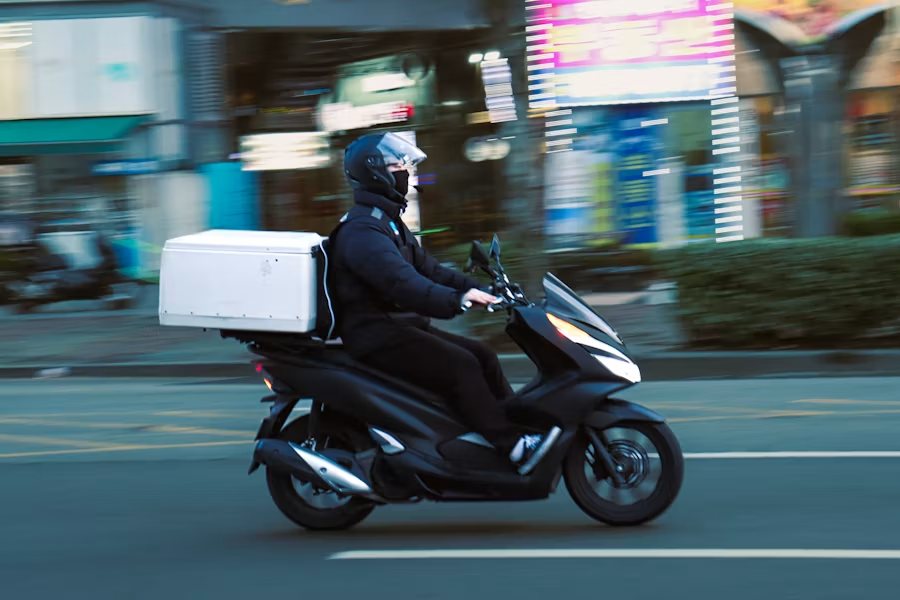
Korea's delivery infrastructure is one of the clearest examples of speed becoming an everyday expectation. Meals, groceries, cosmetics, household supplies, and online orders can often arrive faster than visitors expect.
Dense apartment neighborhoods make delivery routes efficient because many customers live close together. Clear building numbers, mobile access systems, parcel rooms, and detailed map apps also reduce delay.
Once people become used to rapid service, slower systems stand out. That expectation spreads beyond delivery into customer support, restaurant service, booking platforms, and online shopping.
Fast delivery is convenient, but it depends on workers navigating traffic, weather, building entrances, and strict timelines. The speed visitors experience is supported by a large amount of invisible labor.
Rain changes the entire process. Read what Korean girls wear during rainy season to see how locals prepare for wet commutes.
Seoul walking essentials:
Compact UmbrellaWaterproof Crossbody BagShop through my Amazon links to check the latest prices and deals ♡ As an Amazon Associate, The Seoul Edit earns from qualifying purchases.
6. Long Commutes Encourage People to Optimize Every Minute
♡ Many residents cross large parts of the city every morning and evening
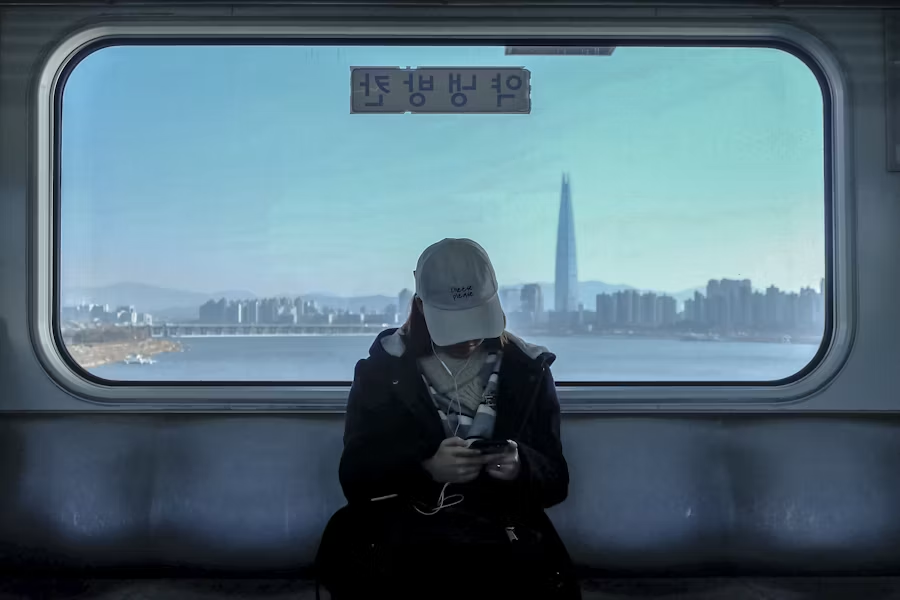
Seoul is enormous. Someone may live in one district, work in another, meet friends somewhere else, and travel home using several forms of transportation.
Commuters learn the quickest station exits, the least crowded train cars, the fastest transfer corridors, and the exact bus stop that reduces walking time.
This creates a city full of people who appear to be rushing with intense purpose. Often, they are simply protecting the small amount of personal time left after a long journey.
Efficient commuting also explains the popularity of convenience stores, takeaway coffee, mobile ordering, and compact meals that can fit into a busy schedule.
Choosing the right district can reduce travel time dramatically. Compare neighborhoods in where to stay in Seoul.
Seoul walking essentials:
Anti-Blister StickNo-Show SocksShop through my Amazon links to check the latest prices and deals ♡ As an Amazon Associate, The Seoul Edit earns from qualifying purchases.
7. Seoul Sidewalk Etiquette Is Built Around Flow
♡ Knowing where to stand can make the city feel much less overwhelming
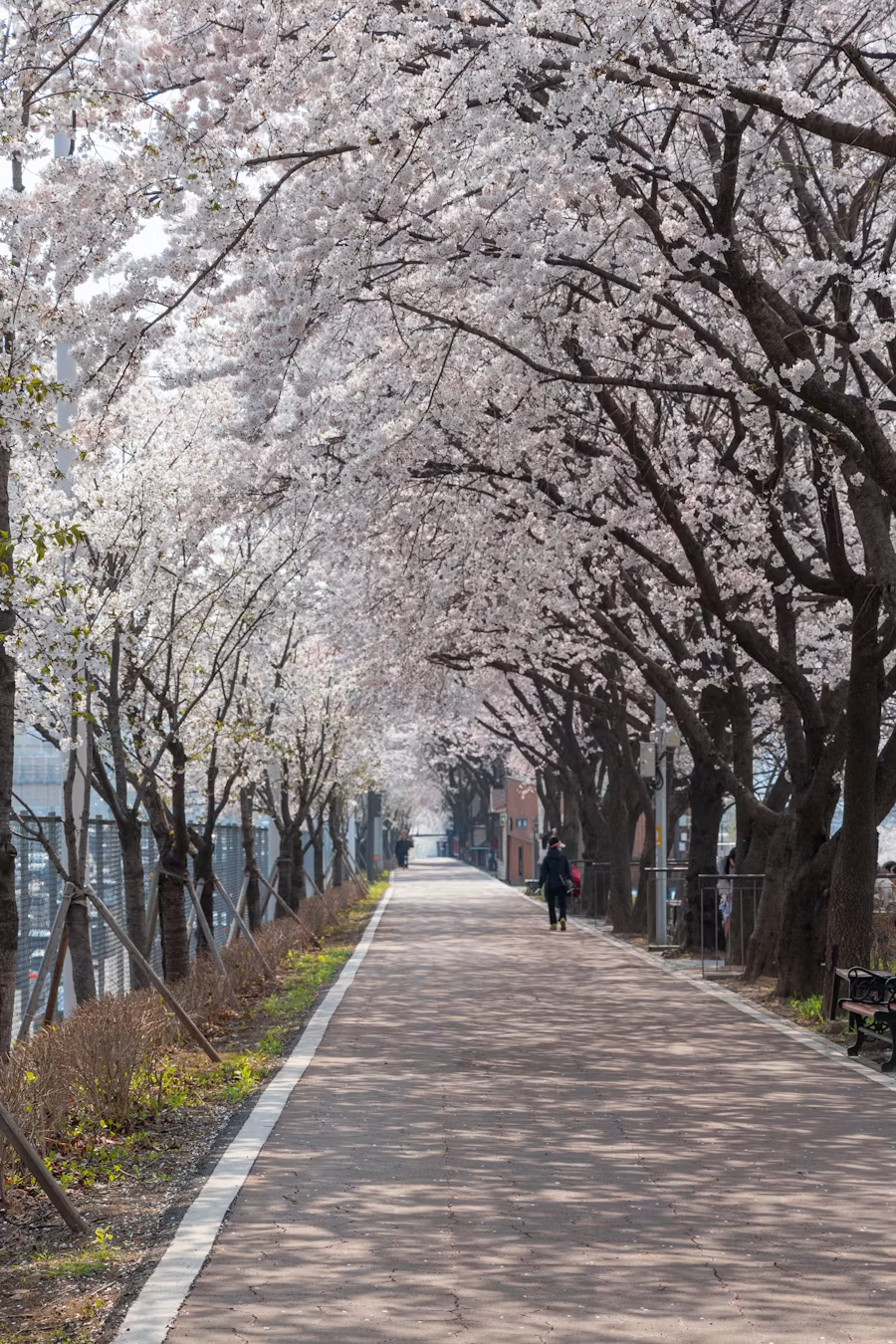
Crowded Seoul sidewalks function best when everyone keeps moving. People usually expect others to check their phones near the edge, leave station entrances clear, and avoid blocking escalators or narrow corridors.
The rules are not always written, but residents learn them through repetition. Visitors who stop suddenly for a photo may receive annoyed looks, not because taking photos is wrong, but because the location interrupts the flow.
A simple habit helps: move to the side before checking directions, deciding where to eat, or reorganizing a bag.
Once you follow the movement of the crowd, Seoul can feel organized rather than chaotic. The speed has a pattern.
For easier street photography without blocking anyone, read how I take aesthetic café photos alone.
Seoul walking essentials:
Shoe Charms Waterproof Crossbody Bag
Shop through my Amazon links to check the latest prices and deals ♡ As an Amazon Associate, The Seoul Edit earns from qualifying purchases.
8. Seoul Still Feels Busy Late at Night
♡ Restaurants, cafés, study rooms, and entertainment districts extend the day
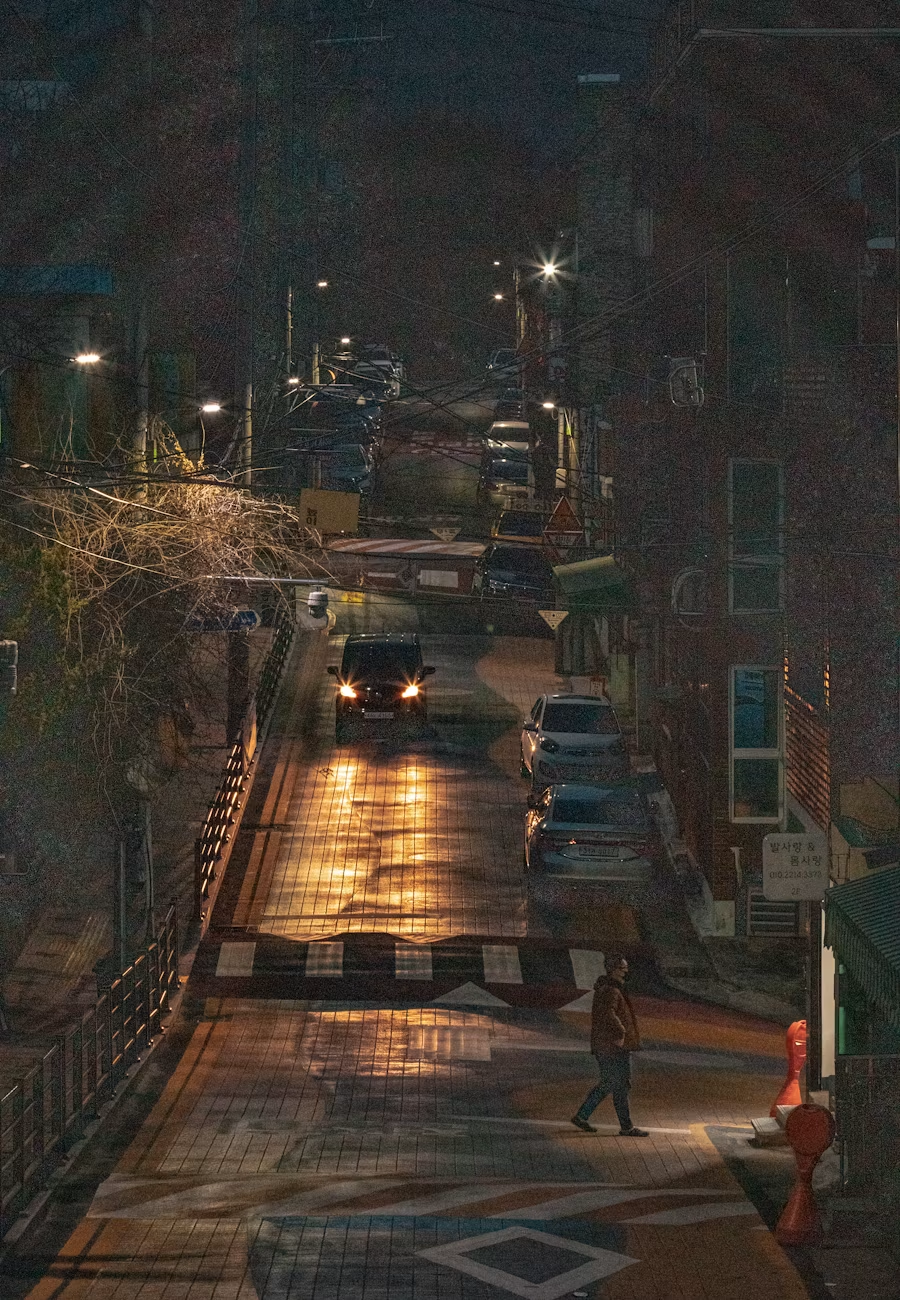
In many cities, the pace slows sharply after dinner. Seoul often stays active much later. Restaurants serve late meals, cafés remain open, study rooms operate through the night, and entertainment districts fill with people after work.
This creates the impression that everyone is always going somewhere. Morning commuters are replaced by students, shoppers, diners, delivery riders, and groups moving between nightlife venues.
Late-night activity also makes the city convenient. People can eat, shop, study, meet friends, and complete errands at hours that would be unusual elsewhere.
The downside is that the day can feel endless. When there is always somewhere else to go, slowing down may require a deliberate choice.
Plan an evening with this Seoul at night guide.
Seoul walking essentials:
Portable FanCompact UmbrellaShop through my Amazon links to check the latest prices and deals ♡ As an Amazon Associate, The Seoul Edit earns from qualifying purchases.
9. Even Cafés Can Feel Productive
♡ Korean café culture often combines relaxation with studying, working, and planning
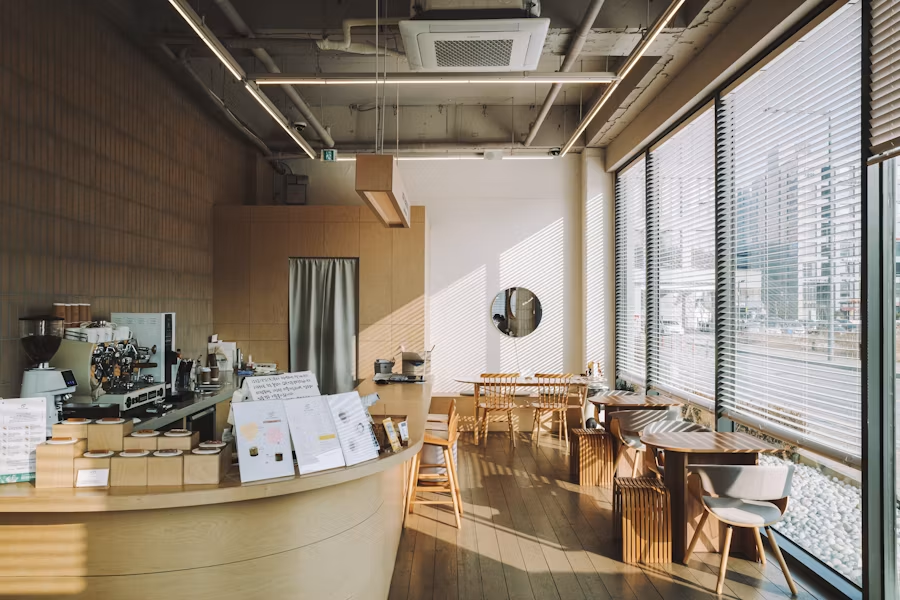
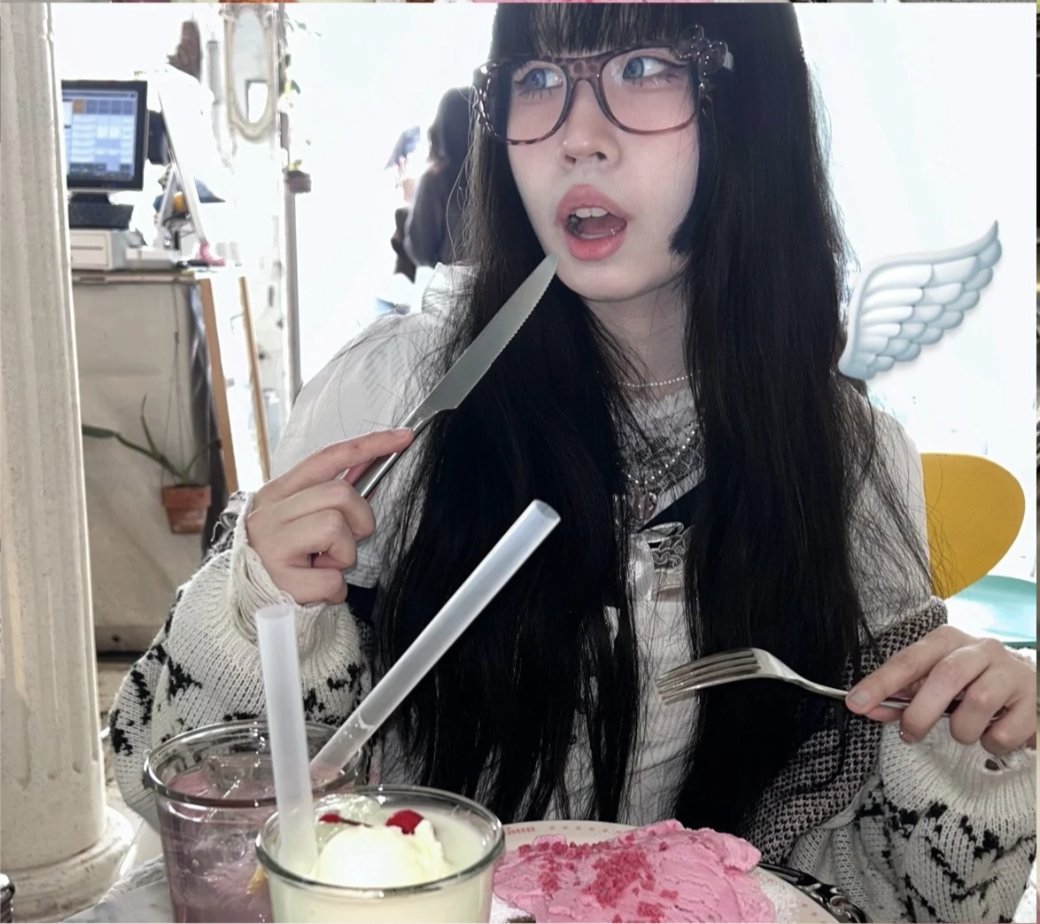
Korean cafés are beautiful social spaces, but many are also places to study, work, organize schedules, and finish tasks between appointments.
Laptops, tablets, chargers, notebooks, and headphones are common. People may spend hours working quietly beside friends who are doing the same.
This reflects a broader cultural habit of using small pockets of time efficiently. A café visit can be relaxing and productive at once.
Of course, not every café feels serious. Seoul also has themed cafés, dessert cafés, neighborhood coffee shops, and visually playful spaces designed mainly for enjoyment.
Explore that side of the city through Korean café trends and Korean café packaging.
Seoul walking essentials:
Compact UmbrellaShoe CharmsShop through my Amazon links to check the latest prices and deals ♡ As an Amazon Associate, The Seoul Edit earns from qualifying purchases.
10. Sources and Further Reading
For additional information about Korean society, transportation, work patterns, tourism, and daily life:
11. FAQ: Korea's Fast-Paced Lifestyle
Why do Koreans walk so fast?
Seoul is dense, commutes often include several transfers, and people are used to moving efficiently through crowded stations and sidewalks. Fast walking is often a practical habit rather than a sign of anger.
What does ppalli-ppalli mean?
Ppalli means quickly in Korean. The repeated phrase ppalli-ppalli describes Korea's strong cultural preference for speed, efficiency, and fast service.
Is everyone in Korea actually stressed?
No. Korea has real work and education pressure, but fast movement does not automatically mean someone is stressed. Many people simply follow efficient routines in a busy city.
Is Seoul difficult for slow walkers?
Not necessarily. Stay to the side in crowded areas, avoid stopping suddenly, and allow extra time for large subway transfers. Parks, riverside paths, and residential neighborhoods offer a slower pace.
Why is delivery so fast in Korea?
Dense neighborhoods, advanced logistics, widespread mobile ordering, detailed addressing, and strong competition make rapid delivery possible.
Does Seoul ever slow down?
Yes. Visit parks, mountain trails, palaces, riverside areas, traditional neighborhoods, and quiet cafés. Seoul contains both extremely fast and surprisingly peaceful spaces.
Want More Korean Culture Guides?
Join the list for Seoul travel tips, Korean culture, cafés, K-beauty recommendations, fashion, food, and local discoveries.
Planning a trip to Seoul?
12. Final Thoughts
Korea's fast pace can feel overwhelming when you first arrive. People walk quickly, trains run on precise schedules, delivery arrives almost immediately, and the city remains active long after dinner.
But the rushing is not simply a national personality trait. It is the result of dense urban life, rapid development, long commutes, competitive schedules, advanced technology, and systems designed to reduce waiting.
Speed can make daily life remarkably convenient. It can also make rest feel difficult, which is why many Koreans deliberately seek slower moments in cafés, parks, riverside paths, mountains, and weekend trips.
As a visitor, you do not need to match the city's pace perfectly. Move to the side when checking directions, give yourself extra time for transfers, wear comfortable shoes, and let the crowd flow around you.
Before exploring, read the best shoes for walking around Seoul and the Korean rainy season boots guide.
Once you understand the rhythm, Seoul stops feeling like a city where everyone is randomly rushing. It feels like a city where millions of people have learned how to keep moving together.