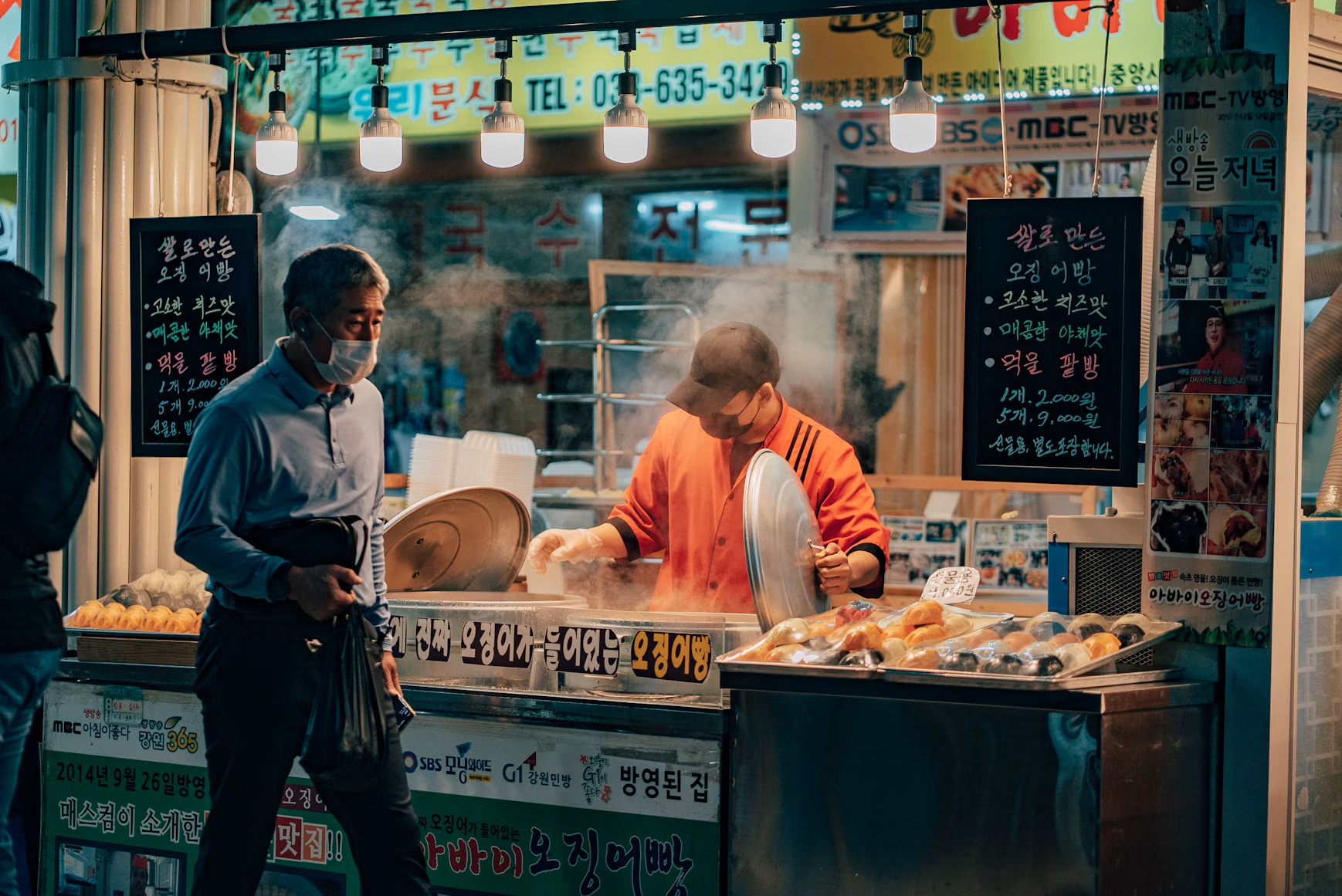
There is something especially satisfying about eating in Seoul during winter. You might be walking through a freezing shopping street when the smell of fresh hotteok catches your attention, or stepping into a small restaurant for a bowl of soup after spending the afternoon outside.
Korean winter food is not just one type of cuisine. It includes seasonal street snacks, hearty everyday meals and dishes connected to traditional celebrations. Some are sweet and portable, while others are best enjoyed sitting around a bubbling pot with friends.
This guide covers 18 foods worth knowing, including what each dish tastes like, where to look for it and practical tips before ordering. Not every dish is exclusive to winter; several are year-round favorites that become especially comforting when the temperature drops.
Before You Start Eating: A Quick Winter Food Guide
For a casual food crawl, start with one or two street snacks rather than trying to eat everything at once. Bungeoppang, hotteok and roasted sweet potatoes are good options for something sweet. Eomuk and tteokbokki make a savory stop, while a soup or stew works better for a full meal.
Street-food availability can be seasonal and unpredictable. Some vendors accept cards or mobile payments, while others may prefer cash. Check prices before ordering and be mindful of very hot fillings, broth and metal serving bowls.
1. Bungeoppang (붕어빵)
Fish-shaped pastries with sweet fillings
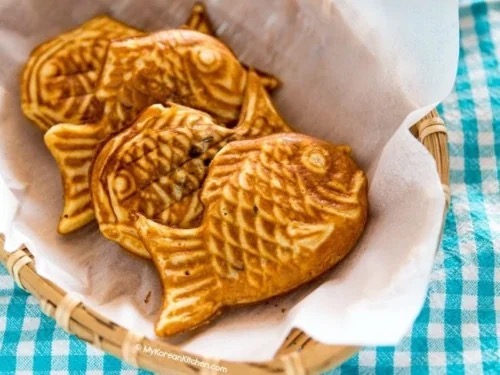
Bungeoppang is a familiar sign that winter has arrived in Korea. These small fish-shaped pastries are cooked in a special mold until the outside turns golden. Traditional versions contain sweet red bean paste, while some stalls offer custard or other fillings.
2. Hotteok (호떡)
Crispy pancakes with a molten sweet center
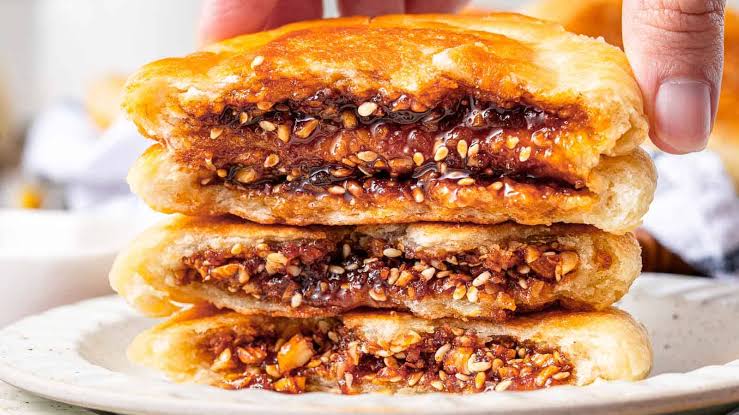
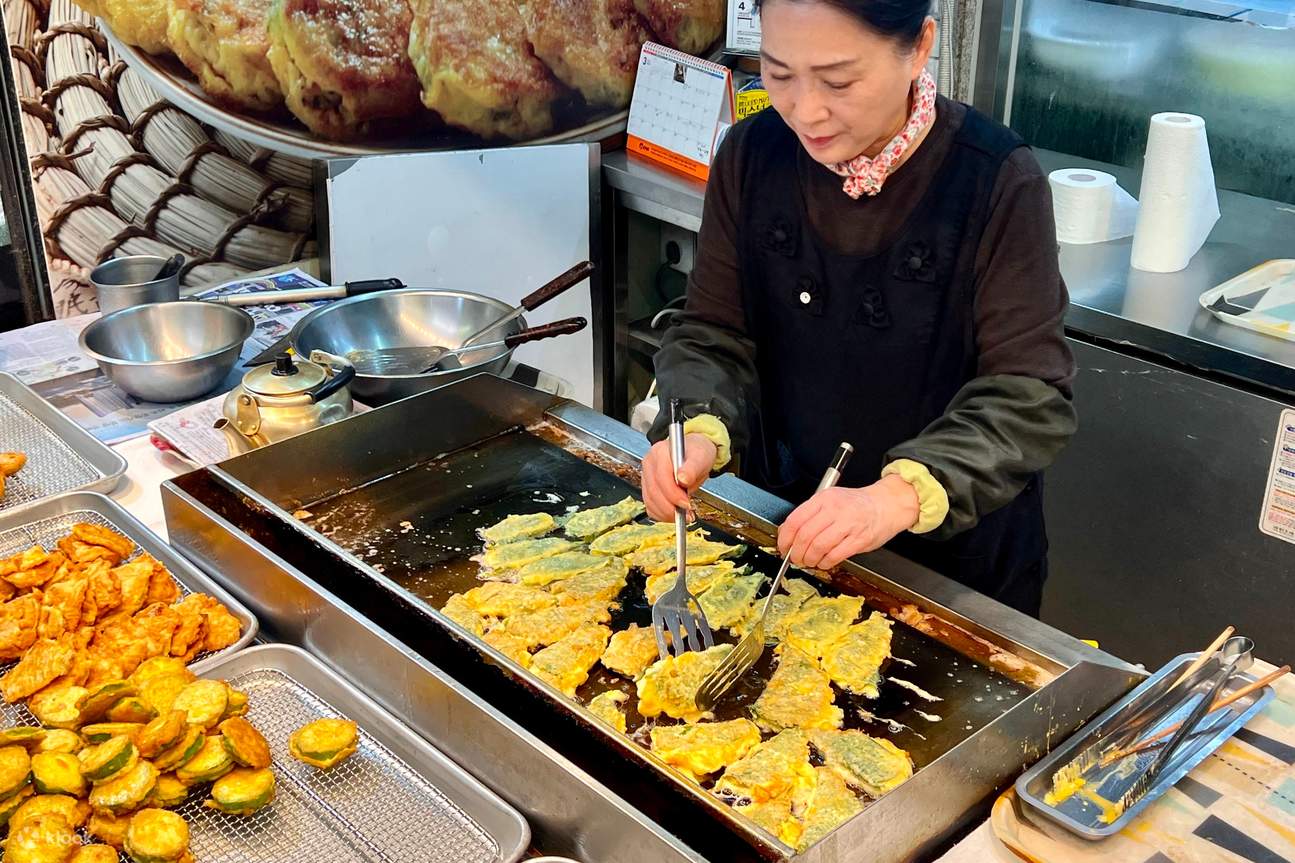
Hotteok is one of the most satisfying snacks to eat on a cold Seoul afternoon. The dough is pressed onto a hot griddle and cooked until crisp, with a sweet filling commonly made from brown sugar, cinnamon and nuts or seeds.
3. Gyeranppang (계란빵)
Soft, savory-sweet bread baked with an egg
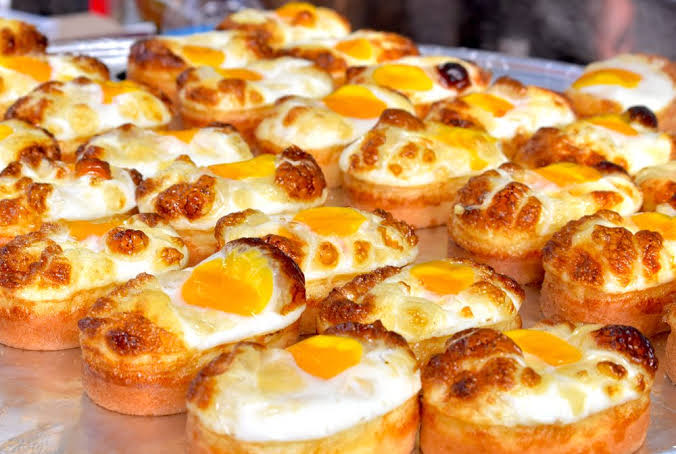
Gyeranppang combines a fluffy bread-like batter with an egg, creating a warm snack that is more savory than most Korean winter pastries. It is easy to eat while walking and makes a useful alternative when you do not want another sweet dessert.
4. Gun-goguma (군고구마)
Slow-roasted Korean sweet potatoes
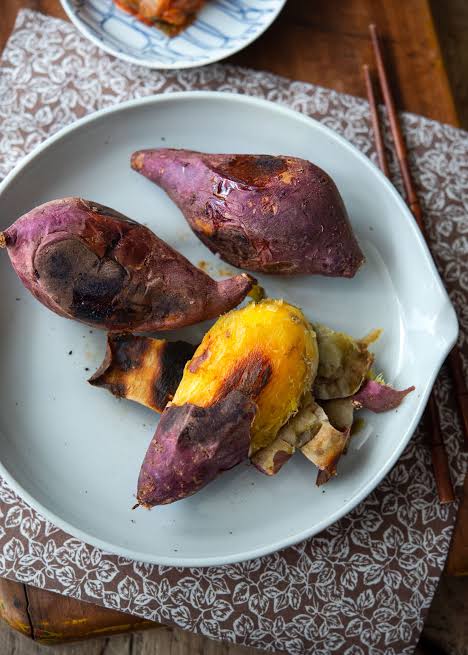
Roasted sweet potatoes are a simple Korean winter comfort food. Their skins become slightly wrinkled as the inside turns soft and naturally sweet. Depending on the variety, the flesh may be golden, pale or especially moist.
5. Roasted Chestnuts (군밤)
Nutty, warming bites for cold evenings
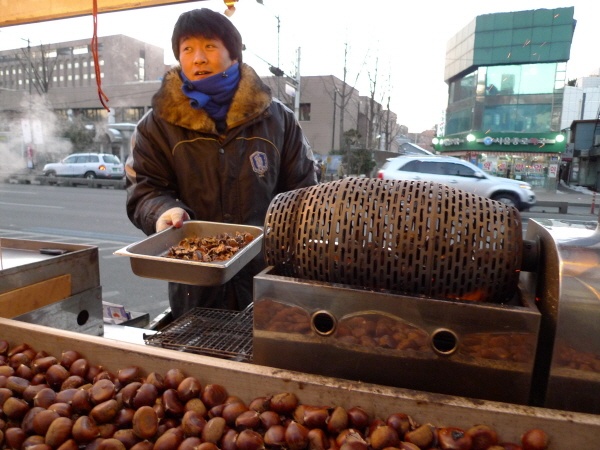
Roasted chestnuts are a traditional cold-weather snack with a gentle sweetness and soft, crumbly texture. They are a good choice when you want something warm without a heavy sauce or filling.
6. Eomuk (어묵)
Fish-cake skewers served with hot broth
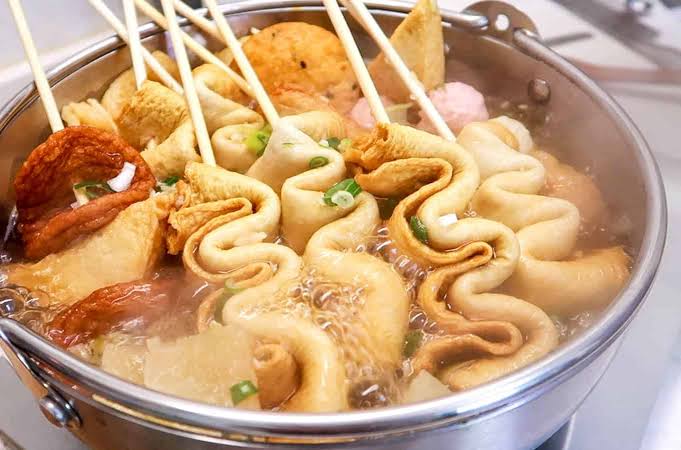
A cup of warm broth and a fish-cake skewer can make a freezing afternoon much more comfortable. Eomuk is commonly served at Korean snack shops, sometimes alongside tteokbokki, fried snacks and other quick bites.
7. Tteokbokki (떡볶이)
Chewy rice cakes in a rich, spicy sauce
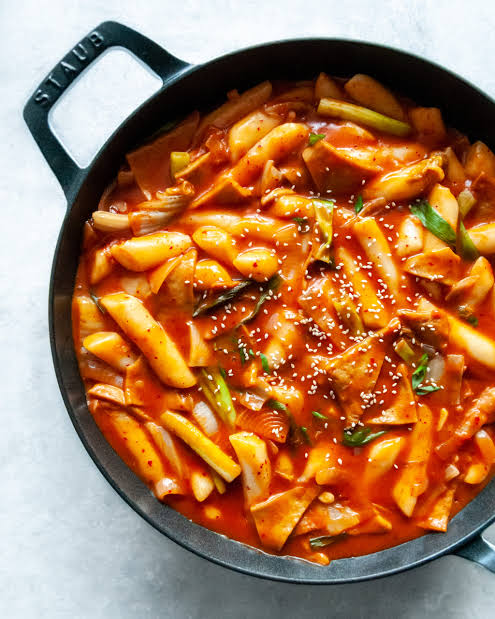
Tteokbokki is enjoyed year-round, but its steaming sauce and chewy rice cakes make it especially appealing in winter. The familiar red version is made with a gochujang-based sauce, although recipes and spice levels vary.
8. Sundae (순대)
Korean sausage often served with salt or spicy sauce
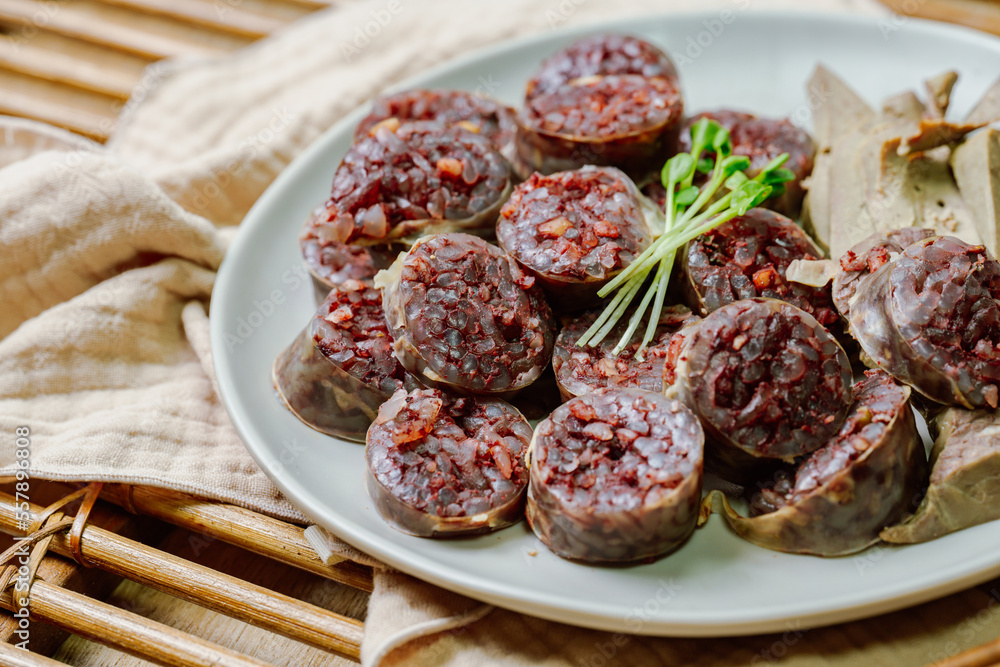
Korean sundae is a savory street-food dish that is very different from the ice-cream dessert with the same English spelling. Common versions use a casing filled with glass noodles and other ingredients, sometimes including blood.
9. Hoppang (호빵)
Fluffy steamed buns with warm fillings
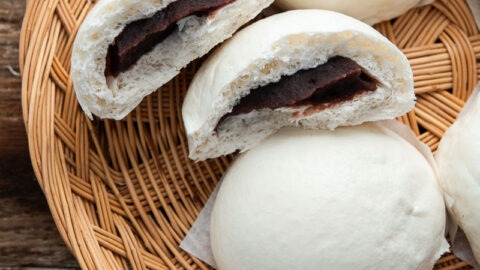
Hoppang is a soft steamed bun commonly associated with the colder months. Sweet red bean is a classic filling, but savory and other sweet varieties are also available. The soft dough makes it a comforting snack on the way home.
10. Tteokguk (떡국)
Rice-cake soup associated with Korean New Year
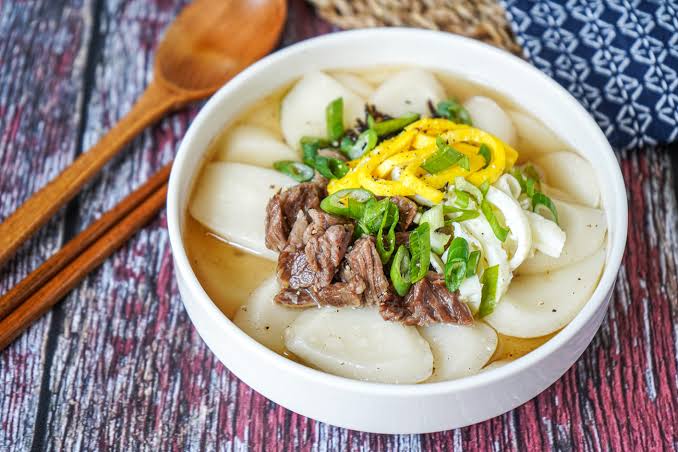
Tteokguk is a gentle, warming soup filled with thinly sliced rice cakes. It has a special connection to Seollal, the Korean Lunar New Year, when eating the dish symbolizes the beginning of another year.
11. Kalguksu (칼국수)
Hand-cut noodles in a comforting broth
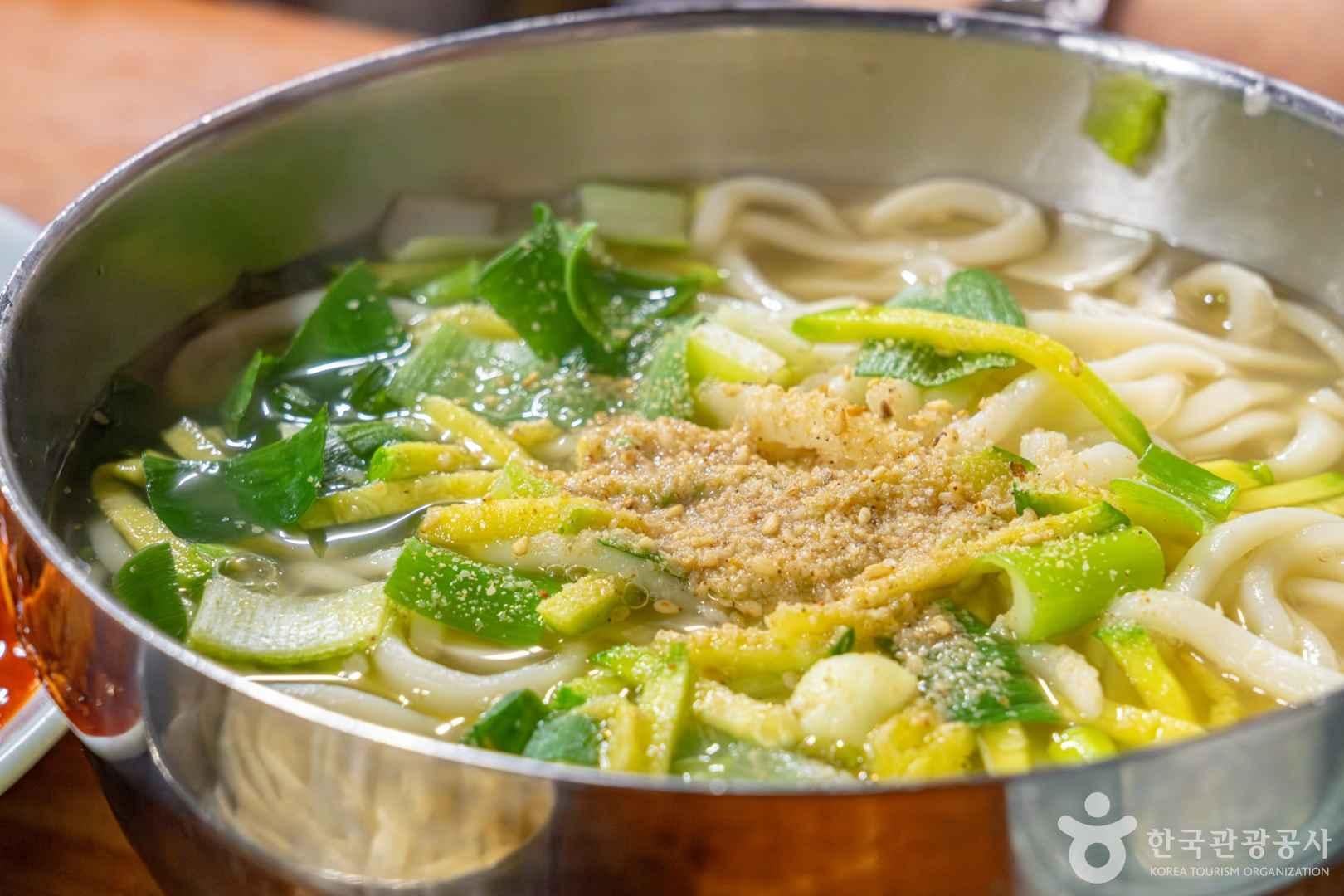
Kalguksu features soft wheat noodles in a warm broth that may be based on anchovies, clams, chicken or other ingredients. It is filling without needing a complicated meal, making it a reliable lunch after winter sightseeing.
12. Mandu-guk (만둣국)
Korean dumplings in a hot, savory soup
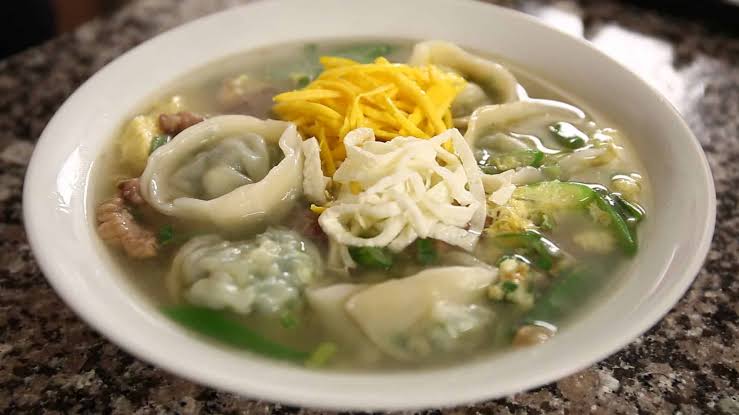
Mandu-guk brings together tender dumplings and a soothing broth. Fillings can include pork, vegetables, tofu, kimchi or combinations of ingredients. Some restaurants serve a mixed rice-cake-and-dumpling soup called tteok-mandu-guk.
13. Kimchi-jjigae (김치찌개)
Tangy, bubbling kimchi stew
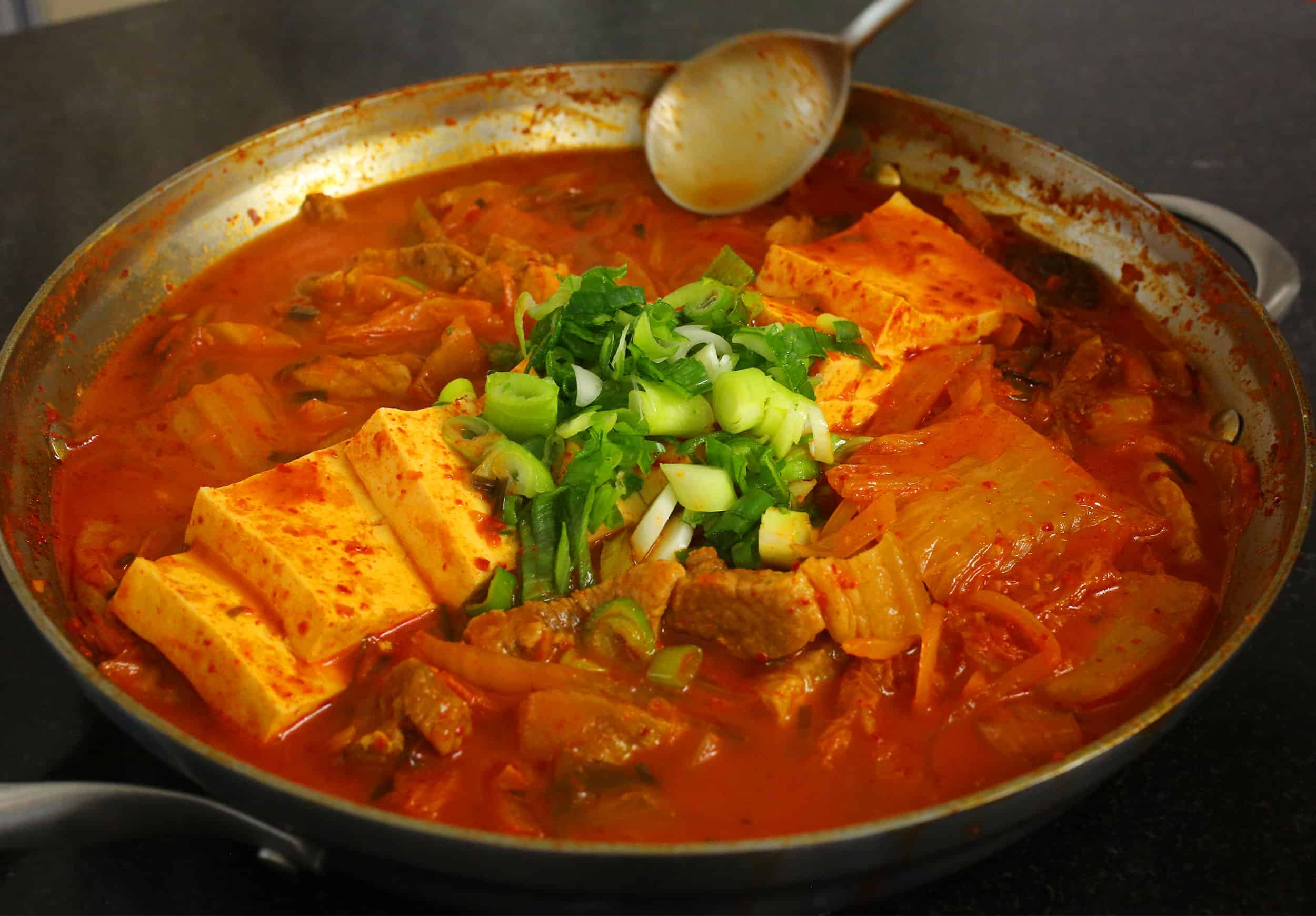
Kimchi-jjigae is a deeply flavored stew commonly prepared with aged kimchi, tofu and ingredients such as pork or tuna. Its sour, spicy broth is particularly welcome after spending time outside in freezing weather.
14. Sundubu-jjigae (순두부찌개)
Silky soft tofu in a steaming stew
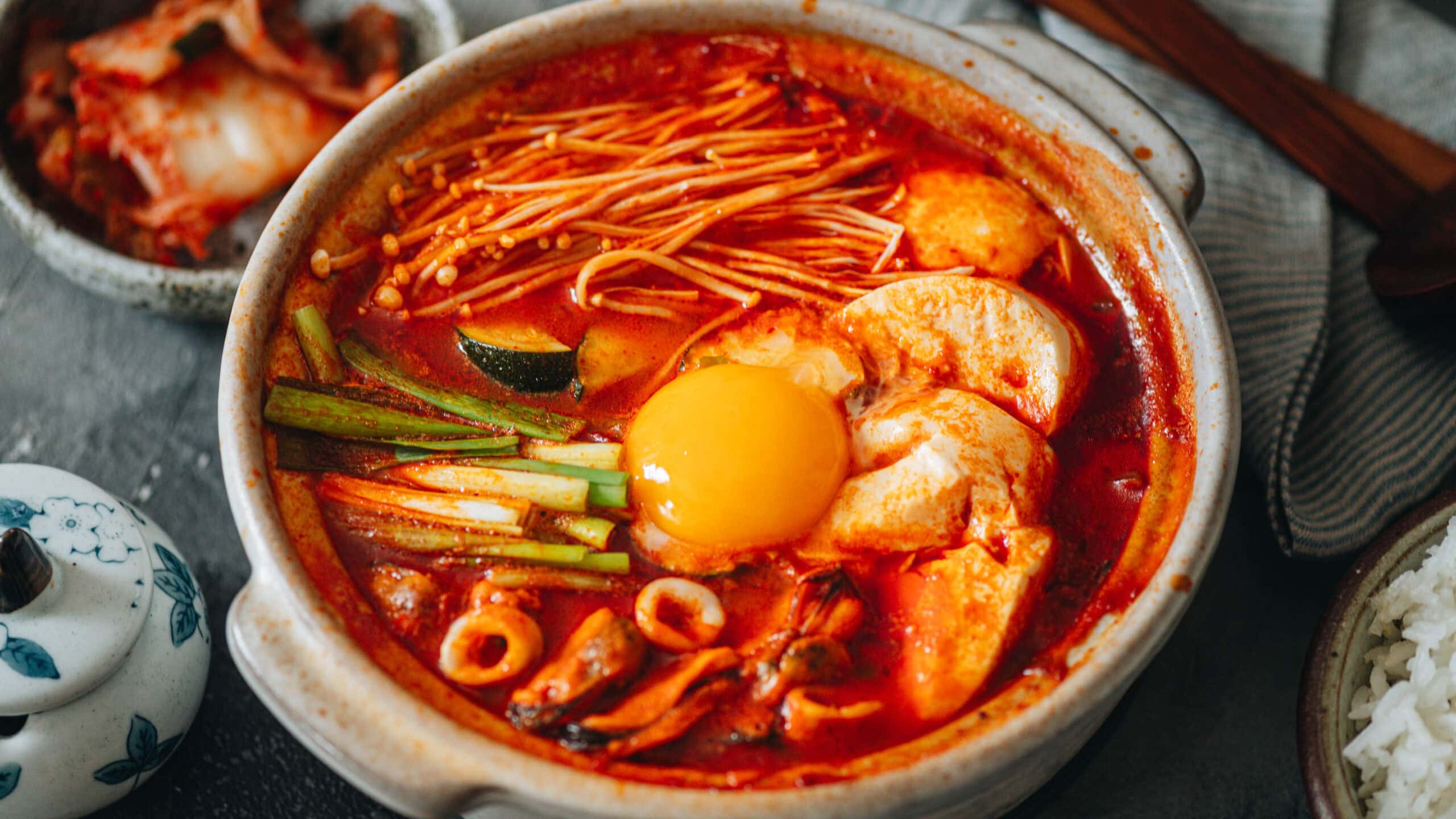
Sundubu-jjigae centers on delicate, soft tofu in a hot broth. Some versions include seafood, meat, mushrooms or an egg. The combination of silky tofu and a strongly seasoned broth makes it a popular cold-weather meal.
15. Gamjatang (감자탕)
Hearty pork-bone stew for sharing
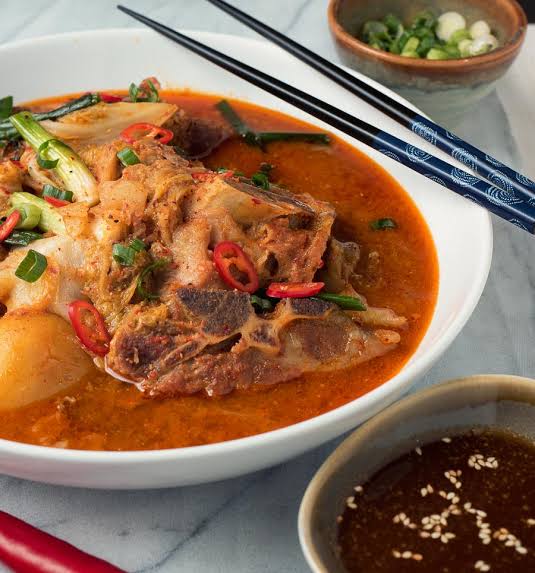
Gamjatang is a substantial Korean stew made with pork bones and a seasoned broth, often accompanied by potatoes, greens and perilla flavors. It is especially suited to a long winter dinner with friends.
16. Seolleongtang (설렁탕)
Milky ox-bone soup with a mild flavor
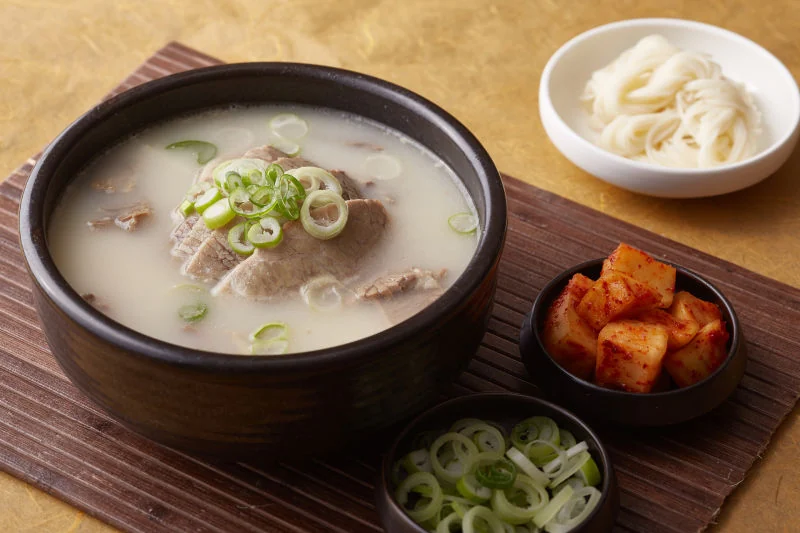
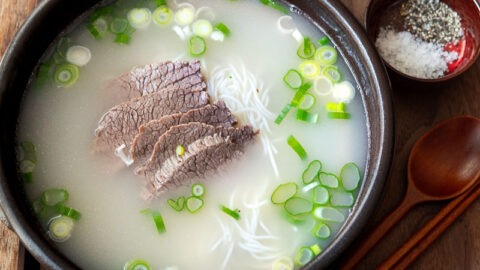
Seolleongtang is known for its pale broth, traditionally made by simmering beef bones for an extended period. It is usually served with rice or noodles, and diners can season it to taste with salt, pepper and scallions.
17. Budae-jjigae (부대찌개)
A bubbling stew with noodles, kimchi and savory toppings
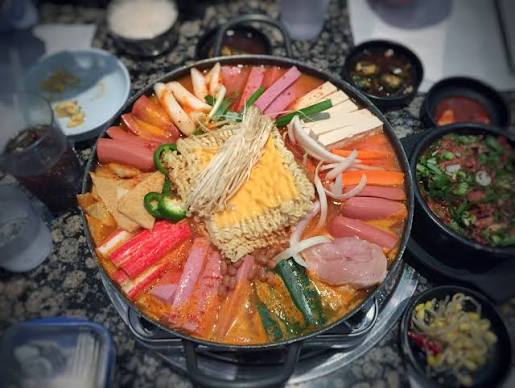
Budae-jjigae combines Korean stew flavors with ingredients such as sausage, luncheon meat, tofu, kimchi and instant noodles. Its history is connected to food scarcity and the period following the Korean War.
18. Patjuk (팥죽)
Traditional red-bean porridge associated with the winter solstice
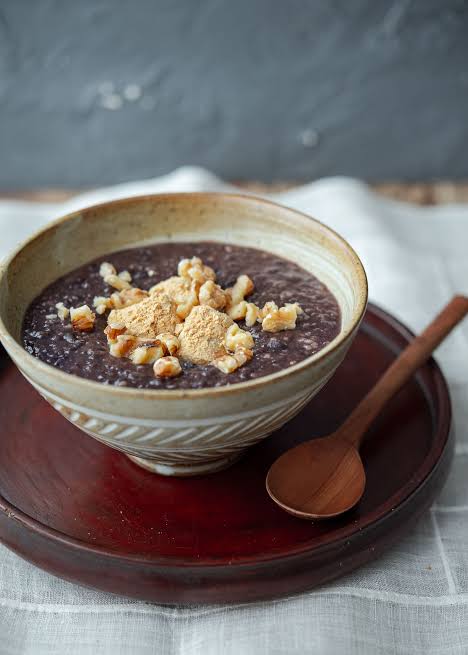
Patjuk is made from red beans and may contain small chewy rice-flour balls called saealsim. It is traditionally associated with Dongji, the winter solstice, giving it a cultural significance beyond simply being a warm bowl of porridge.
Where to Find Korean Winter Food in Seoul
Traditional markets are useful places to explore multiple foods in one outing. For a broader introduction to the market scene, read our Mangwon Market vs. Gwangjang Market guide. You can also explore our Mangwon Market food guide for ideas before visiting.
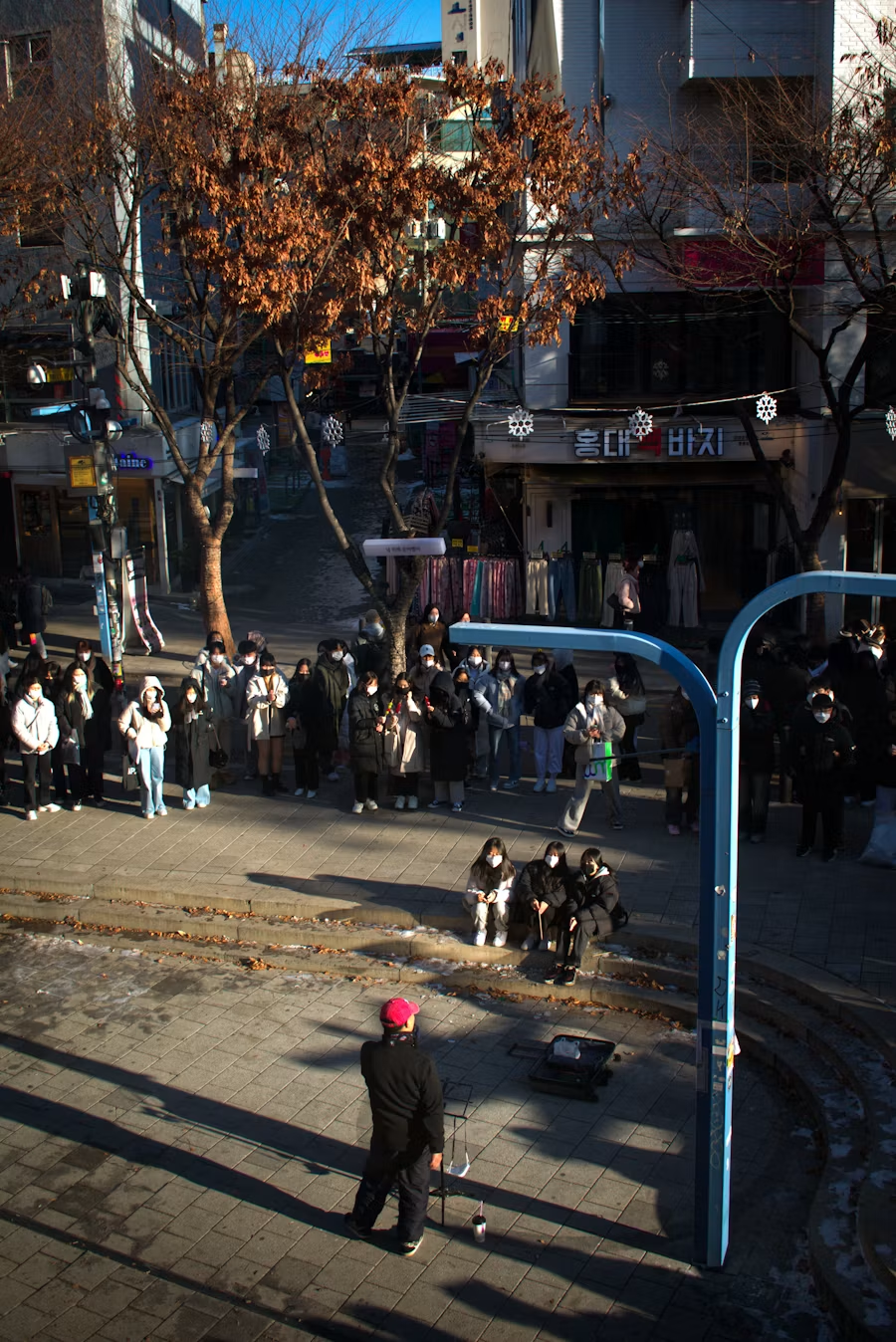
For another neighborhood with plenty of casual eating options, see what to eat in Hongdae. If you are building a winter sightseeing itinerary, pair your food stops with our Seoul winter activities guide.
For seasonal variety, remember that strawberries and warm yuja-cha are also worth looking out for. Korean strawberries are particularly associated with the cooler growing season, while yuja-cha is a fragrant citrus drink that can be served hot.
FAQ: Korean Winter Food in Seoul
What food is Korea famous for in winter?
Bungeoppang, hotteok, roasted sweet potatoes and steamed buns are classic cold-weather snacks. Hot soups and stews such as kalguksu, mandu-guk and kimchi-jjigae are also popular during winter.
Where can I find winter street food in Seoul?
Traditional markets, shopping streets and areas around subway stations are useful places to look. Street vendors may change locations or operating hours, so availability is not guaranteed.
What is the best Korean winter food for someone who dislikes spicy food?
Try roasted sweet potatoes, bungeoppang, gyeranppang, seolleongtang or a mild kalguksu. Always check the filling, broth and condiments if you have dietary restrictions.
Is Korean winter street food expensive?
Many street snacks are sold individually, making them convenient for smaller food budgets. Prices vary by neighborhood, vendor, portion and season, so check the posted menu before ordering.
What Korean food is traditionally eaten at New Year or the winter solstice?
Tteokguk is closely associated with Seollal, the Korean Lunar New Year. Patjuk, a red-bean porridge, has a traditional association with Dongji, the winter solstice.
Sources and Planning Notes
This guide covers established Korean dishes and traditional seasonal food customs. The official tourism resources below are useful starting points for further planning. They are general references, not confirmation of a particular vendor's current menu, prices or opening hours.
View official tourism resources
Discover More of Seoul
Join The Seoul Edit for more neighborhood guides, Korean food recommendations, seasonal activities and practical travel ideas.
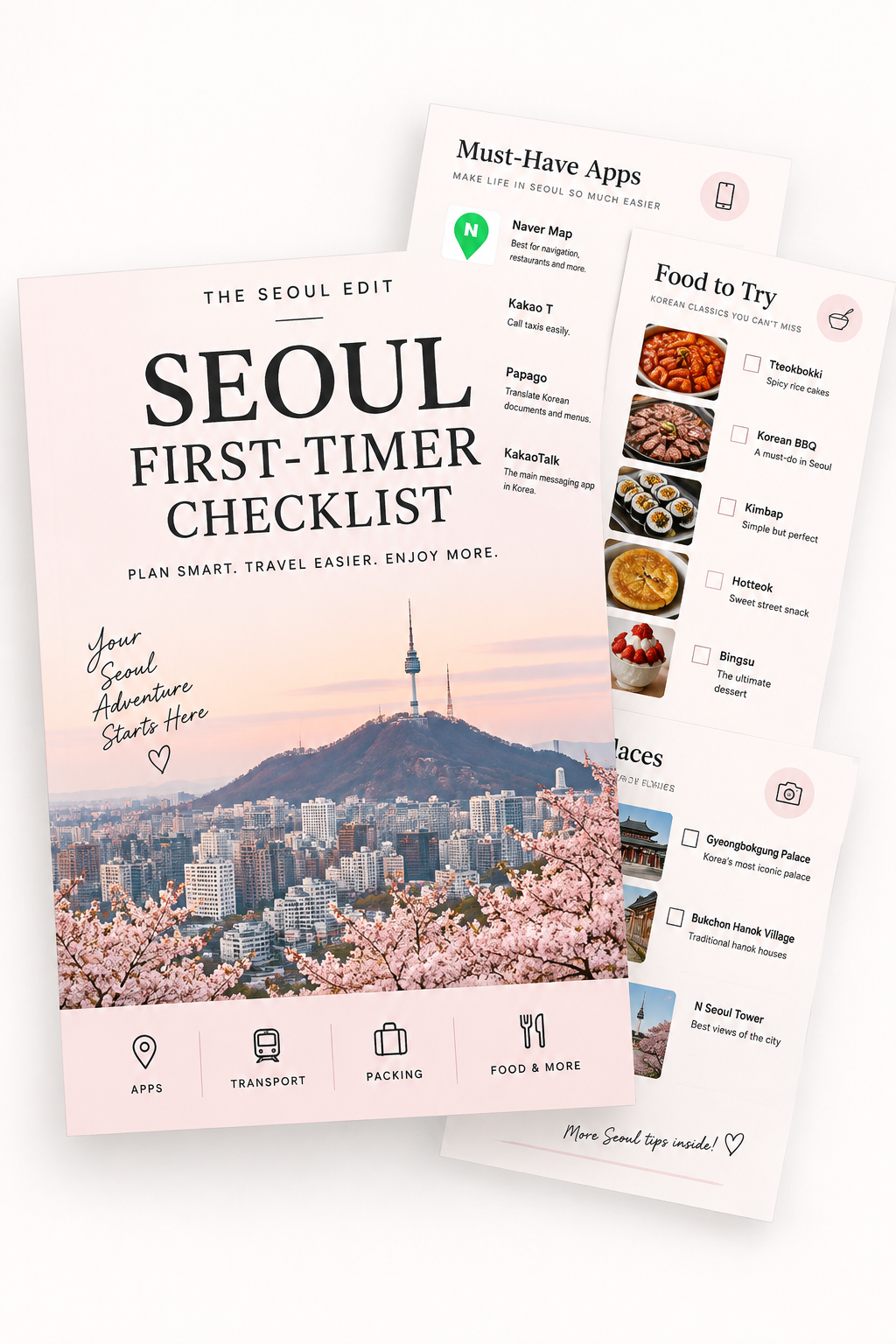
Planning a trip to Seoul?
Final Thoughts
A Seoul winter food day does not need an elaborate itinerary. Start with a hot street snack, wander through a neighborhood or market, then settle into a small restaurant for something warm and filling.
If you are visiting Korea for the first time, try a mix of seasonal snacks and everyday comfort food. Hotteok or bungeoppang makes a memorable quick stop, while kalguksu, mandu-guk or a bubbling stew gives you a reason to slow down and warm up.