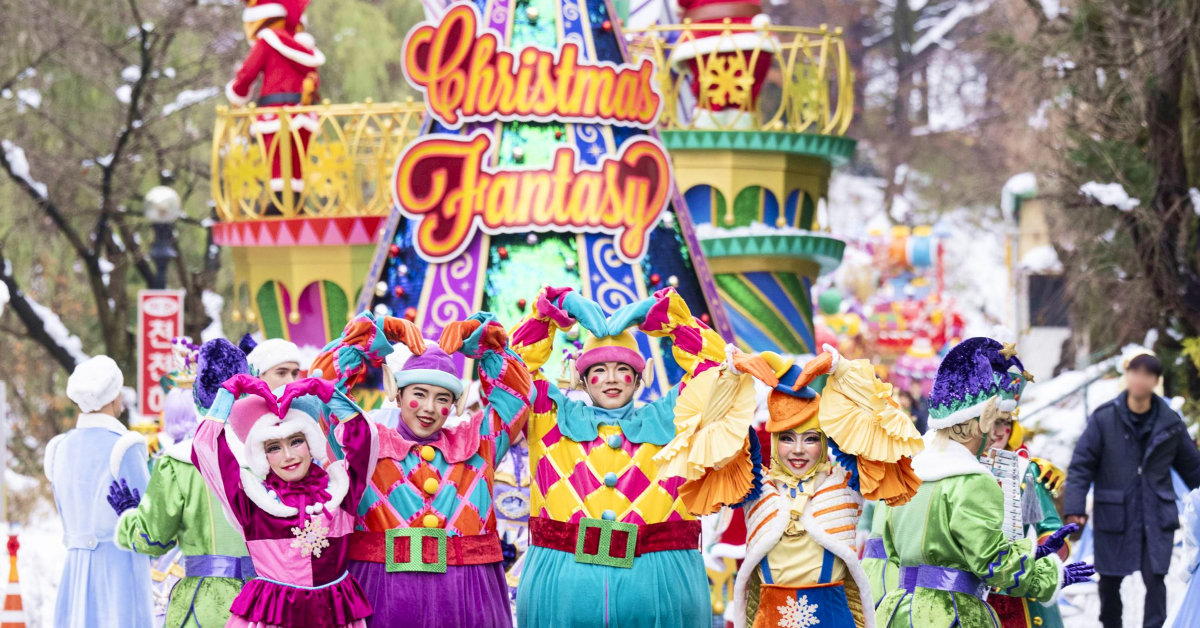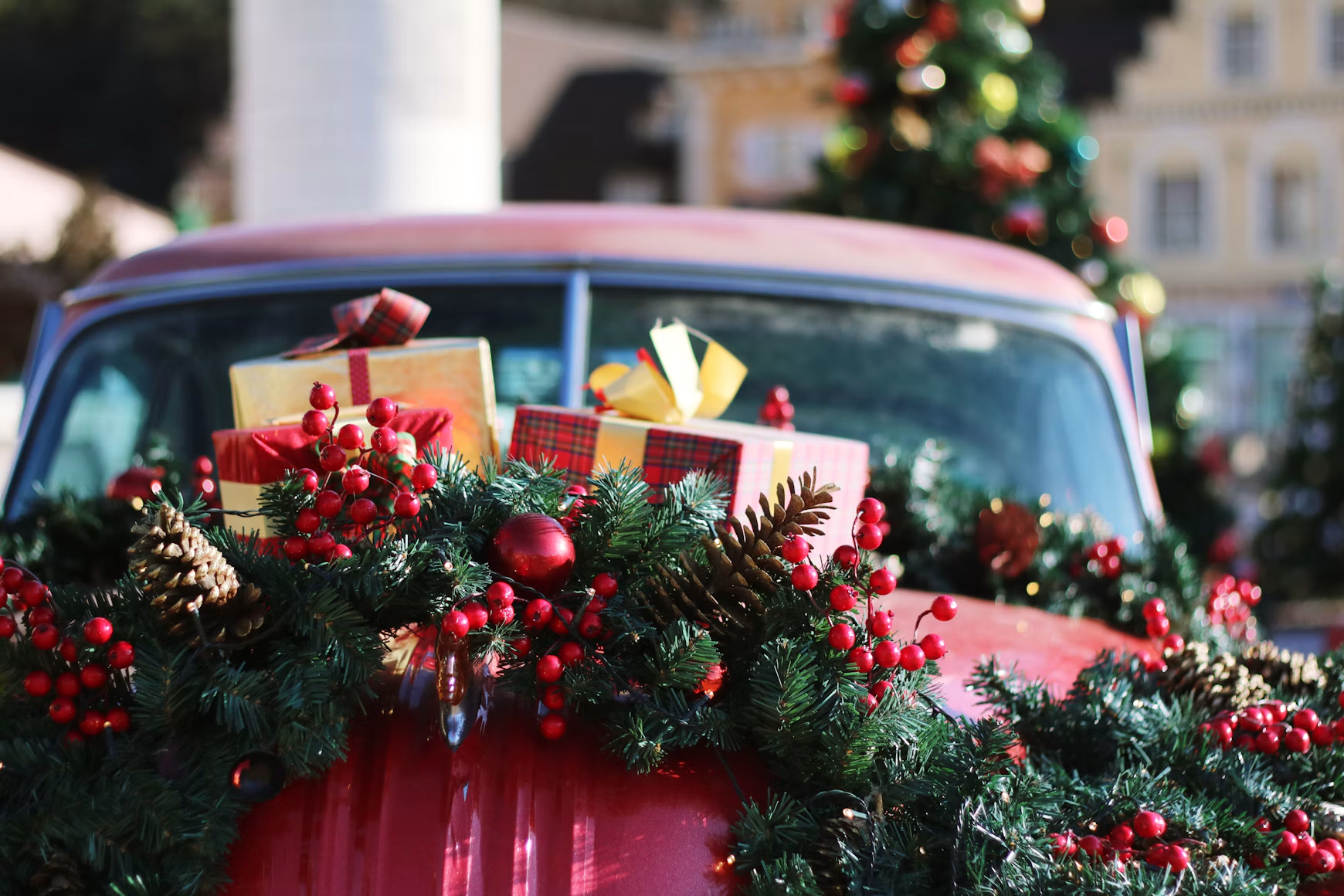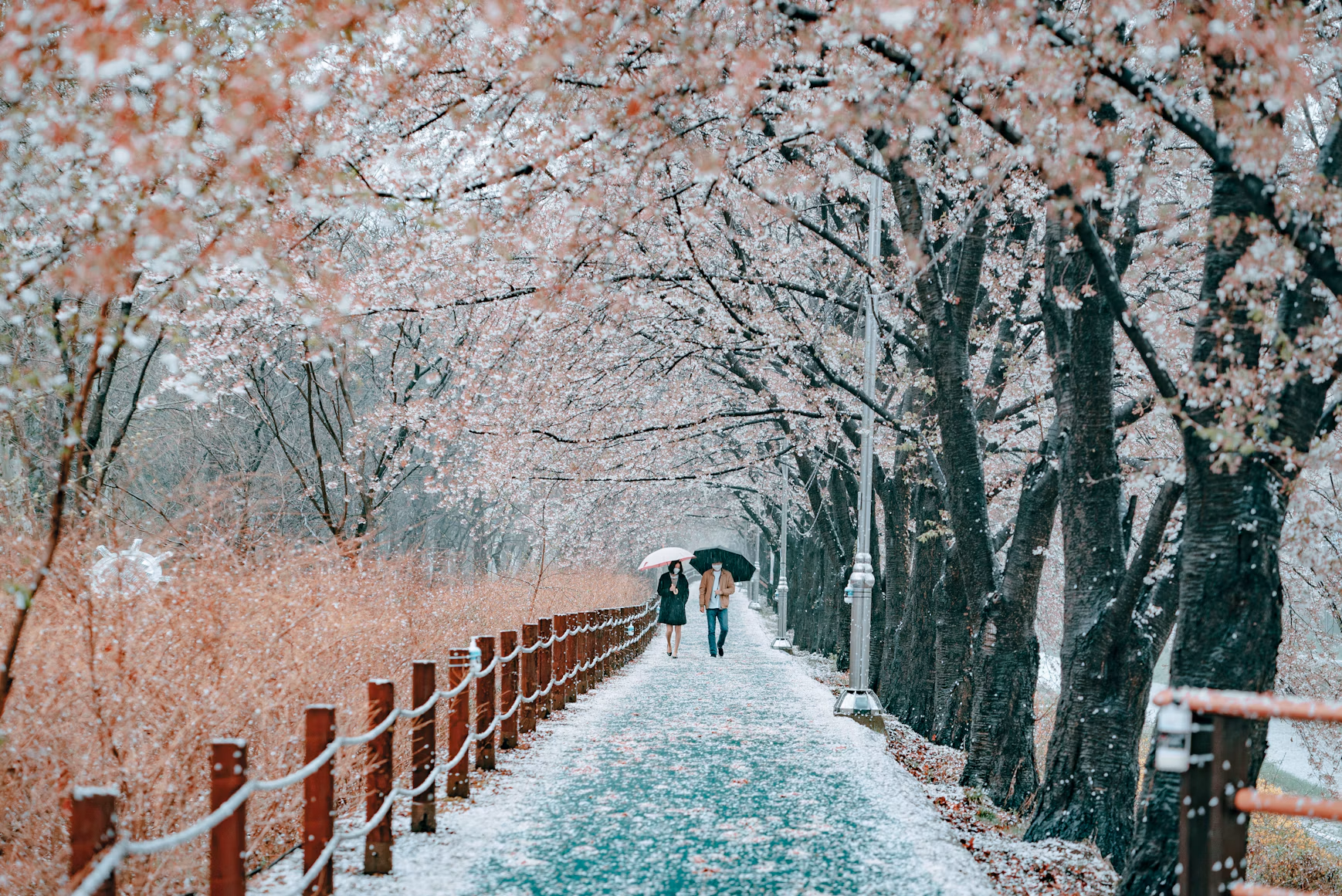
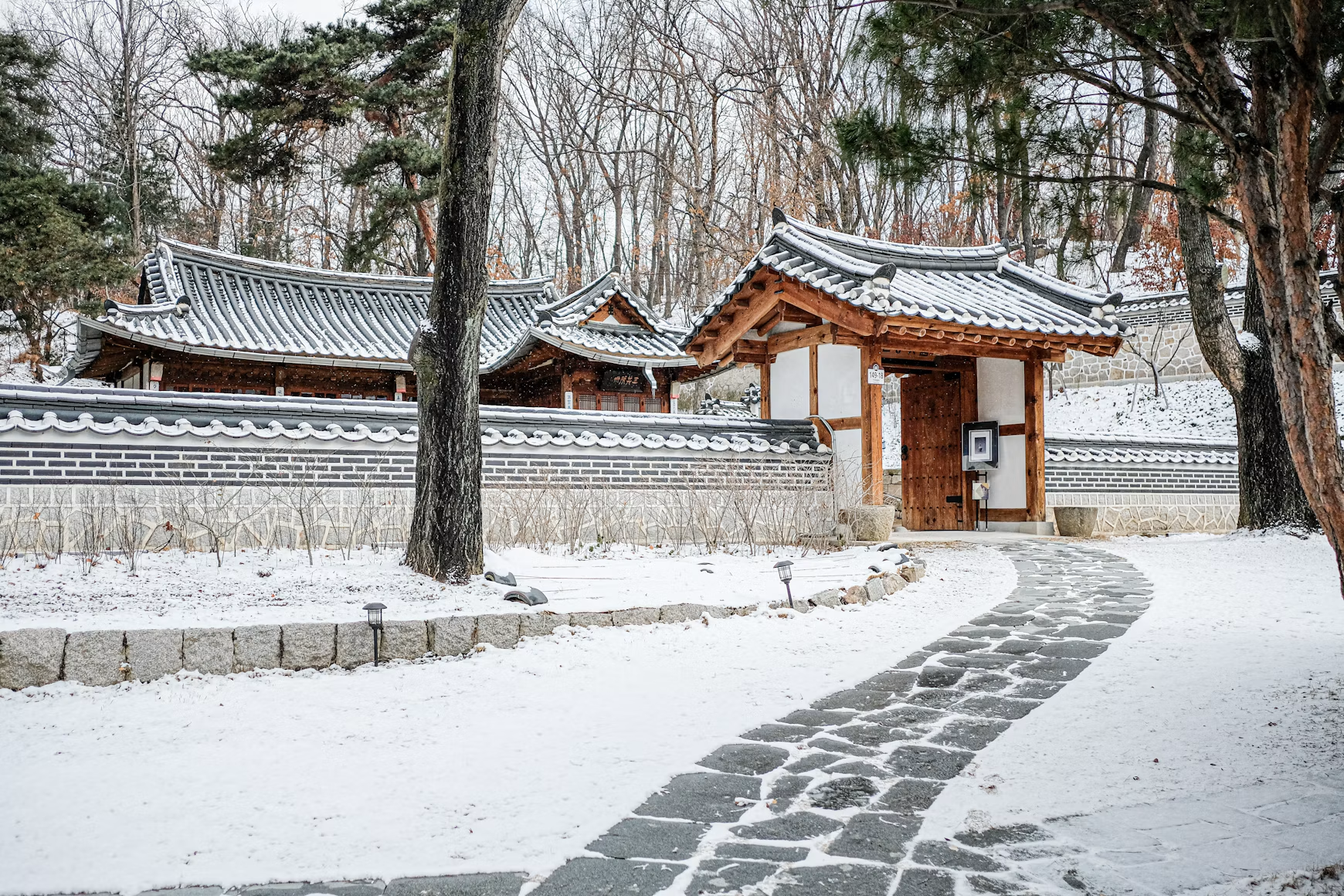
Winter changes the rhythm of Seoul. The mornings are crisp, the evenings arrive early, and a warm bowl of soup or a quiet café feels even better after an hour outdoors. You can spend one day exploring a palace, another following light displays through central Seoul, and another escaping the city for skiing or a scenic day trip.
But winter also rewards realistic planning. Snow in the city is never guaranteed, outdoor attractions can be icy, and seasonal festivals do not all run on the same dates. This guide mixes reliable year-round places with winter-only activities, so you can choose based on your weather forecast and travel dates.
For the 2026–2027 season, some festival dates are already published, while others remain subject to confirmation. Always check official schedules before booking travel around one specific event.
Winter in Seoul: What to Know Before You Go
December brings holiday lights and the beginning of winter events. January is usually the coldest month and is a good time to plan around warm indoor breaks. February remains chilly, but conditions vary widely from day to day.
My planning tip: choose one major outdoor activity each day, then keep a café, market or museum nearby as a warm backup. Group central Seoul attractions together rather than crossing the city repeatedly in freezing weather.
1. Visit Gyeongbokgung Palace After Snowfall
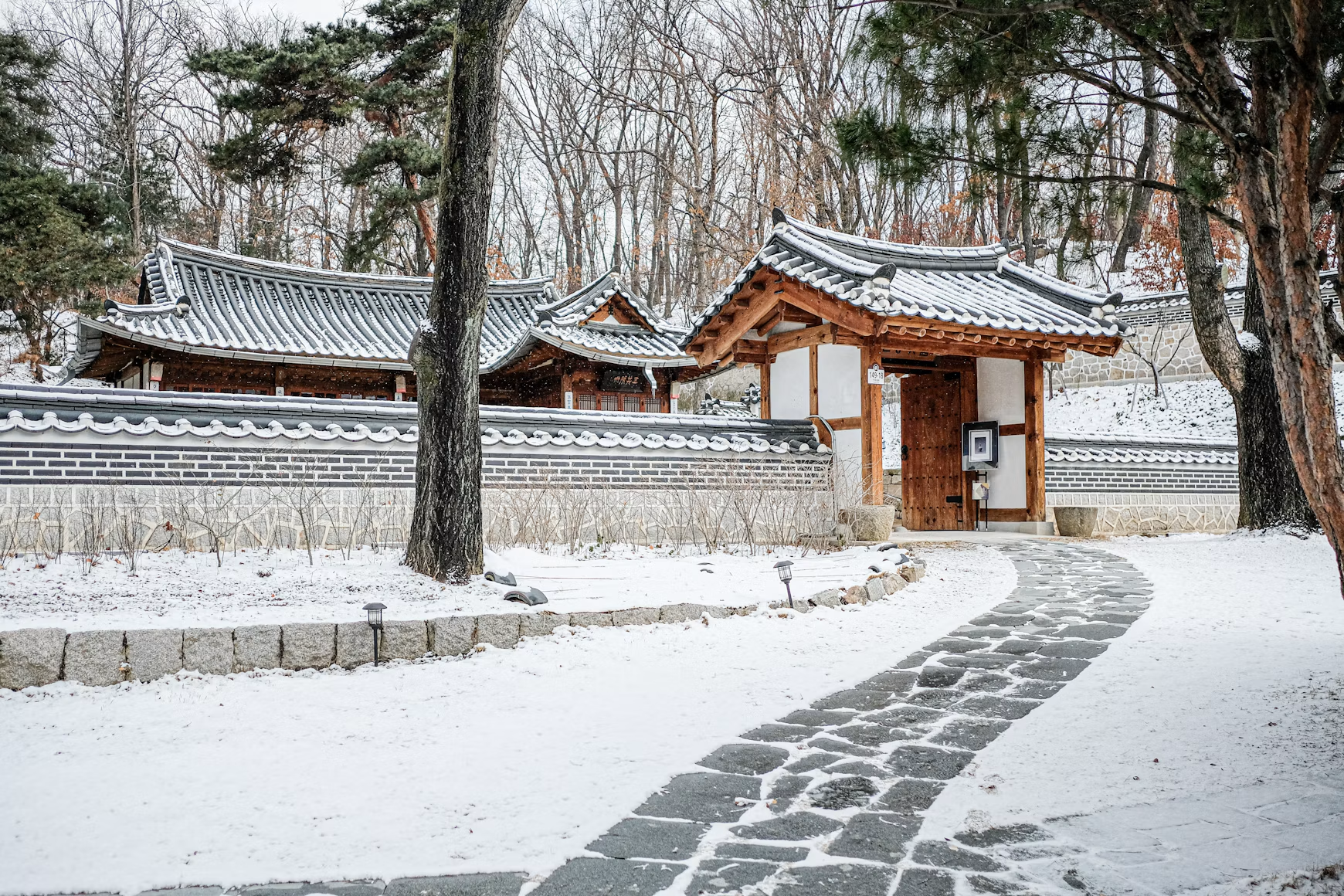
Snow-covered palace roofs are one of Seoul's most beautiful winter sights.
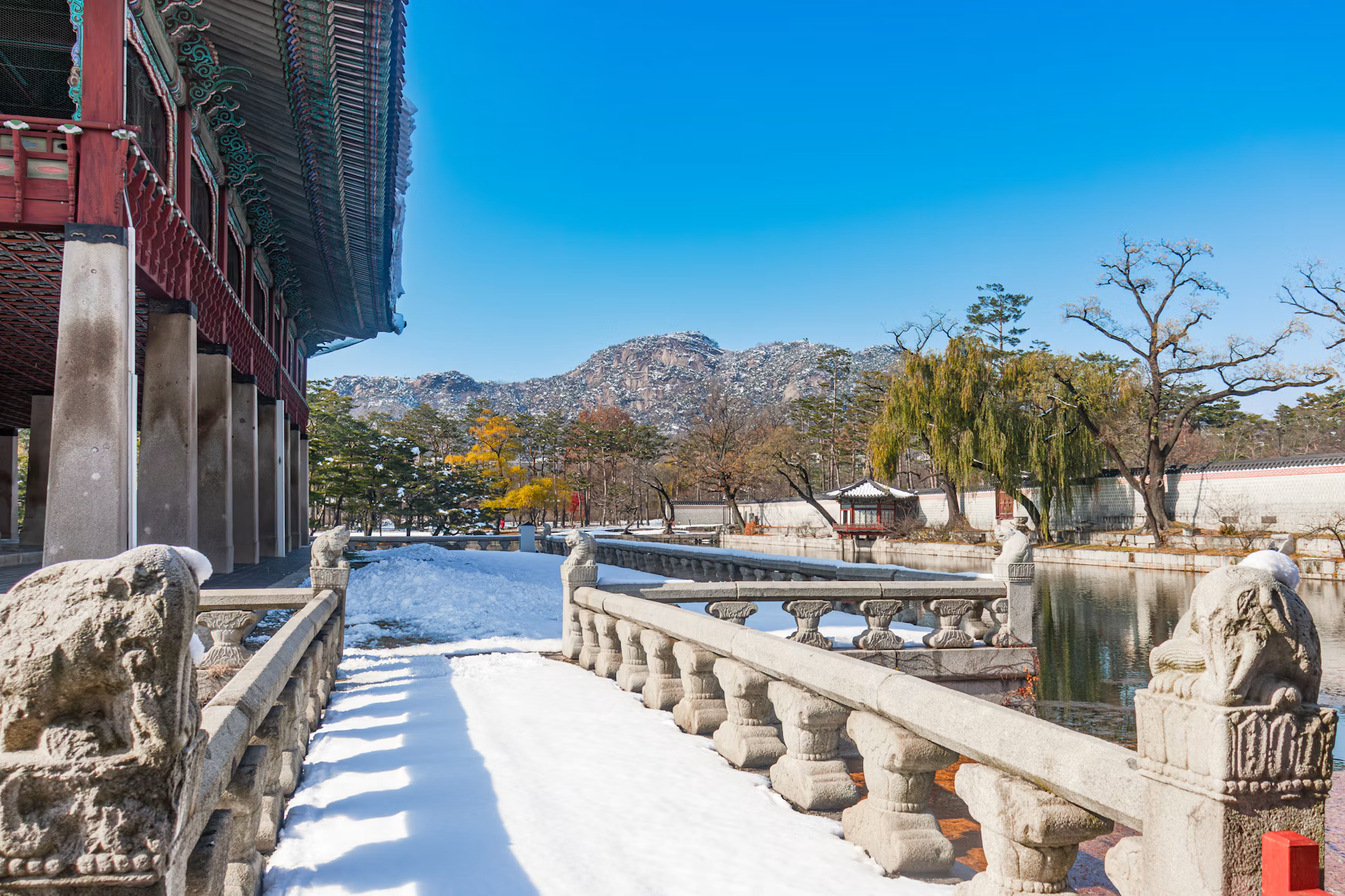
Gyeongbokgung is worth visiting even without snow, but fresh snowfall makes the traditional rooftops and courtyards especially striking. Arrive early for quieter photographs and allow time to explore beyond the main gate.
Snow is never guaranteed on your travel dates. Check palace closures, wear shoes with good grip and remember that outdoor courtyards can feel much colder than nearby streets.
2. Explore Bukchon Hanok Village in Winter
A traditional neighborhood with atmospheric rooftops and winding lanes.
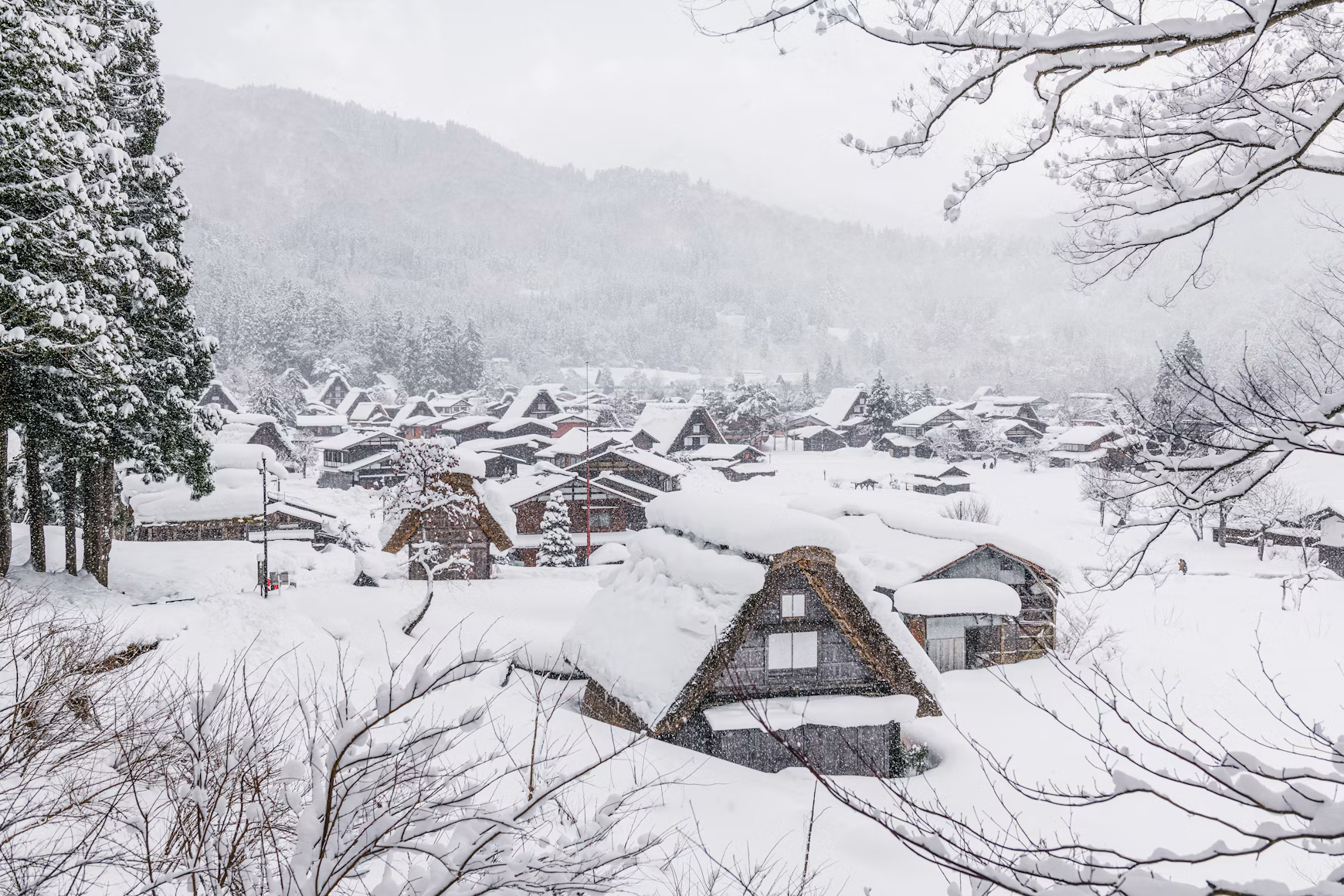
Bukchon's hanok rooftops look beautiful against a pale winter sky. Combine a short walk with Anguk, nearby galleries and a warm drink rather than spending hours outside.
Bukchon is residential, not an outdoor museum. Respect quiet hours, visitor restrictions and residents' privacy; avoid blocking narrow streets.
3. See Winter Seoul from N Seoul Tower
A panoramic city view that feels completely different on clear winter days.
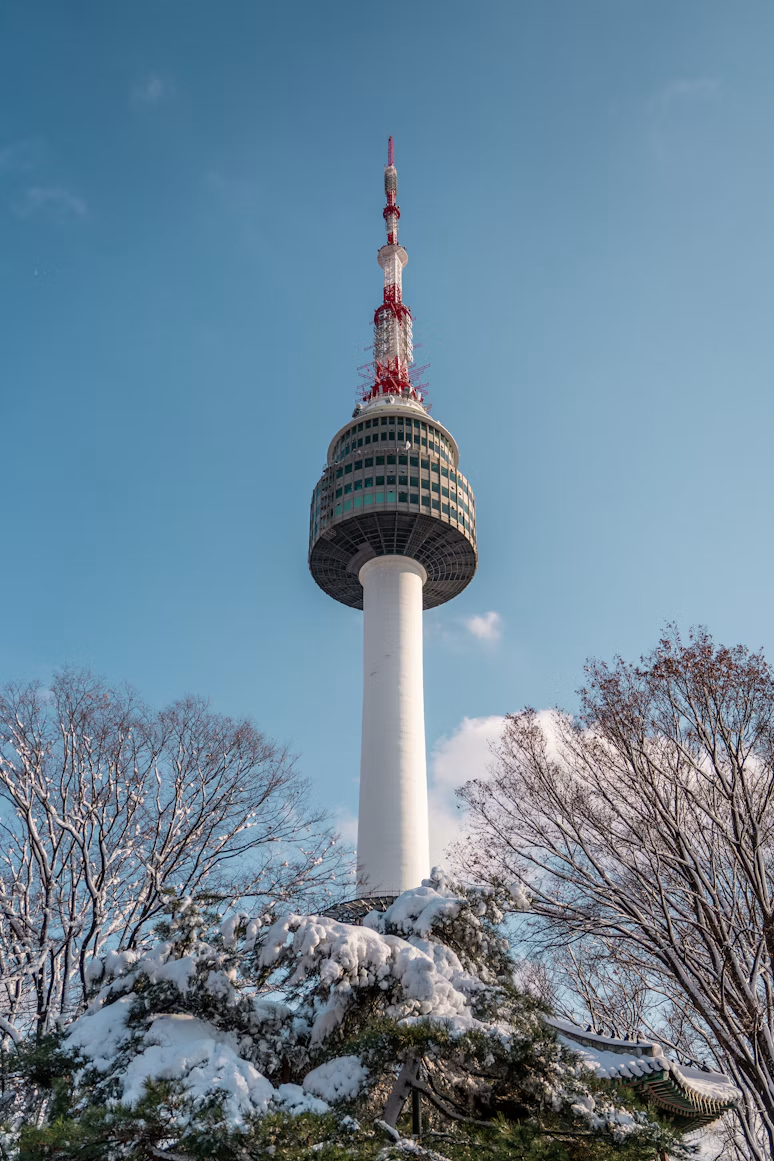
Namsan offers one of the easiest ways to see Seoul's mountains and dense neighborhoods together. Clear winter air can make the skyline particularly impressive, especially around sunset.
The summit can be windy and icy. Check visibility before paying for the observatory and choose transport that suits the weather.
4. Take a Quiet Winter Walk in Seoul Forest
A peaceful outdoor break with cafés nearby in Seongsu.
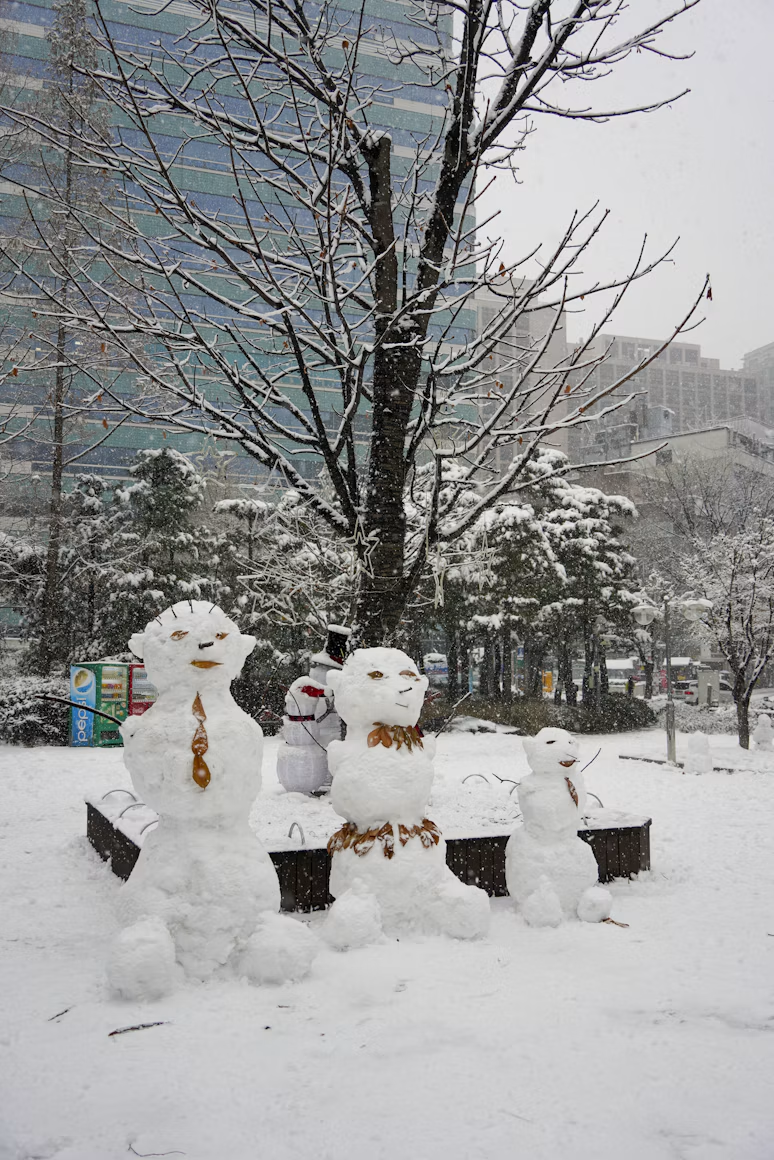
Seoul Forest is a good alternative to a packed sightseeing schedule. Bare trees, open paths and occasional snow create a quieter atmosphere than the busier central attractions.
Dress warmly and plan a café stop afterward. A snowy path can be slippery, so choose maintained walking routes.
5. Hike Bukhansan for Snowy Mountain Scenery
Dramatic mountain scenery just outside central Seoul.
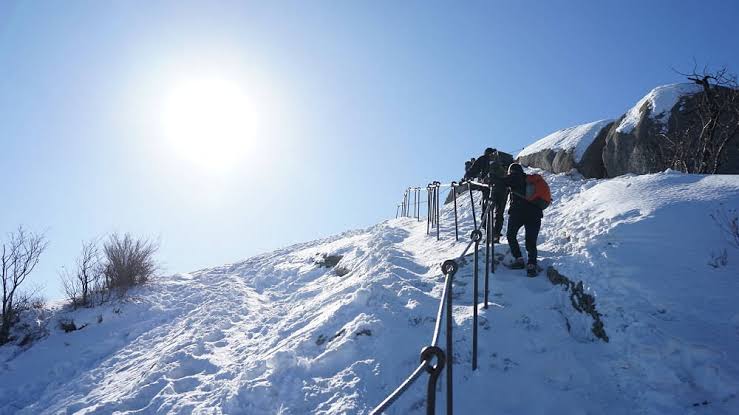
Bukhansan can be spectacular in winter, with snowy ridges and views over the city. Choose a trail appropriate to your fitness and experience rather than attempting a difficult summit for photographs.
Winter hiking requires proper traction, layers and an early start. Check national park notices and weather; skip exposed or icy routes without suitable equipment.
6. Go Ice Skating at Seoul Plaza
A classic seasonal activity in front of Seoul City Hall.
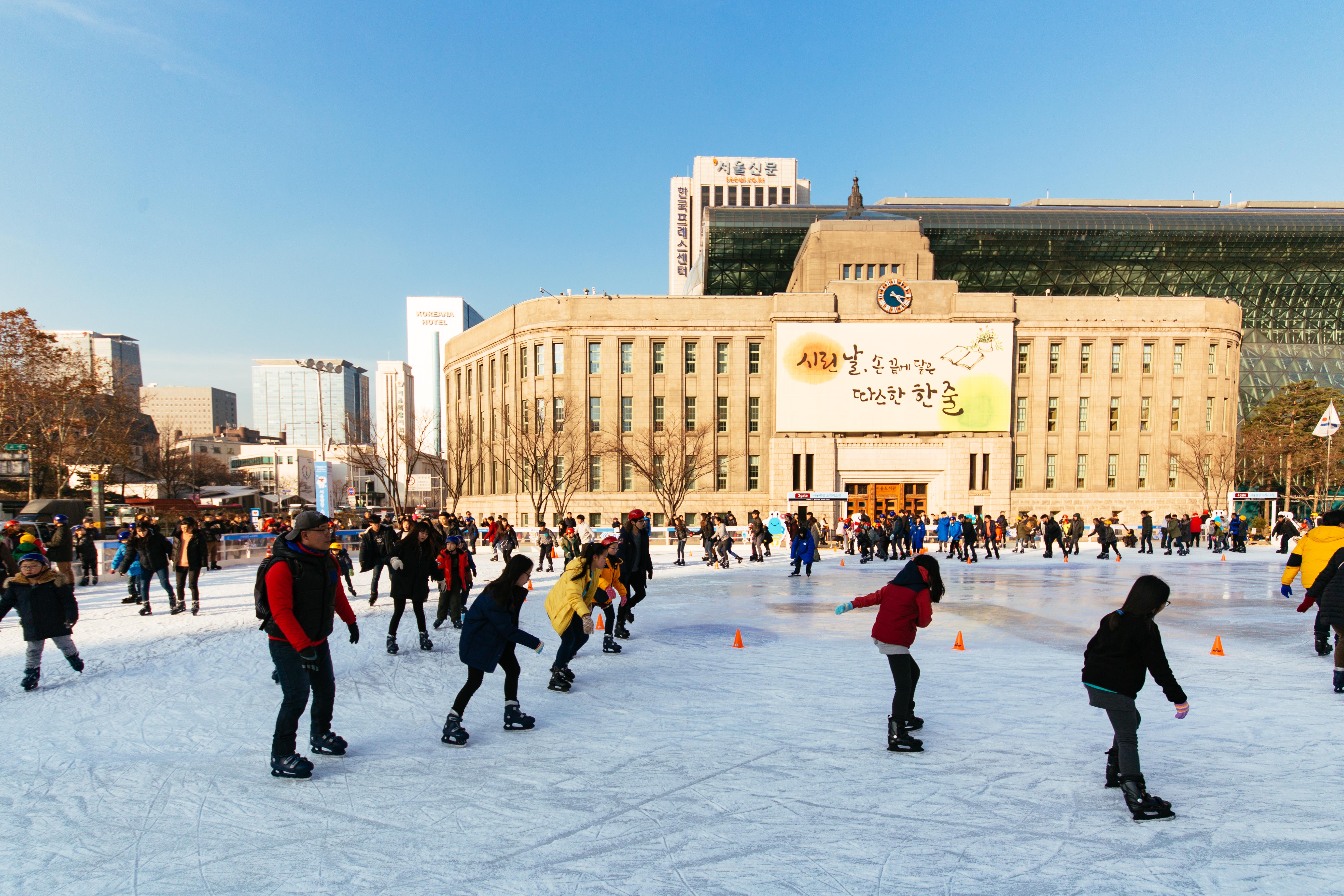
When the winter rink operates, Seoul Plaza becomes a lively place for an affordable skating session. Pair it with Deoksugung or a warm meal around City Hall.
The 2026–2027 opening dates and prices must be checked on the official rink website. Sessions may be affected by weather and air quality.
7. Explore the Seoul Lantern Festival
Glowing lanterns along Cheonggyecheon after dark.
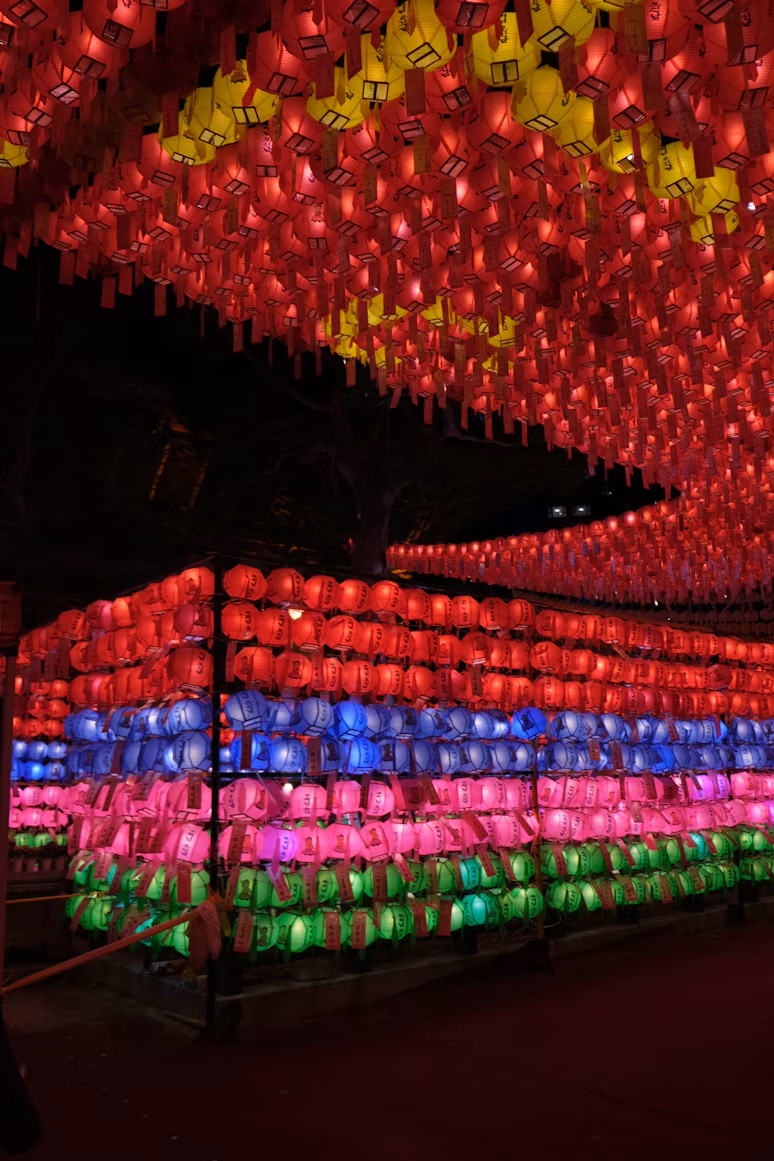
The 2026 Seoul Lantern Festival is scheduled for December 11, 2026 through January 31, 2027, along Cheonggyecheon. It is an easy evening addition to a day around Jongno or Gwanghwamun.
Officially listed hours are 6 PM to 11 PM with free admission. Expect crowds on weekends and dress for cold temperatures beside the stream.
8. Visit the Gwanghwamun Winter Market
Seasonal stalls and festive atmosphere in central Seoul.
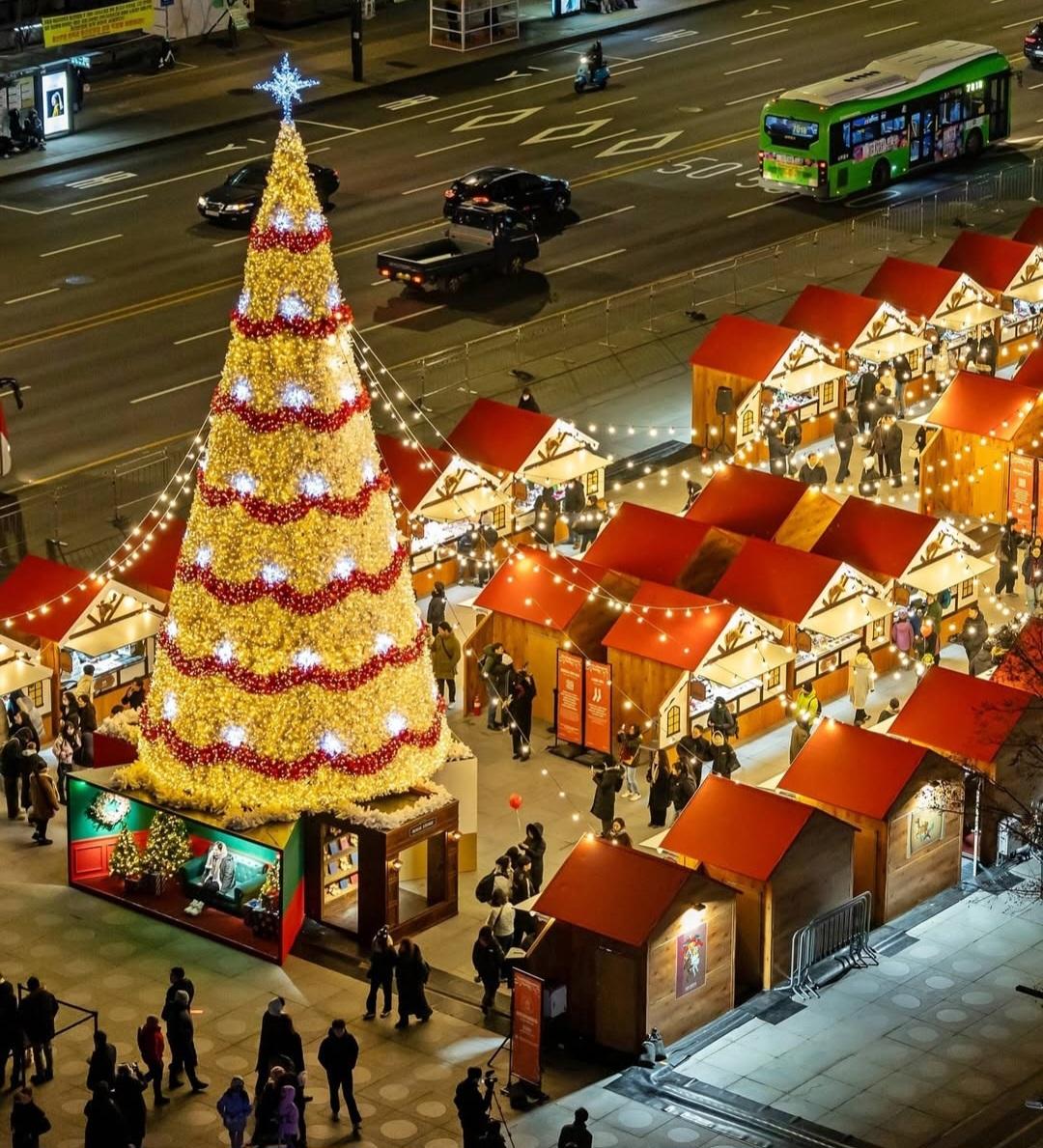
Gwanghwamun's winter market is one of the most convenient places to enjoy a festive city-center evening. Browse seasonal goods and treats, then continue toward the nearby light displays.
The market's specific 2026–2027 dates and vendor lineup need confirmation. Do not assume it operates throughout January.
9. See Seoul Light Gwanghwamun
Large-scale winter media art against the city skyline.
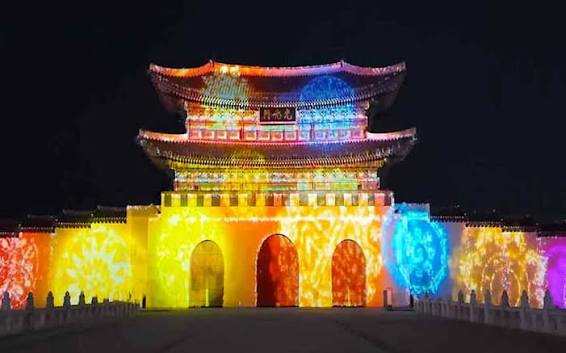
Seoul Light Gwanghwamun is scheduled for December 11, 2026 to January 3, 2027. It is particularly convenient to combine with Gwanghwamun Square and Cheonggyecheon on the same evening.
Check the daily show schedule before traveling. Outdoor viewing areas can be busy and exposed to wind.
10. Try a Seasonal Hangang Snow-Sledding Park
A playful winter outing for families and friends.
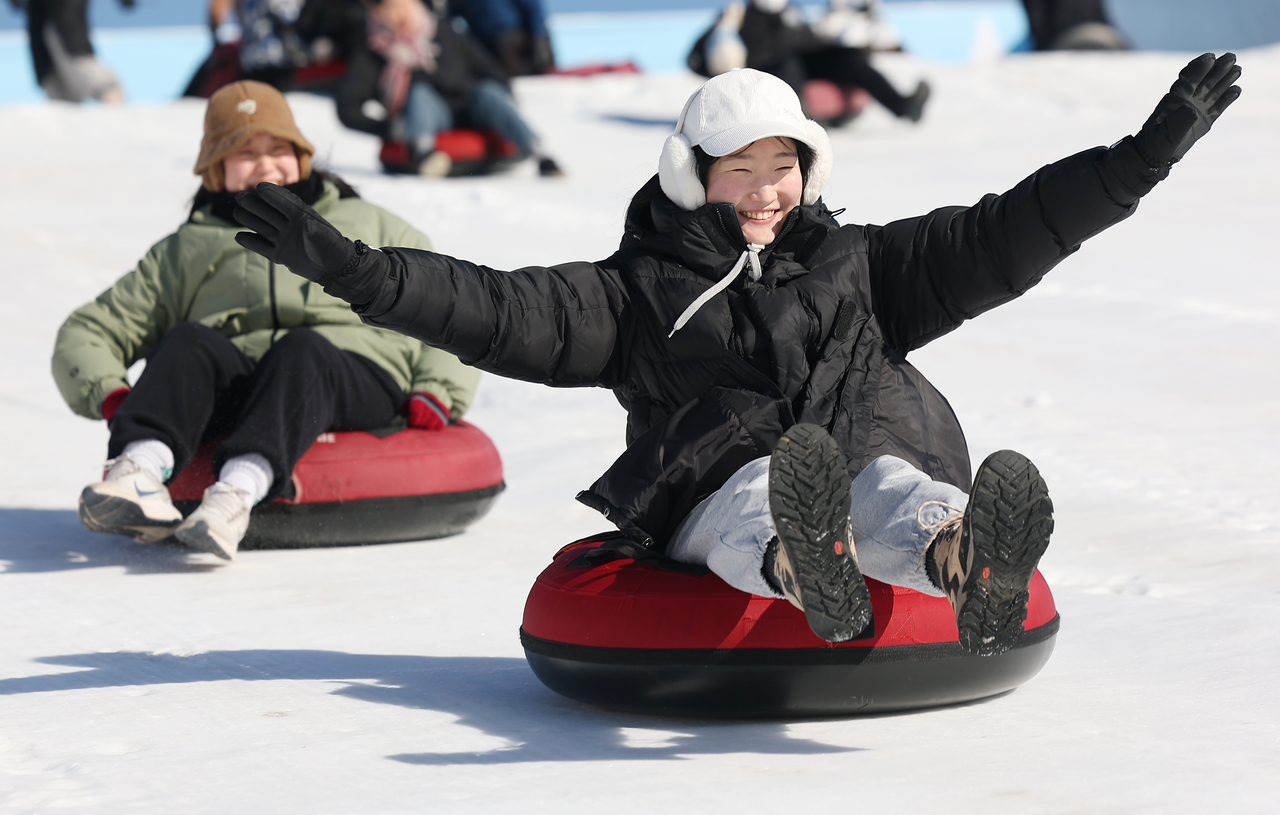
Seasonal sledding facilities sometimes operate at Hangang parks and other designated winter venues. This is a fun option when you want an activity rather than another sightseeing stop.
Only visit after checking the current season's confirmed venue, dates, ticketing and weather closures. Do not assume every Hangang park has a sledding slope.
11. Eat Fresh Bungeoppang from a Street Stall
Warm fish-shaped pastries filled with sweet red bean or other fillings.
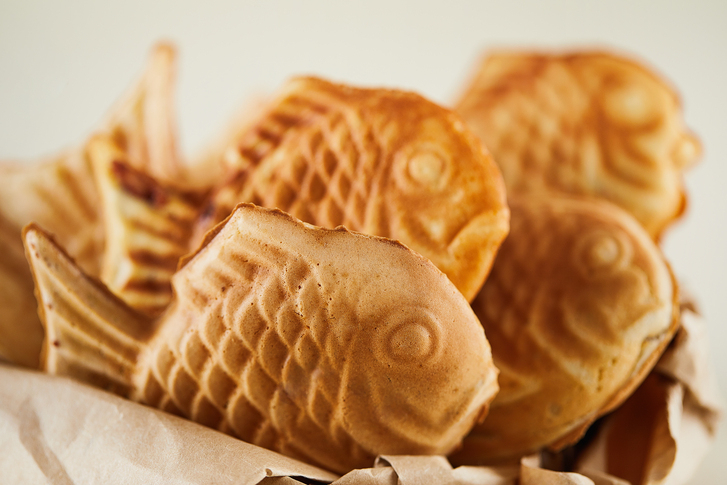
Bungeoppang is one of the small pleasures of winter in Korea. Look for a busy stall near a subway station or market and eat it while it is still hot.
Street stalls move and operating hours vary. Bring a payment method accepted by the vendor and be careful with the hot filling.
12. Try Hotteok at a Traditional Market
A sweet, hot pancake that's especially satisfying in cold weather.
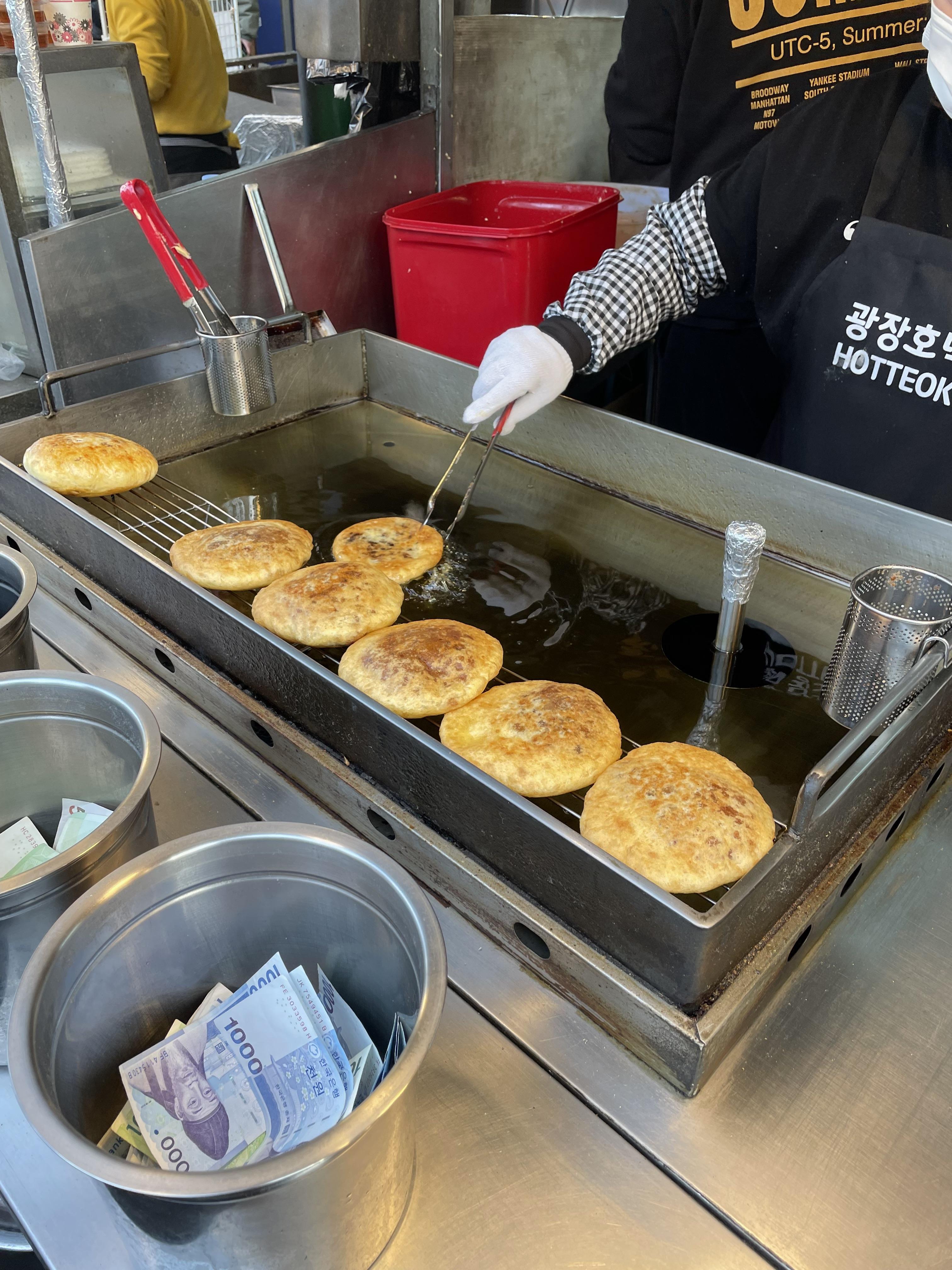
Hotteok combines a crisp exterior with a warm sugar-and-cinnamon filling. Markets are a good place to try it while browsing other Korean snacks.
Fresh hotteok can contain very hot syrup. Let it cool slightly before biting into it.
13. Warm Up with Tteokbokki and Eomuk
Spicy rice cakes and comforting fish-cake broth.

Tteokbokki and eomuk are ideal for a quick winter food stop. A small snack shop or market stall can provide a warm break between sightseeing locations.
Spice levels vary. If you dislike spicy food, order eomuk broth and a milder snack instead.
14. Eat a Steaming Korean Soup or Stew
Comfort food after a freezing day outdoors.
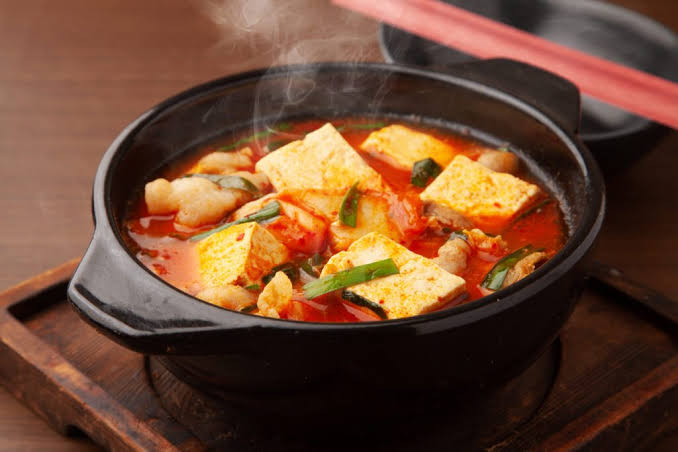
Seolleongtang, sundubu-jjigae, kalguksu and other warming dishes make winter dining feel like part of the trip rather than a necessity. Choose a neighborhood restaurant near your day's activities.
Some soups arrive extremely hot, and certain broths contain meat or seafood. Check ingredients if you have dietary restrictions.
15. Take a Winter Food Walk Through Gwangjang Market
A lively market where you can sample several Korean specialties.
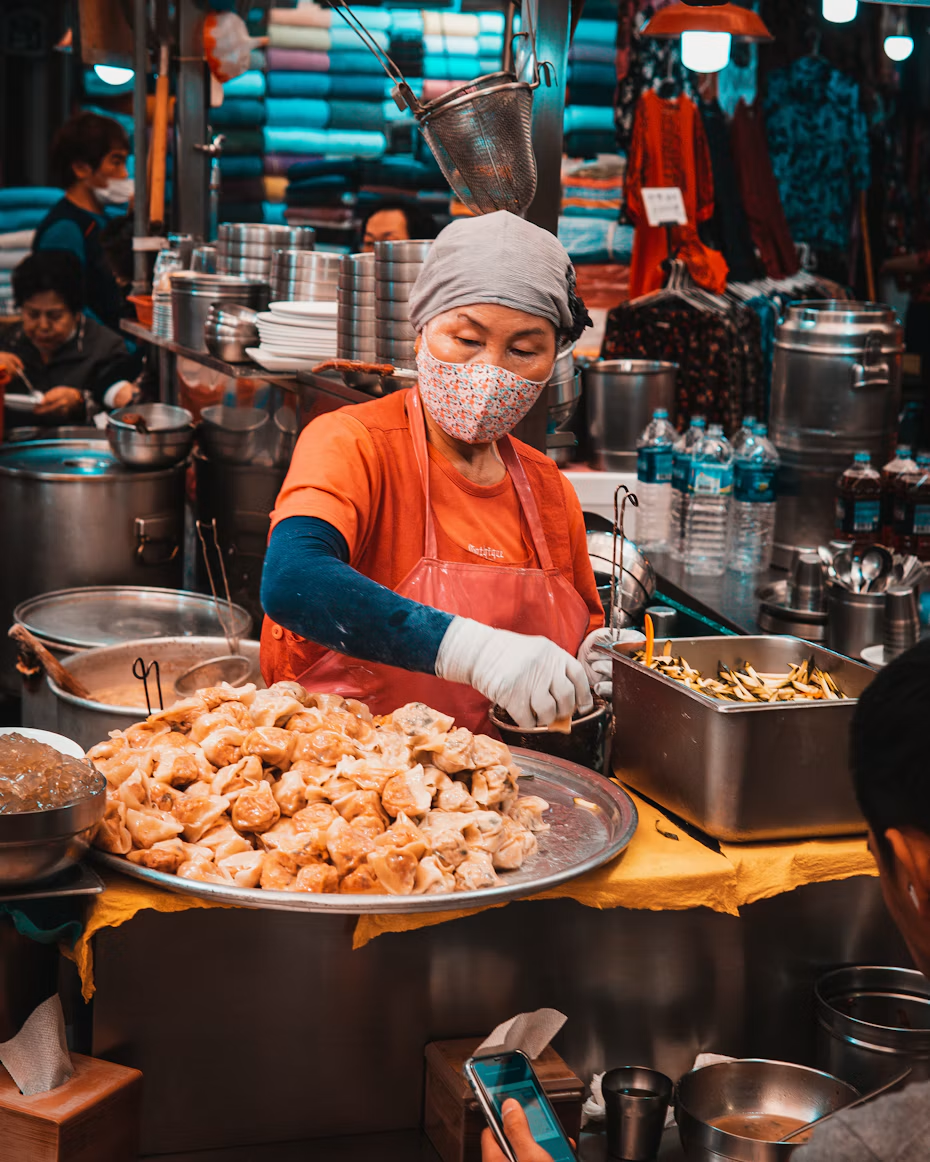
Gwangjang Market works well on a cold day because you can spend time around food stalls rather than wandering between distant attractions. Try a few small dishes instead of filling up at the first counter.
Popular stalls can have queues and prices vary. Check individual vendors' hours, especially around holidays.
16. Spend an Afternoon in a Cozy Hanok Café
Traditional architecture, warm drinks and a slower afternoon.
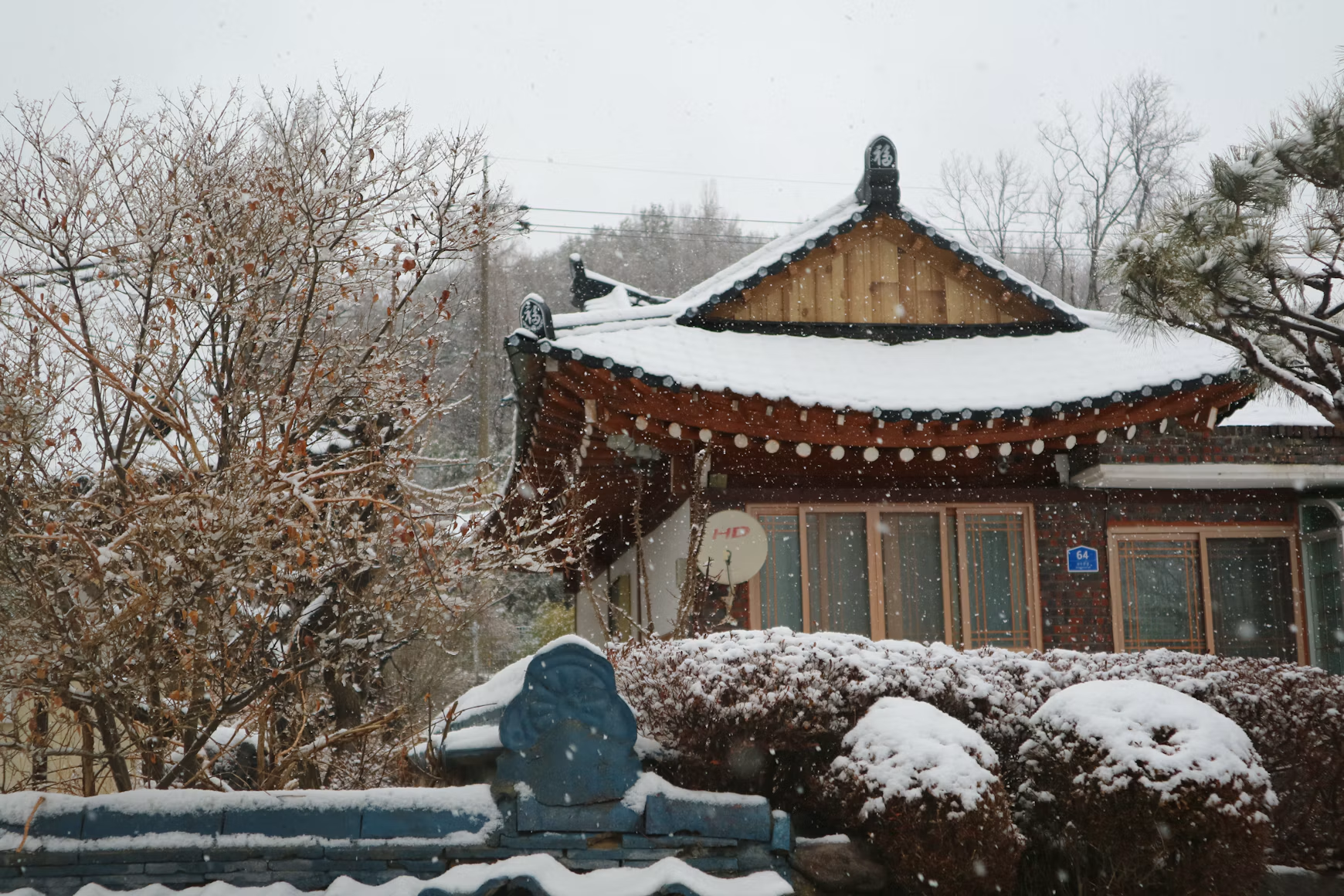
A hanok café around Anguk, Ikseon-dong or Seochon makes an excellent break from winter sightseeing. Choose somewhere with comfortable indoor seating and enjoy the atmosphere.
Popular cafés may have queues and limited seating. Respect photography rules and avoid occupying a table long after finishing.
17. Experience a Korean Jjimjilbang
A Korean bathhouse and sauna experience that's perfect for cold days.
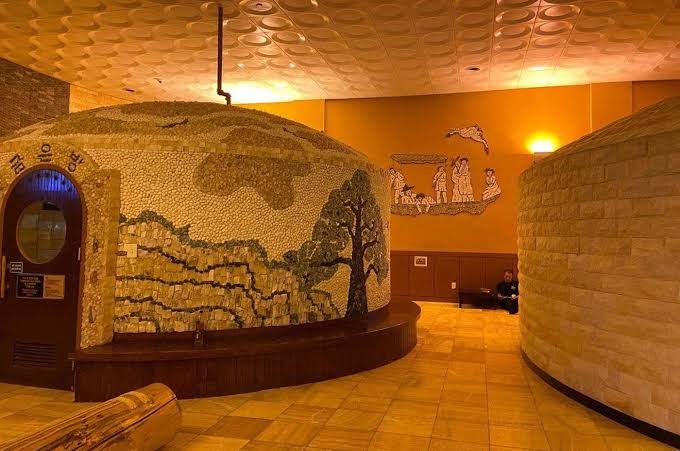
A jjimjilbang can be a memorable introduction to Korean wellness culture. Facilities vary, but many have heated rooms and relaxation areas alongside bathing spaces.
Check the venue's admission rules, tattoos policy, opening hours and whether facilities are separated by gender. Follow local etiquette.
18. Explore Seoul's Museums and Art Galleries
A flexible indoor plan for freezing or snowy afternoons.
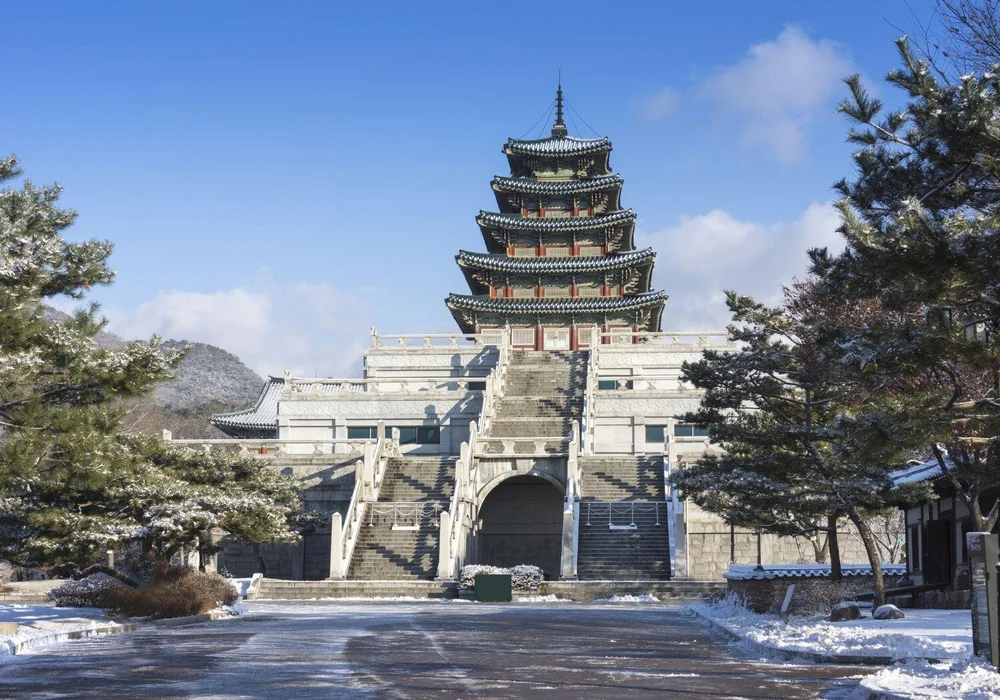
The National Museum of Korea, Seoul Museum of Art and other cultural spaces provide a welcome change from outdoor sightseeing. Choose one museum and explore it properly rather than rushing through several.
Check exhibition schedules, ticketing and closing days. Some special exhibitions require paid admission or advance reservations.
19. Visit Starfield Library at COEX
An iconic indoor library space inside a major shopping complex.
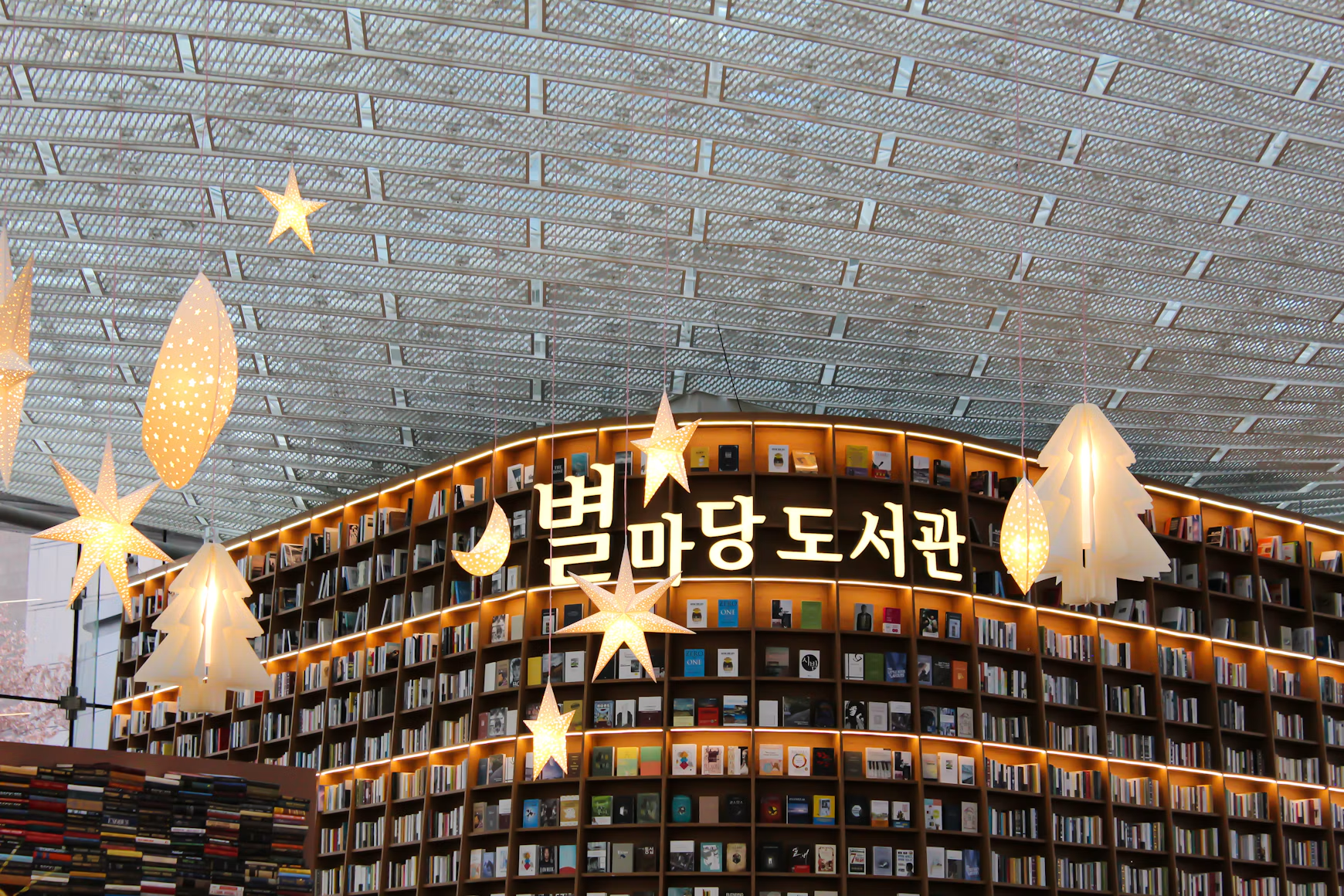
Starfield Library is an easy stop if you are exploring Gangnam or Samseong. Its towering shelves make it visually memorable, and the surrounding complex offers food, shopping and indoor breaks.
It is a popular photo location and can become crowded. Treat it as a short stop rather than an entire day's itinerary.
20. Join a Korean Cooking or Craft Workshop
A hands-on activity that doesn't depend on clear weather.
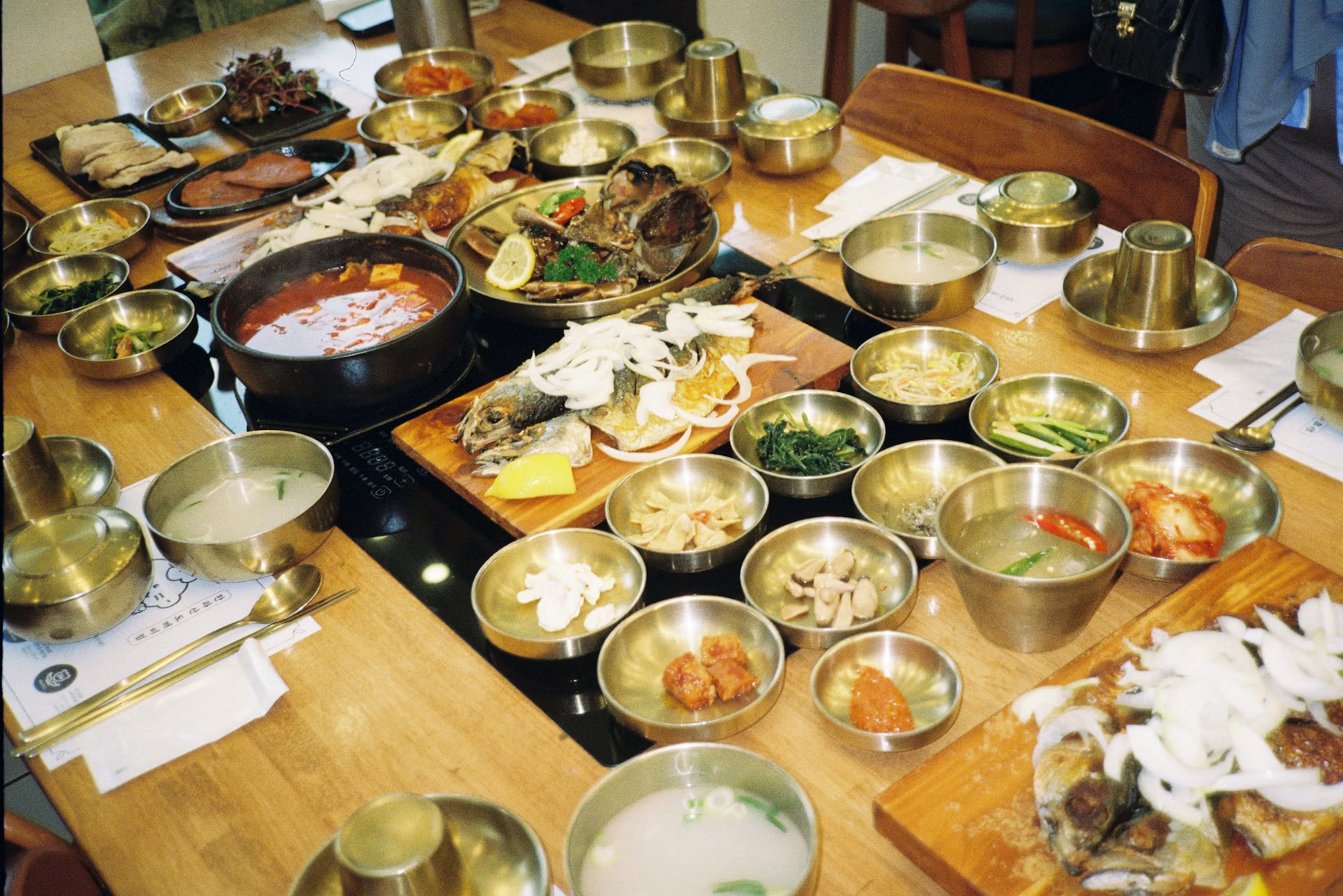
Try making a Korean dish, pottery, perfume or another craft during a cold afternoon. Workshops are especially useful if you want to take home something more personal than a souvenir.
Book with a reputable operator and check language, duration, cancellation rules and whether ingredients or materials are included.
21. Go Skiing at Elysian Gangchon
A popular ski day trip outside Seoul.
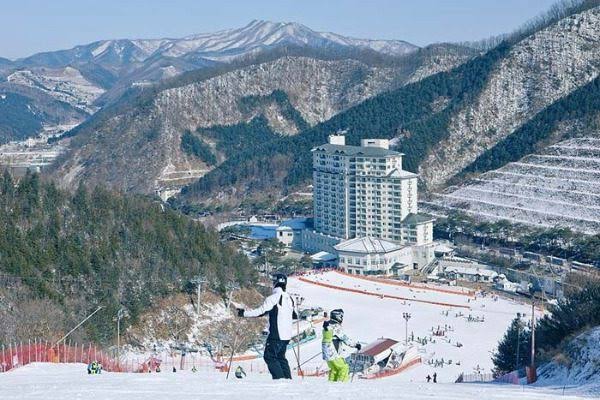
Elysian Gangchon is an option for travelers who want to try skiing or snowboarding without planning an extended mountain holiday. Beginners should consider a lesson and allow time for equipment rental.
Slope availability depends on snow conditions and resort operations. Verify current opening dates, lessons, rental packages and transport before booking.
22. See Nami Island in Winter
Tree-lined paths and a quiet winter landscape outside Seoul.
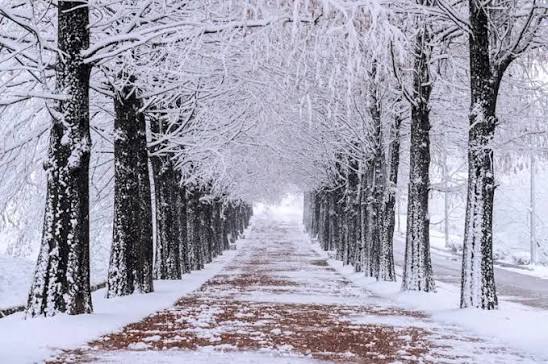
Nami Island is known for its long avenues of trees, which take on a different character in winter. It works best as a relaxed day trip rather than a quick stop between distant attractions.
Snow is not guaranteed. Allow time for transport and the island crossing, and check seasonal operating details.
23. Visit the Garden of Morning Calm Light Festival
A garden transformed by winter illuminations.
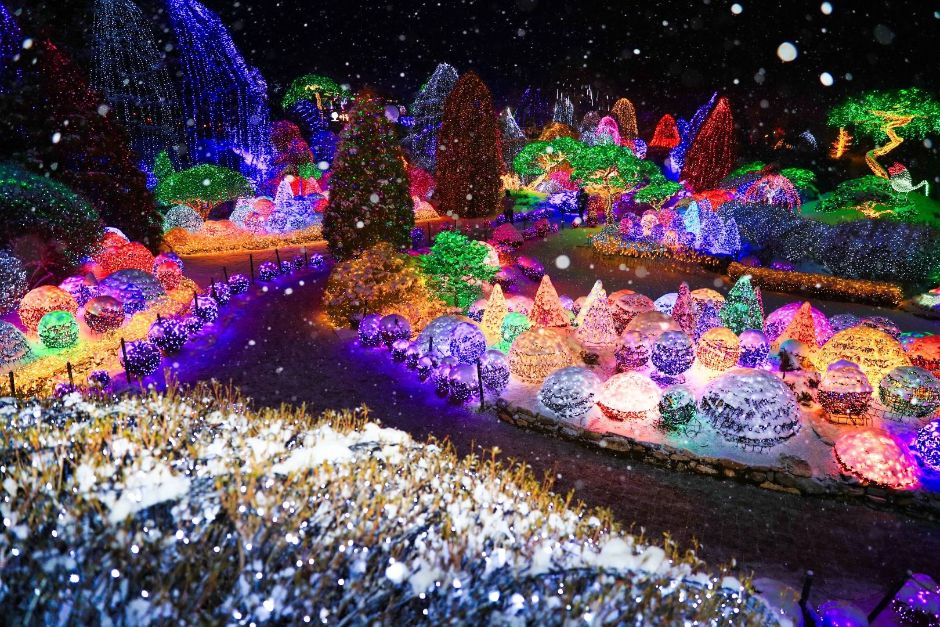
The Garden of Morning Calm's winter lighting festival is a popular evening excursion from Seoul. Pairing it with a nearby daytime destination can make the travel time more worthwhile.
The 2026–2027 festival period is currently listed tentatively as December through March. Confirm exact dates and opening hours before going.
24. Ride a Rail Bike Near Seoul
A scenic countryside activity that can fit into a winter day trip.
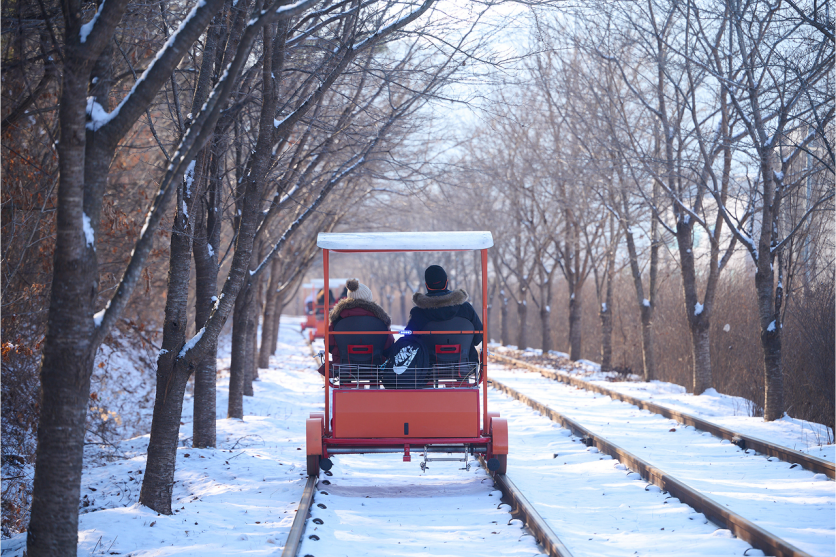
A rail-bike experience around Gangchon offers a different view of the countryside from Seoul's streets. It can pair with other Gapyeong or Chuncheon plans when travel times work.
Winter wind can be severe on an exposed route. Check seasonal operations, weather restrictions and booking requirements.
25. Spend a Winter Day at a Theme Park
Rides, indoor attractions and seasonal decorations.
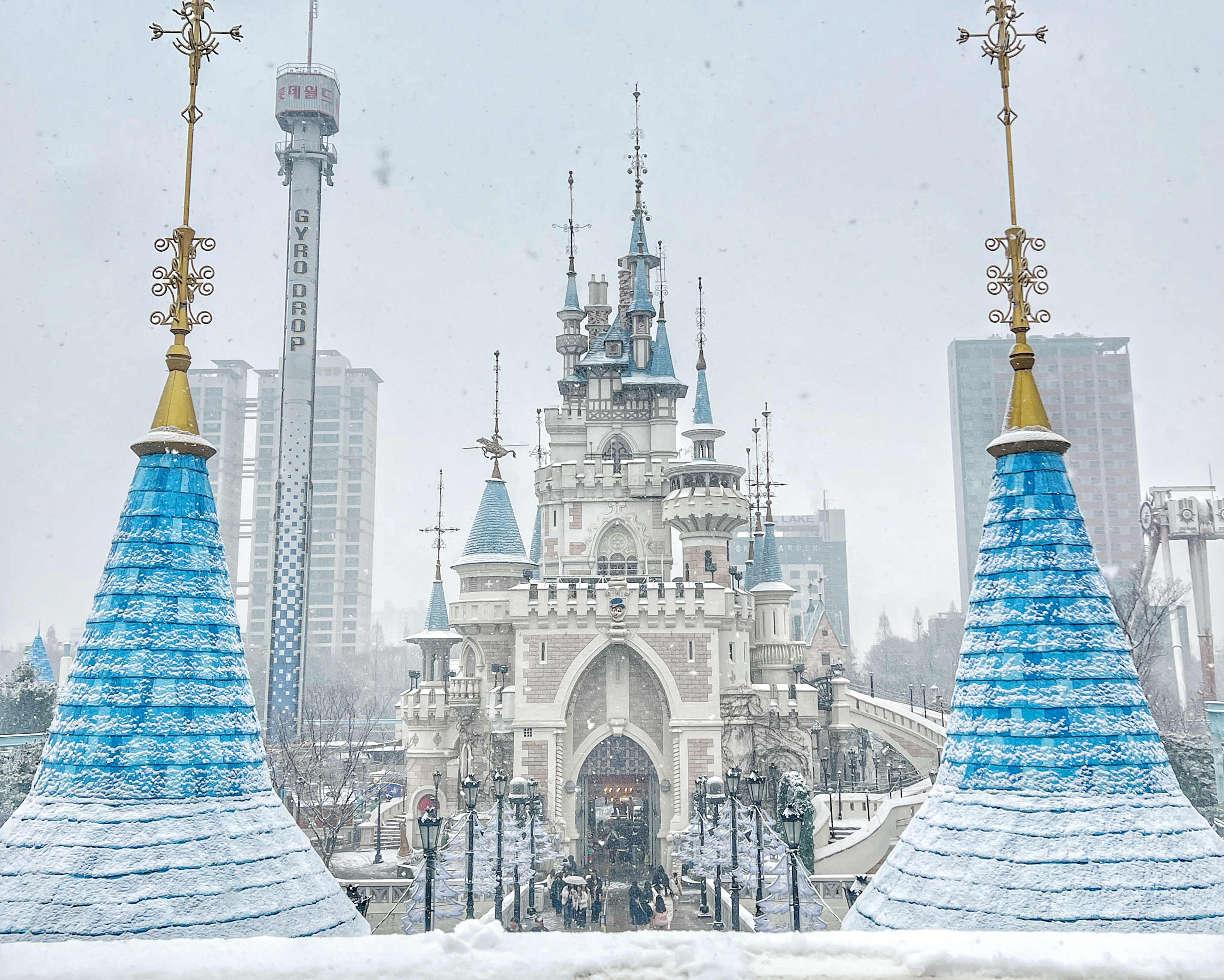
Lotte World is a convenient choice within Seoul, while larger outdoor parks require more travel and careful weather planning. A theme park can be a good alternative when you want an activity-filled day.
Outdoor rides and seasonal events can close because of weather. Check the park's current winter program and operating calendar.
FAQ: Seoul in Winter
Does it snow in Seoul in winter?
Yes, snowfall is possible, particularly in the colder months, but snow is intermittent and may melt quickly. Never plan a trip around guaranteed snow in central Seoul.
How cold is Seoul in December, January and February?
Winter is cold and often dry, with freezing nights and occasional daytime temperatures below zero. January is generally the coldest month. Check the forecast close to your visit and prepare for wind.
What should I wear in Seoul in winter?
Bring a warm insulated coat, thermal layers, gloves, scarf, warm socks and comfortable shoes with good traction. Wind can make outdoor sightseeing feel colder than the temperature suggests.
What are the best free winter activities in Seoul?
Walking around snowy palace neighborhoods, visiting public parks, exploring some museums and enjoying free public light installations can be inexpensive or free. Palace entry and special exhibitions may have fees.
When is the 2026 Seoul Lantern Festival?
The officially published dates are December 11, 2026 through January 31, 2027, at Cheonggyecheon. Check official announcements before visiting.
Sources and Planning Notes
This guide combines established Seoul attractions with seasonal winter activities. Event dates and prices can change. For any festival, rink, ski resort or workshop, check the current operator announcement before visiting.
View official sources used for this guide
Planning More Time in Seoul?
Join The Seoul Edit for more Seoul neighborhoods, Korean food, seasonal events, cafés and practical travel guides.
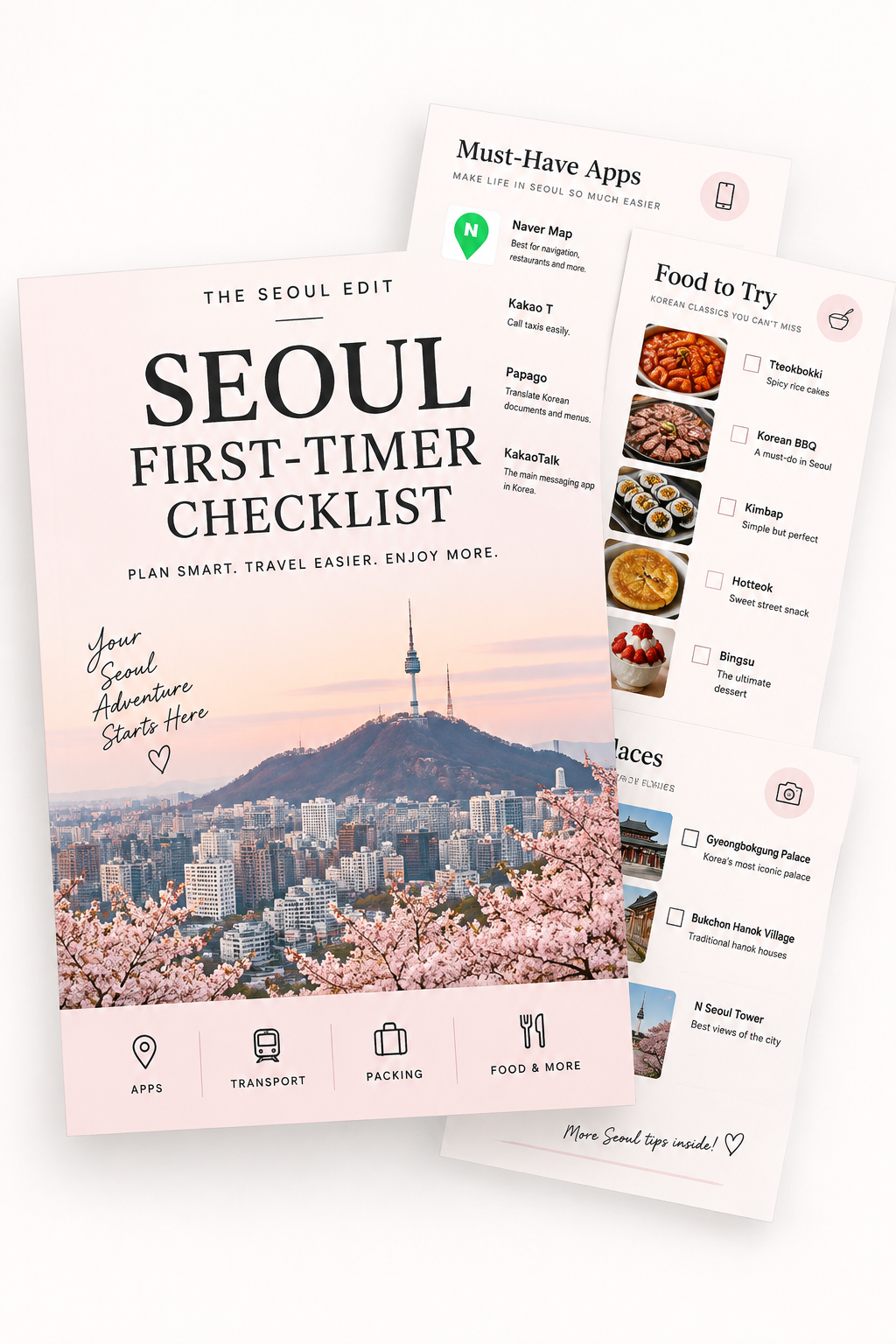
Planning a trip to Seoul?
Final Thoughts
Seoul in winter is not only about seeing snow. Some of the best moments come from contrasts: a freezing walk past palace walls followed by a warm café, a lively market after dark, or a quiet museum afternoon while the temperature drops outside.
If I were planning a first winter trip, I would choose one palace or neighborhood walk, one evening of lights, plenty of Korean comfort food, and a day trip only if the forecast and travel time made sense. Leave room to change plans when the weather changes.