Korea is one of the safest countries many travelers will ever visit, but there is one awkward topic foreigners talk about a lot: cult recruitment.
If you are studying abroad, teaching English, traveling alone, or living in Seoul, you may eventually get approached by strangers who invite you to a cultural event, survey, language exchange, Bible study, coffee meeting, or free dinner.
Most random conversations are harmless, but some are recruitment attempts. This guide explains the warning signs so you can avoid wasting your time or ending up somewhere uncomfortable.
You might also like:
1. Why People Talk About Cults In Korea
♡ Korea is safe, but cult recruitment is something tourists and students should know about

South Korea is generally a very safe country for tourists, students, and expats, but cult recruitment is a real thing people talk about for a reason. Many foreigners who live in Korea have stories about being approached by strangers in busy areas, near universities, in cafés, or through language exchange apps.
This does not mean you should be scared of Korea or suspicious of every person who talks to you. Most people are normal, kind, and just living their lives. But it does mean you should know the common tactics so you can recognize them quickly.
Cult recruitment in Korea often does not look dramatic at first. It can start with a friendly conversation, a survey, a language exchange invitation, a cultural event, or someone asking if you want to get coffee.
The danger is not usually immediate physical danger. The bigger risk is being pressured, manipulated, isolated, asked for money, or pulled into repeated meetings before you understand what the group actually is.
Korea safety picks:
Portable Charger AirTag
Shop through my Amazon links to check the latest price and deals ♡ As an Amazon Associate, The Seoul Edit earns from qualifying purchases.
2. Why Foreigners, Students, And Expats Get Targeted
♡ New people in Korea are easier to approach because they may not know the red flags yet

Foreigners can be attractive targets because they may be new to Korea, alone, curious about Korean culture, and open to making friends.
Exchange students, language students, English teachers, solo travelers, and new expats are especially likely to accept invitations because they may want local friends or cultural experiences.
Recruiters often know this. That is why the invitation usually sounds harmless: language exchange, cultural ceremony, university project, personality test, international friendship group, free dinner, or a casual café hangout.
The biggest warning sign is not friendliness itself. The warning sign is when someone becomes unusually invested in you very quickly and tries to move the interaction somewhere else.
Korea safety picks:
RFID Passport Holder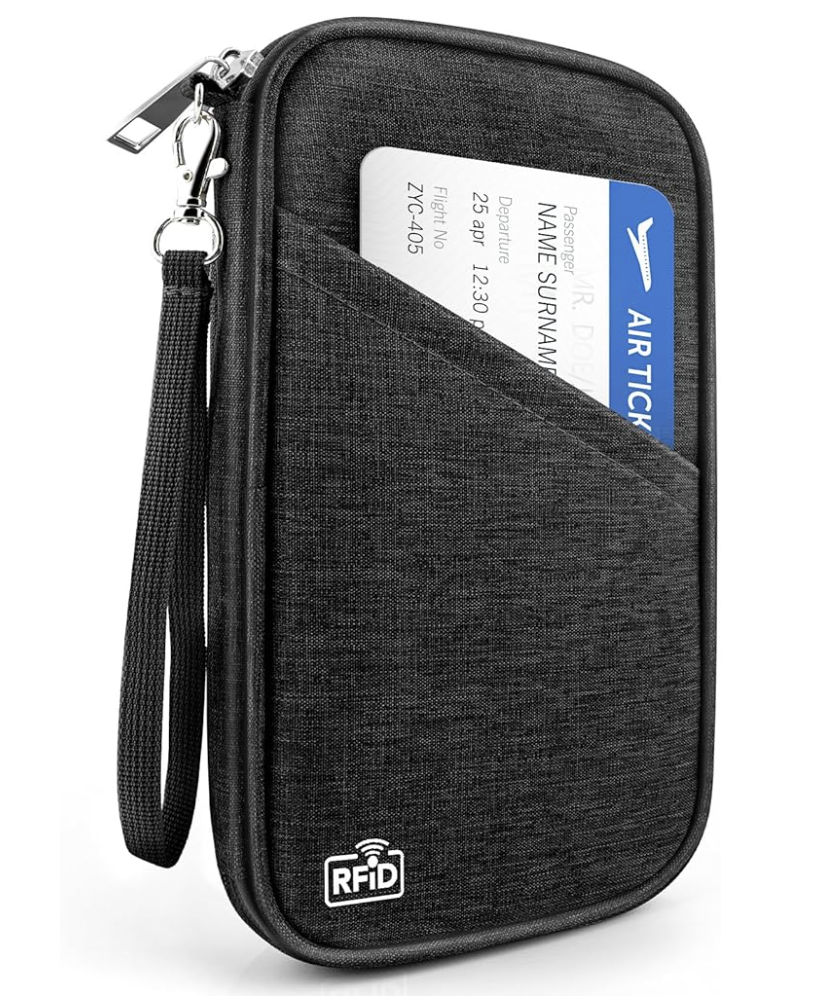 Travel Daypack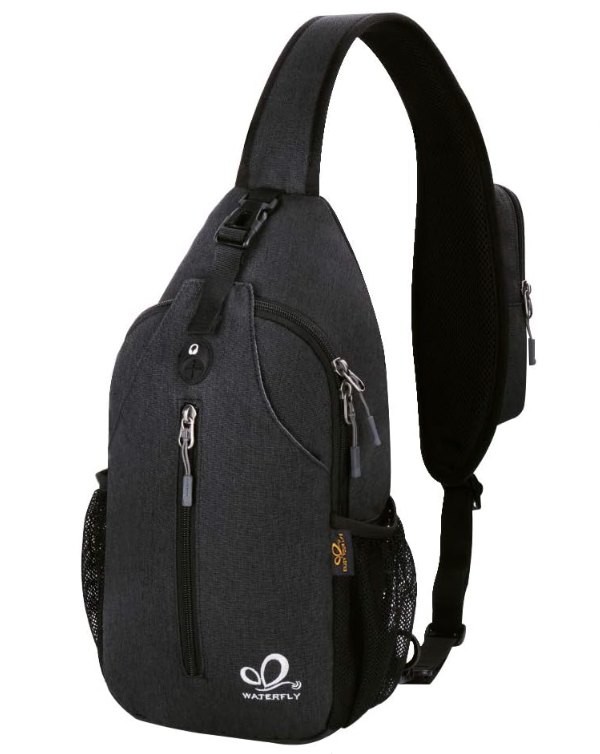
Shop through my Amazon links to check the latest price and deals ♡ As an Amazon Associate, The Seoul Edit earns from qualifying purchases.
3. The “Cultural Experience” Invitation
♡ Tea ceremony, ancestor ritual, hanbok experience, or traditional event can be used as bait

One of the most common stories foreigners share is being invited to a “cultural experience.” It may sound like a tea ceremony, traditional Korean event, ancestor ritual, hanbok activity, or free cultural class.
The problem is not cultural experiences themselves. Real cultural programs exist in Korea. The red flag is when strangers approach you on the street, give very vague details, and pressure you to follow them immediately.
A normal event should have a clear organization name, website, address, schedule, and explanation. You should be able to look it up before going.
If someone says, “Come with us now,” “It will only take a short time,” or “We cannot explain fully until you arrive,” do not go.
Korea safety picks:
Power Bank Portable Charger
Shop through my Amazon links to check the latest price and deals ♡ As an Amazon Associate, The Seoul Edit earns from qualifying purchases.
4. Language Exchange Apps And Friendship Scams
♡ Some recruiters use language exchange, friendship groups, and social media to meet targets

Cult recruitment has increasingly moved online. Instead of approaching people on the street, some groups now use language exchange apps, Instagram, Facebook groups, Kakao Open Chat rooms, and friendship communities.
Apps like HelloTalk, InterPals, and other language exchange platforms are often used legitimately. Thousands of people use them every day to learn languages and make friends.
However, some recruiters use these platforms to build trust before inviting people to meet in person. The conversation may seem completely normal for days or even weeks before religion is mentioned.
Be cautious if someone quickly pushes for repeated meetings, avoids explaining the purpose of a gathering, or insists you attend a special event before getting to know them properly.
Korea safety picks:
Power BankTravel DaypackShop through my Amazon links to check the latest price and deals ♡ As an Amazon Associate, The Seoul Edit earns from qualifying purchases.
5. MBTI Surveys, School Projects, And Personality Tests
♡ One of the most commonly reported recruitment methods in Korea

A surprisingly common recruitment tactic involves surveys, questionnaires, personality tests, or MBTI assessments.
Recruiters may claim they are conducting a university project, psychology study, cultural survey, or friendship matching program.
The survey itself often looks harmless. The goal is usually to start a longer conversation and establish trust.
If a stranger approaches you with a survey and then immediately begins asking personal questions about your relationships, stress levels, religion, family, loneliness, or future plans, treat that as a warning sign.
Most legitimate surveys do not require you to follow strangers to a second location or share detailed personal information.
Korea safety picks:
Portable ChargerAirTagShop through my Amazon links to check the latest price and deals ♡ As an Amazon Associate, The Seoul Edit earns from qualifying purchases.
6. Common Recruitment Red Flags
♡ The patterns many foreigners report seeing again and again

While every group operates differently, many stories shared by foreigners follow surprisingly similar patterns.
Common warning signs include:
- Two strangers approaching together
- Being asked if you are alone
- Questions about how long you will stay in Korea
- Invitations to free events with vague details
- Pressure to move to another location
- Requests for your phone number or KakaoTalk immediately
- Repeated contact after you decline
- Refusal to clearly explain their organization
One warning sign by itself does not prove anything. Several of these happening together should make you cautious.
Korea safety picks:
RFID Passport HolderTravel DaypackShop through my Amazon links to check the latest price and deals ♡ As an Amazon Associate, The Seoul Edit earns from qualifying purchases.
7. Shincheonji, JMS, And WMSCOG
♡ The names foreigners most commonly encounter when researching Korean cults

When people discuss cults in Korea, three names appear frequently: Shincheonji, JMS (Providence), and the World Mission Society Church of God (WMSCOG).
Each group has its own beliefs, leadership structure, and recruitment methods. What matters for visitors is not memorizing every detail but understanding how recruitment usually works.
Recruiters often avoid identifying their organization immediately. Instead, they focus on building trust first through friendship, cultural activities, volunteering, Bible study invitations, or social events.
If someone repeatedly avoids answering direct questions about their group, church, leader, or organization, that is a major red flag.
Always research any organization before attending meetings, classes, retreats, or study sessions.
Korea safety picks:
Portable ChargerPower BankShop through my Amazon links to check the latest price and deals ♡ As an Amazon Associate, The Seoul Edit earns from qualifying purchases.
8. How To Leave Safely If You Feel Uncomfortable
♡ You do not need to be polite forever — leave clearly and quickly

If someone approaches you and the conversation starts feeling strange, you do not need to keep explaining yourself.
Simple responses work best:
- No thank you.
- Sorry, I have plans.
- I am meeting a friend.
- 죄송하지만 괜찮아요.
- 바빠서 가야 해요.
Do not argue, debate, or try to prove they are wrong. Just leave.
If they keep following you, go into a café, convenience store, subway station, bank, or crowded public area.
Korea safety picks:
AirTagPower BankShop through my Amazon links to check the latest price and deals ♡ As an Amazon Associate, The Seoul Edit earns from qualifying purchases.
9. Online Cult Recruitment Is Growing
♡ Language apps, Instagram, Kakao, and online communities can all be used

Cult recruitment in Korea is not only something that happens on the street anymore.
Some people are approached through language exchange apps, Instagram, KakaoTalk, Facebook groups, Discord, university chats, or expat groups.
Be careful if someone you barely know quickly asks for your schedule, wants to meet repeatedly, or invites you to a vague group activity.
If something feels off, block them. You do not owe strangers unlimited access to your time.
Korea safety picks:
Portable ChargerTravel DaypackShop through my Amazon links to check the latest price and deals ♡ As an Amazon Associate, The Seoul Edit earns from qualifying purchases.
10. What To Do If You Think Someone Is Recruiting You
♡ Trust your instincts, protect your information, and tell someone

If you think someone is trying to recruit you, the most important thing is to trust your instincts early.
Do not share your address, school, workplace, hotel, KakaoTalk, phone number, or daily schedule with strangers.
If you already shared your number, you can block them. If you feel pressured or scared, tell a friend, teacher, dorm manager, school office, or local contact.
Korea is still very safe overall. The goal is not to become paranoid. The goal is to recognize manipulative behavior before it wastes your time or pulls you into something uncomfortable.
Korea safety picks:
RFID Passport HolderPower BankShop through my Amazon links to check the latest price and deals ♡ As an Amazon Associate, The Seoul Edit earns from qualifying purchases.
11. Sources and Further Reading
This guide is based on common experiences shared by foreigners in Korea, student safety discussions, and reporting about recruitment tactics.
The Yonsei Annals: Cults In South Korea
12. FAQ: Cults In Korea
Are cults common in Korea?
Cult recruitment is discussed often by foreigners in Korea, especially around universities, busy areas, and language exchange spaces. Most visitors will be fine, but it helps to know the common tactics.
Do cults in Korea target foreigners?
Some recruiters do target foreigners because they may be new, curious, alone, and unfamiliar with the warning signs.
What are common cult recruitment tactics in Korea?
Common tactics include cultural experience invitations, language exchange, MBTI tests, surveys, coffee meetings, free dinners, Bible study invitations, and vague group events.
Is everyone who talks to me in Korea suspicious?
No. Most people are normal. The red flag is when strangers become too friendly too fast, avoid explaining who they are, or pressure you to go somewhere immediately.
What should I do if I gave my number to someone suspicious?
Block them, do not meet again, and tell a friend if you feel uncomfortable. You do not have to keep responding.
Is Korea safe for tourists and students?
Yes. Korea is generally very safe, but tourists and students should still know basic safety habits and common recruitment tactics.
Want More Korea Safety Guides?
Join the list for Korea travel tips, Seoul safety guides, culture explainers, food guides, and local discoveries.
Planning a trip to Seoul?
13. Final Thoughts
Korea is still a very safe place to visit, study, and live. This article is not meant to scare you away from meeting people or enjoying Korean culture.
The goal is simply to know the patterns. If someone is vague, overly intense, secretive, or pressuring you to go somewhere, you can leave.
You do not need to be rude, but you also do not need to sacrifice your comfort to be polite. Trust your instincts, protect your information, and enjoy Korea with confidence.