There is something slightly surreal happening in one of Seoul's oldest toy-shopping districts.
Dongdaemun's stationery and toy market has spent decades selling the kind of things you would expect: school supplies, stickers, plastic toys, character goods, party supplies, and inexpensive products for children. But look at the people crowding around some of its busiest displays in 2026 and you may notice that a lot of them are not children at all.
They are university students, couples, and office workers in their 20s and 30s. Some have Instagram open on their phones. They are searching for 말랑이, or mallangi, along with wax balls, clicking keycap toys, slime hybrids, and other objects whose main purpose is simply to feel satisfying in your hands.
It would be easy to dismiss the whole thing as another viral toy. But the more interesting question is: why do so many stressed adults suddenly want toys designed for squeezing, cracking, stretching, and clicking?
Read: Where to Buy Squishies in Seoul
Read: Why Korean People Don't Always Say Exactly What They Mean
1. First, What Exactly Is a Mallangi?
♡ Korea’s current squishy obsession is bigger than the foam toys you may remember from childhood.
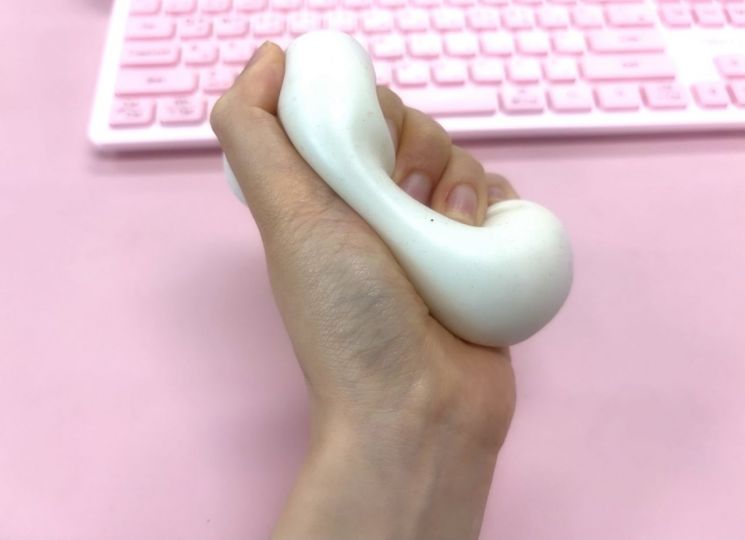
Walk into the right stationery shop in Korea right now and you may see a surprisingly serious group of adults standing around what looks like a pile of children's toys. They squeeze one. Put it back. Pick up another. Stretch it. Compare it with a friend. Then somebody pulls out a phone to check whether it is the exact version they saw online.
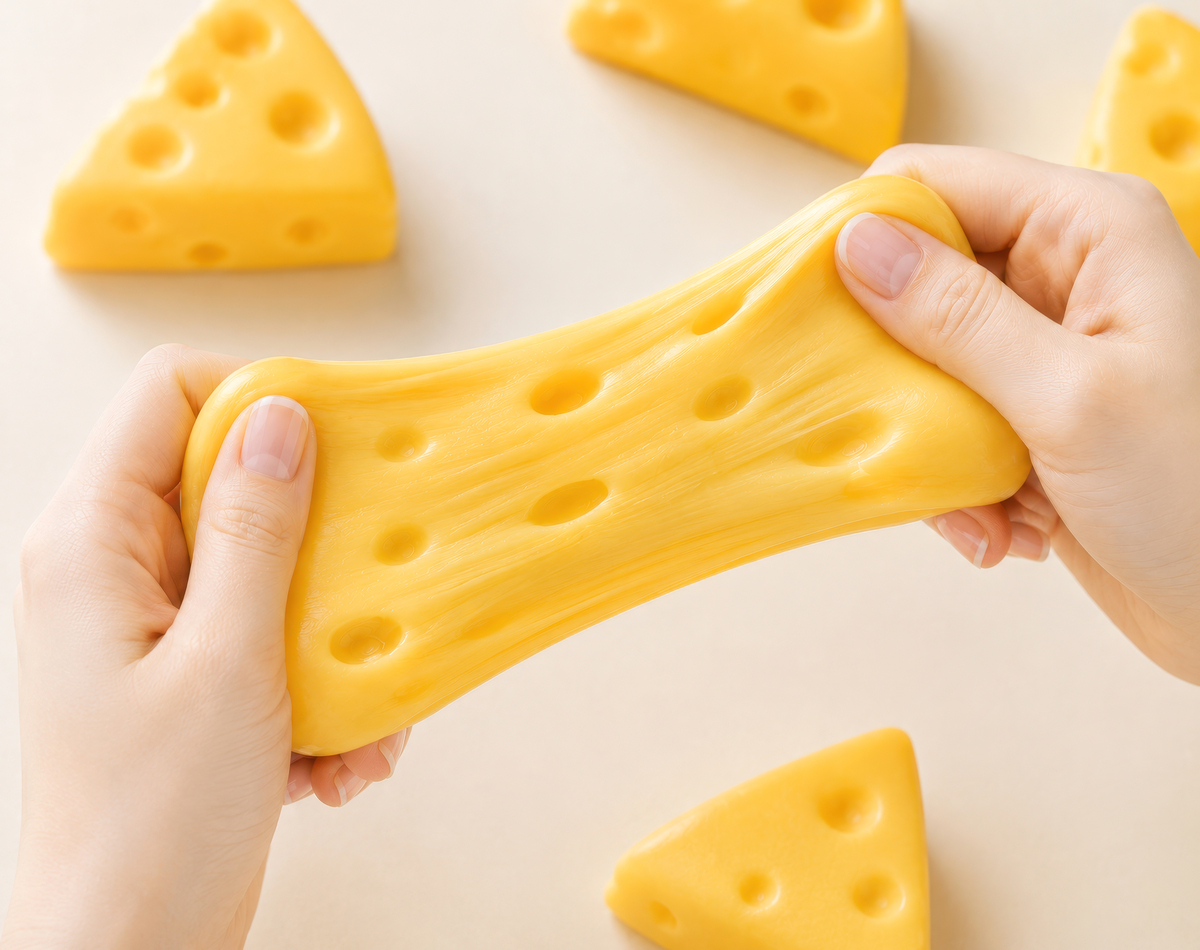
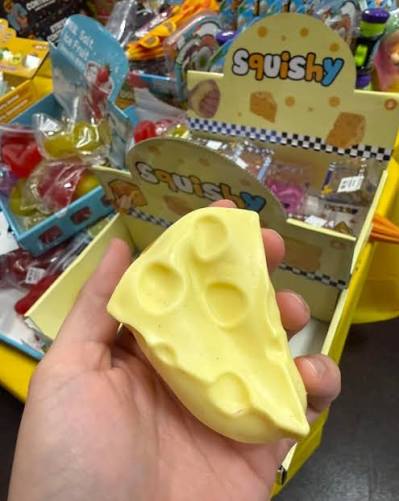
At the center of this trend is the 말랑이, usually written in English as mallangi. The name comes from mallang, meaning soft or squishy. Mallangi are tactile toys designed to be pressed, kneaded, stretched, squeezed, or simply fiddled with in your hands.
But "squishy" no longer describes one specific kind of toy. The same sensory-toy world now includes sticky mallangi, slow-rising toys, slime hybrids, wax-coated balls that crack when squeezed, mechanical keycap fidgets, stress balls, tiny keychain toys, and products designed as much around sound as texture.
What makes the current Korean craze interesting is not really the toys themselves. Korea has had slime, fidget toys, character goods, and collectible crazes before. What is unusual is who is buying them now and what those buyers say they are getting from them.
Shop squishies & sensory toys:
Crunchy Butter Squishy, 2 Pack 30 Pack Kawaii Squishy Toys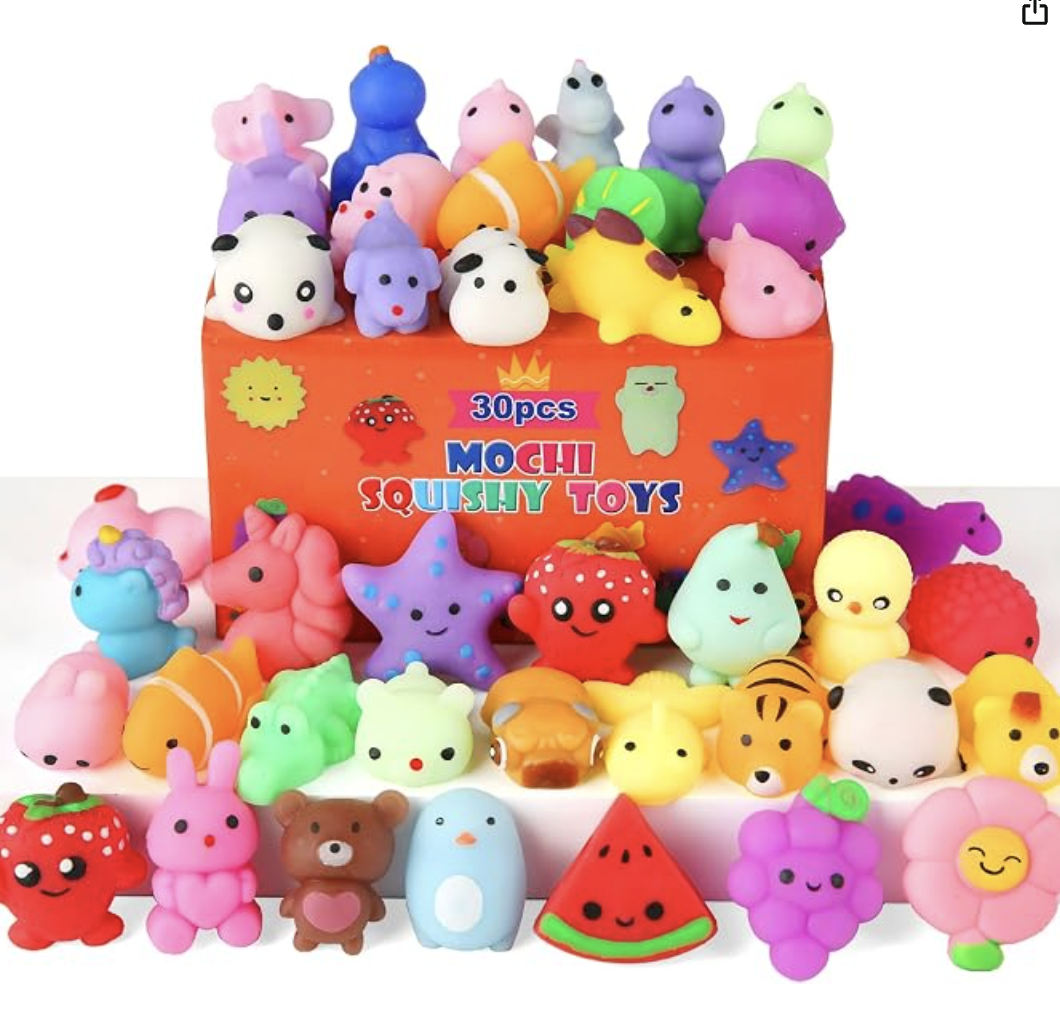
Some links may be affiliate links. The Seoul Edit Blog may earn a commission at no additional cost to you.
2. The Strange Part: Adults Have Taken Over an Old Toy Street
♡ A decades-old wholesale district once associated with children and school supplies is suddenly full of university students and office workers.
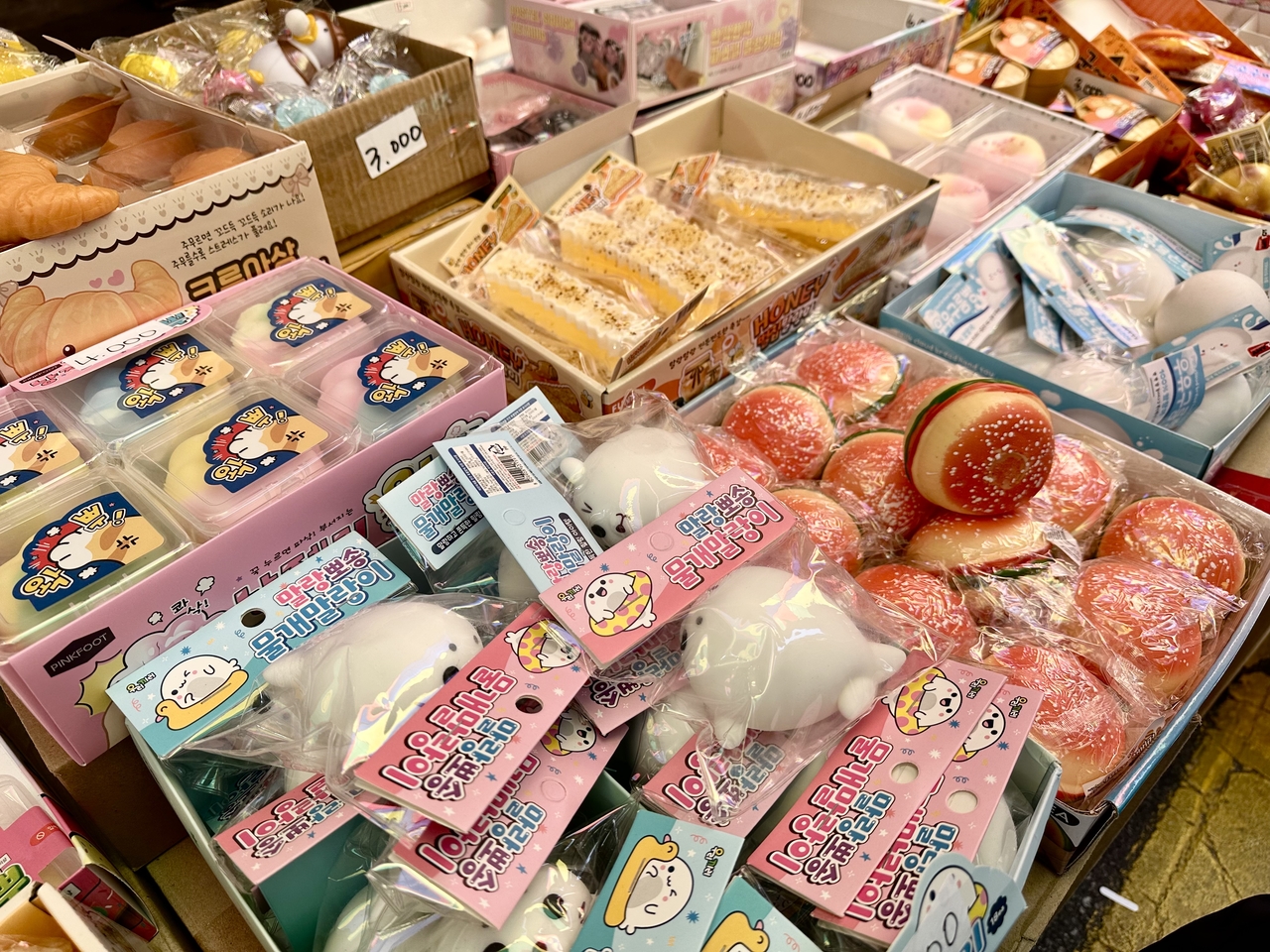
The best place to understand the trend is not a futuristic concept store in Seongsu. It is one of Seoul's old wholesale shopping districts.
Dongdaemun Stationery and Toy Market in Changsin-dong has spent decades selling toys, stationery, stickers, school supplies, and inexpensive goods. It is the kind of market many Koreans associate with childhood rather than whatever is currently fashionable among people in their twenties.
Yet in 2026, reporters visiting the market repeatedly described the same strange reversal. The people crowded around tactile-toy displays were often not elementary school students. They were university students, couples, and office workers in their 20s and 30s.
Some merchants who had worked in the district for decades said the sudden arrival of young adult customers was something they had not experienced in years. Recent reporting has even described Dongdaemun as a "mallangi mecca" on social media.
That makes the squishy craze more than another product trend. It is changing who uses a part of Seoul that was built around an older model of wholesale toy shopping.
Shop squishies & sensory toys:
30 Pack Kawaii Squishy ToysCheese Squishy Stress Relief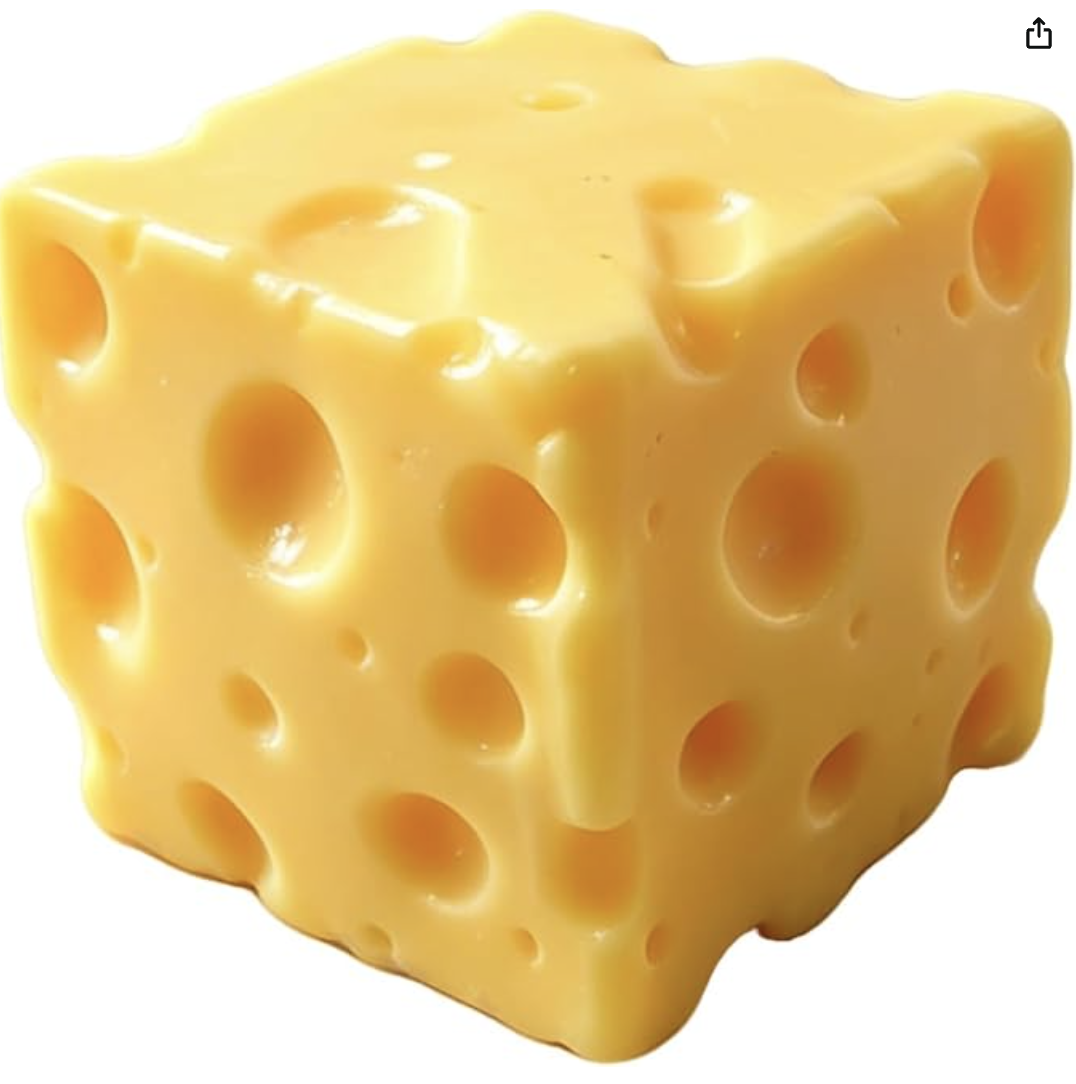
Some links may be affiliate links. The Seoul Edit Blog may earn a commission at no additional cost to you.
3. It Is Not Just Squishies Anymore
♡ Mallangi are part of a larger world of products designed around touching, squeezing, clicking, cracking, and listening.
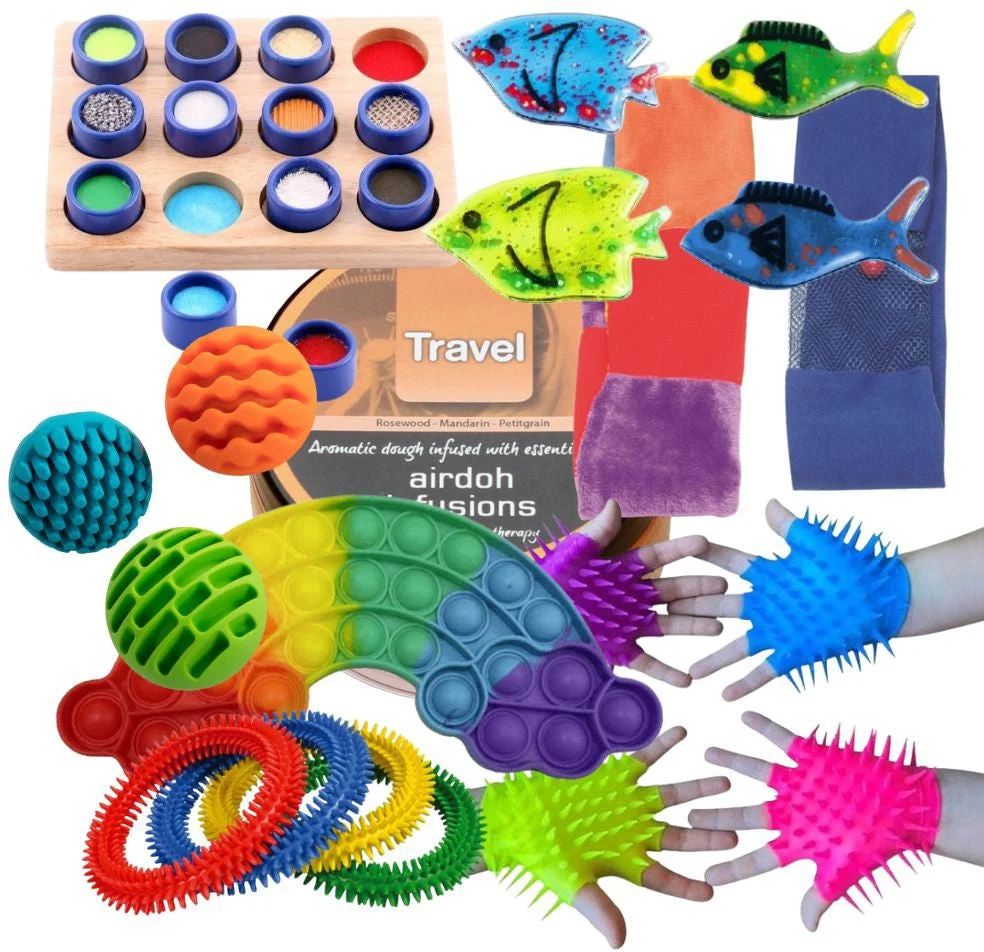
One reason the trend keeps expanding is that there is no single sensory experience everyone wants. Some people want softness. Others want resistance. Some want something sticky. Some want a toy that slowly returns to its original shape.
Then there are products that barely resemble conventional squishies. Mechanical keycap toys recreate the satisfying click of a keyboard switch. Slime-mallangi hybrids combine stretching and squeezing. Wax-covered stress balls are designed specifically to be cracked.
That turns sensory toys into something closer to a menu of tiny sensations. You can choose the exact type of feedback your hands and brain find satisfying.
It also creates endless novelty. Once you already own a soft mallangi, there is still a sticky one, a denser one, a slow-rising one, a clicking keychain, a wax ball, or some completely new hybrid waiting to appear in your feed next week.
Shop squishies & sensory toys:
Crayola Globbles 16ct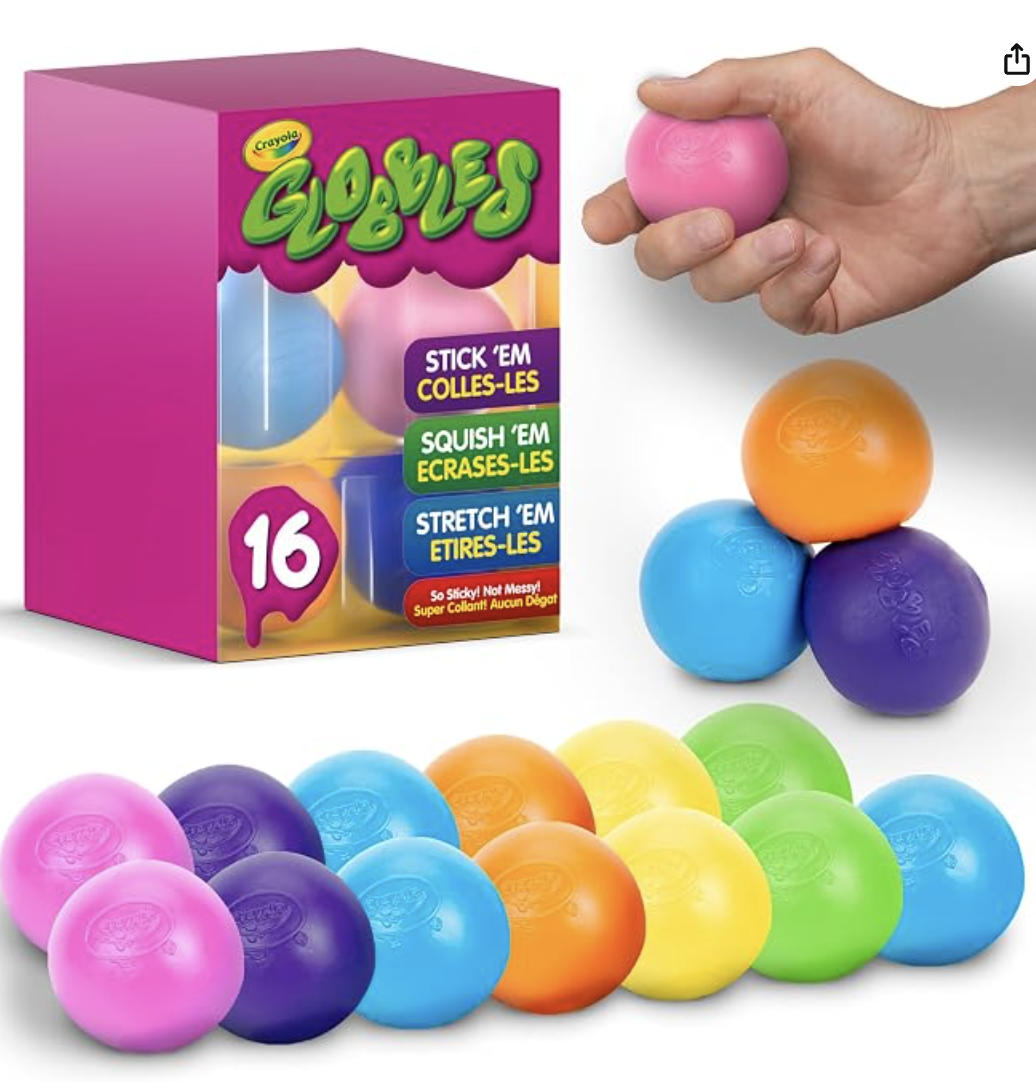 Squishy Fidget Stress Cube Pack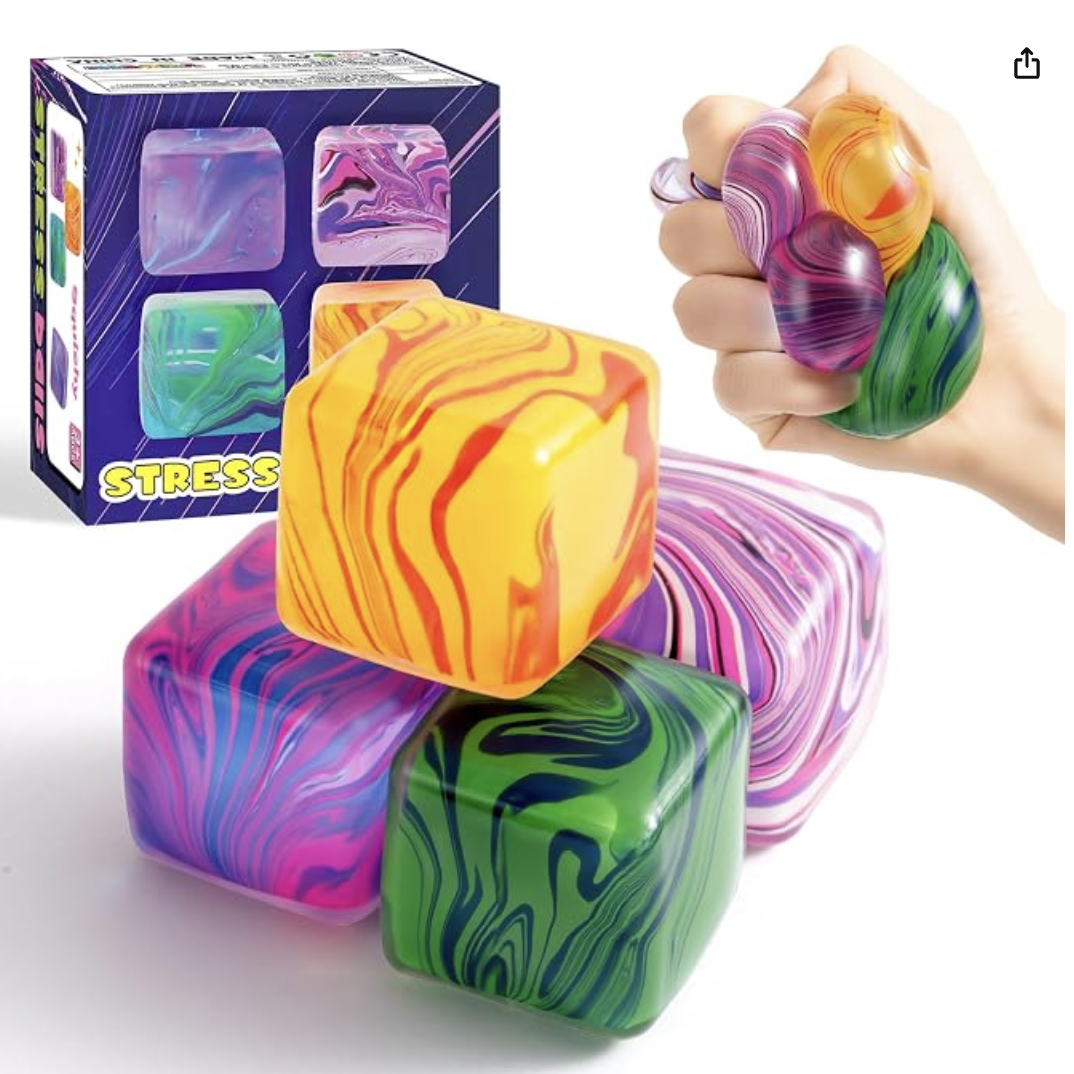
Some links may be affiliate links. The Seoul Edit Blog may earn a commission at no additional cost to you.
4. Stress Relief Is the Most Obvious Explanation
♡ A small object you can squeeze at your desk offers a physical interruption to a very screen-heavy day.
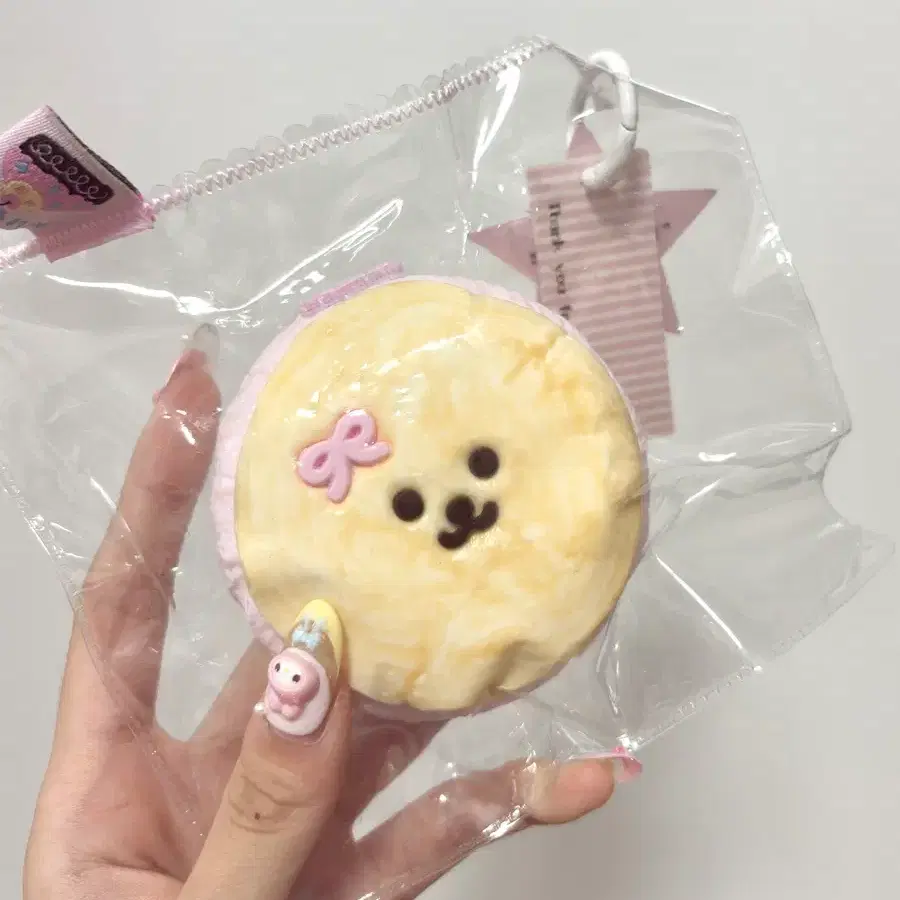
Ask adults why they keep a mallangi around and one explanation comes up again and again: stress.
Recent Korean reporting has interviewed office workers who say they fiddle with mallangi while working or use them when they feel tense. The appeal is easy to understand even without treating the toy as anything medically profound. Your hands have something repetitive, physical, and low-effort to do for a few minutes.
That matters in a daily environment dominated by screens. Studying, office work, commuting, messaging, watching short-form video, and even relaxing often involve staring at another rectangle. A squishy gives you something that is deliberately not a screen.
It asks almost nothing from you. There is no score to beat, no notification, no subscription, no skill to learn, and no need to finish anything. You squeeze it and put it down.
That simplicity may be exactly why such an unserious object feels useful during a serious day.
Shop squishies & sensory toys:
NeeDoh Nice Ice Baby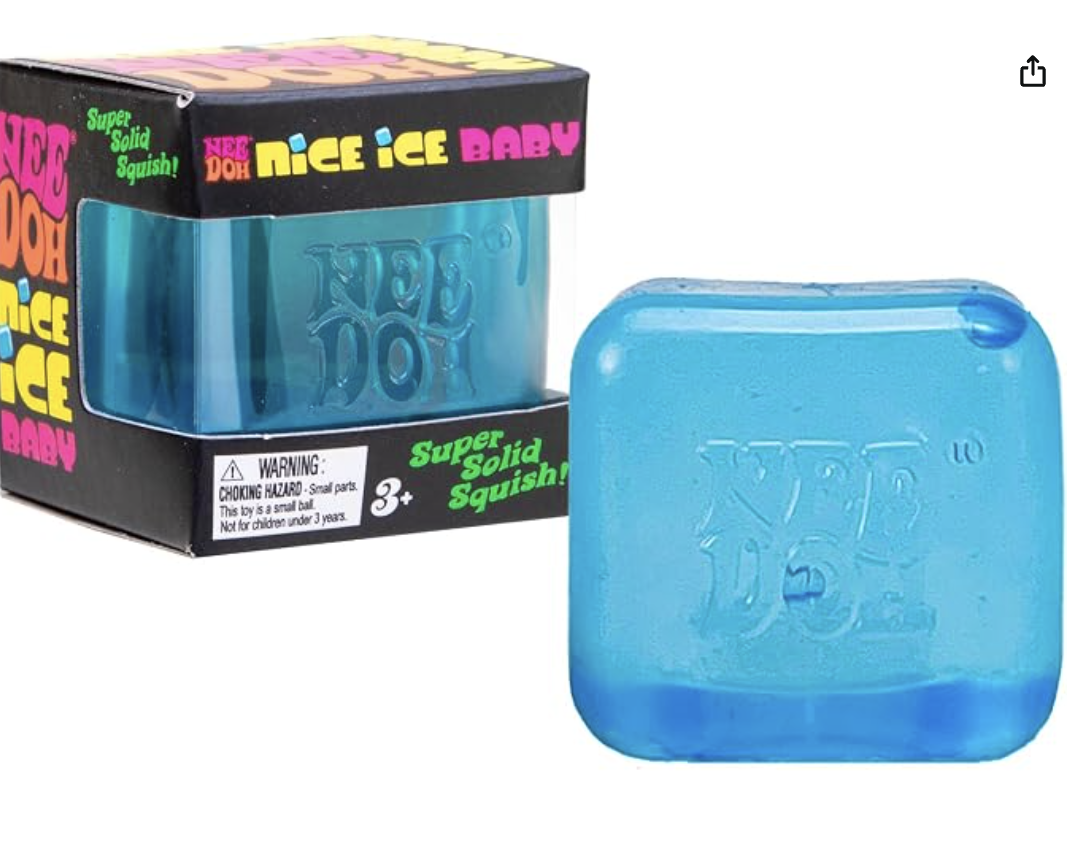 Squishy Fidget Stress Cube Pack
Some links may be affiliate links. The Seoul Edit Blog may earn a commission at no additional cost to you.
5. Squishies Were Basically Made for the ASMR Era
♡ The toys do not just feel satisfying. They produce exactly the kind of tiny sounds and close-up visuals that short-form video loves.
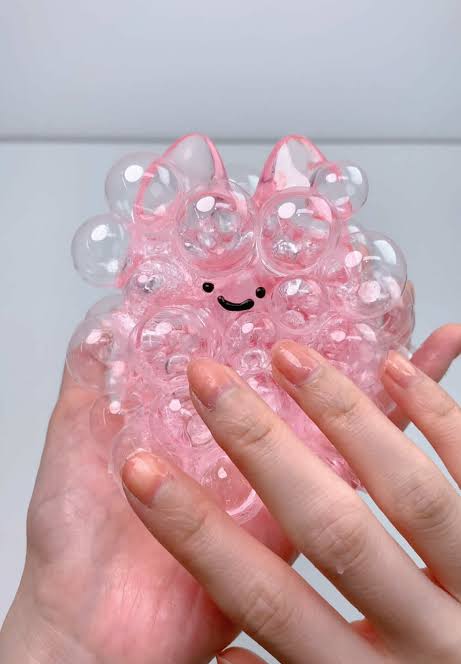
The current sensory-toy boom would probably look very different without TikTok, Instagram Reels, and YouTube Shorts.
Squishing a mallangi works unusually well on camera. The viewer immediately understands what is happening. You see fingers sink into a soft surface, watch the object deform, and wait for it to return to shape. No explanation is necessary.
Add sound and it becomes even more effective. Sticky surfaces peel. Slime stretches. Keycaps click. Wax shells crack. Packaging crinkles. These tiny noises overlap naturally with the enormous online audience for ASMR and satisfying videos.
Korea Times reported in July 2026 that videos of mallangi and wakppu balls on TikTok, Instagram Reels, and YouTube Shorts were accumulating hundreds of thousands and sometimes millions of views.
In other words, the product is both a toy and ready-made content. Every squeeze can become a ten-second video.
Shop squishies & sensory toys:
Coconut Oil Squishy Crunchy Butter Squishy, 2 Pack
Some links may be affiliate links. The Seoul Edit Blog may earn a commission at no additional cost to you.
6. Then Korea Started Cracking Wax Balls
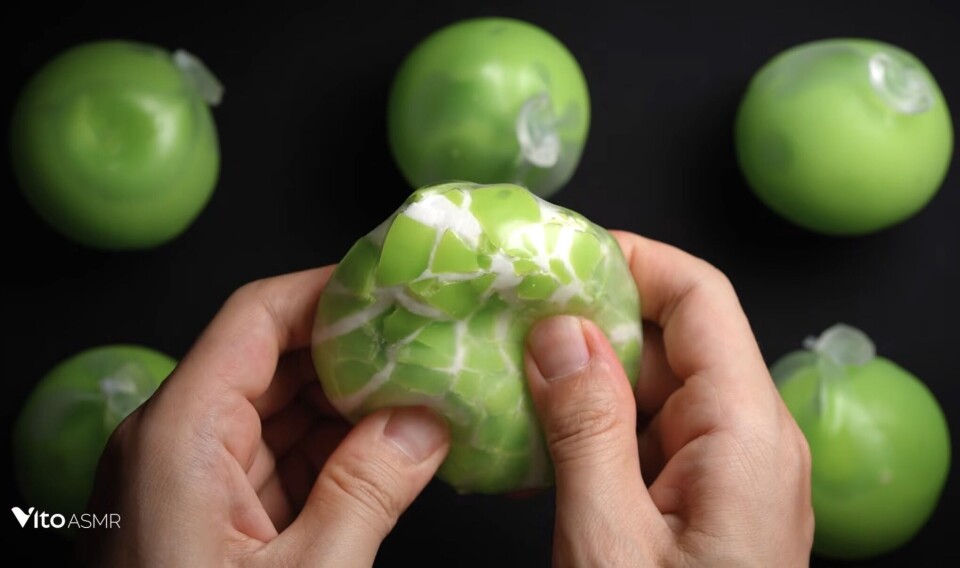
♡ 왁뿌볼 turns sensory satisfaction into a tiny destructive ritual: press until the hard shell breaks.
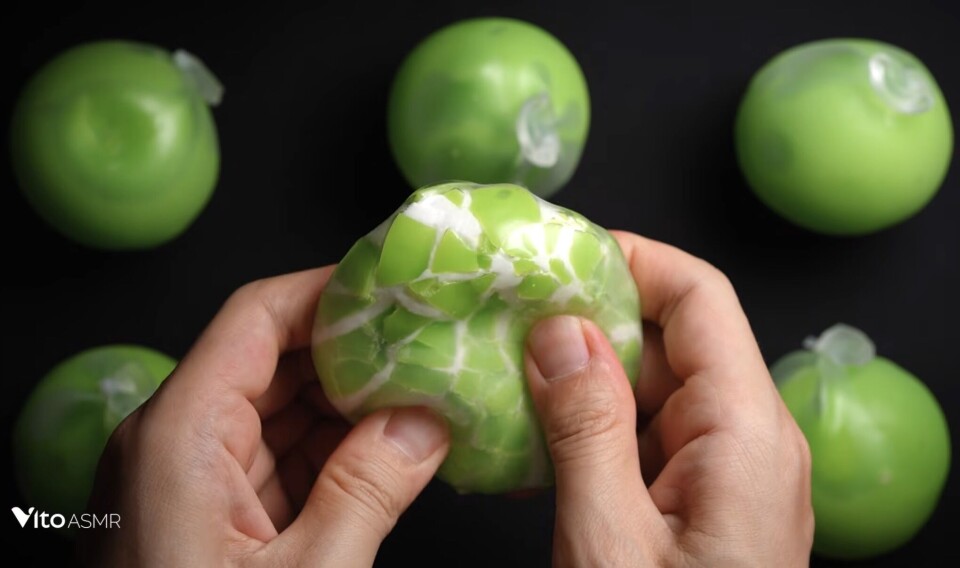
If mallangi represent the soft side of the trend, 왁뿌볼, or wakppu balls, represent its crunchy side.
These palm-sized sensory toys have a harder wax-like exterior around a softer filling. Instead of repeatedly squeezing something soft, the satisfying moment comes when pressure finally fractures the outer shell.
The sound is important. The little crackle gives wakppu balls an obvious ASMR advantage and makes the payoff understandable even to somebody watching through a phone screen.
It also shows how specific the sensory-toy market has become. The point is no longer simply "here is a stress ball." One product is satisfying because it stretches. Another because it sticks. Another because it clicks. Wakppu balls exist because some people apparently want the sensation of crushing a tiny shell in their palm.
That sounds ridiculous until you watch somebody crack one and immediately want to know what it feels like.
Shop squishies & sensory toys:
Coconut Oil SquishyCrayola Globbles 16ctSome links may be affiliate links. The Seoul Edit Blog may earn a commission at no additional cost to you.
7. Even Keyboard Clicking Became a Toy
♡ Keycap fidgets turn one of the most satisfying parts of typing into something you can carry around.
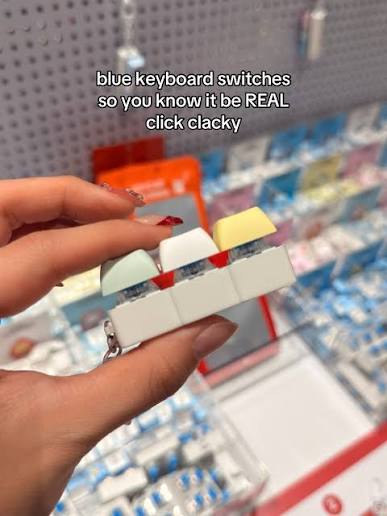
Another product appearing alongside squishies is almost comically simple: a mechanical keyboard switch turned into a tiny handheld or keychain toy.
Press it. It clicks. Press it again.
There is no game and almost no function beyond the tactile and auditory feedback. But that is exactly the point.
Korean reporting on the adult toy boom has highlighted keyboard fidget clickers alongside mallangi as products being bought by consumers in their 20s and 30s. Like wax balls, they fit neatly into the broader shift from toys that require "playing" toward objects that provide instant sensory feedback.
They are also portable. Clip one onto a bag, leave one beside a computer, or keep one in your hand while thinking. The toy becomes less like an activity and more like a tiny companion for idle fingers.
Shop squishies & sensory toys:
Squishy Fidget Stress Cube PackNeeDoh Nice Ice BabySome links may be affiliate links. The Seoul Edit Blog may earn a commission at no additional cost to you.
8. Adults Buying Toys Is Already Normal in Korea
♡ Mallangi fit into a much bigger kidult culture built around character goods, gacha, figures, keychains, and nostalgia.
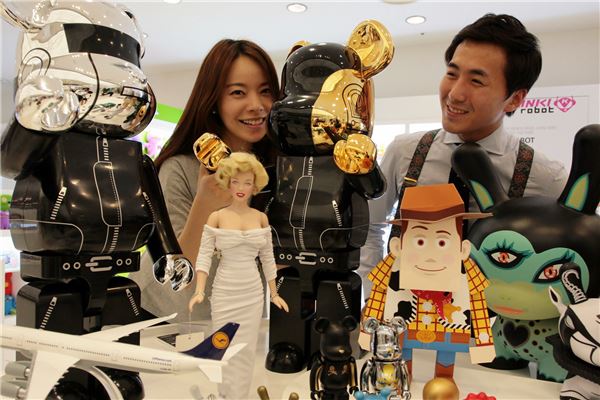
The squishy boom did not appear in a cultural vacuum. Korean adults have already become increasingly comfortable buying things that previous generations might have dismissed as children's products.
Character keychains hang from office workers' bags. Adults queue for pop-up stores. Capsule-toy shops have become date destinations. Collectible figures, plushies, stickers, miniature objects, and character collaborations are mainstream forms of consumption.
The Korean toy industry has a practical reason to welcome them. South Korea's falling child population means companies that once depended heavily on children have a shrinking traditional customer base.
Adults are filling part of that gap. An analysis cited by Korean media found toy-related spending among consumers in their 20s and 30s increased 224 percent in 2025 compared with 2024.
Mallangi therefore fit perfectly into an already established "kidult" economy. They are cute enough to collect, nostalgic enough to feel comforting, and inexpensive enough that buying one does not feel like a major financial decision.
Shop squishies & sensory toys:
Crunchy Butter Squishy, 2 PackCheese Squishy Stress ReliefSome links may be affiliate links. The Seoul Edit Blog may earn a commission at no additional cost to you.
9. They Are a Very Cheap Little Hit of Happiness
♡ When bigger purchases feel expensive, a tiny novelty toy can still deliver the feeling of getting something new.
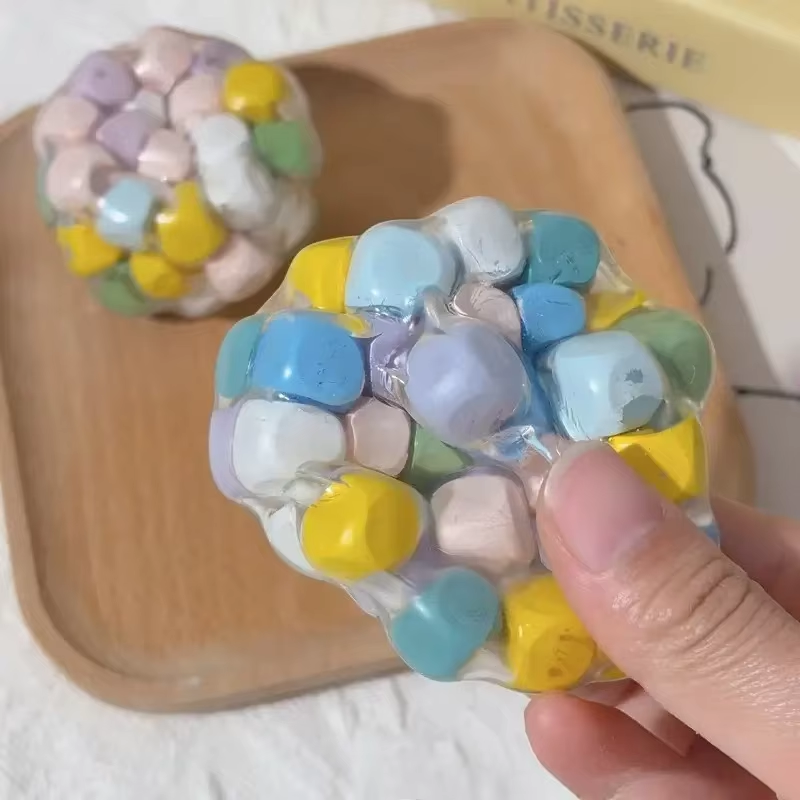
There is also a much less complicated explanation for why squishies sell: they are cheap and fun.
You do not need to research one for three weeks. You do not need a payment plan. You can find something funny, hand over a few thousand won, and immediately own a new object that feels satisfying.
Korean consumer experts interviewed about the trend have connected that low price with the appeal of small purchases during periods of economic pressure. When expensive consumption feels harder to justify, inexpensive treats can become more attractive rather than less.
Calling this "cheap dopamine" is obviously internet shorthand rather than a scientific diagnosis. But culturally it describes the buying pattern well: tiny purchase, tiny thrill, very low commitment.
It belongs to the same universe as buying a gacha capsule, a new keychain, a Daiso character item, a sticker pack, or a small dessert. The pleasure is immediate, affordable, and easy to repeat.
Shop squishies & sensory toys:
30 Pack Kawaii Squishy ToysCheese Squishy Stress ReliefSome links may be affiliate links. The Seoul Edit Blog may earn a commission at no additional cost to you.
11. Squishies Are Accidentally Reviving Old-School Seoul
♡ One of Korea’s most online trends is breathing new life into a shopping district from a completely different era.
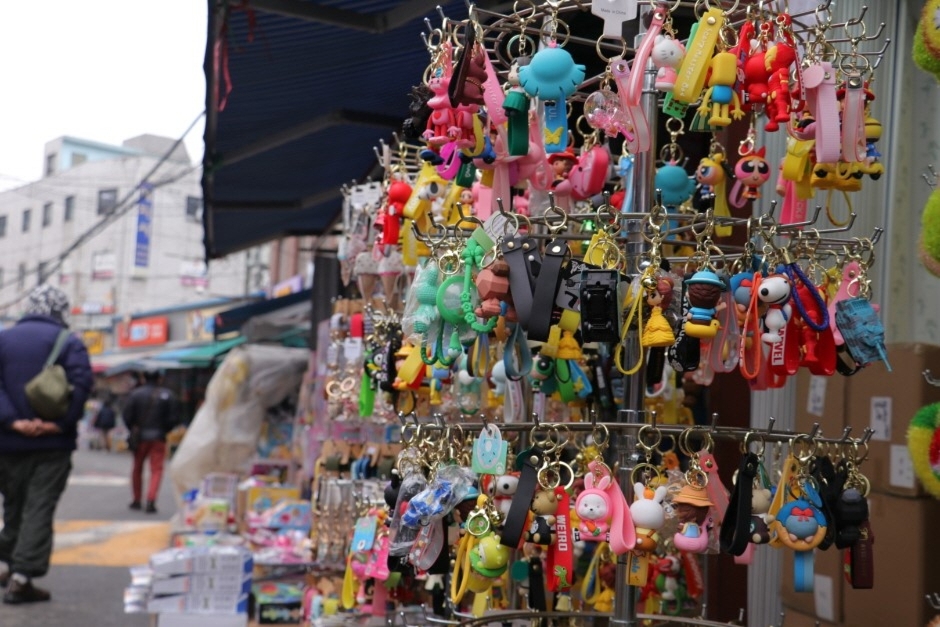
This is what makes the story bigger than squishies.
Dongdaemun's stationery and toy district belongs to an older version of Seoul retail: narrow alleys, wholesale stores, boxes stacked outside, inexpensive goods, and merchants who have been working in the same area for decades.
It should theoretically be losing to e-commerce. Instead, social media has given young shoppers a reason to return precisely because the market feels physical, messy, inexpensive, and discoverable.
Recent reports describe merchants seeing levels of activity they had not experienced for years. Young adults now compare textures beside shelves that were once primarily there for parents, teachers, retailers, and children.
There is something wonderfully circular about that. Short-form video created demand for an intensely physical product, and that product sent people away from their phones and into one of Seoul's oldest toy-shopping districts.
Shop squishies & sensory toys:
30 Pack Kawaii Squishy ToysCrayola Globbles 16ctSome links may be affiliate links. The Seoul Edit Blog may earn a commission at no additional cost to you.
12. Will Korea’s Squishy Obsession Actually Last?
♡ The exact toy may disappear, but the desire for cheap, tactile, collectible stress relief probably will not.
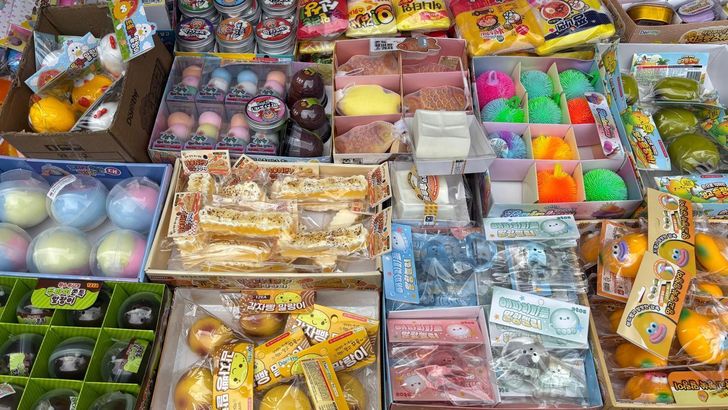
Korean trends can move brutally fast. One month everybody wants the same character keychain, dessert, charm, or toy; a few months later the next object has taken its place.
Mallangi themselves may eventually cool down. Wakppu balls may be replaced by another strange texture. Keycap toys may stop appearing in every haul video.
But the broader formula looks much more durable: small + inexpensive + cute + collectible + tactile + social-media friendly.
It satisfies too many parts of contemporary consumer culture at once. You can collect it, film it, share it, gift it, carry it, use it at work, hunt for rare versions, and get a little sensory distraction from it.
The next obsession may not technically be a squishy at all. But I would expect Korea's sensory-toy era to keep producing new things for people to squeeze, click, crack, stretch, and obsess over.
Shop squishies & sensory toys:
NeeDoh Nice Ice BabyCrunchy Butter Squishy, 2 PackSome links may be affiliate links. The Seoul Edit Blog may earn a commission at no additional cost to you.
13. FAQ: Korea's Squishy and Mallangi Trend
Why are squishies suddenly popular in Korea?
The current trend combines several things at once: tactile stress relief, satisfying ASMR-style sounds and visuals, inexpensive prices, nostalgia and kidult culture, collecting, and social-media videos that encourage people to hunt for specific toys in person.
What is a mallangi in Korea?
말랑이, or mallangi, is a general name used for soft tactile toys designed to be squeezed, kneaded, stretched, or pressed. The name comes from the Korean word mallang, meaning soft or squishy.
Are Korean squishies mainly popular with children?
Not anymore. One of the most notable parts of the 2026 trend is the number of university students and office workers in their 20s and 30s buying mallangi and other sensory toys. Recent reporting from Dongdaemun found young adults crowding toy displays that were traditionally associated with children.
What is a wakppu ball?
왁뿌볼, commonly romanized as wakppu ball, is a tactile toy with a harder wax-like exterior and softer material inside. Users squeeze it until the exterior cracks, creating a distinctive tactile sensation and ASMR-style sound.
Why are keycap toys popular too?
Mechanical keycap fidget toys provide immediate tactile and auditory feedback when pressed. They fit the same sensory-toy trend as mallangi and wax balls, but replace squeezing with the satisfying click of a keyboard switch.
Why is Dongdaemun connected to the squishy trend?
Dongdaemun Stationery and Toy Market in Changsin-dong is a decades-old wholesale toy district. Social media has recently turned it into a destination for young adults who want to compare mallangi textures and hunt for viral sensory toys in person.
14. Sources and Further Reading
Korea's sensory-toy trend is moving quickly, so this article uses recent 2026 reporting on mallangi, wakppu balls, Dongdaemun's changing customers, adult toy spending, and Korea's broader kidult market.
Korea Times: Young Koreans Find Peace in the Palm of Their Hands
Seoul Economic Daily: Korea's Toy Market Pivots to Adult Buyers
Korea JoongAng Daily: Kidults Are Reshaping Korea's Toy Market
Trends, social-media post counts, sales data, and the specific toys attracting attention can change quickly. This article reflects the sensory-toy boom visible in Korea in 2026 rather than assuming every individual product will remain fashionable permanently.
Want More Korean Culture and Trend Stories?
Join the list for Korean culture, Seoul trends, viral products, shopping, K-beauty, cafés, neighborhoods, and everyday life in Korea.
Planning a trip to Seoul?
15. Final Thoughts
Korea's squishy obsession makes more sense when you stop thinking of mallangi as children's toys.
For the adults buying them now, they can be a stress object, an ASMR experience, a collectible, a nostalgic reminder of childhood, an inexpensive treat, a social-media discovery, or simply something satisfying to do with your hands while your brain is occupied with something else.
And the most interesting consequence may be happening outside the toy itself. A generation that can order almost anything from a phone is voluntarily traveling to a decades-old wholesale alley so they can dig through boxes and physically squeeze products before choosing one.
The internet made mallangi viral. But instead of keeping people online, the trend has helped send young Koreans back into an old piece of Seoul.
Maybe the current squishy will disappear. The desire behind it probably will not. As long as people are stressed, nostalgic, scrolling, collecting, and looking for inexpensive little pleasures, there will probably be another tiny object waiting to be squeezed, clicked, cracked, or stretched next.
10. Social Media Turned Buying Them Into a Treasure Hunt
♡ Seeing the toy online is only step one. Finding the exact texture or design in a crowded Seoul market becomes part of the experience.
The most interesting part of the mallangi trend may be that social media is sending people offline.
You discover the toy through a Reel or Short. Somebody shows the exact texture. Another creator posts a haul. A shop gets mentioned. Then instead of pressing an online checkout button, people travel to Dongdaemun and start searching.
Reporters at the market have described shoppers holding phones with Instagram open while hunting for specific mallangi and wakppu balls. That detail says a lot about modern Seoul trend culture: the algorithm creates the desire, but the physical hunt completes it.
Texture makes this particularly effective. A photograph cannot tell you whether one mallangi is softer, stickier, denser, or more satisfying than another. You have to touch it.
Suddenly an old wholesale market has something online shopping cannot reproduce. It can let you squeeze twenty toys before choosing the weird little one that feels perfect.
Shop squishies & sensory toys:
Crunchy Butter Squishy, 2 PackSome links may be affiliate links. The Seoul Edit Blog may earn a commission at no additional cost to you.