
You are sitting at a Korean dinner table when someone starts chanting “아파트, 아파트!” Hands pile up in the middle, everyone laughs, and suddenly someone is counting floors. If you have ever wondered what is happening, this guide is for you.
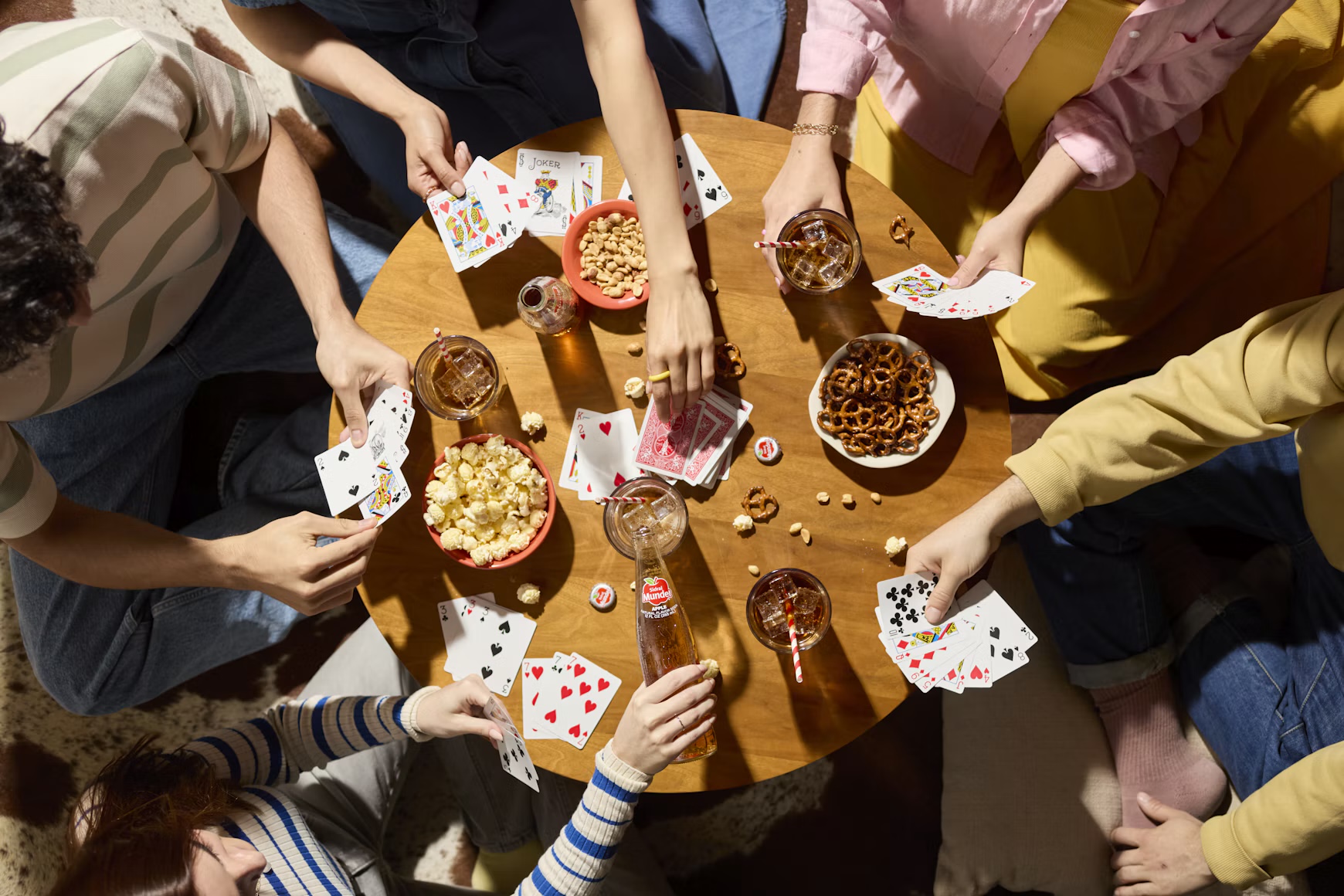
Korean party games appear at some university MT trips, birthday gatherings, house parties, and group dinners. Many are long-standing classics, not inventions of today's Gen Z. Rules also change from friend group to friend group. These are approachable versions you can practice, not a claim that every Korean plays them the same way.
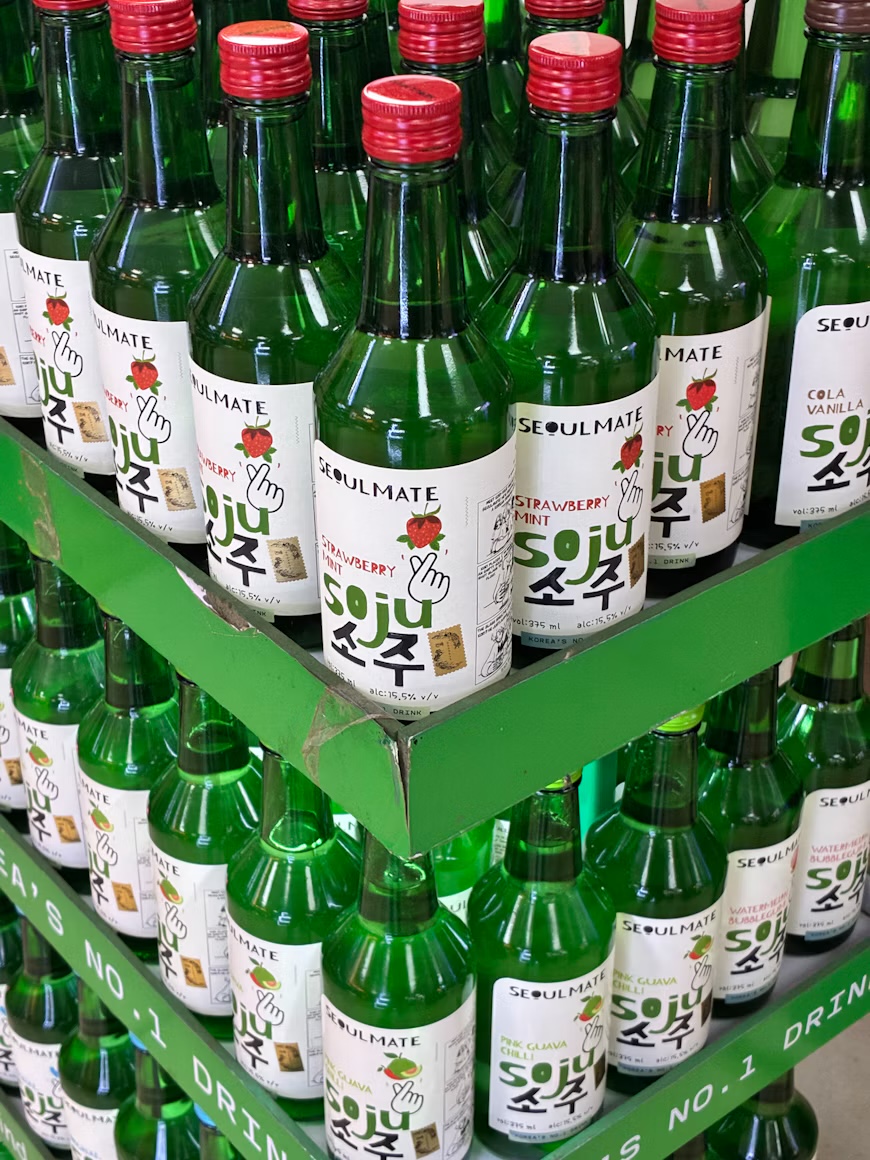
Planning a night out? Start with our guide to Korean soju brands and flavors, or compare Hongdae and Itaewon nightlife. All the games below work with soft drinks, points, or no penalty at all.
Quick answer: For your first Korean party game, try Baskin Robbins 31 or 3-6-9. For recognizable Korean chants, try Apartment or Frying Pan. For groups who know each other, try Image Game or Son Byeong-ho. Decide on optional, nonalcoholic penalties before playing.
Which game should you play first?
Absolute beginner: Baskin Robbins 31, 3-6-9, Apartment Game.
Best for laughs: Image Game, Son Byeong-ho, Game of Death.
Best with Korean speakers: Hunminjeongeum, Frying Pan, Bunny Bunny, 007 Bbang.
Before you begin: Choose the counting direction, agree on house rules, and let everyone pass on a turn. Nobody needs to drink to participate.
Why Koreans play these games
Some university clubs and friend groups use quick rhythm, pointing, and word games as icebreakers. You might hear the word 술게임 (sul-geim, drinking game), but the mechanics are often simple party games. A 벌칙 (beolchik) is a forfeit or penalty, which can be a point, a funny pose, or something else the group agrees to.
These games are not a requirement of Korean social life. If you are visiting Korea, joining in should always be your choice. Avoid pressuring anyone to drink, and keep the games respectful.
1. Apartment Game (아파트 게임)
A hand-stacking game that got a new global spotlight through APT.

Players: 3+ · Difficulty: Easy · What you need: Just a group of friends.
How to play
Players chant “아파트, 아파트” (apateu, apateu) and stack hands in a pile. A leader calls a floor number. Starting from the bottom, count upward through the hands until the announced floor is reached. The person whose hand is counted on that floor loses the round.
Example round
Try calling “5층!” (ocheung, fifth floor). Count hands from the bottom: one, two, three, four, five. The fifth hand is selected.
Beginner tip
Agree before playing whether the bottom hand is counted as floor one, and reset the stack after every round.
Culture note: Its basic hand-stacking format is widely recognizable, but house rules differ.
2. Frying Pan Game (프라이팬 놀이)
A deceptively difficult rhythm and name game.
Players: 3+ · Difficulty: Medium · What you need: Just a group of friends.
How to play
Keep a steady four-beat rhythm, traditionally with a chant like “팅팅팅팅 탱탱탱탱 프라이팬 놀이!” (ting ting ting ting, taeng taeng taeng taeng, peuraipaen nori). One player calls another person’s name plus a number from one to four. The named player must say their own name exactly that many times, aligned to the beat, then call someone else.
Example round
“민지, 둘!” (Minji, dul, two) means Minji must say “민지, 민지” in rhythm before passing the turn.
Beginner tip
Practice slowly before speeding up; agree on the rhythm pattern because groups count the beats differently.
Culture note: Classic rather than newly invented by Gen Z.
3. Image Game (이미지 게임)
Korea’s “who is most likely to?” party game.

Players: 4+ · Difficulty: Easy · What you need: Just a group of friends.
How to play
One person asks a question beginning “이 중에서…” (i jungeseo, among us). On a count of three, everyone points to the person who best fits the description. The person receiving the most votes is selected; decide ties in advance.
Example round
“이 중에서 제일 늦게 올 사람은?” (Who here is most likely to arrive late?) Everyone points at the same time.
Beginner tip
Keep prompts light and avoid embarrassing questions about appearance, finances, relationships, or private information.
Culture note: Can be played without drinks, with points, or with silly challenges.
4. Hunminjeongeum Game (훈민정음 게임)
A quick Korean initial-consonant challenge.
Players: 3+ · Difficulty: Medium · What you need: Just a group of friends.
How to play
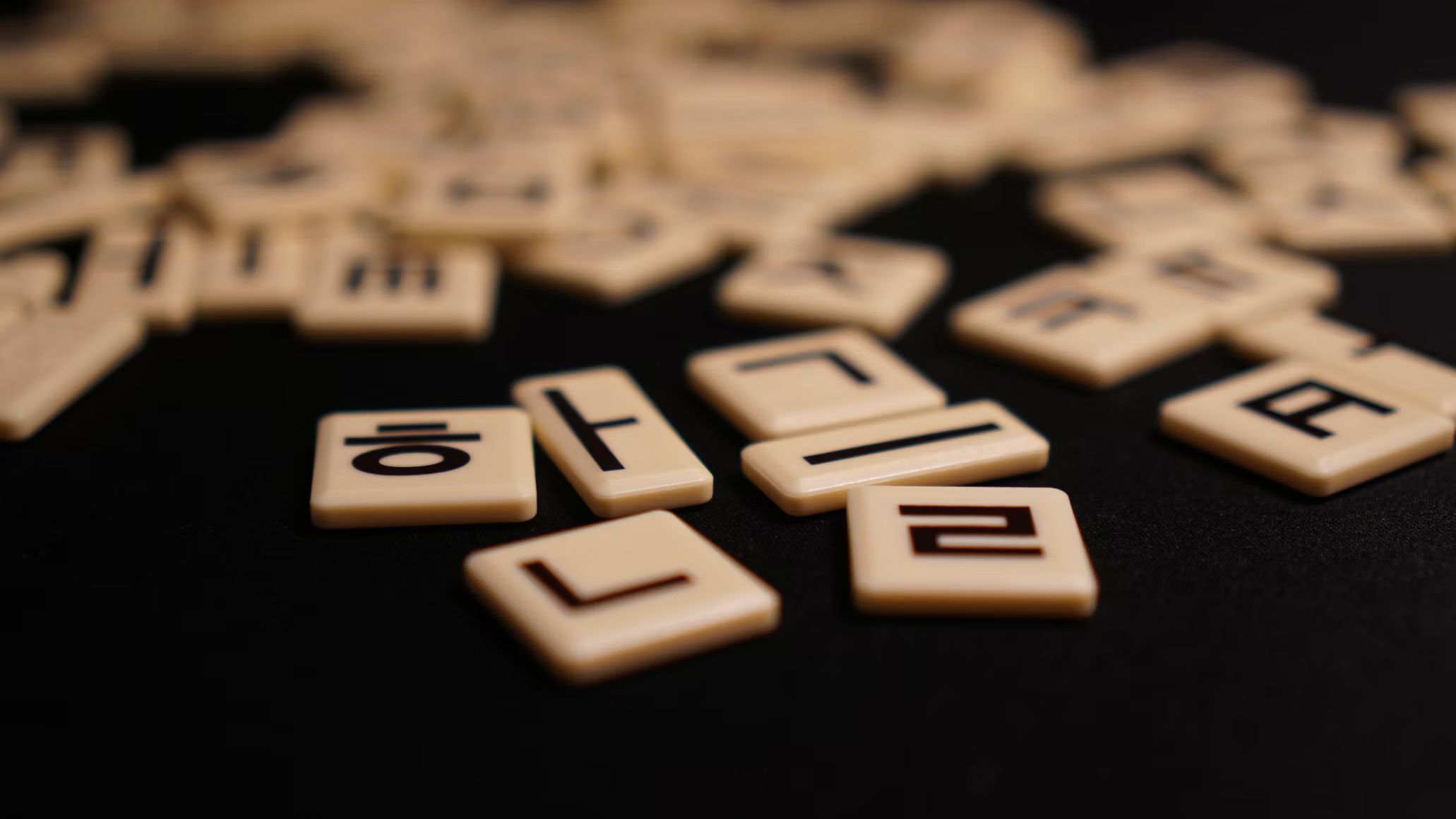
A leader gives two initial consonants, such as ㅂㅅ. Players race to say a valid Korean word whose syllables start with those consonants, for example 버스 (beoseu, bus). Decide whether proper nouns and repeated words count before starting.
Example round
Leader: “ㅂㅅ!” Someone answers “버스!” Another might say “방송!” (bangsong, broadcast).
Beginner tip
This is harder for beginners learning Hangul; let newcomers use a phone keyboard or give extra thinking time.
Culture note: Many groups play with a time limit or elimination rather than a drinking penalty.
5. 3-6-9 Game (삼육구 게임)
Counting gets chaotic when certain digits mean clap.
Players: 3+ · Difficulty: Easy · What you need: Just a group of friends.
How to play
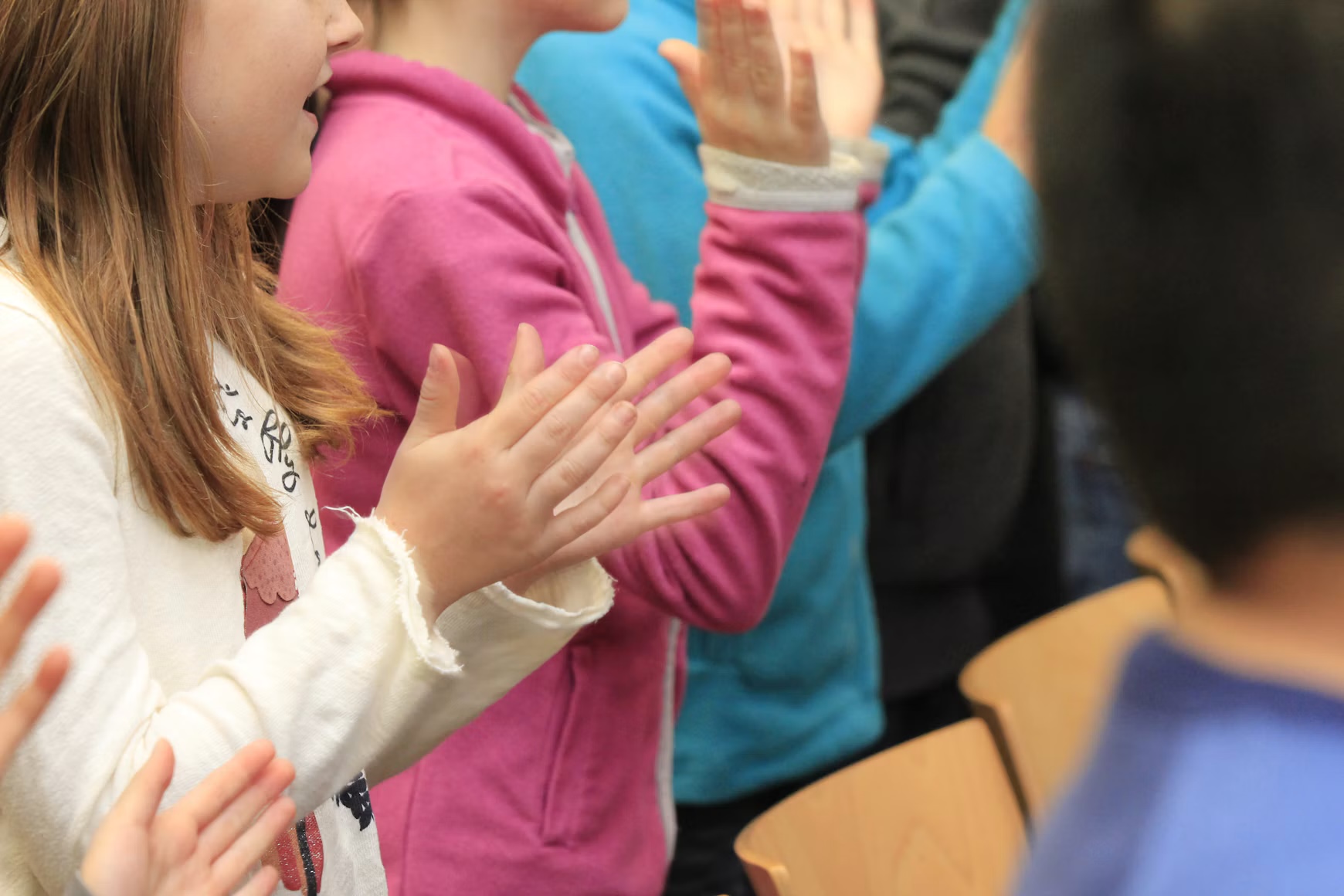
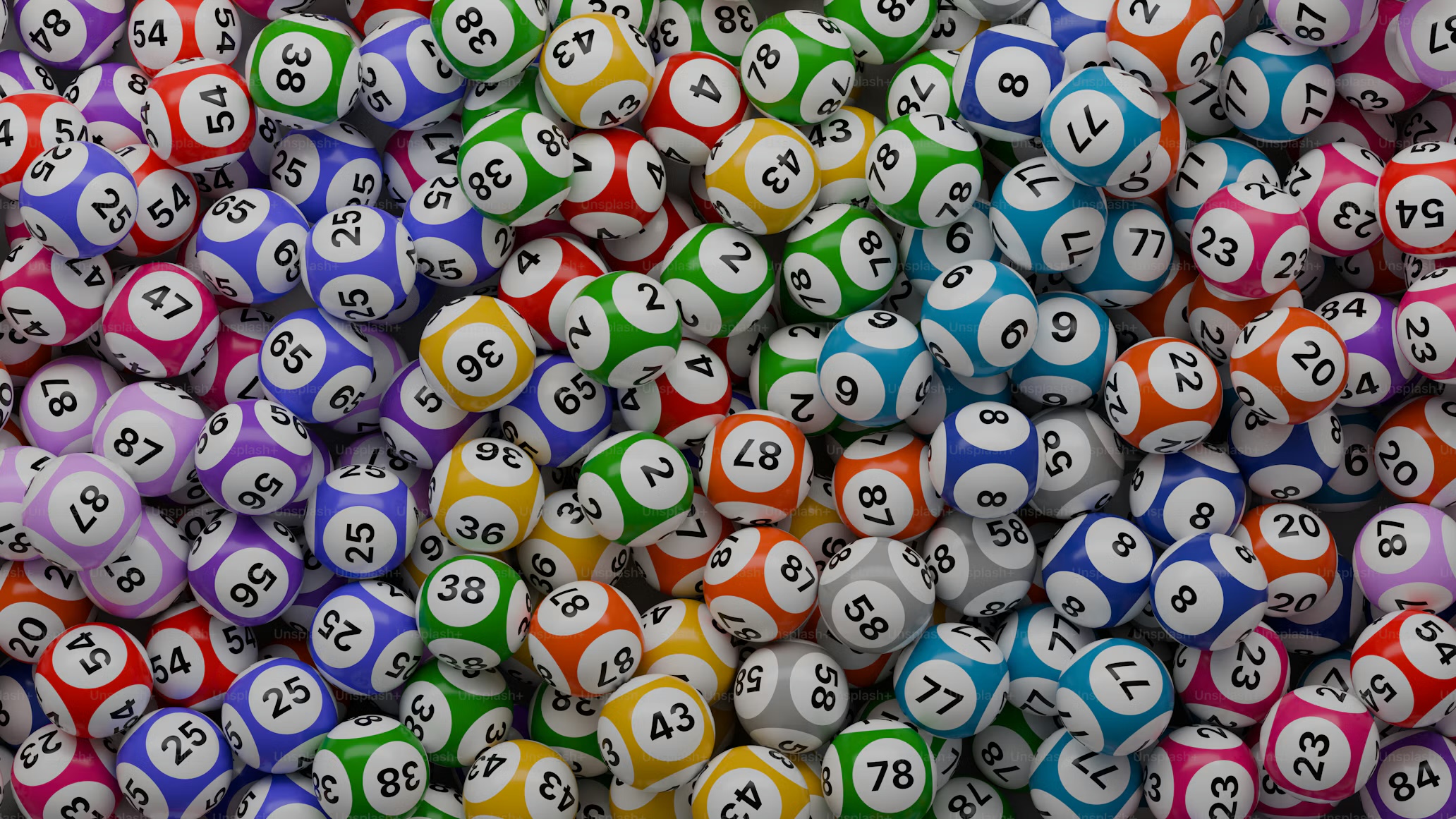
Count upward in turns. Instead of saying a number containing 3, 6, or 9, clap once for each occurrence of those digits. For 33, clap twice. A missed clap, wrong number, or delayed turn loses the round.
Example round
1, 2, clap (3), 4, 5, clap (6), 7, 8, clap (9), 10… 33 means clap-clap.
Beginner tip
Agree whether to include numbers like 30 and 60; the common digit-based version does.
Culture note: A childhood counting game often repurposed for parties.
6. Baskin Robbins 31 (베스킨라빈스 31)
A counting strategy game anyone can learn in seconds.
Players: 2+ · Difficulty: Easy · What you need: Just a group of friends.
How to play
Go around the circle counting consecutively from one. On each turn, say one, two, or three numbers. The player forced to say 31 loses. For example, a player can say “1, 2” and the next player continues with “3, 4, 5.”
Example round
If the previous player ends at 27, you can say “28, 29, 30,” forcing the next player to say 31.
Beginner tip
Do not skip or repeat numbers. Try a practice round first.
Culture note: Also works as a completely alcohol-free icebreaker.
7. Game of Death (더 게임 오브 데스)
A dramatic pointing-and-counting game.
Players: 4+ · Difficulty: Medium · What you need: Just a group of friends.
How to play
Everyone chants “신난다! 재미난다! 더 게임 오브 데스!” (sinnanda! jaeminanda! deo geim obe(u) deseu!) and points at another player. A chosen caller announces a number. Follow the direction of the pointing chain that many steps to determine the selected person.
Example round
With a count of three, start from the agreed player and follow three pointing links; the final person is selected.
Beginner tip
Pointing and counting rules vary significantly between groups. Have a local player demonstrate one full round first.
Culture note: The name is theatrical; no physical harm or forced drinking is involved.
8. Bunny Bunny (바니바니)
Fast hand gestures and a call-and-response rhythm.

Players: 4+ · Difficulty: Hard · What you need: Just a group of friends.
How to play
A designated player makes rabbit-ear gestures and chants “바니 바니” (bani bani), then passes the action to another player. The neighbors of the active player often make “당근 당근” (danggeun danggeun, carrot carrot) gestures or calls. Keep the rhythm going; a missed response or incorrect gesture loses the round.
Example round
Player A points to B while chanting “바니 바니”; B immediately takes over, while B’s neighbors respond “당근 당근.”
Beginner tip
Practice the exact hand motions with your group first; variants differ in who does which gesture.
Culture note: This is an older party classic that still makes a good high-energy group game.
9. Son Byeong-ho Game (손병호 게임)
A five-finger game for discovering funny things in common.

Players: 3+ · Difficulty: Easy · What you need: Just a group of friends.
How to play
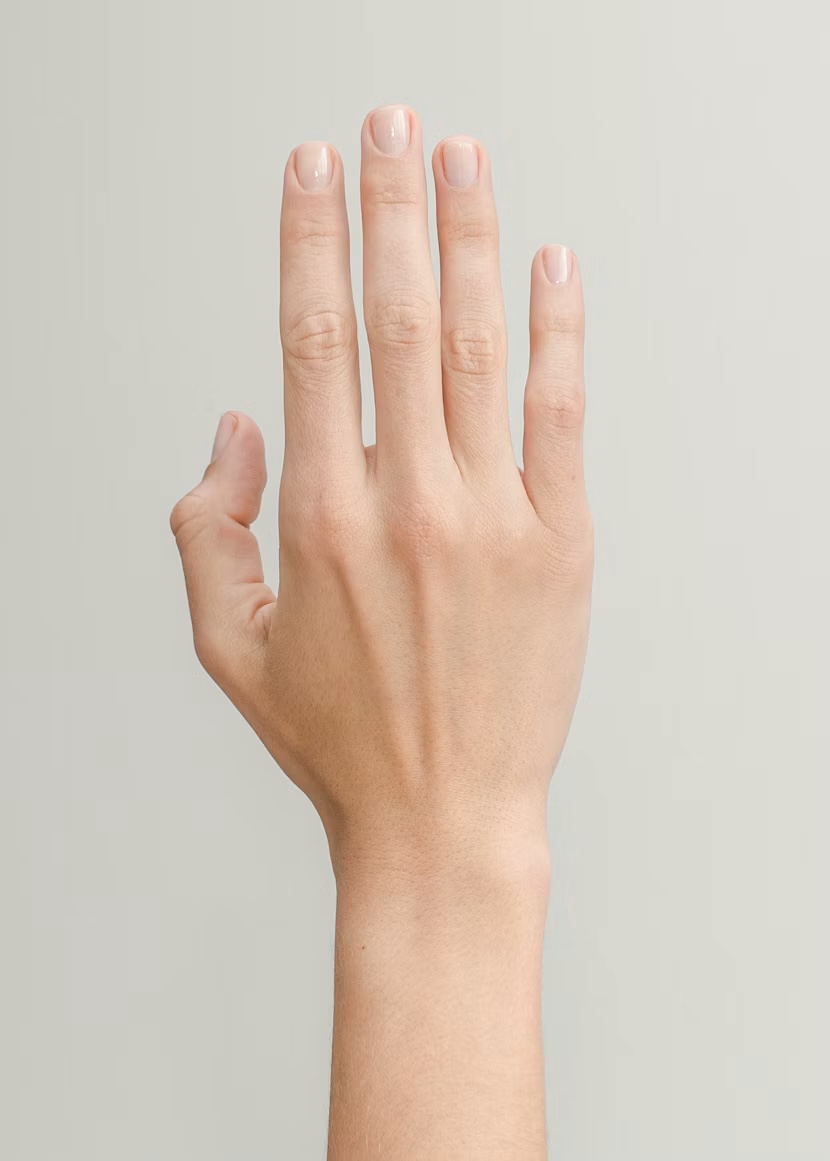
Everyone raises five fingers. Taking turns, players make statements such as “접어, if you have ever missed the last train.” Anyone to whom the statement applies folds one finger. The first person with all five fingers folded loses, or the group can simply compare stories.
Example round
“지하철 막차 놓쳐본 사람 접어!” (If you have ever missed the last subway, fold a finger!)
Beginner tip
Use opt-in, non-invasive prompts; nobody has to disclose personal experiences.
Culture note: Similar in spirit to Never Have I Ever, but rules and wording can vary.
10. 007 Bbang (공공칠빵)
A fast finger-pointing reaction challenge.

Players: 4+ · Difficulty: Medium · What you need: Just a group of friends.
How to play
A player points and says “공” (gong, zero). The next selected player points and says “공.” The next says “칠” (chil, seven). The next points and says “빵!” (ppang, bang). In one common version, the people immediately beside the person hit by “빵” must raise their hands and shout “으악!” (euak), while the target stays still.
Example round
The sequence is “공 → 공 → 칠 → 빵!” Watch the neighbors’ reaction after the final call.
Beginner tip
There are several local variants, including different responses for the target and neighbors. Confirm the rules before starting.
Culture note: It rewards attention more than speed alone.
11. FAQ: Korean Drinking Games
Are these all new Gen Z Korean drinking games?
No. Many are older games still recognizable at student gatherings and parties. The Apartment Game received renewed international attention, but popularity differs by age, group, and occasion.
Do I have to drink alcohol when I lose?
No. Decide before playing whether the consequence is a point, a silly pose, a snack, or nothing at all. Never pressure someone to drink.
Which games are easiest for foreigners?
Start with Baskin Robbins 31, 3-6-9, the Apartment Game, or the Image Game. Hunminjeongeum and Frying Pan become easier once you know Korean sounds and rhythm.
What is an MT in Korea?
MT usually means membership training, a university or group trip designed for bonding. Games can be part of some gatherings, but not everyone participates and formats vary.
Can we play these games without alcohol?
Absolutely. They work with water, soft drinks, points, or just laughter. Players should always be free to opt out.
What if my Korean friends use different rules?
That is normal. House rules differ, particularly for Bunny Bunny, the Game of Death, and 007 Bbang. Ask for a practice round before starting.
12. Sources and Editorial Notes
Editorial note: These instructions describe common playable versions of traditional and contemporary Korean party games. There is no single official rulebook, and individual groups often change chants, gestures, counting order, or penalties. This guide does not rank these games by verified 2026 popularity.
Last reviewed: October 17, 2026. Ask your group to demonstrate local rules. Drinking is optional, and no one should feel pressured to consume alcohol.
Discover More of Korea Beyond the Games
Get practical Seoul food, neighborhood, café, and culture guides from The Seoul Edit.
Planning a trip to Seoul?
13. Final Thoughts: Play for the Fun, Not the Penalty
The best Korean party game is the one everyone at the table understands and enjoys. Start with a simple counting game, teach the chant slowly, and let people practice before making it competitive.
You do not need to drink alcohol, know perfect Korean, or win every round to have fun. A little patience and a willingness to laugh at your own mistakes are enough.