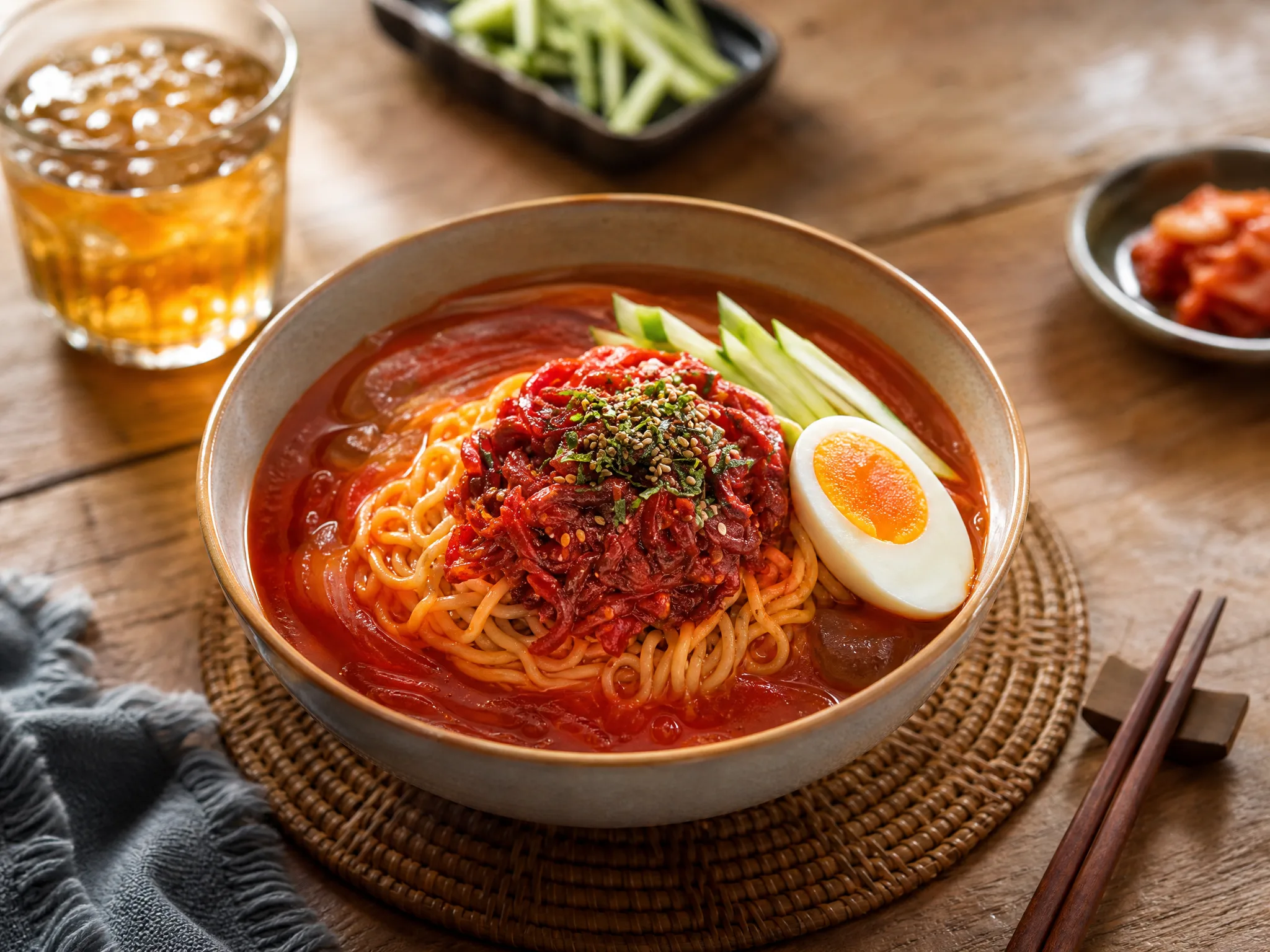
Seoul has a new dessert obsession, and this time it is built around something Koreans have eaten for generations: tteok (떡), or Korean rice cakes.
In 2026, the familiar rice cake is being transformed into chocolate mochi, fruit-filled treats and crispy monaka desserts. Some shops have become social-media destinations, while traditional tteok makers are getting a fresh audience.
This guide explains what is driving the craze, what to order, where to look in Seoul and how to avoid wasting your day chasing sold-out desserts.
1. Why Rice Cakes Are Trending Again in Korea
The traditional snack is getting a new dessert identity.
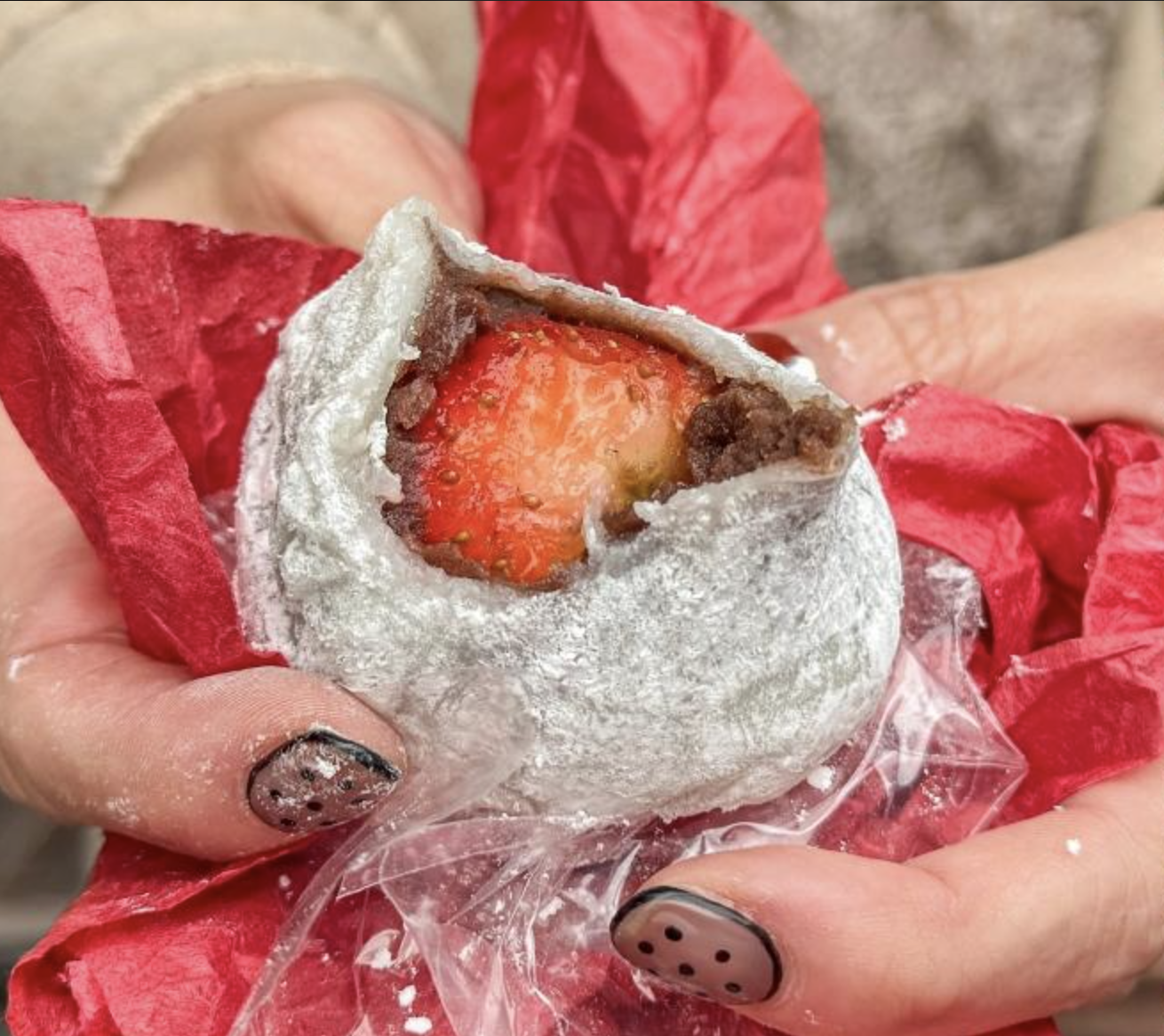
Rice cakes were never absent from Korean food culture. What has changed is how they are being marketed, photographed and eaten.
Korean tteok is now appearing in formats associated with modern dessert shops: cream-filled mochi, fruit-centered chapssaltteok, chocolate-coated varieties and elaborate gift boxes. At the same time, older neighborhood rice cake shops are gaining attention for distinctive specialties.
The appeal is partly texture. Chewy, soft and sometimes stretchy desserts fit the popularity of jjonddeuk (쫀득), a Korean word often used to describe satisfying chewiness. A crisp monaka shell around soft rice cake adds another layer of contrast.
The trend also connects with halmaennial (할매니얼), a term associated with younger consumers rediscovering traditional flavors such as mugwort, red bean, black sesame and injeolmi. But not every trendy rice cake is traditional: many are new fusion desserts.
2. GODIVA Mochi at Lotte World Mall, Jamsil
Luxury chocolate meets the Korean rice cake craze.
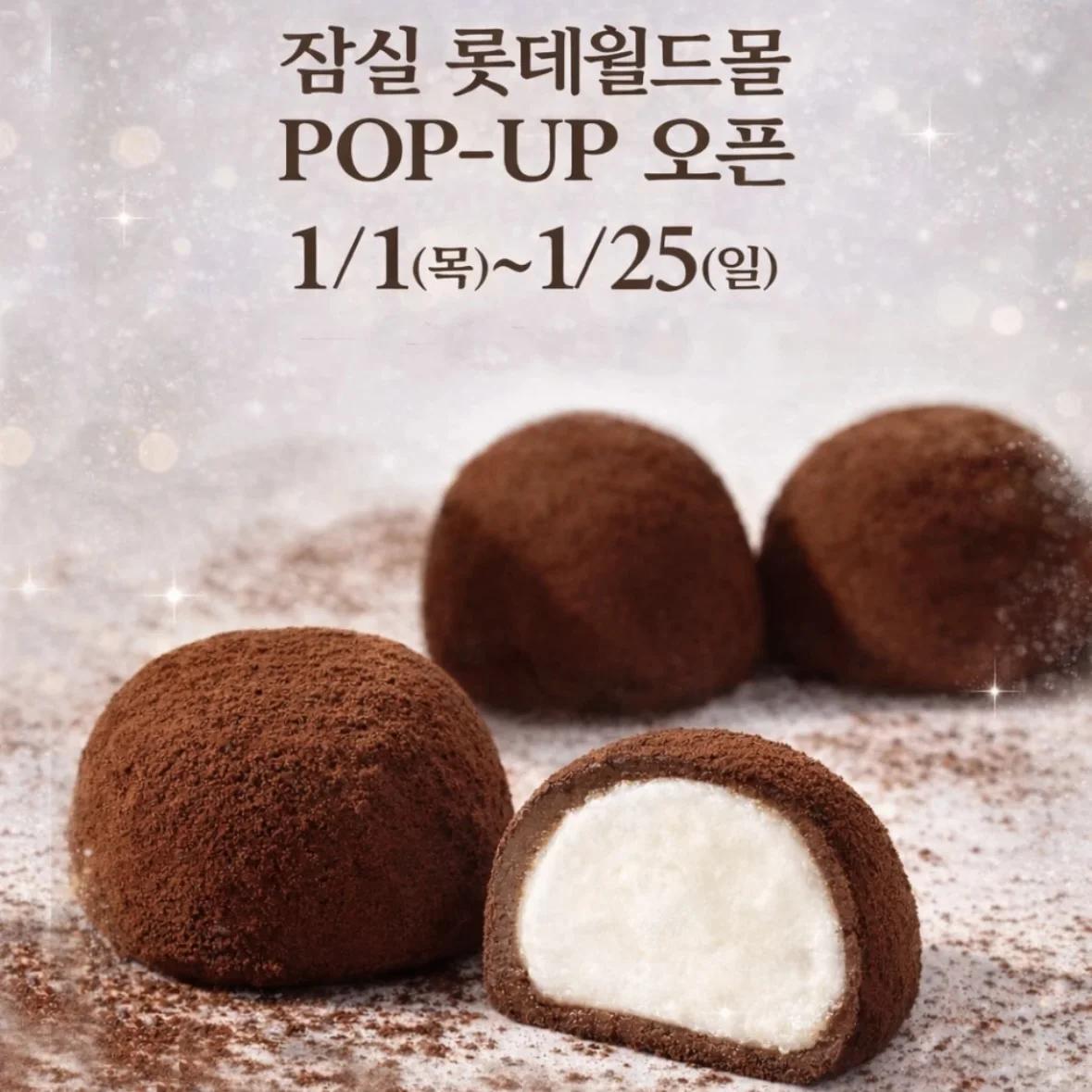
GODIVA became one of the headline names in the 2026 mochi conversation, bringing its chocolate identity to a soft, chewy dessert format.
Its appeal is easy to understand: a familiar international chocolate brand, a Korean-style chewy texture and a dessert that looks particularly appealing when cut open. Reported prices have been in the premium single-dessert range, around ₩7,500–₩9,000 depending on the product.
Where to look: GODIVA at Lotte World Mall in Jamsil. The location is convenient to combine with a Jamsil shopping or Lotte World Tower day.
Important buying tip: October reporting described changes to the purchasing process, including same-day CatchTable arrangements. Do not assume walk-in stock or a particular reservation method is still available. Check GODIVA Korea and the current store notice before traveling specifically for mochi.
3. Han Jung Sun: Fruit and Yogurt Rice Cakes
A more delicate, gift-worthy version of tteok.
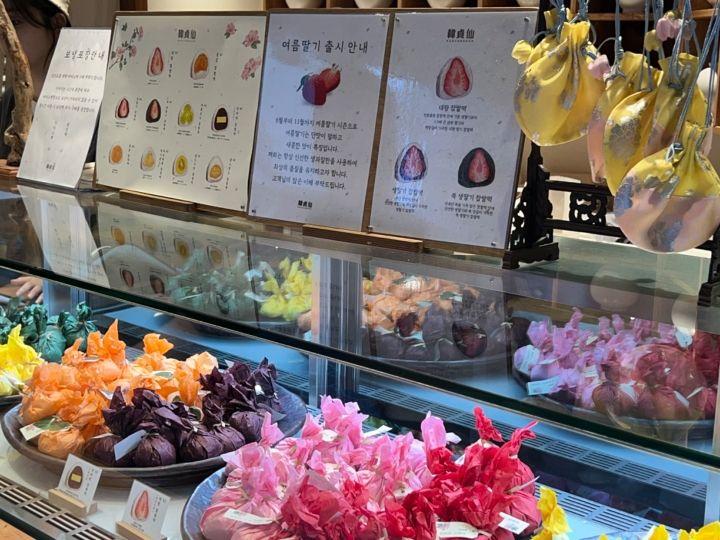
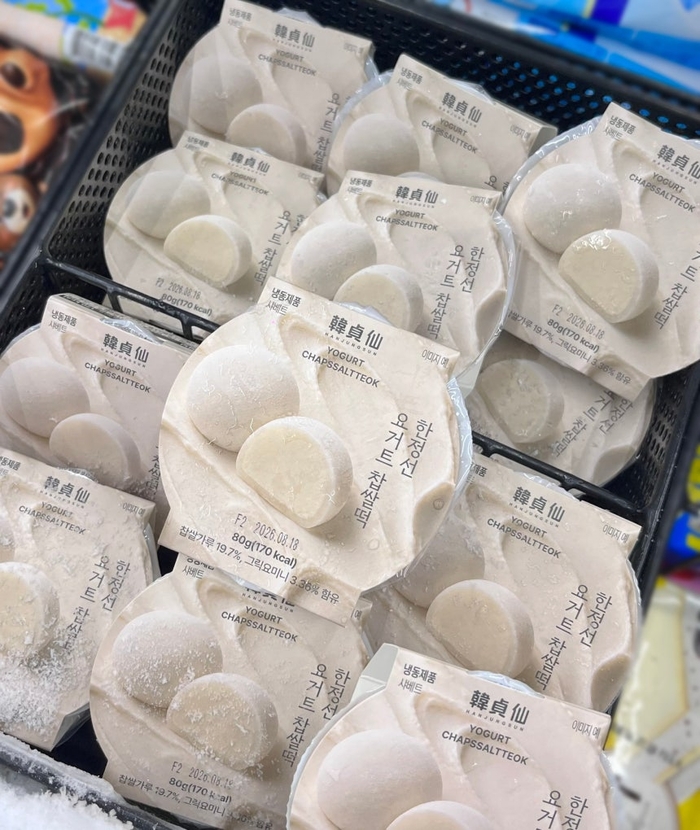
Han Jung Sun (한정선) is one of the names to know if you like fruit-filled chapssaltteok and rice cakes presented like premium patisserie desserts.
The combination of chewy rice cake, fruit, cream and carefully arranged packaging makes these products appealing both as a snack and as a gift. Strawberry and other seasonal varieties may change, so the exact lineup is not guaranteed.
Seongsu is a useful place to start looking, and the brand has also appeared in department-store and transport-hub retail locations. Confirm the specific branch and inventory before making a special trip.
For readers on a budget, keep an eye out for convenience-store collaborations. These can offer a lower-cost introduction to the trend, although they are not necessarily identical to the shop's freshly prepared desserts.
4. Obok Tteokjip: Seongsu's Monaka Ang-Butter Tteok
The traditional shop with the memorable crispy-chewy combination.
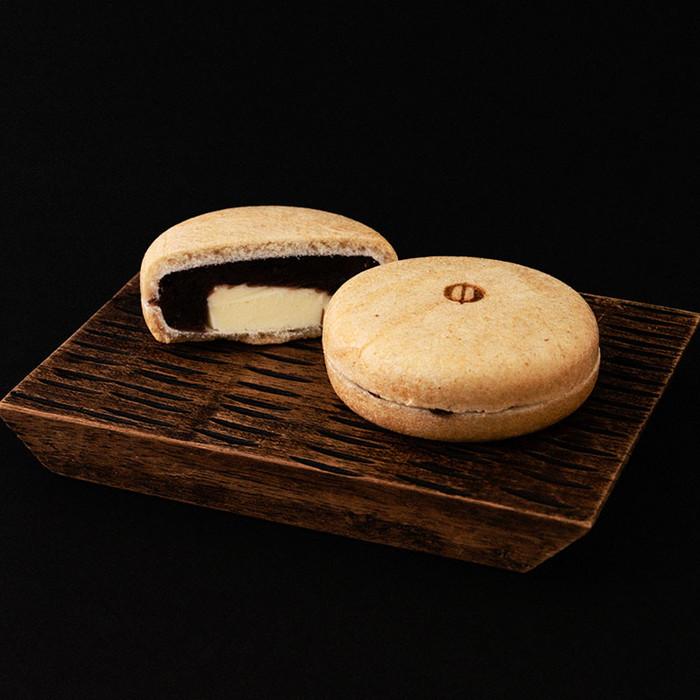
Obok Tteokjip (오복떡집) is the Seongsu rice cake shop to remember for monaka ang-butter tteok. It brings together a crisp wafer-style shell, chewy rice cake, sweet red bean and rich butter.
This is a particularly good example of why the rice cake craze is more interesting than ordinary mochi hype. The appeal is not simply chewiness, but the contrast of crisp, soft, sweet and savory-rich textures in one bite.
The shop has been associated with Seongdeokjeong-gil in Seongsu. Check its current map listing, operating hours and product availability before visiting.
If you are already exploring Seongsu cafés, this makes an appealing stop alongside Han Jung Sun. Check both locations on Naver Map rather than assuming they are next door to each other.
5. More Seoul Rice Cake Shops Worth Exploring
Go beyond the three names dominating social media.
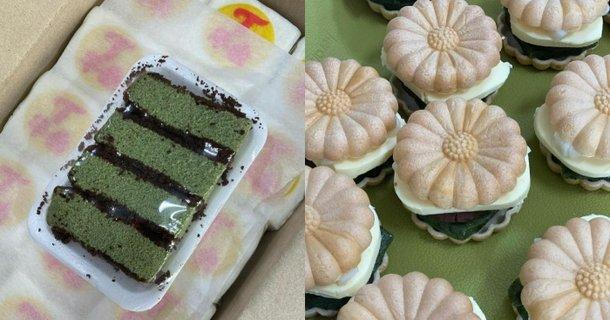
Gyeonggi Tteokjip (경기떡집) in the Mangwon area is worth including for a more traditional rice cake experience. Look for familiar Korean varieties such as injeolmi and other freshly made tteok, rather than expecting every product to be filled with cream.
Mollang Isu (몰랑이수) has also appeared in recent dessert coverage for colorful injeolmi and monaka-inspired combinations. Check its current store listing and menu before traveling, since small dessert businesses can change their hours or lineup.
Other options are often closer than you think: neighborhood tteok shops, department-store food halls and temporary dessert pop-ups can be useful places to compare traditional and fusion varieties.
The most interesting comparison is often between a modest neighborhood rice cake shop and a premium dessert counter. Both sell tteok, but the experience and price can be very different.
6. What to Order: A Quick Guide to Korean Tteok
Know the difference between traditional and modern varieties.
Chapssaltteok (찹쌀떡) is a soft, chewy glutinous-rice cake, often filled with red bean or modern fillings such as fruit and cream.
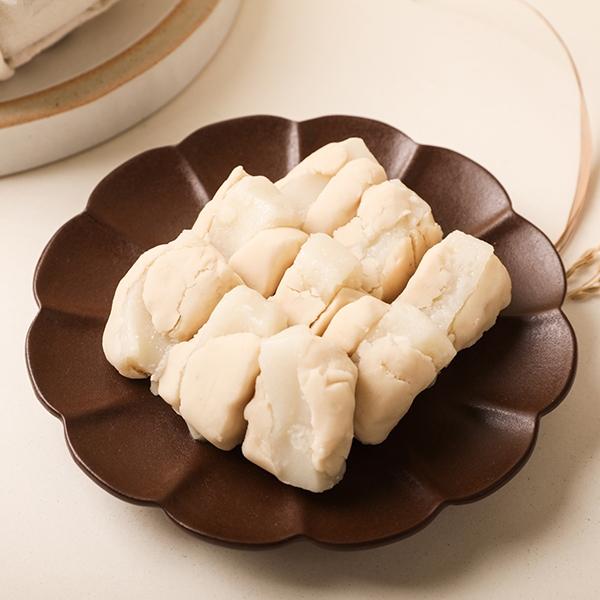
Injeolmi (인절미) is typically a soft rice cake coated in roasted soybean powder. Its nutty flavor is a classic starting point for anyone curious about traditional Korean tteok.
Songpyeon (송편) is a half-moon-shaped rice cake associated with Chuseok, while garaetteok (가래떡) is a cylindrical rice cake used in savory dishes such as tteokbokki and tteokguk.
Monaka tteok is a fusion dessert rather than one standardized traditional rice cake type. Different shops may combine wafers, red bean, butter and rice cake in their own way.
7. How to Try the Trend Without Spending Too Much
You do not need to queue for the most expensive dessert.
Start with a traditional neighborhood tteok shop if you want to understand the texture and flavors behind the trend. A simple piece of injeolmi or chapssaltteok can be just as memorable as a luxury version.
Convenience stores such as GS25 are also worth checking for seasonal rice cake collaborations. Availability varies by branch and products may disappear quickly, so treat these as opportunities rather than guaranteed finds.
Department-store food halls can be efficient because several dessert brands may be available in one building. Compare portions, packaging and prices before buying.
For a dessert day, choose one premium item and one traditional item. That gives you a more interesting tasting comparison without buying five expensive sweets.
8. How to Plan Your Own Seoul Tteok Pilgrimage
Build a route by neighborhood, not by hype.
For a Seongsu-focused outing, start by checking Han Jung Sun and Obok Tteokjip on Naver Map. Add a café or another nearby stop rather than spending the entire day traveling for one dessert.
For Jamsil, pair a GODIVA check with Lotte World Mall shopping. If the mochi is unavailable, the mall still offers plenty of alternative desserts and dining options.
For Mangwon, visit a traditional tteok shop and explore the market neighborhood. This is a good way to see how rice cakes fit into everyday Korean food culture.
Rice cakes are often best enjoyed fresh. Some filled varieties require refrigeration, and textures can change when stored. Follow each shop's storage instructions, especially if you plan to take them home or give them as gifts.
9. Are Viral Korean Rice Cakes Worth the Hype?
The answer depends on what you actually want to taste.
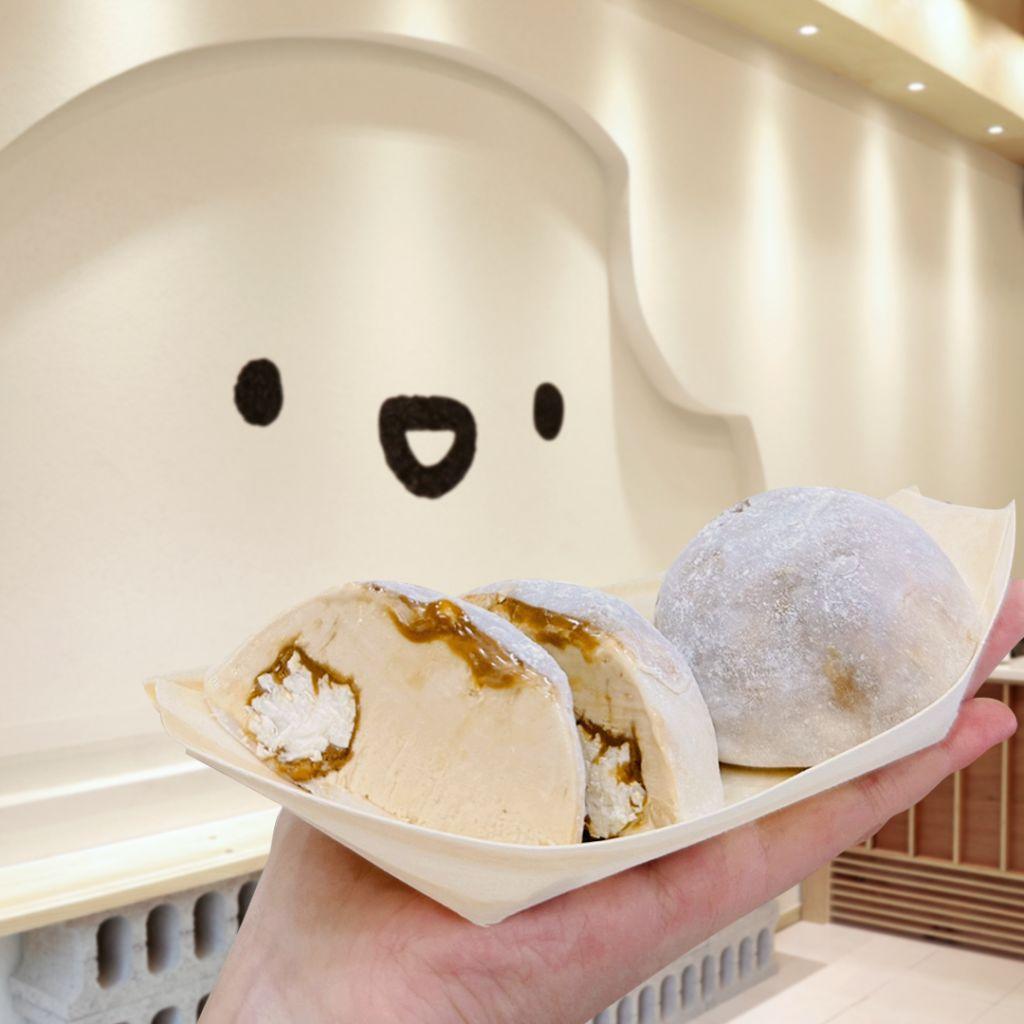
If you love chocolate and premium desserts, GODIVA's interpretation may be the most interesting comparison with ordinary chocolate treats. If you prefer fruit and cream, Han Jung Sun is the more obvious starting point.
For a distinctive texture combination, Obok's monaka ang-butter format offers something different from a conventional cream-filled mochi.
If your goal is to understand Korean rice cakes rather than simply follow a viral product, do not skip traditional tteok shops. They are part of the reason the trend has cultural depth.
My suggested approach is to choose two contrasting stops, not chase every sold-out item. The best dessert day is one you actually enjoy, without turning a snack into an exhausting queue.
10. FAQ: Korean Rice Cakes in Seoul
Why are Korean rice cakes trending in 2026?
Traditional tteok is being reinvented with chocolate, fruit, cream and contrasting textures. Social media and renewed interest in traditional Korean flavors have helped draw attention.
Is Korean tteok the same as Japanese mochi?
They are related rice-based foods, but Korean tteok includes many distinct preparations, textures and cultural traditions. Not every tteok is equivalent to Japanese mochi.
Where can I try viral rice cakes in Seoul?
Look into GODIVA at Lotte World Mall, Han Jung Sun in Seongsu, Obok Tteokjip in Seongsu and traditional shops around Mangwon. Verify current inventory and hours before visiting.
How much do trendy Korean rice cakes cost?
Prices vary widely. Premium limited desserts can cost several thousand won per piece, while simpler traditional rice cakes may be more affordable. Check the current menu for exact prices.
Do Korean rice cakes need refrigeration?
It depends on the filling and product. Cream- or fruit-filled versions may require refrigeration, while other types have different storage recommendations. Always follow the shop's instructions.
11. Sources and Planning Notes
Last reviewed: November 1, 2026. Product availability, prices, hours and reservation systems can change. Check official shop notices before making a special trip.
Editorial note: This is a researched trend guide, not a firsthand review of every shop. Product photos are temporary placeholders until licensed or original photographs are added.
View sources and planning resources
Planning More Time in Seoul?
Get more Seoul food, café, neighborhood and Korean culture guides from The Seoul Edit.
Planning a trip to Seoul?
12. Final Thoughts
Korea's rice cake comeback is not just about one viral dessert. It brings together traditional flavors, new textures, thoughtful packaging and a little bit of social-media excitement.
Try one modern fusion tteok and one traditional variety. That comparison tells a more interesting story than chasing whichever product has the longest queue this week.