

Doing nothing online sounds like wasting time, but it often feels strangely good.
You open your phone with no real goal. You browse, tap, scroll, look at food, watch quiet videos, or sit inside a website that barely asks anything from you.
Korea’s dopamine sites make this feeling easier to understand. They are not just funny internet trends. They show how modern people use low-pressure digital spaces as tiny emotional breaks.
This article is not just about what dopamine sites are. It is about why they work psychologically.
1. Why Doing Nothing Online Doesn't Feel Like Wasting Time
♡ Sometimes the internet becomes a place to pause rather than perform

Most internet advice tells us to be productive. Learn a skill. Build a business. Read more. Exercise more. Optimize everything.
Yet millions of people spend time online doing things that appear completely pointless.
They scroll through aesthetic photos, browse websites they never buy from, watch strangers organize desks, or quietly sit inside online spaces without interacting.
Surprisingly, these moments often feel better than activities that are supposedly productive.
The reason is simple: modern life rarely gives people permission to do absolutely nothing. The internet sometimes becomes the closest thing we have to a mental waiting room where nobody expects anything from us.
Digital comfort picks:
Blue Light Blocking Glasses Kindle Paperwhite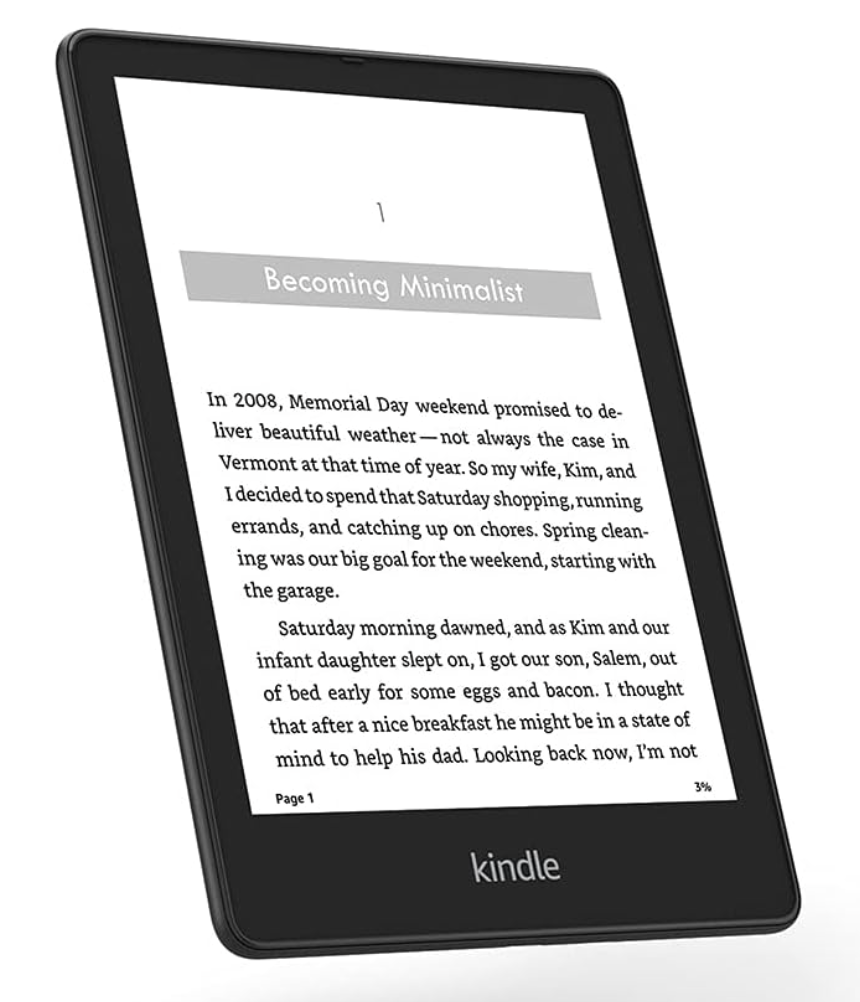
Some links may be affiliate links. The Seoul Edit may earn a commission at no additional cost to you.
2. The Appeal Of Low-Pressure Digital Comfort
♡ Comfort without expectations is becoming increasingly valuable
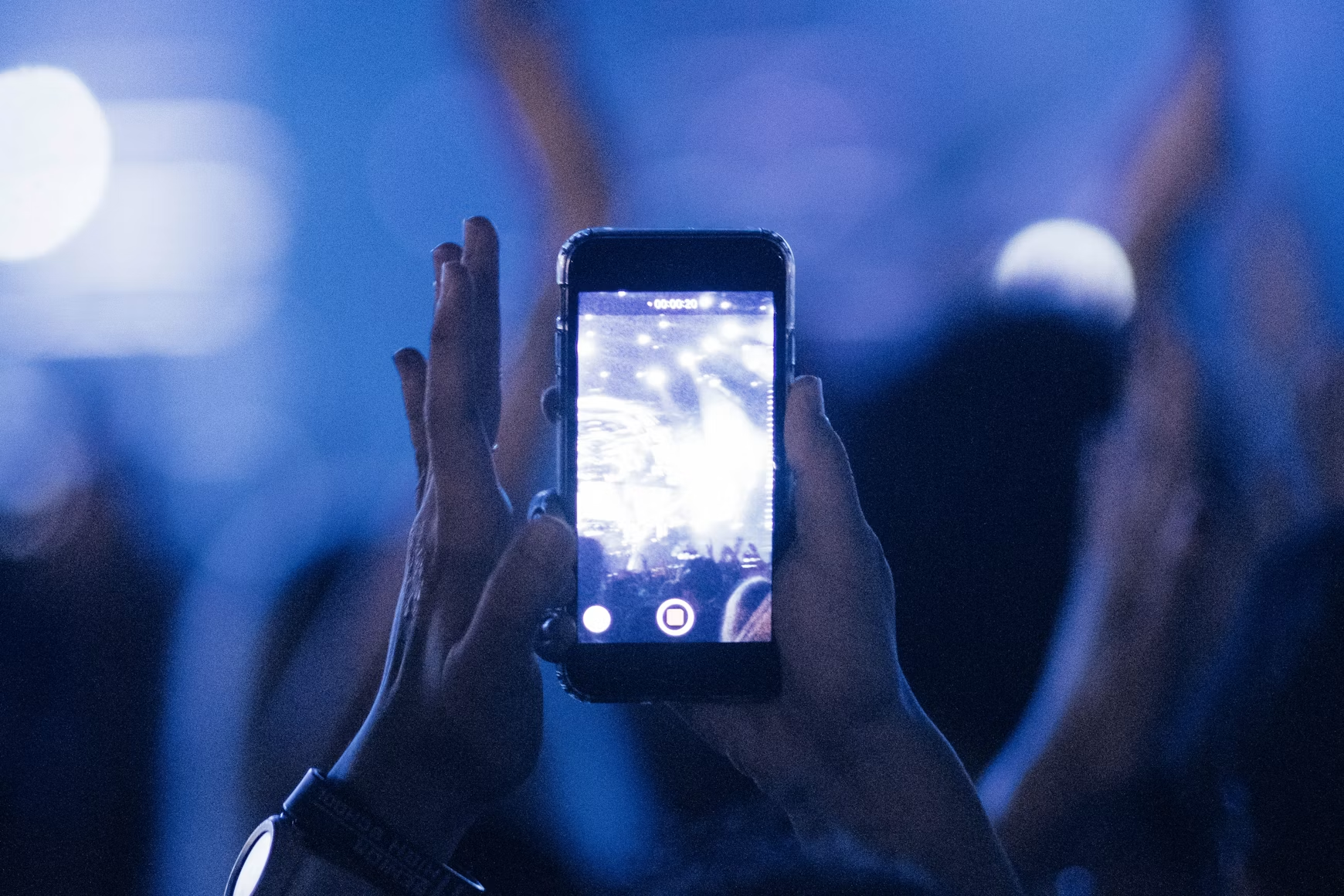
Many online experiences are exhausting.
Social media asks us to perform. Messaging apps require responses. Work apps create notifications. Streaming platforms constantly suggest what to watch next.
Low-pressure spaces feel different.
They don't require a reply, a purchase, a comment, or a commitment.
For people dealing with burnout, decision fatigue, or social exhaustion, that absence of pressure can feel incredibly relaxing.
The comfort comes not from excitement but from relief.
3. Why Fake Delivery Apps Feel Weirdly Satisfying
♡ The brain enjoys anticipation almost as much as the reward itself

One of the most fascinating examples of digital comfort is the rise of fake delivery app experiences.
Users browse menus, compare meals, build carts, and imagine eating their favorite foods.
Yet many never place an order.
Psychologists have long known that anticipation creates powerful emotional responses. Sometimes imagining a reward can produce a large portion of the pleasure associated with actually receiving it.
In a world where food delivery can be expensive, unhealthy, or impulsive, browsing without buying offers a surprisingly safe version of that same emotional reward.
Digital comfort picks:
Phone Stand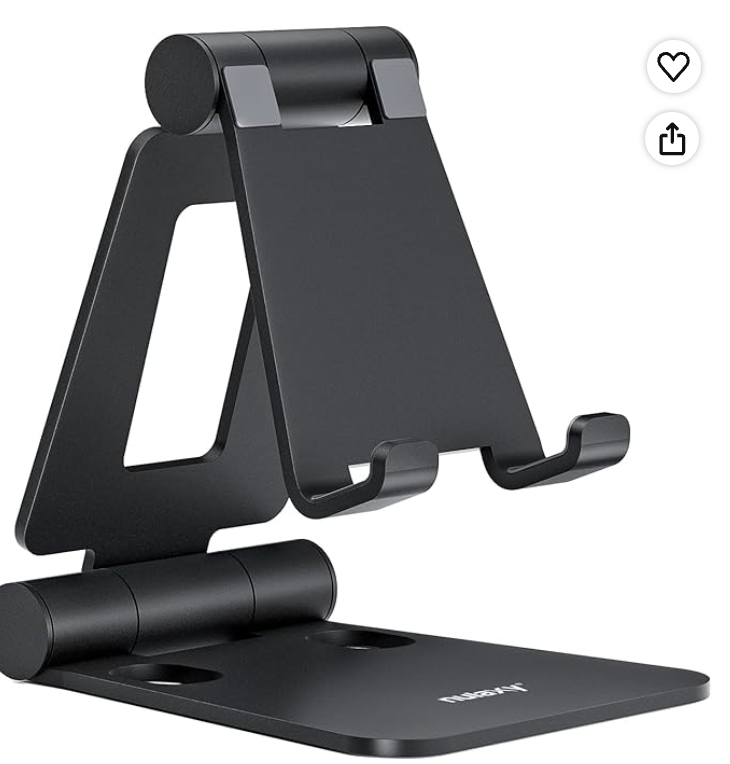 Portable Charger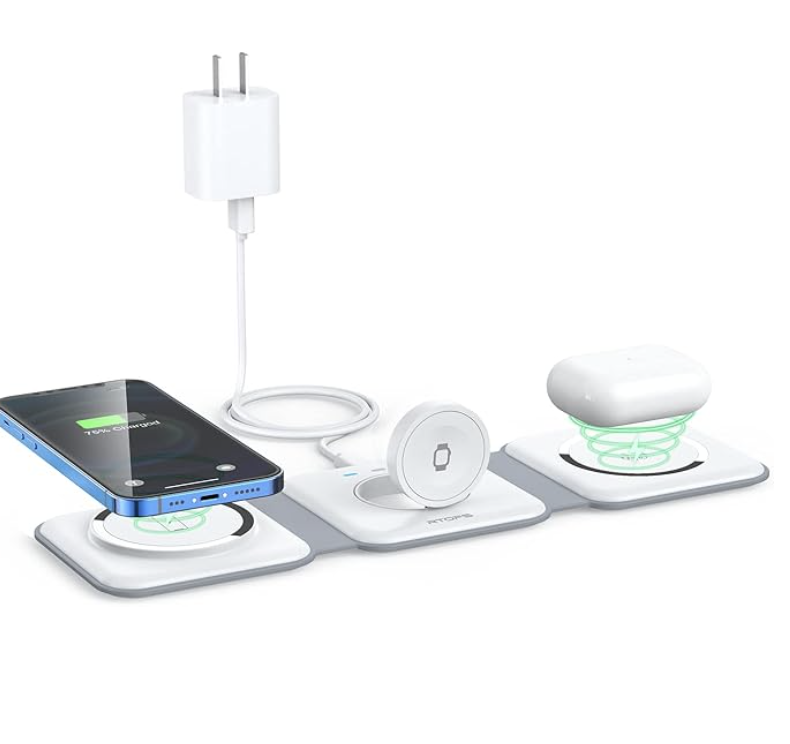
Some links may be affiliate links. The Seoul Edit may earn a commission at no additional cost to you.
4. The Rise Of Tiny Digital Rituals
♡ Why online smoke breaks and similar habits feel emotionally grounding

Human beings naturally build rituals.
Morning coffee. A walk after work. Listening to the same playlist while studying. These routines help create structure in our day and signal when it's time to switch mental states.
Digital rituals work in a similar way.
Online smoke break rooms have become popular not because people want nicotine, but because they want a reason to pause.
Logging into a small digital space for five minutes can create the feeling of stepping away from work, even when you're still sitting at the same desk.
The ritual itself becomes the reward.
Digital comfort picks:
Pomodoro Timer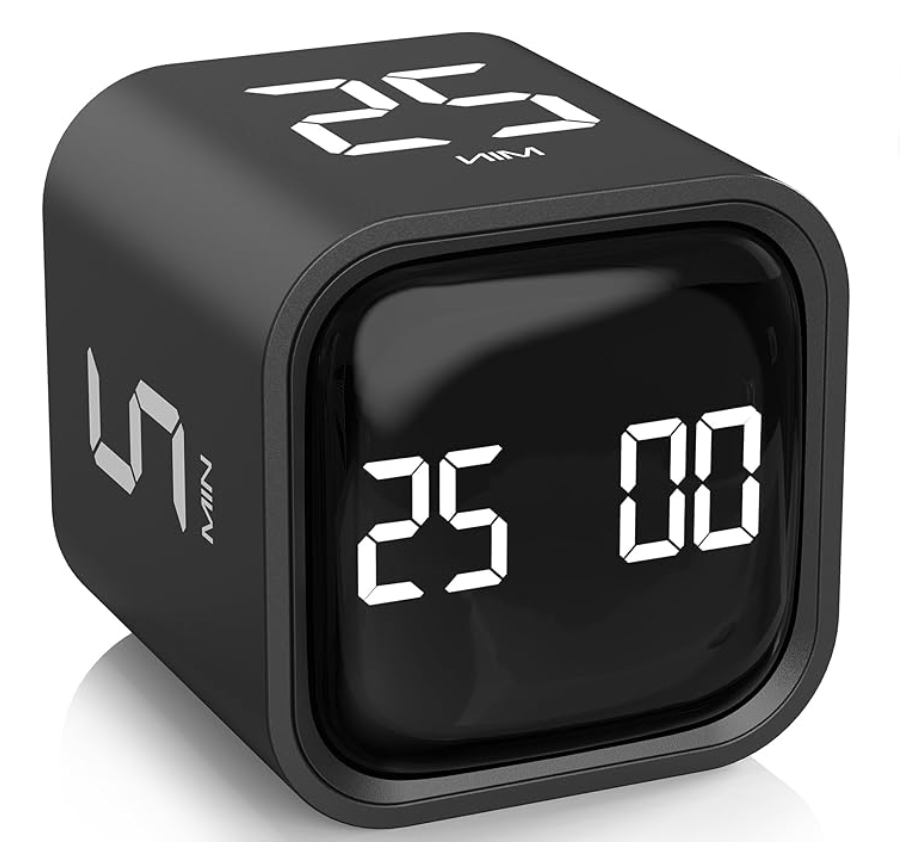 Noise Cancelling Headphones
Some links may be affiliate links. The Seoul Edit may earn a commission at no additional cost to you.
5. Why Burned-Out Brains Crave Small Escapes
♡ Sometimes people don't need entertainment — they need recovery

Burnout doesn't always look dramatic.
Often it shows up as mental exhaustion, reduced focus, low motivation, and the feeling that even small tasks require too much energy.
During these moments, many people aren't looking for excitement. They're looking for relief.
A tiny digital escape can provide a brief recovery period between tasks without requiring much effort.
This helps explain why people sometimes spend ten minutes browsing random websites instead of opening Netflix or playing a game.
The goal isn't stimulation. The goal is rest.
6. The Comfort Of Anonymous Presence
♡ Feeling less alone without needing conversation
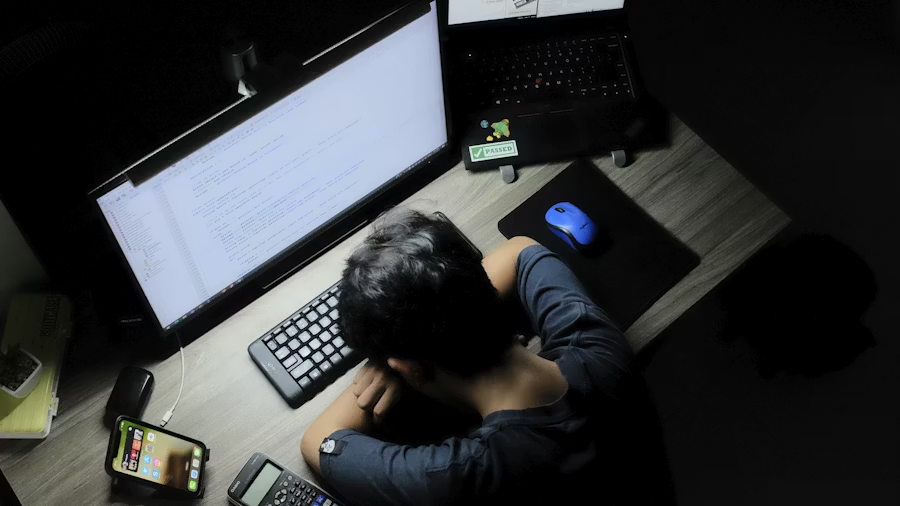
One of the strangest psychological effects of the internet is how comforting simple presence can be.
People often assume connection requires deep conversations or meaningful relationships.
Yet many online spaces provide comfort simply by reminding users that other people are there.
This is why livestreams, study-with-me videos, online smoke break rooms, and anonymous websites can feel surprisingly calming.
You are not actively socializing, but you're also not completely alone.
For many people, especially during stressful periods, that middle ground feels safe.
Digital comfort picks:
Noise Cancelling HeadphonesKindle PaperwhiteSome links may be affiliate links. The Seoul Edit may earn a commission at no additional cost to you.
7. Dopamine Sites Vs Doomscrolling
♡ Not all screen time affects the brain the same way

At first glance, dopamine sites and doomscrolling might seem similar.
Both involve spending time online without a clear goal.
However, the emotional outcomes are often very different.
Doomscrolling tends to increase anxiety because it exposes people to an endless stream of stressful, emotional, or negative information.
Dopamine sites usually do the opposite. They remove urgency, reduce decision-making, and create small moments of comfort.
One leaves people feeling overwhelmed. The other often leaves them feeling slightly calmer.
Digital comfort picks:
Blue Light Blocking GlassesPhone StandSome links may be affiliate links. The Seoul Edit may earn a commission at no additional cost to you.
8. How Korea Turned Everyday Habits Into Digital Rituals
♡ From study cafés to food delivery apps, daily routines are increasingly happening online

South Korea has one of the most connected societies in the world.
Food arrives within minutes. Study groups happen online. Banking, shopping, entertainment, and socializing all happen through smartphones.
As daily life becomes more digital, it's natural that comfort rituals become digital too.
A generation that grew up ordering food from apps, watching mukbangs before bed, studying with YouTube livestreams, and chatting through online communities already sees the internet as part of everyday life.
Dopamine sites fit perfectly into this environment.
They transform ordinary routines into lightweight digital experiences that feel familiar, comforting, and instantly accessible.
Digital comfort picks:
Phone StandPortable ChargerSome links may be affiliate links. The Seoul Edit may earn a commission at no additional cost to you.
9. Why Gen Z Loves Low-Effort Comfort
♡ The appeal is not laziness — it is comfort that does not ask for more energy

Low-effort comfort is one of the biggest emotional patterns in modern internet culture. It is not just about being lazy or wasting time. For a lot of young people, especially students and early-career workers, the appeal is that these online spaces do not ask for anything back.
Social media asks you to look interesting. Messaging apps ask you to reply. Work platforms ask you to be available. Even entertainment apps ask you to choose, rate, save, skip, subscribe, or keep watching.
Dopamine sites feel different because they offer a small emotional reward without making the user perform. You can enter, look around, feel a tiny bit comforted, and leave.
This is why the trend connects so strongly with Gen Z burnout. Many young people are not looking for another big activity. They are looking for a tiny reset that does not cost money, energy, or social effort.
You can read more about Korea's dopamine site trend through Korea Times, which describes how young Koreans use fake delivery apps and online smoke-break spaces for quick comfort.
Digital comfort picks:
Kindle PaperwhiteJournal
Some links may be affiliate links. The Seoul Edit may earn a commission at no additional cost to you.
10. Is Doing Nothing Online Actually Bad?
♡ It depends on whether it helps you rest or keeps you avoiding real life

Doing nothing online is not automatically bad. Sometimes your brain genuinely needs a quiet, low-stakes break. Browsing a calming website for five minutes can feel better than forcing yourself to be productive when you are already exhausted.
The problem starts when digital comfort turns into avoidance. If you are using your phone to avoid sleep, meals, schoolwork, messages, emotions, or real rest, then the break may stop being restorative.
This is the difference between a micro-break and a spiral. A micro-break has an ending. A spiral keeps pulling you in.
Dopamine sites can be healthier than doomscrolling because they are often calmer, shorter, and less emotionally aggressive. But they still work best when you treat them like a pause button, not a full solution.
Reports from ThePrint connect dopamine sites with burnout, loneliness, and anxiety among young South Koreans, which is exactly why the trend feels both funny and a little sad.
Digital comfort picks:
Pomodoro TimerDesk Lamp
Some links may be affiliate links. The Seoul Edit may earn a commission at no additional cost to you.
11. How To Build Healthier Digital Comfort Habits
♡ Use online comfort as a reset, then pair it with something that actually restores you
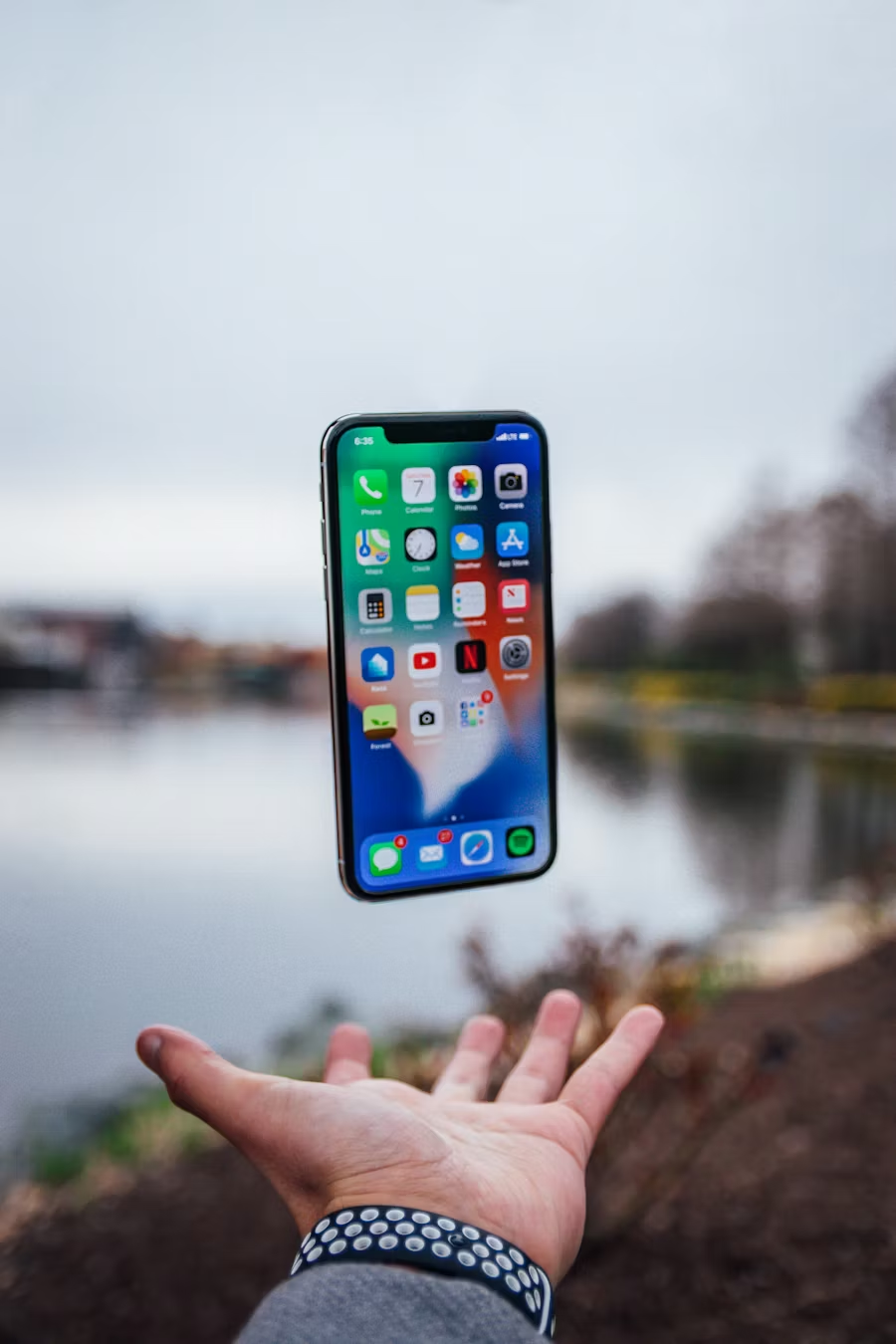
The healthiest way to use dopamine sites is intentionally. They can be a cute five-minute reset, but they should not become the only way you cope with stress.
A good rule is to pair digital comfort with real comfort. If you browse a fake delivery app to avoid late-night spending, drink water or make tea afterward. If you use an online break room while studying, stretch or step away from your desk after.
You can also make the break more intentional by setting a timer. Five to ten minutes of low-pressure scrolling can feel nice. One hour of accidental scrolling usually feels worse.
Small offline habits make the biggest difference: journaling for two minutes, reading a few pages, cleaning your desk, dimming your lights, or putting your phone on a stand instead of holding it in bed.
Dopamine sites are interesting because they show how badly people want comfort without pressure. But the deeper goal is not more screen time. The deeper goal is finding ways to feel okay again.
Digital comfort picks:
JournalKindle PaperwhiteSome links may be affiliate links. The Seoul Edit may earn a commission at no additional cost to you.
12. Sources
This article builds on reporting about Korea’s dopamine sites, fake delivery apps, online smoke-break rooms, burnout, and digital comfort culture.
13. FAQ: Doing Nothing Online And Dopamine Sites
What are dopamine sites?
Dopamine sites are websites or digital spaces designed to provide quick emotional comfort, stimulation, or relaxation through simple interactions that require little effort or commitment.
Why does doing nothing online feel relaxing?
Because many online comfort spaces remove pressure. Users don't have to perform, respond, spend money, or make decisions, allowing the brain to briefly recover from everyday stress.
Are dopamine sites the same as social media?
Not exactly. Social media often focuses on content creation, comparison, and engagement, while dopamine sites typically focus on low-pressure comfort and passive participation.
Why are dopamine sites popular in Korea?
South Korea's highly connected digital culture, combined with academic pressure, workplace stress, and widespread app usage, makes digital comfort spaces especially appealing.
Can dopamine sites help with burnout?
They may provide short-term relief and mental breaks, but they should not replace sleep, social connection, exercise, or other forms of real recovery.
Is spending time on dopamine sites unhealthy?
Not necessarily. When used in moderation, they can function like small breaks. Problems arise when they become a substitute for addressing deeper stress, loneliness, or burnout.
Want More Korean Internet Culture Guides?
Join the list for Korean trend reports, digital culture explainers, Seoul discoveries, and local stories.
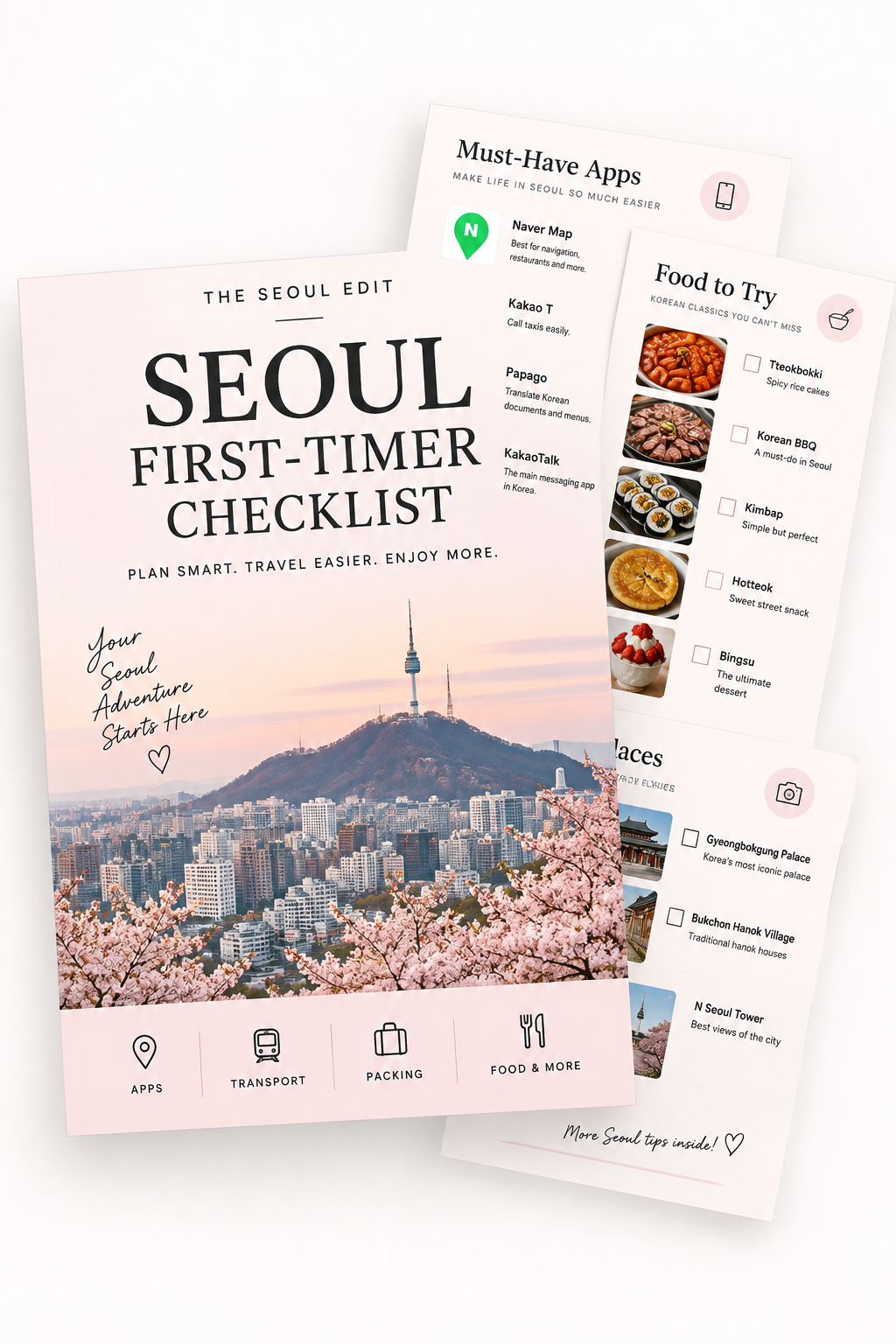
Planning a trip to Seoul?
14. Final Thoughts
Doing nothing online feels good because it removes pressure.
You do not have to perform, buy, explain, reply, or improve yourself. You can simply exist inside a small digital moment.
Dopamine sites make that feeling obvious. They turn cravings, pauses, loneliness, and boredom into tiny online rituals.
Used in moderation, these digital spaces can be harmless comfort. But real rest still matters too.