At first glance, dopamine sites sound ridiculous.
Why would anyone spend time pretending to order food that never arrives? Why would someone join a virtual smoke break without actually smoking?
Yet millions of views, media coverage, and growing interest among Korean Gen Z suggest these websites are tapping into something very real: the need for quick comfort in a stressful world.
The rise of dopamine sites reveals a fascinating side of modern Korean internet culture, where digital experiences are increasingly replacing small real-life rituals.
1. What Are Dopamine Sites?
♡ The Korean internet trend that simulates comfort without the real-world action

Imagine opening a food delivery app, filling your cart with fried chicken, tteokbokki, and dessert, then closing the app without ordering anything.
That is essentially the idea behind Korea's newest internet trend: dopamine sites.
Dopamine sites are websites designed to recreate the feeling of doing something enjoyable without requiring the actual purchase, action, or commitment.
Some simulate food delivery apps. Others simulate smoke breaks. The goal is not productivity. The goal is a brief feeling of comfort, relief, distraction, or connection.
The trend exploded among Korean Gen Z users in 2026 as discussions around burnout, loneliness, rising costs, and digital fatigue became increasingly common.
Recommended picks:
Blue Light Blocking Glasses Phone Stand
Some links may be affiliate links. The Seoul Edit may earn a commission at no additional cost to you.
2. The Fake Food Delivery App Phenomenon
♡ Browsing food without spending money has become its own form of entertainment
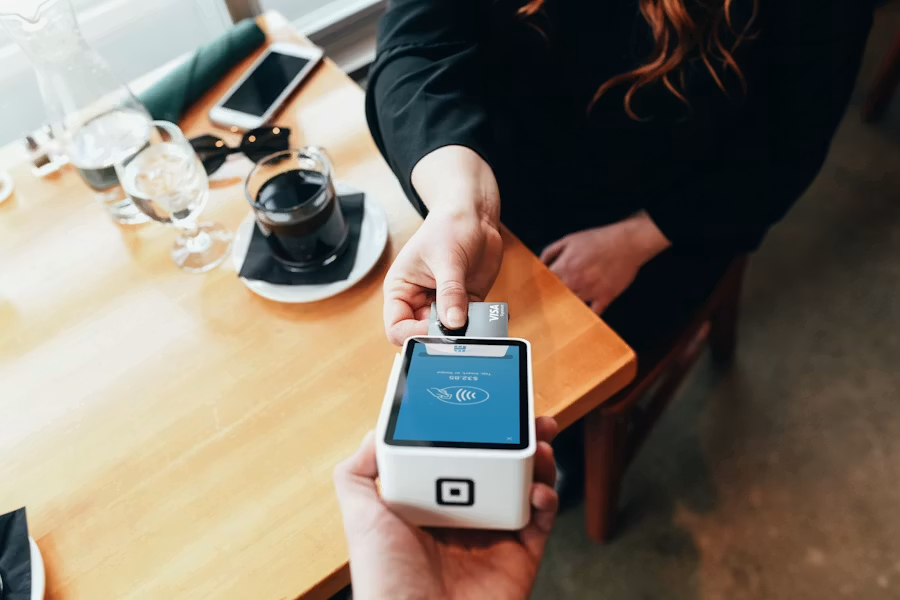
One of Korea's most famous dopamine sites looks almost identical to a real food delivery app.
Users browse menus, view ratings, compare restaurants, and add meals to a cart exactly like they would on a normal delivery platform.
The only difference is that the order never happens.
For many users, that is the entire appeal. They experience the anticipation and excitement of ordering food without spending money, breaking a diet, or dealing with delivery fees.
Several users interviewed by Korean media described the experience as “zoning out” or satisfying a craving without actually giving in to it.
3. Korea's Online Smoke Break Rooms
♡ A virtual break room for people who want the feeling of pausing together

Another dopamine site that gained attention in Korea is the online smoke break room.
In Korean office and school culture, a short smoke break can function as more than just smoking. It can become a tiny social pause, a moment to step away from work, and a way to feel like you are not struggling alone.
Online smoke break sites recreate that feeling without requiring users to actually smoke. Users press a start button, see that other people are also online, and leave short anonymous messages like they would in a shared break room.
The comfort comes from the loose sense of presence. You do not have to talk deeply, introduce yourself, or maintain a friendship. You just know that other people are also taking a small pause at the same time.
That low-pressure connection is a big reason these sites feel so strangely comforting.
Recommended picks:
Pomodoro Timer Noise Cancelling Headphones
Some links may be affiliate links. The Seoul Edit may earn a commission at no additional cost to you.
4. Why Dopamine Sites Feel So Comforting
♡ They give users tiny rituals, low-pressure connection, and a break from real life

Dopamine sites might look silly at first, but they make more sense when you think about the pressure many young Koreans are under.
Students deal with exams, assignments, internships, and career anxiety. Office workers deal with long hours, unstable futures, high housing costs, and the emotional exhaustion of always being online.
In that environment, even a small website that lets you pretend to order food or take a break with strangers can feel like a tiny reset.
These sites do not ask users to perform, post, comment, buy, or explain themselves. They simply create a quick moment of relief.
That is why the trend is not only about dopamine. It is also about loneliness, burnout, anxiety, and the desire for comfort without social pressure.
5. The Comfort Of Loose Online Connection
♡ You do not need deep conversation to feel slightly less alone

One of the most interesting parts of dopamine sites is that users do not necessarily want full social interaction.
They are not joining a group chat, making a friend, or building a community in the traditional sense. Instead, they are entering a tiny shared digital space.
Seeing that other anonymous users are online can create just enough connection to feel comforting without becoming emotionally demanding.
This is very different from social media, where people often feel pressure to look interesting, attractive, productive, or funny.
Dopamine sites are softer. They let people exist quietly next to each other for a few minutes.
Recommended picks:
Noise Cancelling HeadphonesKindle Paperwhite
Some links may be affiliate links. The Seoul Edit may earn a commission at no additional cost to you.
6. From Mukbang To Dopamine Sites
♡ Korea has a long history of digital comfort through indirect experience
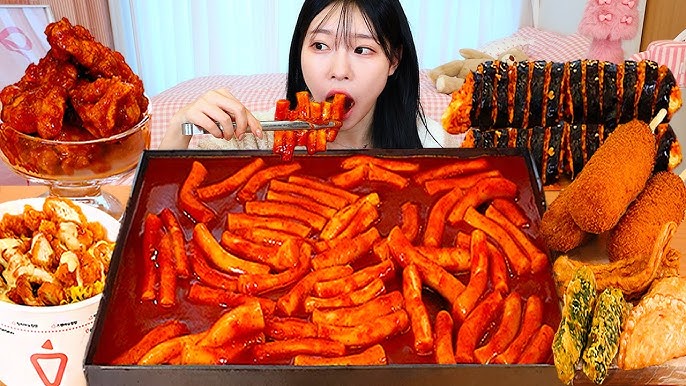
Dopamine sites also connect to a much bigger Korean internet pattern: enjoying something indirectly.
Mukbang is one of the clearest examples. Millions of people watch creators eat spicy tteokbokki, fried chicken, kimbap, cup rice, cheese hot dogs, noodles, and desserts, even when they are not eating the food themselves.
The pleasure comes from watching, imagining, listening, and feeling close to the experience without actually doing it.
That is why dopamine sites feel related to mukbang culture. A fake delivery app gives users the feeling of choosing food. Mukbang gives users the feeling of enjoying food. Neither requires the viewer to actually spend money or eat.
In both cases, the internet becomes a place where people can borrow a small feeling from someone else's experience.
Recommended picks:
Phone StandBlue Light Blocking GlassesSome links may be affiliate links. The Seoul Edit may earn a commission at no additional cost to you.
7. Digital Simulation Is Replacing Small Real-Life Rituals
♡ Ordering food, smoking, shopping, and resting are becoming online moods
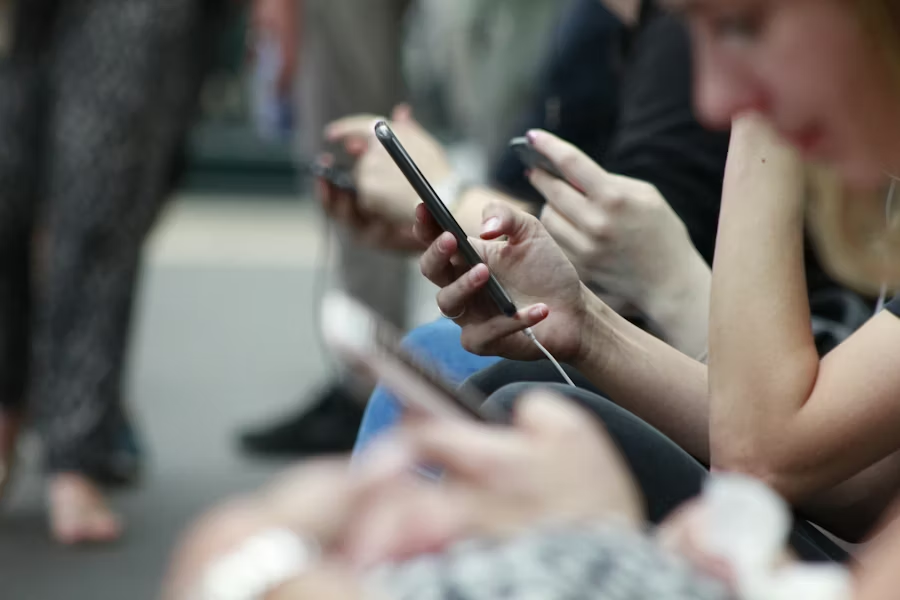
Dopamine sites are interesting because they do not fully replace real life. They imitate tiny pieces of it.
The fake delivery app does not replace dinner. It replaces the feeling of browsing, choosing, craving, and almost ordering.
The online smoke break site does not replace a full conversation. It replaces the feeling of stepping away from your desk with other people for a few minutes.
This is why dopamine sites feel so modern. They turn ordinary rituals into digital moods.
For young Koreans who are tired, broke, overstimulated, or lonely, simulation can feel easier than real life because it offers the emotional reward without the cost.
Recommended picks:
Pomodoro TimerPortable Charger
Some links may be affiliate links. The Seoul Edit may earn a commission at no additional cost to you.
8. Why This Trend Feels So Korean
♡ It combines internet humor, burnout, social pressure, and comfort culture
Dopamine sites could technically exist anywhere, but the trend feels especially Korean because it fits several parts of modern Korean culture at once.
Korea has extremely fast internet culture, strong delivery app culture, viral food content, study pressure, office burnout, and a huge appetite for tiny digital trends.
A fake delivery app feels funny because delivery apps are already part of daily life. An online smoke break feels familiar because break culture is part of office and school routines.
The humor works because the sites copy something everyone already recognizes, then remove the real-world consequence.
That mix of parody, stress relief, loneliness, and shared cultural recognition is what makes dopamine sites feel so specific to this moment in Korea.
Recommended picks:
Desk Lamp Noise Cancelling Headphones
Some links may be affiliate links. The Seoul Edit may earn a commission at no additional cost to you.
9. Are Dopamine Sites Bad For You?
♡ They can be harmless comfort, but they can also show how exhausted people feel

Dopamine sites are not automatically bad. For many users, they are just a tiny online joke, a quick reset, or a way to avoid spending money when they are craving delivery food.
In that sense, they can be healthier than actually ordering food you do not want to pay for, smoking when you do not want to smoke, or doomscrolling social media for hours.
But the trend also says something deeper. If so many people feel comforted by fake rituals, anonymous presence, and simulated breaks, it shows how badly people want low-pressure comfort.
The issue is not the sites themselves. The issue is the burnout, loneliness, anxiety, and financial pressure that make these tiny digital escapes feel necessary.
Like many internet trends, dopamine sites are both funny and sad at the same time.
Recommended picks:
Journal Blue Light Blocking Glasses
Some links may be affiliate links. The Seoul Edit may earn a commission at no additional cost to you.
10. How To Use Digital Comfort Without Getting Stuck Online
♡ Small online resets are fine, but they should not replace real rest

The healthiest way to think about dopamine sites is as tiny digital breaks, not full solutions.
Browsing a fake delivery app for five minutes might help you avoid an unnecessary late-night order. Taking an online smoke break might help you feel less alone while studying.
But if you are constantly using online stimulation to avoid sleep, meals, real conversations, or rest, it may be a sign that you need a deeper reset.
Try pairing digital comfort with real comfort: stretch, drink water, journal for two minutes, step outside, text a friend, clean your desk, or set a timer so the break does not turn into a whole night online.
Dopamine sites are fascinating because they show how creative young people are at finding comfort. But real rest still matters.
Recommended picks:
Pomodoro TimerDesk LampSome links may be affiliate links. The Seoul Edit may earn a commission at no additional cost to you.
11. Sources
The rise of dopamine sites in Korea has been covered by several major publications discussing burnout, loneliness, digital comfort, and changing online behavior among young Koreans.
12. FAQ: Dopamine Sites In Korea
What are dopamine sites in Korea?
Dopamine sites are Korean websites that give users quick comfort or stimulation by simulating familiar activities, such as ordering food or taking a smoke break, without actually doing the real-world action.
Why are young Koreans using dopamine sites?
Many young Koreans use dopamine sites for quick comfort, stress relief, loneliness, cravings, and burnout. The sites offer a low-pressure way to feel connected or satisfied without spending money or committing to anything.
What is a fake delivery app dopamine site?
A fake delivery app dopamine site looks like a real food delivery app, allowing users to browse menus and add food to a cart, but it does not actually place an order.
What is an online smoke break site?
An online smoke break site recreates the atmosphere of taking a short break with other people. Users can press a start button, see others online, and share anonymous messages without actually smoking.
Are dopamine sites harmful?
They are not necessarily harmful if used as short breaks. However, they may reflect deeper issues like burnout, loneliness, anxiety, and the need for low-pressure connection.
Are dopamine sites the same as mukbang?
Not exactly, but they are related. Mukbang lets viewers experience food indirectly through video, while dopamine sites simulate small rituals like ordering food or taking a break.
Want More Korean Culture Guides?
Join the list for Korean internet trends, Seoul discoveries, Korean culture guides, cafés, travel tips, and local stories.
Planning a trip to Seoul?
13. Final Thoughts
Dopamine sites might look like jokes, but they reveal something important about modern life.
People are not necessarily looking for more entertainment. They are looking for comfort that feels easy, safe, and low-pressure.
Whether it is browsing a fake delivery app, taking a virtual smoke break, watching mukbang videos, or sitting quietly in an anonymous online space, these websites show how people are creating new ways to cope with loneliness and burnout.
They are funny, slightly absurd, and surprisingly human at the same time.