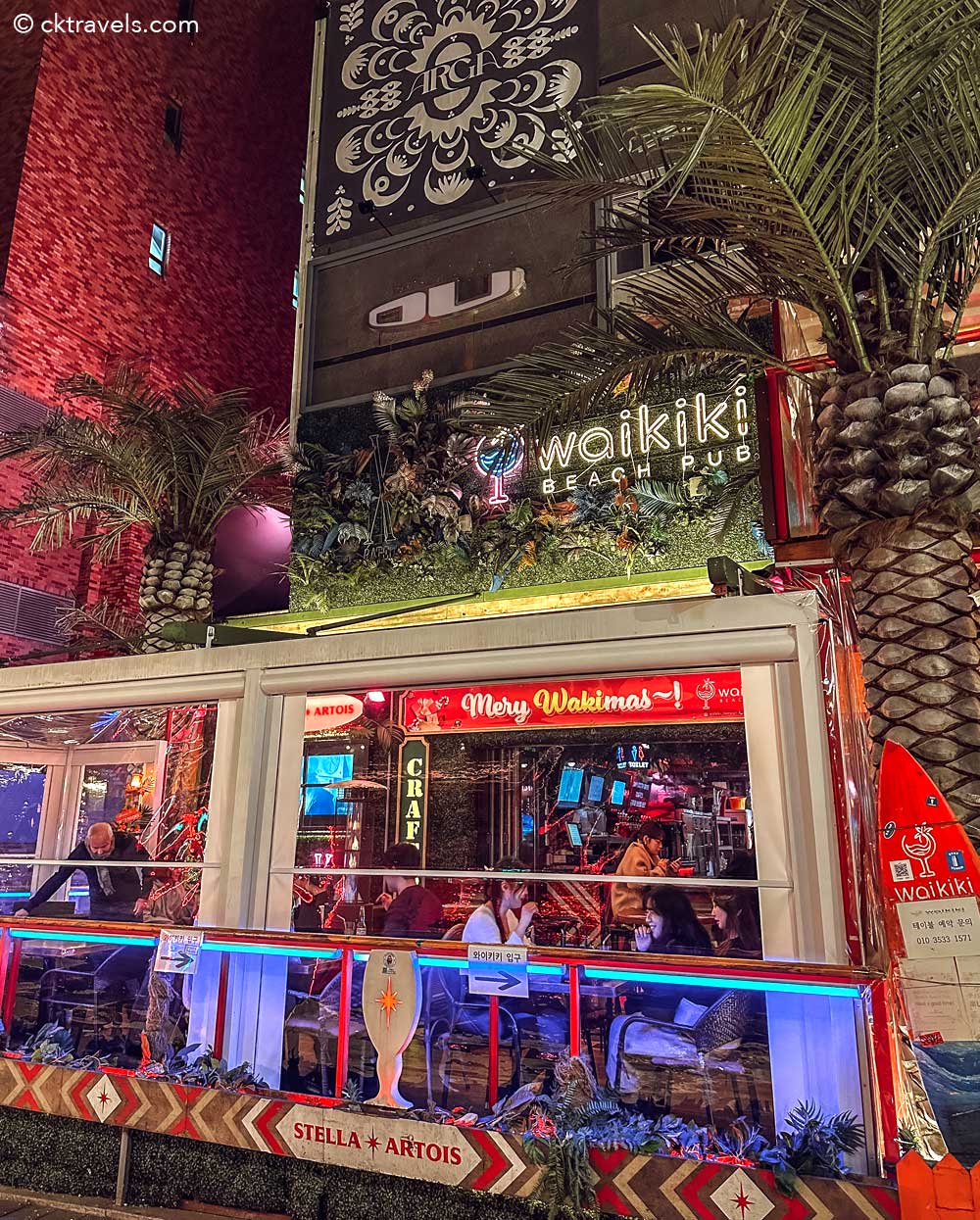
Itaewon is one of the few Seoul neighborhoods where deciding what to eat can genuinely feel like choosing between countries.
Walk out of Itaewon Station and you can find Korean BBQ, halal Korean food, Turkish kebabs, Indian curry, Persian grilled meat, hummus, burgers, pizza, tacos, Southeast Asian food, cafés, bakeries, and desserts within the wider neighborhood.
That diversity is not just a recent restaurant trend.
Itaewon has spent decades developing as one of Seoul's most internationally connected areas. Foreign residents, businesses, embassies, travelers, the Seoul Central Mosque, and communities from many countries have all shaped what people eat here.
That is why I would not visit Itaewon and eat exactly the same way I would in every other part of Seoul.
You should absolutely eat Korean food. Have samgyeopsal, bulgogi, fried chicken, or halal Korean dishes if they are foods you want to try.
But save another meal for something international.
The contrast is the point.
This guide is also not a ranking of fifteen exact restaurants. Restaurants open, close, move, change menus, and change hours much faster than the broader food culture of the neighborhood.
Instead, this is a guide to what to eat in Itaewon, which food categories are especially worth looking for, and how to experience the neighborhood through food.
Read: What to Eat in Hongdae: 15 Foods Worth Trying Near Hongik University
Read: Best Cheap Eats in Hongdae for Students, Tourists, and Late-Night Cravings
1. Samgyeopsal and Korean BBQ
♡ Itaewon is famous for international food, but there is still no reason to skip one of Seoul’s most satisfying Korean dinners.
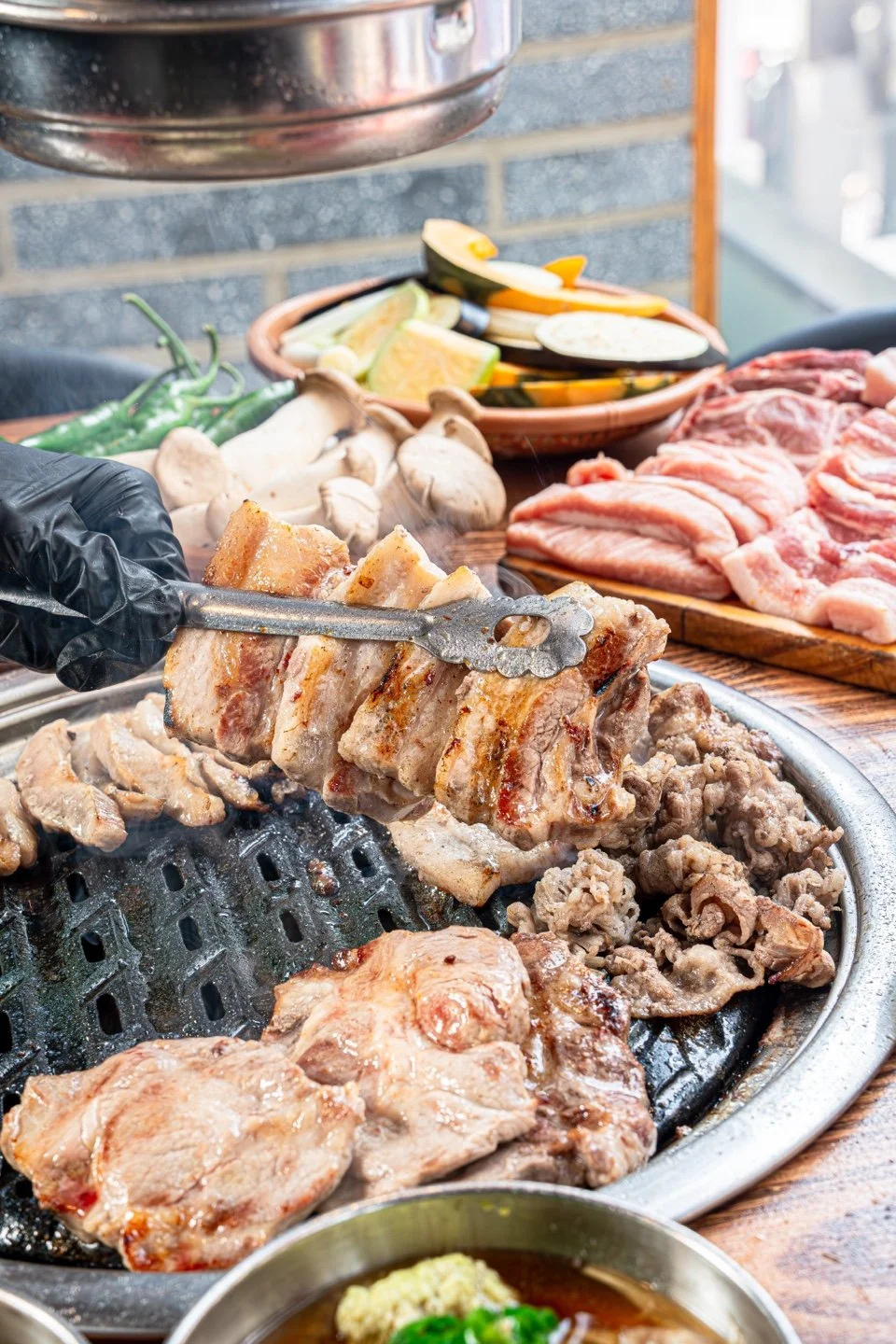
Itaewon's international restaurants get so much attention that it is easy to forget you are still in Seoul, surrounded by plenty of places serving classic Korean food. If this is one of your first meals in Korea, I would not hesitate to start with samgyeopsal, or grilled pork belly.
Samgyeopsal is one of those meals that makes more sense once you actually sit down at the table. Thick slices of pork go onto the grill in the middle, usually alongside garlic, mushrooms, kimchi, or other vegetables. Depending on the restaurant, you may grill the meat yourself or the staff may handle most of the cooking.
Once the pork is browned and slightly crisp around the edges, the real fun starts. Take a lettuce or perilla leaf, add one piece of meat, a little ssamjang, garlic, kimchi, or whatever side dish you like, fold everything together, and eat it as one bite.
There is no single correct way to build the wrap. Some people put almost everything on the table inside one leaf. Others prefer nothing more than pork, garlic, and a little salt. Try a few combinations before deciding what you like.
Itaewon and neighboring Hannam-dong also have older Korean restaurants that existed long before the area became associated with trendy bars and international dining. Nariuijip, for example, is known for samgyeopsal and the green onion salad served alongside it.
If pork belly feels too fatty, look for moksal, or pork neck. It tends to be meatier and slightly leaner while still working perfectly with the same lettuce wraps and side dishes.
Beef is another option if your budget is higher. Itaewon has restaurants serving galbi, sirloin, marinated beef, and other cuts, although a beef BBQ dinner can become considerably more expensive than a simple pork meal.
One thing to check before sitting down is the minimum order. Korean BBQ restaurants often expect the table to order at least two portions of meat. That makes this a much easier meal for couples and groups than for solo travelers.
Do not rush away as soon as the meat disappears either. Doenjang-jjigae, cold noodles, or fried rice can be an excellent final round. Korean BBQ is supposed to feel like a complete shared dinner rather than a plate of meat you finish in ten minutes.
Starting an Itaewon food day with Korean BBQ also creates a nice contrast with what comes later. Your next meal might be Persian kebab, Indian curry, or tacos, which is exactly why eating in this neighborhood is so interesting.
More Seoul Edit picks:
Crunchy Butter Squishy, 2 Pack 30 Pack Kawaii Squishy Toys
Some links may be affiliate links. The Seoul Edit Blog may earn a commission at no additional cost to you.
2. Halal Korean Food: Bulgogi, Bibimbap, and Samgyetang
♡ For Muslim travelers who want Korean food without constantly worrying about hidden ingredients, Itaewon is one of Seoul’s most useful neighborhoods.
One of the biggest things that separates Itaewon from most other Seoul neighborhoods is the concentration of halal Korean food.
This matters because eating halal in Korea can involve much more than avoiding an obvious piece of pork. Broths can contain pork or beef that is not halal. Marinades can use alcohol. Sauces may contain ingredients that are difficult to identify, and grills can be shared between different types of meat.
Around Itaewon, especially near the Seoul Central Mosque and Usadan-ro, there are restaurants that specifically cater to Muslim diners. That makes it possible to experience Korean dishes without spending the entire meal trying to decode every ingredient.
One of the easiest foods to start with is bulgogi. Thin slices of beef are marinated in a sweet and savory sauce, then cooked until tender. The flavor is usually built around soy sauce, garlic, sesame oil, sweetness, and other seasonings rather than a lot of chili.
Bibimbap is another useful option. Rice is topped with vegetables and other ingredients, then mixed together with gochujang. Some versions include meat and others can be made without it, although strict vegetarian or halal diners should still confirm how the ingredients are prepared.
If you want something warm and comforting, look for samgyetang, a whole young chicken stuffed with rice and cooked in a mild ginseng broth. It is very different from the fiery red Korean food that tends to dominate travel videos.
Eid, near the mosque, is one current example of a Korean restaurant using halal ingredients. Its listed Korean dishes include bulgogi, bibimbap, and samgyetang.
The most important thing is not to treat every label as identical. Halal-certified, halal ingredients, Muslim-friendly, pork-free, and alcohol-free can describe different standards.
If you follow strict halal requirements, check the restaurant's current certification or preparation policy instead of relying on an old blog post. Restaurants can change suppliers, menus, and procedures.
Even for travelers without dietary restrictions, this part of Itaewon is worth understanding. It shows how Seoul's Korean food has adapted to serve communities that have made the neighborhood their home.
More Seoul Edit picks:
NeeDoh Nice Ice Baby Squishy Fidget Stress Cube Pack
Some links may be affiliate links. The Seoul Edit Blog may earn a commission at no additional cost to you.
3. Tteokbokki, Gimbap, and Fish Cake in Halal Style
♡ Itaewon is one of the rare places where Muslim travelers can look for versions of the Korean snack foods they keep seeing in dramas and street-food videos.
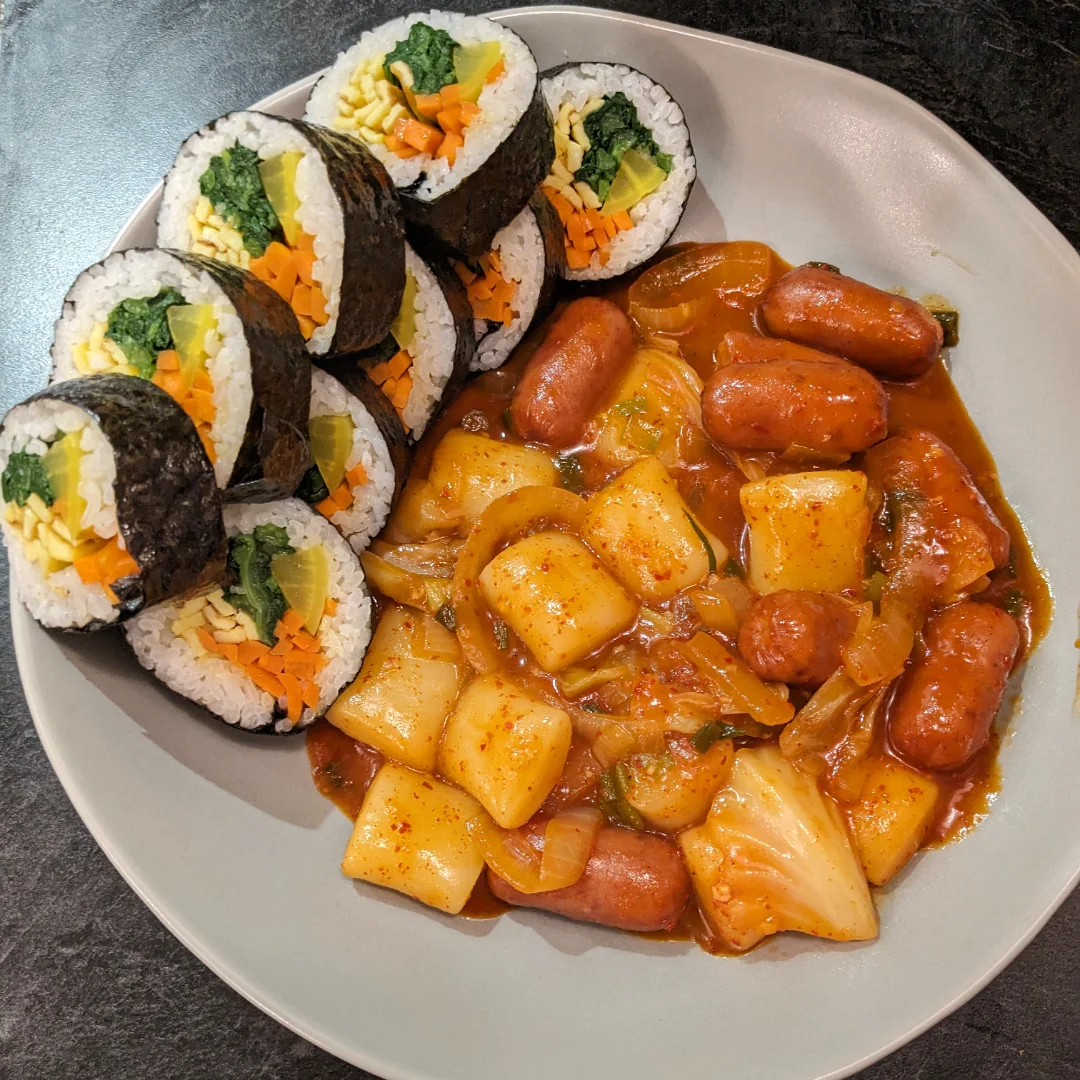
Korean street food looks simple from the outside, but the ingredient situation can be surprisingly complicated if you eat halal.
A plate of tteokbokki may look like nothing more than rice cakes and spicy sauce, but the sauce can contain fish-based stock or other ingredients. Fish cake can have its own preparation concerns, and even a seemingly straightforward roll of gimbap can contain ham, processed meat, or ingredients cooked alongside pork.
That is why Itaewon is useful. There are restaurants in the area taking foods normally associated with Korean snack shops and preparing them specifically for Muslim customers.
Tteokbokki is the obvious place to start. The chewy cylindrical rice cakes are cooked in a thick red sauce that is usually sweet, spicy, and savory at the same time. A simple portion can be a snack, while larger restaurant versions add noodles, eggs, dumplings, vegetables, or cheese and become a full meal.
Then there is gimbap, rice and fillings wrapped in seaweed. It is one of Korea's most practical everyday foods. You can eat it quickly, share a roll, pack it for later, or pair it with spicy tteokbokki.
The combination works because the gimbap softens the heat of the tteokbokki. Dip a piece lightly into the red sauce and you get rice, seaweed, vegetables, and spice in the same bite.
Fish cake, or eomuk, is another common snack. It is soft, springy, mild, and often served on a skewer with hot broth. It is especially satisfying during Seoul's colder months.
Manis Kitchen in Itaewon is a current example highlighted by Seoul tourism information for combining Korean street food with halal preparation. Its menu includes foods such as tteokbokki, gimbap, and fish cake.
I like this category because it gives Muslim visitors access to the casual side of Korean food, not only carefully plated restaurant meals. Tteokbokki and gimbap are foods students eat, friends share, and people grab when they want something easy.
That everyday feeling is part of what makes them worth trying.
More Seoul Edit picks:
Cheese Squishy Stress Relief Coconut Oil Squishy
Some links may be affiliate links. The Seoul Edit Blog may earn a commission at no additional cost to you.
4. Korean Fried Chicken
♡ Itaewon stays busy well into the evening, which makes crispy chicken one of the easiest meals to save for later in the day.
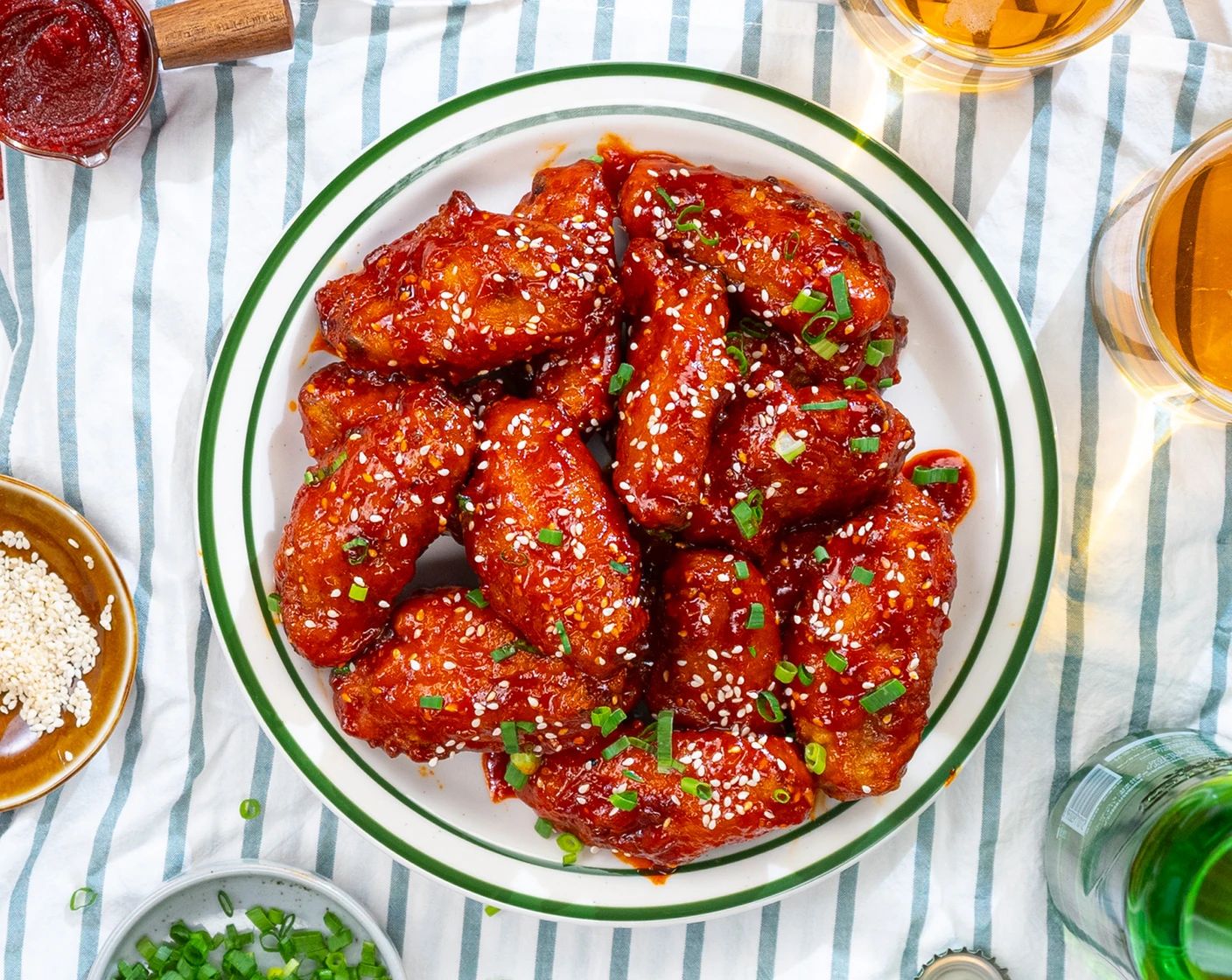
Korean fried chicken is one of those foods that tourists hear about before they even arrive in Korea, but it still earns its place on an Itaewon food list.
The main attraction is the texture. Korean chicken is usually fried until the outside is extremely crisp, then served plain or coated in sauce. The coating can stay surprisingly crunchy even after a sticky glaze goes on top.
Plain fried chicken is the best option if you care most about crispness. Sweet and spicy yangnyeom is the classic sauced version, while soy garlic is usually more savory and slightly sweet.
If you cannot choose, order half and half. That is usually much more sensible than convincing yourself you need two entire chickens in the name of research.
Pickled radish normally arrives on the side. It looks unimportant until you have eaten several pieces of rich fried chicken. The cold, slightly sweet and sour radish cuts through the oiliness and makes the next bite much easier.
The famous pairing is chimaek, combining chicken with beer. Alcohol is completely optional. What matters more is that Korean fried chicken is generally treated as food to share slowly with other people.
Itaewon works particularly well for chicken because you do not have to schedule it neatly at 6 p.m. The neighborhood keeps going late, so chicken can easily become dinner, a second dinner, or the meal somebody proposes after everybody said they were no longer hungry.
Muslim diners should look for restaurants clearly advertising halal chicken and appropriate preparation. Itaewon gives you more of those possibilities than most nightlife districts in Seoul.
If you are eating several foods from this guide in one day, I would save chicken for evening. It is filling, social, and better when you have nowhere urgent to be afterward.
More Seoul Edit picks:
Crayola Globbles 16ct Crunchy Butter Squishy, 2 Pack
Some links may be affiliate links. The Seoul Edit Blog may earn a commission at no additional cost to you.
5. Turkish Kebab, Pide, and Grilled Meat
♡ If the smell of seasoned meat from a rotating spit changes your dinner plans, you are having a very normal Itaewon experience.
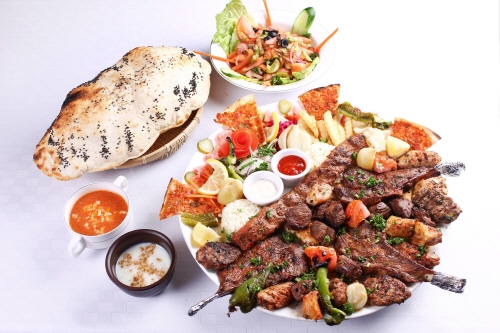
Turkish food is one of the cuisines that feels completely natural in Itaewon. Walk around the streets near the mosque and you will find kebabs, grilled meat, bread, Turkish desserts, and restaurants that have been serving the neighborhood's Muslim and international communities for years.
A doner-style kebab is probably the easiest place to begin. Seasoned meat cooks on a vertical rotisserie, then gets sliced thinly and packed into bread or a wrap with vegetables and sauce.
It is one of the most useful foods on this entire list because it sits somewhere between a snack and a full meal. You can eat one quickly while walking around Itaewon without committing another hour to a restaurant.
But do not stop at the takeaway kebab. A sit-down Turkish meal opens up a much wider range of food.
Pide is a long, boat-shaped flatbread topped with meat, cheese, vegetables, or other ingredients. It is sometimes casually described as Turkish pizza, but that comparison does not really explain the texture of the bread or the way the toppings are arranged.
Then there are grilled dishes such as chicken shish, lamb, and Adana-style kebab. These work particularly well for sharing because you can order bread, salad, grilled meat, and sides for the table rather than everybody committing to one separate dish.
Kervan is one established Itaewon option listed by VISITKOREA, with Turkish dishes including chicken shish kebab and pide. The tourism listing also identifies the restaurant as halal-certified.
If your previous meal was Korean BBQ, Turkish grilled meat is a fun comparison. Both meals can revolve around meat and a hot grill, but the breads, seasonings, sauces, vegetables, and overall way you eat them are completely different.
That kind of contrast is one of the best reasons to eat your way through Itaewon instead of trying to make every meal Korean.
More Seoul Edit picks:
30 Pack Kawaii Squishy ToysCheese Squishy Stress ReliefSome links may be affiliate links. The Seoul Edit Blog may earn a commission at no additional cost to you.
6. Indian Curry, Naan, Tandoori Chicken, and Biryani
♡ Itaewon is one of the easiest neighborhoods in Seoul to switch from Korean flavors to a table full of curry, rice, grilled meat, and warm bread.
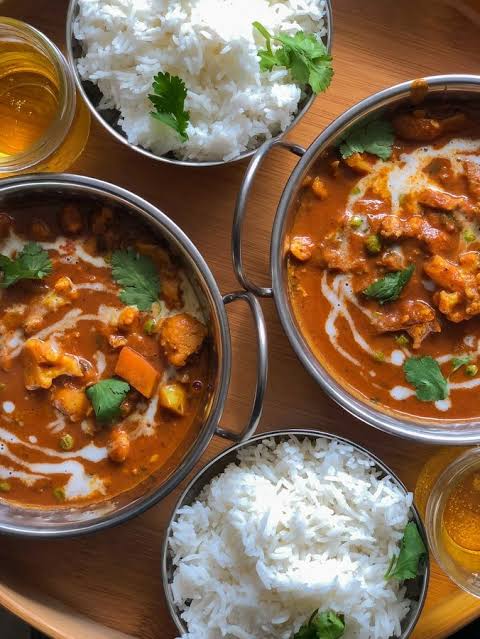
After several days of Korean food, there may come a moment when your brain suddenly wants curry. Itaewon is exactly where I would follow that craving.
Indian restaurants have been a visible part of the neighborhood's international dining scene for years, and the menus can be much broader than simply choosing between one mild curry and one spicy curry.
If you are going with friends, the best approach is to share. Order two or three different curries, rice, naan, and something from the tandoor. Everybody gets to taste more, and no one spends the entire meal staring at somebody else's better-looking plate.
Butter chicken is one of the easiest dishes for beginners. It is creamy, rich, and relatively gentle compared with hotter curries. Pair it with naan so you can scoop up the sauce rather than leaving half of it in the bowl.
Dal is worth adding if you want something based on lentils. Vegetable curries can also make the table much more balanced, especially if every other dish contains meat.
Tandoori chicken gives you a completely different texture from curry. The marinated chicken cooks at high heat, creating darker, slightly charred edges around meat that stays juicy inside.
Do not forget biryani. A good biryani is not just plain rice sitting beside the real food. The rice itself is fragrant, seasoned, and layered with meat, vegetables, spices, or other ingredients.
Taj Palace is one current Itaewon example listed by Visit Seoul. Its menu includes tandoori chicken, butter chicken curry, naan, thali, and vegetarian dishes. The current listing also states that its food is prepared with halal ingredients.
That overlap between South Asian food and Itaewon's halal dining scene is especially useful for groups with different preferences. One person can order meat, one can eat vegetarian, and someone following halal requirements can still have a wide menu to choose from.
Just be careful with the naan. Everybody always says one basket is enough, and then one basket is almost never enough.
More Seoul Edit picks:
NeeDoh Nice Ice BabyCoconut Oil SquishySome links may be affiliate links. The Seoul Edit Blog may earn a commission at no additional cost to you.
7. Persian Koobideh Kebab and Lamb Rice
♡ Itaewon’s international food scene gets much more interesting once you stop treating every grilled meat dish as the same kind of kebab.
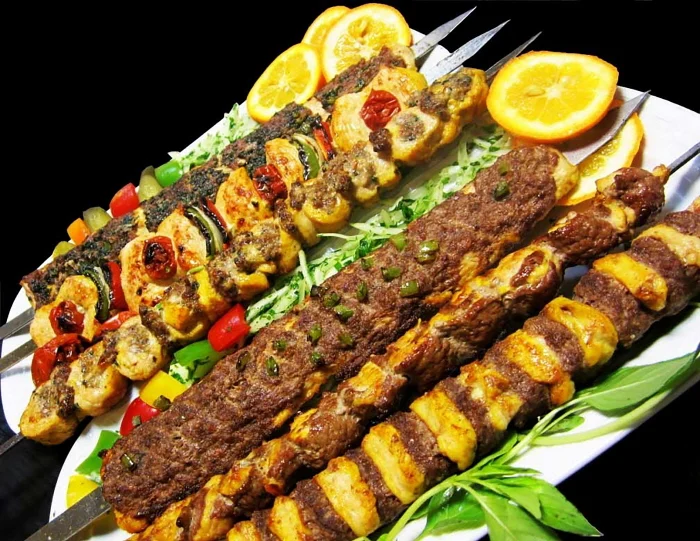
If your only idea of kebab is meat shaved into a wrap, make room for koobideh.
Koobideh is a Persian minced meat kebab shaped around a skewer and grilled. It is often served with rice, grilled tomato, bread, or other sides, turning the experience into a proper sit-down meal rather than something you eat while walking.
The dish looks simple, which means the details matter. Proper seasoning, juicy meat, and a little char from the grill are what make a good version satisfying.
Lamb is also worth looking for around Itaewon. Everyday Korean meat culture relies much more heavily on pork, beef, and chicken, so lamb becomes easier to encounter in neighborhoods with strong international restaurant communities.
Itaewon Kitchen is one current restaurant highlighted by Visit Seoul for Persian food. Its tourism listing specifically mentions koobideh and other halal food options.
This is another category where comparing meals makes Itaewon fun. Korean BBQ and Persian kebab may both involve grilled meat, but almost everything surrounding the meat is different.
Korean BBQ gives you lettuce wraps, kimchi, garlic, ssamjang, and banchan. A Persian meal might give you fragrant rice, grilled tomatoes, flatbread, herbs, and a completely different spice profile.
That is why describing both as grilled meat misses most of the point.
If you are traveling with someone who always orders meat no matter where they are, this is also a very easy way to introduce them to something different without asking them to leave their comfort zone completely.
Order a few things for the table rather than treating the kebab as the only dish. Rice, bread, salad, dips, and grilled vegetables make the whole meal much more interesting.
More Seoul Edit picks:
Squishy Fidget Stress Cube PackCrayola Globbles 16ctSome links may be affiliate links. The Seoul Edit Blog may earn a commission at no additional cost to you.
8. Hummus, Falafel, Lamb, and Middle Eastern Food
♡ A table of warm bread, hummus, grilled meat, vegetables, and falafel is one of the clearest reminders that Itaewon does not eat like the rest of Seoul.
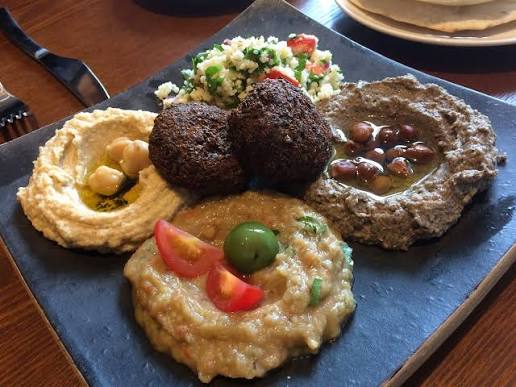
One of my favorite ways to use Itaewon is to deliberately eat something completely different from whatever I had earlier in the day.
If lunch was Korean, dinner can be a table covered in hummus, bread, grilled lamb, falafel, salad, rice, pickles, and sauces.
The phrase Middle Eastern food is extremely broad, so it is worth remembering that Turkish, Persian, Lebanese, Arab, and other regional cuisines are not interchangeable.
Restaurants in Itaewon may represent different countries and traditions even when a travel guide casually groups them together.
Hummus is an easy place to begin. Chickpeas are blended with tahini and other ingredients into a smooth dip that you eat with bread. It is simple, but it becomes one of those dishes everybody keeps reaching for between bites of grilled meat.
Falafel gives the table something crispy. The chickpea-based pieces should have a browned exterior and a softer center, and they work well with vegetables and sauces.
Grilled lamb or chicken can become the main dish, while rice, salads, pickles, and bread fill out the meal.
This part of Itaewon is also useful for vegetarian diners. Foods based on chickpeas, lentils, vegetables, bread, and salads can create far more obvious meat-free choices than an ordinary Korean BBQ menu.
Vegetarian does not automatically mean vegan, though. Yogurt, butter, cheese, eggs, or other animal products may still appear, so ask if that distinction matters to you.
The best way to eat this food is with several people and several plates. Putting everything in the center of the table makes dinner feel much more relaxed and gives everybody permission to keep stealing the last piece of bread.
More Seoul Edit picks:
Crunchy Butter Squishy, 2 PackCheese Squishy Stress ReliefSome links may be affiliate links. The Seoul Edit Blog may earn a commission at no additional cost to you.
9. Halal Burgers and Pizza
♡ Itaewon is useful when you want familiar comfort food but still need halal ingredients or simply want a break from Korean meals.
There can be a strange pressure when traveling to make every single meal feel culturally important.
You are in Korea, so your brain starts telling you that ordering a burger somehow wastes a meal that should have been samgyeopsal or bibimbap.
Itaewon is the perfect place to stop thinking that way.
International food is part of the neighborhood itself. A burger here is not some strange interruption to the Itaewon experience.
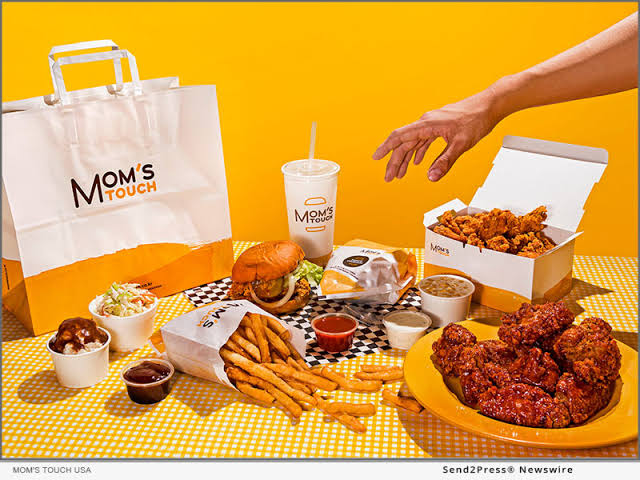
You can find thick burgers, smashed patties, chicken burgers, loaded fries, and pizza alongside Korean and Middle Eastern restaurants.
For Muslim visitors, the more interesting part is the availability of places using halal-certified ingredients. That can make foods such as beef burgers and pizza much easier to order without spending half the meal asking questions about the meat.
PB Plus is one example listed by Visit Seoul. The current tourism page describes it as an Iranian-owned Itaewon restaurant serving pizza and burgers made with halal-certified ingredients.
This category also works brilliantly for mixed groups. One person wants Korean food. One wants halal food. One has been eating rice for six days and wants fries. Somebody else only agreed to dinner because there might be pizza.
Itaewon is one of the few neighborhoods where that group can remain friends.
Just watch the total price. Handmade burger restaurants can look reasonable until you add fries, drinks, extra cheese, and several sides.
More Seoul Edit picks:
30 Pack Kawaii Squishy ToysNeeDoh Nice Ice BabySome links may be affiliate links. The Seoul Edit Blog may earn a commission at no additional cost to you.
10. Halal Platters and Loaded Sandwiches
♡ Sometimes the most satisfying international meal in Itaewon is rice, seasoned meat, salad, sauce, and absolutely no attempt to make dinner complicated.
Not every international meal needs to involve a long menu and twelve shared plates. Sometimes you want rice, meat, vegetables, sauce, and enough food to keep you full for the rest of the afternoon.
American-style halal platters fit that role nicely.
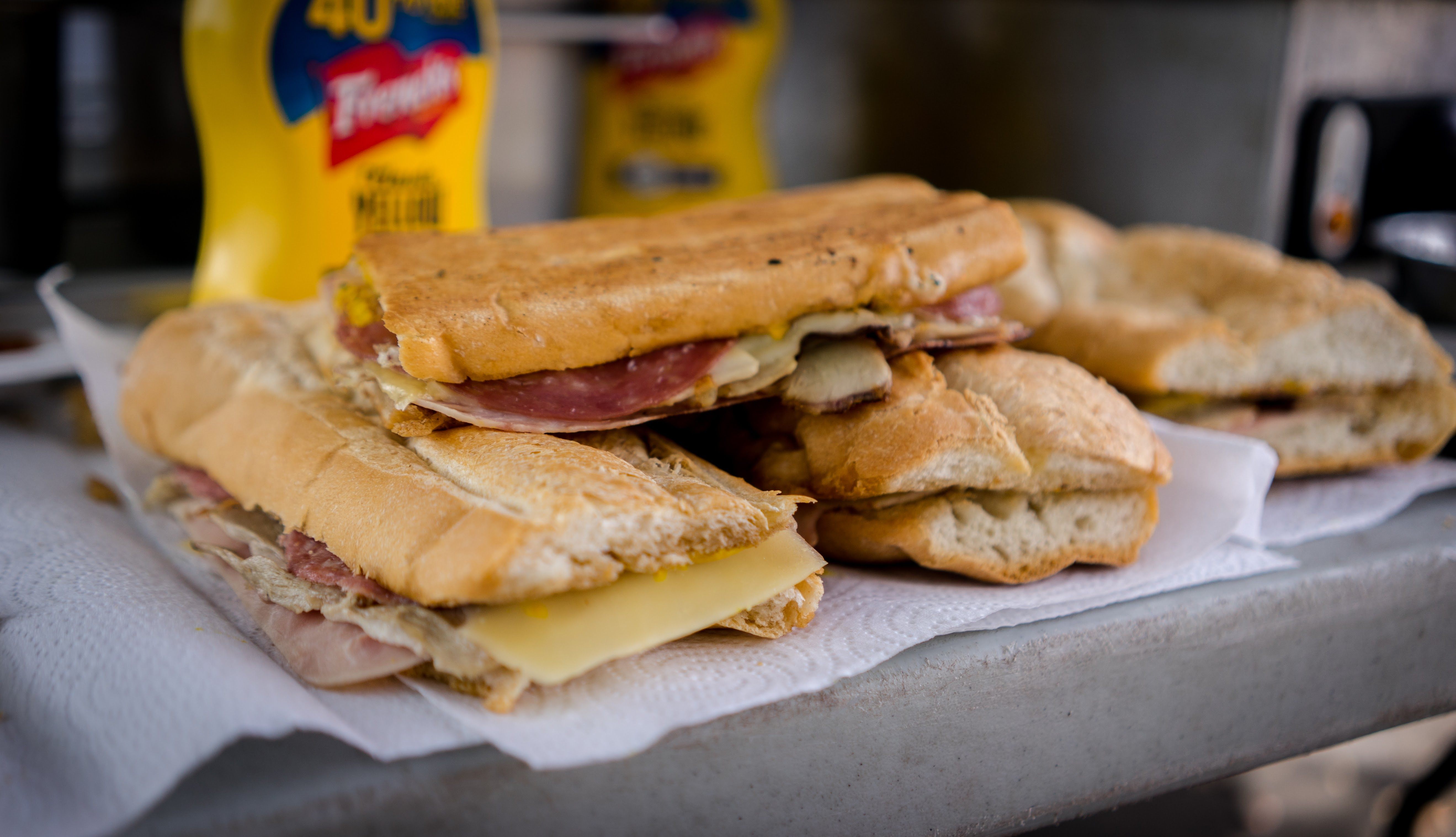
The basic formula is simple. Seasoned chicken or beef goes over rice with salad and sauce. Depending on where you order, you may also get pita, fries, or other sides.
It is not traditional Korean food, and it does not need to pretend to be. This is the kind of meal that makes sense in Itaewon precisely because of the neighborhood's mix of international residents and visitors.
Sandwiches offer another quick option when you do not want to sit through a long dinner. Meat, vegetables, sauces, and bread give you something portable enough to fit between shopping and whatever you are doing next.
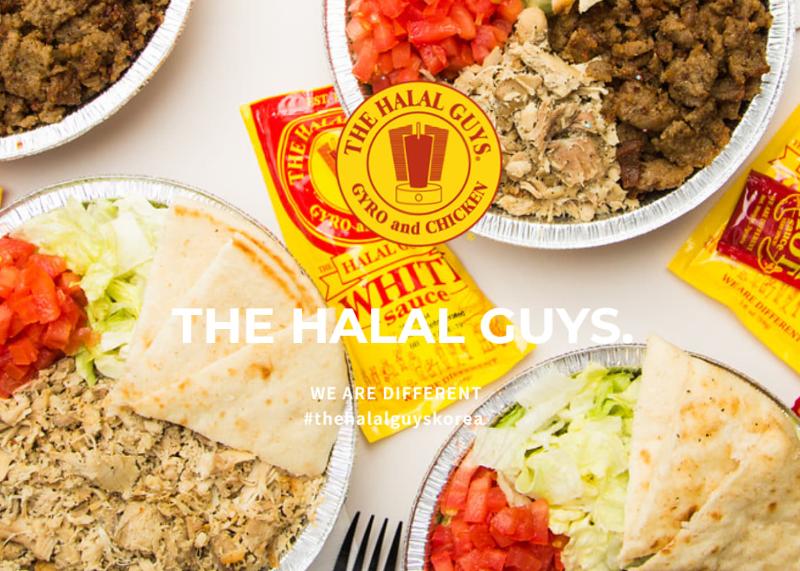
The Halal Guys' Itaewon branch is one current example listed by VISITKOREA. Its tourism listing describes the restaurant as serving American halal food in Itaewon.
I would especially keep this category in mind when you are hungry but not trying to make the meal the centerpiece of the day.
It is also useful late at night because simple rice and meat can feel much more appealing after several hours outside than starting another elaborate table meal.
If you are doing a serious Itaewon food crawl, split one platter. If it is your actual lunch, keep the whole thing for yourself.
More Seoul Edit picks:
Coconut Oil SquishySquishy Fidget Stress Cube PackSome links may be affiliate links. The Seoul Edit Blog may earn a commission at no additional cost to you.
11. Tacos, Burritos, and Mexican Food
♡ There is usually a point in a Korea trip when somebody admits they want tacos, and Itaewon is one of the easiest places to agree with them.
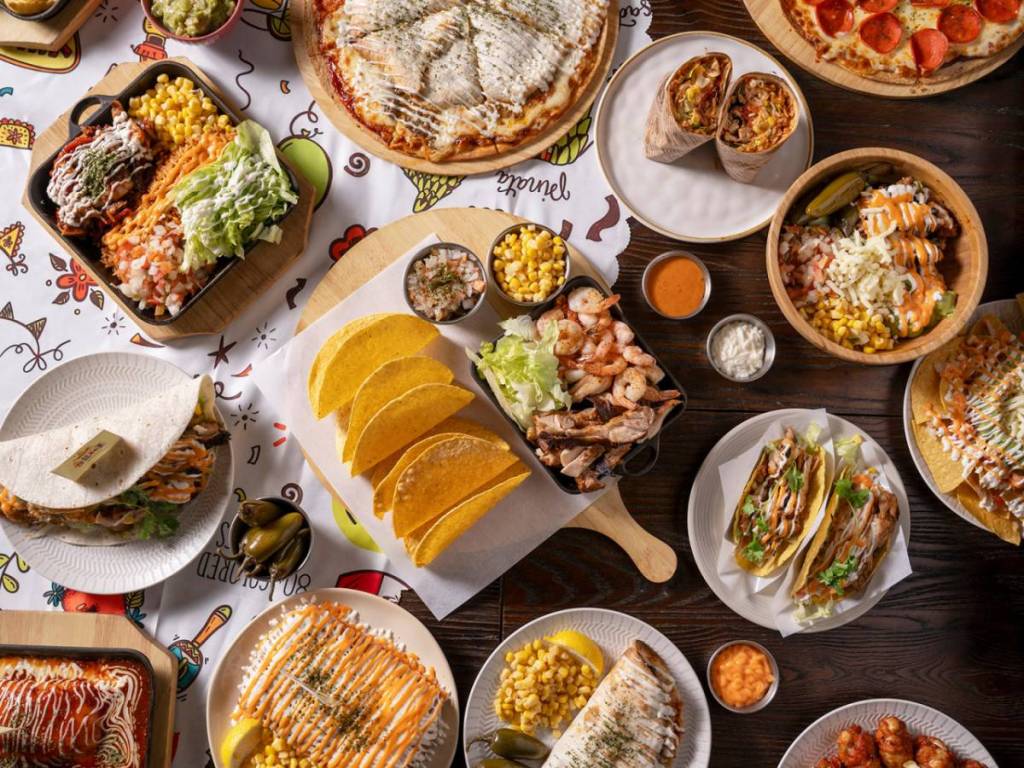
If you have spent several days eating your way through Seoul, eventually somebody in the group may say they want something that is not Korean.
This is completely normal. Nobody loses travel points because they wanted a taco after their fourth consecutive grilled meat dinner.
Itaewon has long been one of the obvious Seoul areas for Mexican and Mexican-inspired food. Depending on where you go, you can find tacos, burritos, quesadillas, nachos, bowls, and other casual dishes.
Tacos are particularly useful during a food crawl because they let you try several fillings without committing to one enormous main course.
Order different meats or vegetables and split them with whoever you are with. Add salsa or guacamole and suddenly dinner becomes another shared meal rather than everybody staring silently at one giant burrito.
This is also a nice break from the textures you get in Korean food. Tortillas, grilled meat, fresh onions, herbs, citrus, salsa, beans, and avocado move your palate in a completely different direction.
Quality and style vary widely. Some restaurants lean toward Tex-Mex, some are more California-inspired, and others build their menus around whatever Seoul diners currently like.
That means I would check current menus rather than expecting every place in Itaewon to taste like food from one specific part of Mexico.
Still, tacos belong in this article because Itaewon is one of the Seoul neighborhoods where international food feels like part of the main story.
Eating tacos here does not mean you stopped experiencing Seoul. It means you are experiencing Itaewon.
More Seoul Edit picks:
Crayola Globbles 16ctCrunchy Butter Squishy, 2 PackSome links may be affiliate links. The Seoul Edit Blog may earn a commission at no additional cost to you.
12. Vietnamese Pho and Rice Noodles
♡ A bowl of fragrant broth can feel almost responsible after several days of fried chicken, barbecue, curry, and unnecessary desserts.
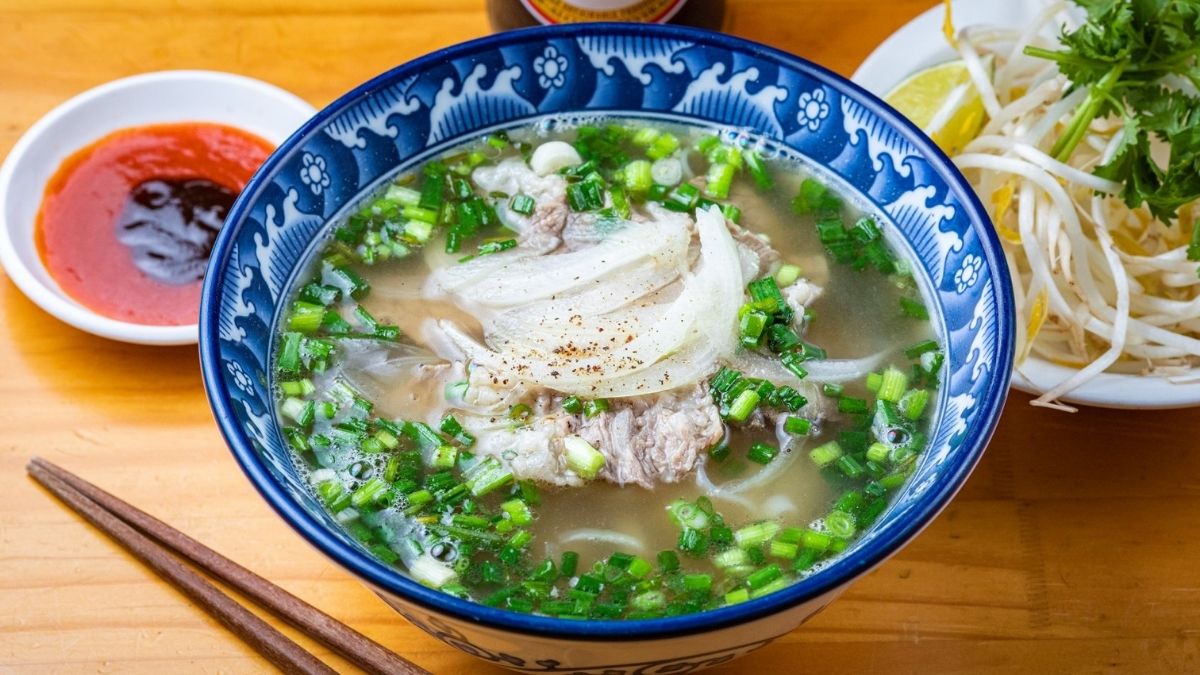
Travel eating becomes an endurance sport if every meal has to be the richest thing you can possibly find.
Korean BBQ for dinner. Pastry in the morning. Curry for lunch. Fried chicken later. Another dessert because it looked cute.
Eventually your next meal arrives and your body quietly asks whether you have considered soup.
This is where pho becomes useful.
Vietnamese pho combines broth, rice noodles, herbs, meat, and aromatics in a meal that can feel much lighter than another round of fried or grilled food.
Depending on the restaurant, you may also find fresh spring rolls, fried spring rolls, banh mi, bun noodles, rice plates, and other Vietnamese dishes.
A bowl of pho is particularly good for lunch because you can actually continue walking afterward instead of needing a recovery period.
If you want something else, split a plate of spring rolls. Fresh rolls keep the meal lighter, while fried rolls add the crispy element you were probably going to order eventually anyway.
The herbs, lime, broth, and fresh vegetables also create a nice break from the fermented, spicy, grilled, and sesame-rich flavors you may have been eating elsewhere in Seoul.
That is one of the underrated advantages of Itaewon. You can take a break from Korean food without taking a break from exploring an interesting Seoul neighborhood.
More Seoul Edit picks:
NeeDoh Nice Ice BabyCheese Squishy Stress ReliefSome links may be affiliate links. The Seoul Edit Blog may earn a commission at no additional cost to you.
13. Thai Curry, Pad Thai, and Basil Stir-Fry
♡ If you have become overly confident about spice after a week in Korea, Thai food can give you a useful reality check.
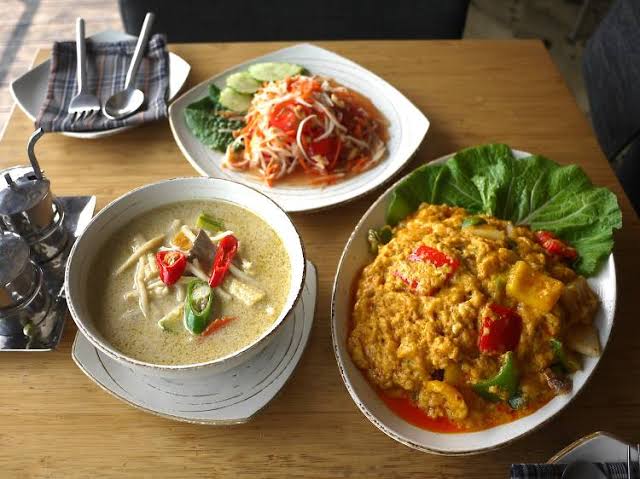
After a few days in Korea, some travelers start getting dangerously confident about spicy food.
You survived tteokbokki. Kimchi-jjigae no longer scares you. You ate noodles that arrived looking almost fluorescent red.
Then you order Thai food and remember that spice does not have only one personality.
Itaewon's international restaurant scene makes Thai food another natural option, particularly when you are traveling with people who want several dishes in the middle of the table.
Pad thai gives you chewy noodles with sweetness, acidity, peanuts, and savory flavor. It is familiar enough for cautious eaters while still feeling very different from Korean noodle dishes.
Green curry or red curry adds coconut milk, herbs, spice, and aromatics. Pair one curry with rice and suddenly you have the dish everybody keeps spooning from even though they claimed they were not hungry.
Pad kra pao, a basil stir-fry usually served with rice, is another great choice when you want something more savory and direct.
Tom yum goes in the opposite direction from Korean soups. It can be sour, aromatic, spicy, and bright rather than deep and fermented.
If you are sensitive to heat, ask about the spice level. Tolerating Korean spice does not mean you should automatically request the hottest Thai level available.
And if you have spent the entire trip announcing that nothing is spicy enough for you, perhaps this is your opportunity to prove it.
More Seoul Edit picks:
30 Pack Kawaii Squishy ToysCoconut Oil SquishySome links may be affiliate links. The Seoul Edit Blog may earn a commission at no additional cost to you.
14. Brunch and Bakery Food Around Hannam
♡ Walk toward Hangangjin and Hannam and the mood gradually shifts from late-night Itaewon to polished cafés, bakeries, brunch, and design shops.
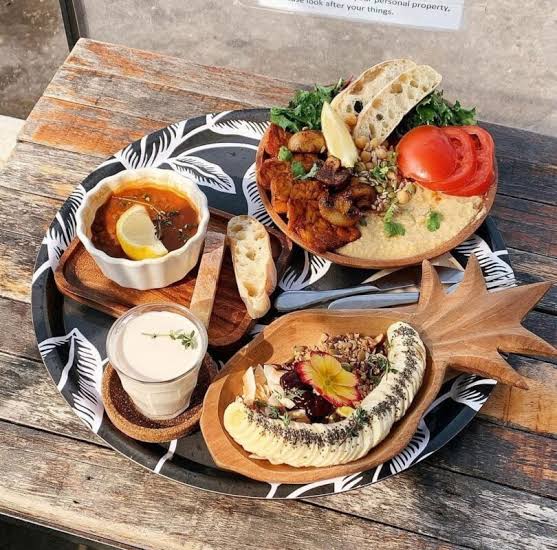
One reason I like treating Itaewon and nearby Hannam as part of the same food day is that the atmosphere changes as you walk.
Around the main Itaewon streets, food can feel loud, casual, international, and connected to nightlife. Move toward Hangangjin and Hannam-dong and you start encountering more bakeries, polished cafés, brunch restaurants, galleries, and design stores.
If you visit earlier in the day, brunch can be a very useful starting point.
Eggs, pancakes, toast, sandwiches, salads, yogurt, pastries, and coffee give you an easy meal before you begin the heavier part of the food crawl.
This is especially nice during a longer Korea trip. Korean breakfasts can involve rice, soup, side dishes, or foods that do not feel like breakfast to many international visitors. There is absolutely nothing wrong with wanting eggs and toast one morning.
Hannam's bakery scene can also turn a simple walk into a problem for your appetite. Pastries, cakes, bread, sandwiches, and whatever item is currently trending in Seoul appear everywhere.
One current example is sobb, which Visit Seoul lists as a Hannam café and brunch space. It opens early, which is useful in an area where many places become more active later in the day.
The trick is not ordering everything just because the display is beautiful.
If a full Korean BBQ dinner is still coming later, one pastry and coffee may be a much better decision than turning brunch into your first food coma of the day.
Think of Hannam brunch as the calm opening chapter before Itaewon starts throwing much louder flavors at you.
More Seoul Edit picks:
Squishy Fidget Stress Cube PackCrunchy Butter Squishy, 2 PackSome links may be affiliate links. The Seoul Edit Blog may earn a commission at no additional cost to you.
15. Baklava, Turkish Desserts, Pastries, and an Itaewon Café Finish
♡ After eating your way through several countries in one Seoul neighborhood, finish with something sweet and accept that you probably overplanned the food day.
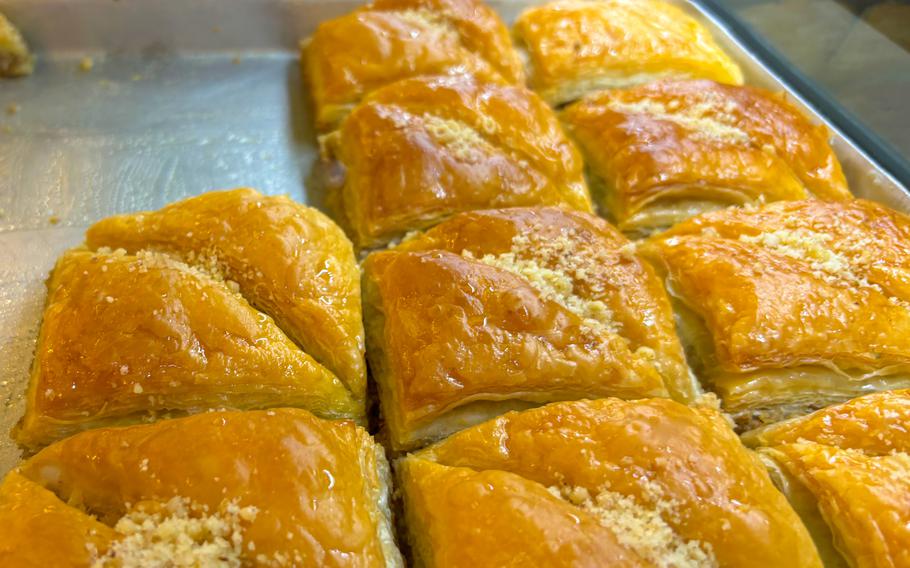
Dessert is where Itaewon's Korean and international sides overlap especially well.
You can finish with a modern Seoul bakery, a cake in Hannam, Turkish coffee and baklava, Korean café desserts, tea, or whatever pastry convinced you to stop walking.
Baklava is worth looking for if you have never tried it. Thin layers of pastry are combined with nuts and syrup into something crisp, sticky, sweet, and much richer than its size suggests.
Turkish desserts also include foods built around cream, dairy, nuts, pastry, and syrup. They make a natural finish if your dinner was already Turkish or Middle Eastern, but there is no rule saying dessert has to match the cuisine you ate earlier.
Kervan's current café listing in Itaewon includes Turkish coffee, tea, baklava, kaymak, and other desserts. That makes it one example of how international food in Itaewon continues all the way through dessert rather than stopping after dinner.
If you would rather finish in Hannam, the café and bakery options become almost endless. Passion 5 remains one of the better-known dessert landmarks around Hangangjin, and the neighborhood is constantly adding newer cafés around it.
Seoul dessert trends move quickly. One season people line up for salt bread. Then it is pudding, layered cakes, bagels, filled croissants, or another pastry that appears on every short-form video at the same time.
I would not build the entire end of your Itaewon day around one viral dessert.
Save several cafés, look through the displays when you arrive, and choose what actually looks good that day. Freshness matters more than recognizing a name from social media.
If you have already eaten Korean BBQ, kebab, curry, and tacos, sharing dessert is also a completely respectable decision.
The point is to leave Itaewon thinking about how many different foods fit into one small part of Seoul, not wondering whether you will ever feel hungry again.
More Seoul Edit picks:
NeeDoh Nice Ice BabyCrayola Globbles 16ctSome links may be affiliate links. The Seoul Edit Blog may earn a commission at no additional cost to you.
16. How to Plan an Itaewon Food Day
Start With One Korean Meal
If Itaewon is one of your main Seoul stops, I would make at least one meal Korean. Samgyeopsal, halal Korean food, or fried chicken all work well.
This gives you the Korean part of the neighborhood before you start exploring what makes Itaewon different from other Seoul food districts.
Make Your Second Meal International
Choose something that makes sense specifically in Itaewon.
Turkish food, Indian curry, Persian kebab, Middle Eastern food, tacos, or another international cuisine will give the day much more contrast.
Explore Around Usadan-ro
If halal food is important to you, the streets around the Seoul Central Mosque and Usadan-ro are particularly useful.
You can find Korean dishes as well as Turkish, Indian, Persian, Middle Eastern, Malaysian, and other food in the wider area.
Walk Toward Hannam for Brunch and Dessert
Moving toward Hangangjin and Hannam gives you a noticeably different mood.
The area is full of cafés, bakeries, brunch, restaurants, galleries, and shops, making it an easy final stage of the food day.
Do Not Try All Fifteen Foods in One Day
This list is a menu of options, not a physical challenge.
Two proper meals, one snack, and one dessert is already a very full Itaewon day.
Check Dietary Information Yourself
This is particularly important for halal, vegetarian, vegan, and allergy-related requirements.
Certification, ingredients, suppliers, menus, and preparation can change, so check current restaurant information when your dietary requirement is strict.
Check Prices Before Sitting Down
Itaewon can go from an inexpensive takeaway kebab to a premium dinner within a few streets.
Looking at the menu first prevents the unpleasant moment when you realize the casual restaurant you entered is actually your most expensive meal of the week.
17. FAQ: What to Eat in Itaewon
What food is Itaewon famous for?
Itaewon is better known for its diversity than for one single local dish. The neighborhood combines Korean BBQ and Korean comfort food with halal Korean restaurants, Turkish food, Indian food, Persian food, Middle Eastern food, Mexican food, burgers, pizza, Southeast Asian restaurants, cafés, and bakeries.
Is Itaewon good for Korean food?
Yes. Itaewon's international restaurants receive a lot of attention, but the area also has Korean BBQ, samgyeopsal, bulgogi, bibimbap, fried chicken, stews, and long-running Korean restaurants. You do not need to leave Itaewon to have a proper Korean meal.
Is Itaewon good for halal food?
Yes. Itaewon is one of Seoul's most useful neighborhoods for Muslim travelers because the Seoul Central Mosque and a concentration of halal restaurants and food businesses are located in the area. Always check the individual restaurant's current certification and preparation policy if strict halal requirements matter to you.
Where should I look for halal restaurants in Itaewon?
The streets around the Seoul Central Mosque and Usadan-ro are particularly useful. You can find halal Korean food as well as Turkish, Indian, Persian, Middle Eastern, Malaysian, burger, pizza, and other international options in the surrounding area.
Is Itaewon expensive for food?
It can be, but the price range is extremely wide. A takeaway kebab or casual meal can be relatively affordable, while premium Korean beef, upscale international restaurants, cocktails, brunch, and trendy Hannam dining can become expensive. Check the menu before sitting down if you are staying within a budget.
Is Itaewon good for vegetarians?
Itaewon can be easier than many Seoul neighborhoods for vegetarians because international restaurants frequently offer hummus, falafel, lentils, vegetable curries, salads, breads, rice dishes, and other meat-free options. Confirm broths, sauces, fish sauce, dairy, and eggs if you follow strict vegetarian or vegan requirements.
Can I eat alone in Itaewon?
Yes. Kebabs, curry, pho, burgers, pizza, halal platters, cafés, brunch restaurants, Korean soups, and casual restaurants are easy solo options. Korean BBQ can be less convenient alone because some restaurants require a minimum number of meat portions.
What should I eat on my first visit to Itaewon?
If you have one day, choose one Korean meal such as samgyeopsal or halal Korean food, one international meal such as Turkish kebab, Indian curry, Persian food, or Middle Eastern food, and then finish with coffee and dessert around Itaewon or Hannam.
18. Sources and Planning Notes
Itaewon's restaurant scene changes quickly, especially when it comes to individual restaurants, opening hours, prices, certification, and menus.
This article therefore focuses mainly on food categories and the broader Itaewon dining experience while using current tourism listings as examples.
Visit Seoul: Itaewon Area Guide
Visit Seoul: Eid Halal Korean Food
Visit Seoul: Taj Palace Itaewon
VISITKOREA: The Halal Guys Itaewon
Visit Seoul: Kervan Café, Dessert and Brunch
Restaurant opening hours, menu prices, branch locations, halal status, and preparation standards can change. Check current information before traveling specifically for one restaurant.
Want More Seoul Food Guides?
Join the list for Seoul neighborhoods, Korean food, international food, cafés, markets, K-beauty, shopping, and practical travel ideas.
Planning a trip to Seoul?
19. Final Thoughts
The best thing about eating in Itaewon is that the neighborhood does not ask you to choose between Korean food and international food.
Both belong here.
You can start with pork belly sizzling on a Korean grill, walk toward Usadan-ro and smell kebab, order curry for another meal, discover Persian grilled meat, share hummus, grab tacos, and somehow finish the day staring through a bakery window in Hannam.
That variety is not a distraction from Itaewon's identity.
It is the identity.
If this is your first visit, I would choose one Korean meal you genuinely want, one international cuisine you may not have expected to eat in Seoul, and one dessert.
Then leave some room in the plan for whatever you discover while walking.
Itaewon is not the neighborhood where you need to spend your entire day racing between fifteen famous restaurants.
It is much more interesting when you allow the streets to change your mind.
Maybe you planned Korean BBQ but smelled fresh bread from a Turkish restaurant. Maybe you meant to get tacos and found a halal Korean restaurant instead. Maybe dinner ended two hours ago and a bakery still convinced you that you needed cake.
That is what a good Itaewon food day looks like.