I love Korean food, but I do not believe anybody needs to eat it for breakfast, lunch, and dinner every single day of a Korea trip.
There is usually a point when even the food you were most excited about starts feeling repetitive.
Maybe you have eaten samgyeopsal twice, fried chicken, tteokbokki, several bowls of noodles, convenience-store ramyeon, and enough kimchi to cover the rest of the year.
Then someone says the word taco and suddenly that is the only thing you can think about.
This is where Itaewon becomes one of the most useful neighborhoods in Seoul.
Itaewon's international food scene is not just a handful of foreign restaurants placed between Korean businesses. International communities have helped shape the neighborhood for decades.
The Seoul Central Mosque and Muslim community have contributed to a strong halal dining scene. Foreign residents, embassies, travelers, and businesses from many countries have all influenced the restaurants around Itaewon and nearby Hannam.
The result is a neighborhood where you can genuinely choose dinner by cuisine.
Turkish? Indian? Persian? Mexican? Vietnamese? Thai? Burgers? Pizza?
All of those choices make sense here.
This guide focuses specifically on international food in Itaewon. If you want the broader guide that includes Korean food too, I have a separate article on what to eat in Itaewon.
Read: What to Eat in Itaewon: The Best Korean and International Food to Try
Read: What to Eat in Hongdae: 15 Foods Worth Trying Near Hongik University
1. Turkish Food: Kebab, Pide, and Grilled Meat
♡ When another bowl of rice is not what you want, warm bread, grilled meat, and Turkish food can completely reset your appetite.
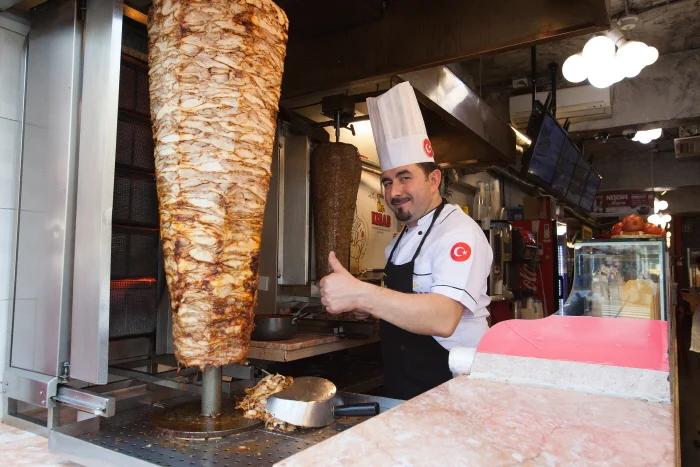
There is a very specific point during a longer Korea trip when the food you were excited to eat every day starts feeling a little too familiar.
You still like Korean food. You are just no longer emotionally prepared for another table covered in banchan, another bowl of rice, or another meal built around gochujang.
This is exactly when Itaewon becomes useful.
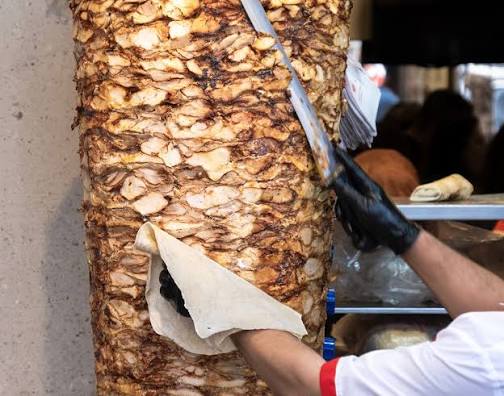
Turkish food is one of the easiest international cuisines to find around the neighborhood, particularly around the streets leading toward the Seoul Central Mosque and Usadan-ro. The smell of meat cooking on a rotating spit is often enough to change whatever lunch plan you had five minutes earlier.
A doner-style kebab is the easiest introduction. Thin slices of seasoned meat are packed into bread or a wrap with vegetables and sauce. It is quick, filling, and casual enough to eat between other plans.
If you have more time, sit down for a proper Turkish meal instead.
Pide is one of the dishes I would look for first. The long, boat-shaped bread can be topped with cheese, minced meat, vegetables, or other ingredients and baked until the edges become browned and crisp.
It sometimes gets described as Turkish pizza, which gives you a rough idea of what to expect, but the bread, shape, toppings, and texture make it very much its own thing.
Grilled dishes are another reason to sit down rather than grabbing a takeaway kebab. Chicken shish, lamb, Adana kebab, rice, salad, and bread turn the meal into something much better for sharing.
Kervan is one established Itaewon option listed by VISITKOREA for Turkish food. The tourism listing includes dishes such as chicken shish kebab and pide and identifies the restaurant as halal-certified.
This is a particularly good first international meal in Itaewon because it feels completely different from Korean food without being difficult to approach. Meat, bread, rice, salad, and grilled vegetables are familiar enough that almost anyone in a group can find something they want.
If you have spent the previous few days eating Korean BBQ, notice how different the experience feels even though both meals may revolve around grilled meat. Korean BBQ comes with lettuce wraps, kimchi, garlic, ssamjang, and banchan. Turkish grilled meat brings bread, different seasonings, sauces, salads, and its own style of eating.
That contrast is exactly what you want when you are taking a break from Korean food without taking a break from exploring Seoul.
More Seoul Edit picks:
Crunchy Butter Squishy, 2 Pack 30 Pack Kawaii Squishy Toys
Some links may be affiliate links. The Seoul Edit Blog may earn a commission at no additional cost to you.
2. Indian Food: Curry, Naan, Tandoori Chicken, and Biryani
♡ Few things make Korean food fatigue disappear faster than tearing warm naan and dipping it into a completely different kind of sauce.
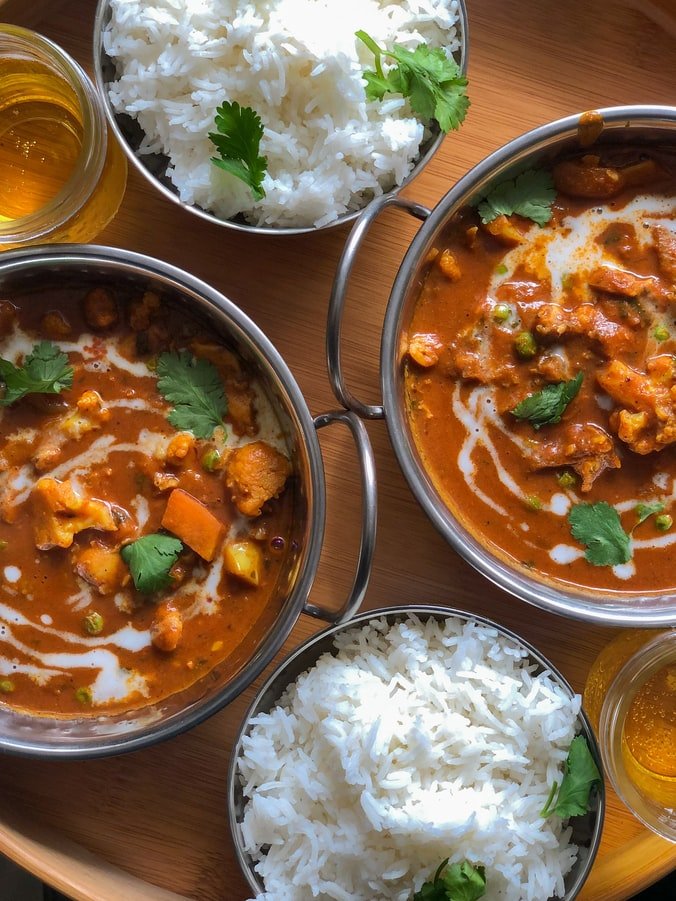
Curry is one of my favorite answers to the question of what to eat when you have been in Korea long enough that another Korean meal does not sound exciting.
It changes almost everything about the meal at once. The spices are different, the sauces are different, bread becomes part of the table, and even the smell when the food arrives feels like a reset.
Itaewon has long been one of Seoul's obvious neighborhoods for Indian and South Asian restaurants, so you have much more choice than a single generic curry.
If you are eating with several people, do not order one curry each and guard your bowls. Order a few different dishes for the middle of the table.
Butter chicken is an easy starting point. The sauce is creamy, rich, slightly sweet, and usually approachable even for someone who does not want an aggressively spicy meal.
Add something with a different flavor profile so the whole table does not taste the same. A vegetable curry, lentil dal, or another meat curry gives you much more variety.
Then order naan. Garlic naan is difficult to regret, and it is particularly good for collecting whatever curry sauce remains at the bottom of the bowl.
Tandoori chicken adds another texture. The meat is marinated and cooked at high heat, giving it darker, slightly charred edges that contrast with the softer curries.
Biryani is also worth treating as an actual dish rather than simply the rice that happens to sit beside everything else. Fragrant rice, spices, meat, vegetables, and other ingredients can make it one of the most satisfying things on the table.
Taj Palace is one current Itaewon restaurant listed by Visit Seoul. Its tourism page includes dishes such as tandoori chicken, butter chicken curry, naan, thali, and vegetarian options.
Indian food is also useful for groups with different dietary preferences because there are usually far more obvious vegetarian choices than you would find at a Korean BBQ restaurant.
After several days of grilled pork, stews, noodles, and convenience-store snacks, a table covered in curry and warm bread can feel like exactly what your appetite needed.
More Seoul Edit picks:
NeeDoh Nice Ice Baby Squishy Fidget Stress Cube Pack
Some links may be affiliate links. The Seoul Edit Blog may earn a commission at no additional cost to you.
3. Persian Food: Koobideh, Lamb, and Fragrant Rice
♡ If you want grilled meat but absolutely do not want another Korean BBQ dinner, Persian food is a very good compromise.
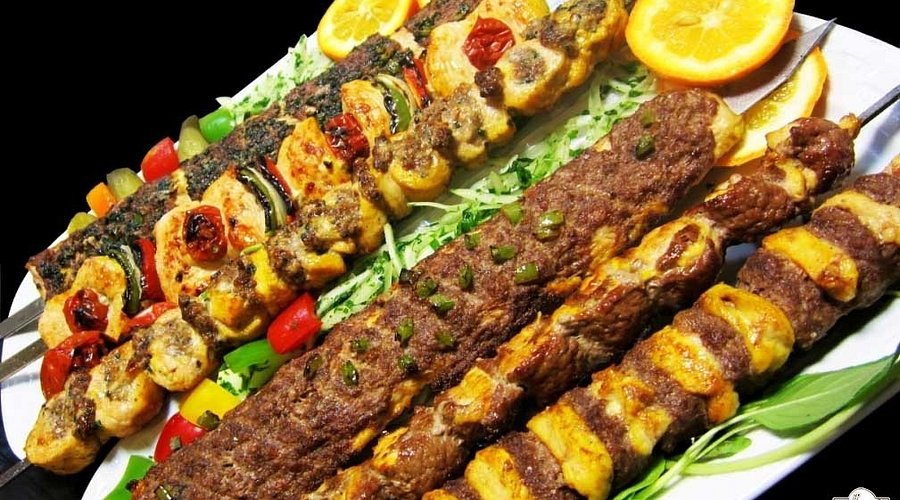
One mistake people make with Itaewon's international food scene is grouping every cuisine involving grilled meat under the word kebab.
Persian food is a good reminder that the differences matter.
Koobideh is one dish worth looking for. Seasoned minced meat is shaped around a skewer and grilled, then commonly served with rice, grilled tomatoes, bread, or other accompaniments.
The plate can look surprisingly simple when it arrives. There may be a long piece of grilled meat, a mound of rice, tomato, and perhaps a few other sides. But the appeal is in the seasoning, texture, char, and combination of everything together.
Lamb is another reason Persian and neighboring cuisines are useful in Itaewon. Pork, beef, and chicken dominate much of everyday Korean meat culture, so lamb can feel like a real change after several days of Korean meals.
Itaewon Kitchen is one current example highlighted by Visit Seoul for Persian food. Its tourism listing mentions koobideh and halal menu options.
If you have just spent two nights eating samgyeopsal and galbi, this is one of the best ways to keep the satisfying grilled-meat part of dinner while changing everything around it.
Instead of lettuce leaves, kimchi, ssamjang, and Korean side dishes, you are eating fragrant rice, grilled tomato, bread, herbs, and different seasonings.
That makes Persian food a good option for someone who says they want a break from Korean food but still wants something hearty and meat-centered.
It is also a cuisine worth slowing down for. Rather than treating the kebab as the only important part, try the rice, bread, vegetables, and other dishes around it.
A lot of what makes international dining in Itaewon interesting is seeing how completely different food cultures build a meal around ingredients that might look similar at first.
More Seoul Edit picks:
Cheese Squishy Stress Relief Coconut Oil Squishy
Some links may be affiliate links. The Seoul Edit Blog may earn a commission at no additional cost to you.
4. Middle Eastern Food: Hummus, Falafel, Bread, and Grilled Meat
♡ When you want a table built around warm bread, dips, vegetables, and grilled food instead of rice and banchan, look around the mosque side of Itaewon.
A good shared Middle Eastern meal is almost the opposite of ordering one main dish and refusing to let anyone else touch it.
Bread arrives. Hummus goes in the middle. There might be falafel, salad, grilled meat, rice, pickles, sauces, and several other plates that everybody gradually starts reaching across the table for.
Hummus is the easiest place to start. Chickpeas and tahini create a smooth, creamy dip that works with warm bread, vegetables, or grilled meat.
Falafel brings a completely different texture. A good piece should be browned and crisp on the outside while remaining softer inside.
If you eat meat, add grilled lamb or chicken. If you do not, it is often much easier to create a satisfying vegetarian table here than at a typical Korean meat restaurant.
Just remember that Middle Eastern food is an extremely broad label. Lebanese, Syrian, Jordanian, Palestinian, Turkish, Persian, and other cuisines have their own dishes and traditions.
Do not assume every restaurant around Itaewon serves the same food simply because several menus contain bread and grilled meat.
The area around the Seoul Central Mosque is particularly useful for exploring these cuisines because Itaewon's Muslim community has shaped the restaurants and food businesses surrounding it.
If you have been eating heavily throughout your Seoul trip, you can also make this meal as light or substantial as you want.
Hummus, salad, bread, and falafel can be enough for a lighter lunch. Add rice, several grilled meats, and more sides and it becomes a serious dinner.
Either way, the flavors are far enough from a standard Korean meal that it actually feels like the break you came to Itaewon looking for.
More Seoul Edit picks:
Crayola Globbles 16ct Crunchy Butter Squishy, 2 Pack
Some links may be affiliate links. The Seoul Edit Blog may earn a commission at no additional cost to you.
5. Mexican Food: Tacos, Burritos, and Quesadillas
♡ There is no rule saying every meal on a Korea trip has to be Korean, especially when your brain has started thinking about tacos.
Travel creates a weird kind of food guilt.
You spend money flying to another country, so suddenly ordering anything that is not local can feel like you are doing the trip incorrectly.
Then you spend seven days eating Korean food for nearly every meal and realize you would do questionable things for a taco.
Itaewon is where you should stop feeling guilty about it.
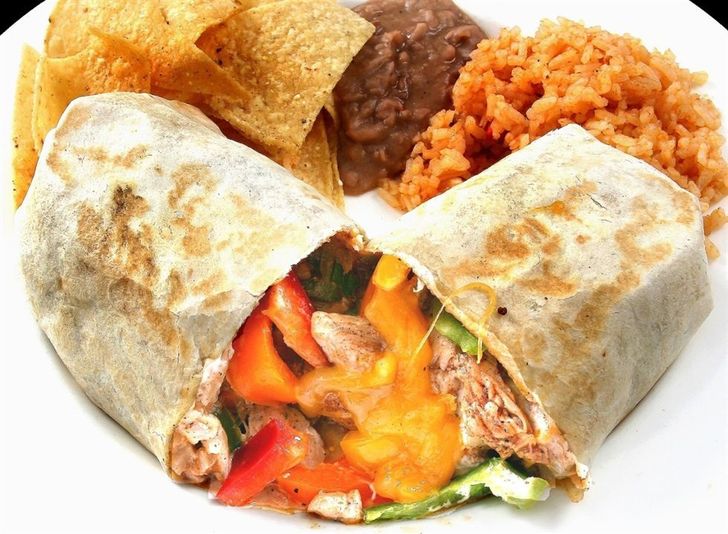
Mexican and Mexican-inspired restaurants have been part of the neighborhood's international dining landscape for years. You can find tacos, burritos, quesadillas, nachos, bowls, and other casual foods depending on the restaurant.
Tacos are particularly good if you are exploring Itaewon with friends because you can order several fillings and share rather than committing to one enormous meal.
Grilled meat, tortillas, onions, herbs, salsa, citrus, beans, cheese, and avocado immediately move your palate somewhere completely different from the sesame oil, fermented flavors, gochujang, and broths you may have been eating throughout Seoul.
That change is often exactly why the meal tastes so good.
The style varies by restaurant. Some places lean toward Tex-Mex. Others take more inspiration from California or adapt dishes for Seoul tastes.
I would check current menus before choosing a restaurant if you are looking for a very specific regional style.
If you are simply craving tacos, though, do not overcomplicate it.
Order a few, add salsa, share some sides, and enjoy having a meal where kimchi does not appear unless somebody at the restaurant has deliberately decided to put it in a taco.
More Seoul Edit picks:
30 Pack Kawaii Squishy ToysNeeDoh Nice Ice BabySome links may be affiliate links. The Seoul Edit Blog may earn a commission at no additional cost to you.
6. Burgers and Fries
♡ Sometimes what you need after days of Korean food is not another culinary adventure. It is a burger.

A burger can feel almost embarrassingly comforting when you have been traveling for a while.
There is no explanation required. You know what the bread is. You know what the fries are. You do not have to identify six side dishes or wonder whether the bubbling stone bowl is still hot enough to injure you.
Itaewon is one of the easiest parts of Seoul to give yourself that kind of meal.
Burger restaurants around the wider Itaewon and Hannam area range from simple casual shops to places focused on thicker handmade patties, smashed burgers, chicken burgers, and elaborate toppings.
The important question is what kind of burger you actually want.
A thick patty gives you a juicier, heavier burger. A smash-style patty is thinner with more browned surface area and crisp edges.
Then there are the toppings. Cheese, bacon, onions, pickles, jalapeños, mushrooms, sauces, and whatever else the restaurant has decided belongs between two pieces of bread.
For Muslim diners, Itaewon is especially useful because there are options using halal meat. PB Plus is one current example listed by Visit Seoul and is described as serving burgers and pizza made with halal-certified ingredients.
Burgers are also useful for mixed groups because nobody needs to understand an unfamiliar menu before ordering.
Just keep an eye on the final price. A burger that initially looks reasonable can become a surprisingly expensive lunch once fries, drinks, extra toppings, and sides are added.
Still, if your body has spent the morning asking for fries, Itaewon is a perfectly reasonable place to listen.
More Seoul Edit picks:
Coconut Oil SquishySquishy Fidget Stress Cube PackSome links may be affiliate links. The Seoul Edit Blog may earn a commission at no additional cost to you.
7. Pizza When You Want the Most Familiar Meal Possible
♡ Pizza is not the adventurous choice, but after a long trip that can be exactly why it works.
Sometimes you do not need your next meal to teach you anything.
You have been walking around Seoul all day. Your phone says you somehow did twenty thousand steps. You are tired of researching restaurants, and nobody in the group can agree on what to eat.
Pizza solves a remarkable number of these problems.
Itaewon has long been a useful area for pizza because its international dining scene supports styles and toppings that can be harder to find in neighborhoods focused mostly on Korean restaurants.
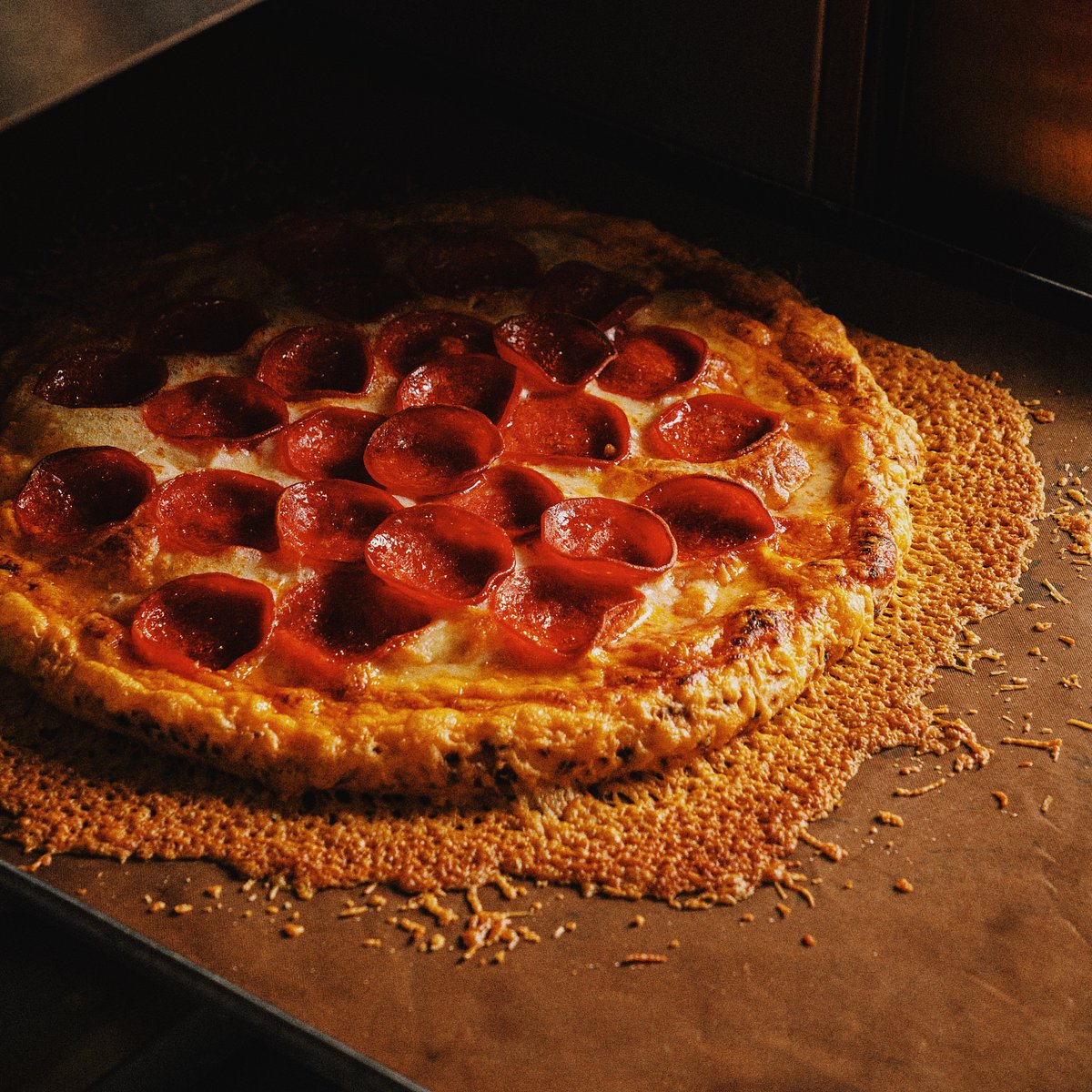
Depending on where you go, you might find large American-style slices, thinner crusts, Neapolitan-inspired pizza, halal pizza, or creative Seoul versions with unusual toppings.
If what you want is familiar comfort food, keep the order simple. Cheese, pepperoni, or another straightforward topping can be far more satisfying than choosing the most complicated pizza on the menu simply because you are traveling.
If you want something more interesting, Itaewon is also a good place to see how Seoul restaurants reinterpret pizza for local diners.
PB Plus is again worth noting for travelers seeking halal ingredients because its Visit Seoul listing includes both burgers and pizza.
Pizza also makes sense for groups. One table can split several varieties, and nobody has to negotiate over whether they want soup, noodles, barbecue, or rice.
If you are staying in Seoul for a week or two, there is no reason to treat a pizza night as wasted travel time.
The entire point of a longer trip is that you have enough meals to occasionally eat exactly what you feel like eating.
More Seoul Edit picks:
Crunchy Butter Squishy, 2 PackCheese Squishy Stress ReliefSome links may be affiliate links. The Seoul Edit Blog may earn a commission at no additional cost to you.
8. Vietnamese Food: Pho, Banh Mi, and Spring Rolls
♡ When your Seoul food trip has become a cycle of barbecue, fried food, and dessert, a bowl of pho can feel surprisingly restorative.
Food fatigue is not always about wanting food from home.
Sometimes you simply want something lighter.
After several days of Korean BBQ, fried chicken, pastries, spicy noodles, convenience store snacks, and whatever else you convinced yourself you had to try, soup starts sounding extremely reasonable.
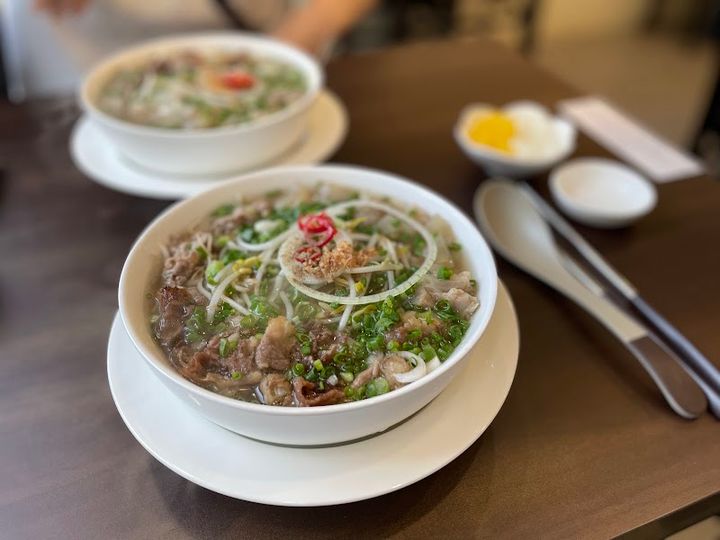
Pho is perfect for that moment.
The combination of broth, rice noodles, meat, herbs, and aromatics can feel much gentler than another rich grilled or fried meal.
The broth is obviously the center of the dish, but the herbs, lime, vegetables, and other additions are what make each spoonful feel fresh.
Vietnamese restaurants may also give you banh mi, fresh spring rolls, fried spring rolls, rice dishes, and other noodle options.
Banh mi is particularly useful if you want something quick. Bread, meat, pickled vegetables, herbs, and sauce create a meal you can eat without turning lunch into a major event.
Fresh spring rolls are another good choice when your previous several meals have involved a deep fryer.
The contrast with Korean food is also interesting. Both cuisines can make extensive use of noodles, soups, vegetables, and meat, but the herbs, seasonings, broths, and accompanying flavors take them in very different directions.
I would put Vietnamese food high on the list if you want a genuine break without immediately replacing one extremely heavy meal with another.
More Seoul Edit picks:
NeeDoh Nice Ice BabyCrayola Globbles 16ctSome links may be affiliate links. The Seoul Edit Blog may earn a commission at no additional cost to you.
9. Thai Food: Pad Thai, Curry, Tom Yum, and Basil Stir-Fry
♡ If you still want bold flavors but your taste buds need something different from Korean spice, Thai food makes an excellent switch.
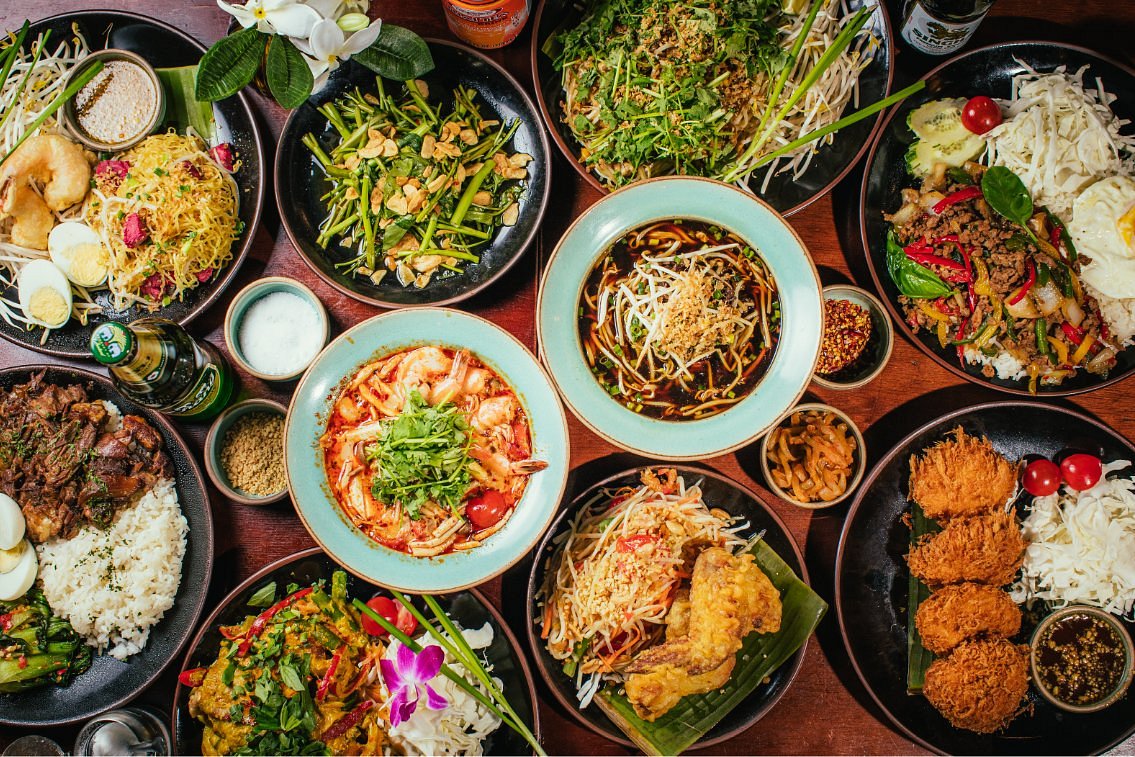
Wanting a break from Korean food does not necessarily mean wanting bland food.
You might still want spice, garlic, herbs, noodles, and a dinner that makes your entire table smell incredible.
You just want those things to taste different.
Thai food is very good at solving that problem.
Pad thai is the obvious entry point. Rice noodles combine with savory, sweet, and acidic flavors, often with peanuts and other toppings that create a completely different profile from Korean noodle dishes.
Curry is another good choice. Green and red curries can bring coconut milk, herbs, aromatics, spice, meat, and vegetables together in a sauce that begs for rice.
Pad kra pao is worth ordering if you want something more savory. The basil stir-fry is usually served over rice and often topped with a fried egg.
Tom yum takes the meal in yet another direction with a soup that can be spicy, sour, aromatic, and bright.
If you have spent a week proudly announcing that Korean food is not spicy enough for you, be slightly careful when ordering.
Spice behaves differently across cuisines. Being comfortable with gochugaru and gochujang does not automatically mean you want the highest Thai spice level available.
For a group, I would order noodles, one curry, a stir-fry, and rice for the table.
That gives you enough contrast within a single dinner to make the meal feel like a real change from what you have been eating elsewhere in Seoul.
More Seoul Edit picks:
30 Pack Kawaii Squishy ToysCoconut Oil SquishySome links may be affiliate links. The Seoul Edit Blog may earn a commission at no additional cost to you.
10. Mediterranean Food When You Want Something Fresh
♡ A plate built around vegetables, bread, dips, grilled meat, olive oil, and salad can be a welcome change after several rich Seoul meals.
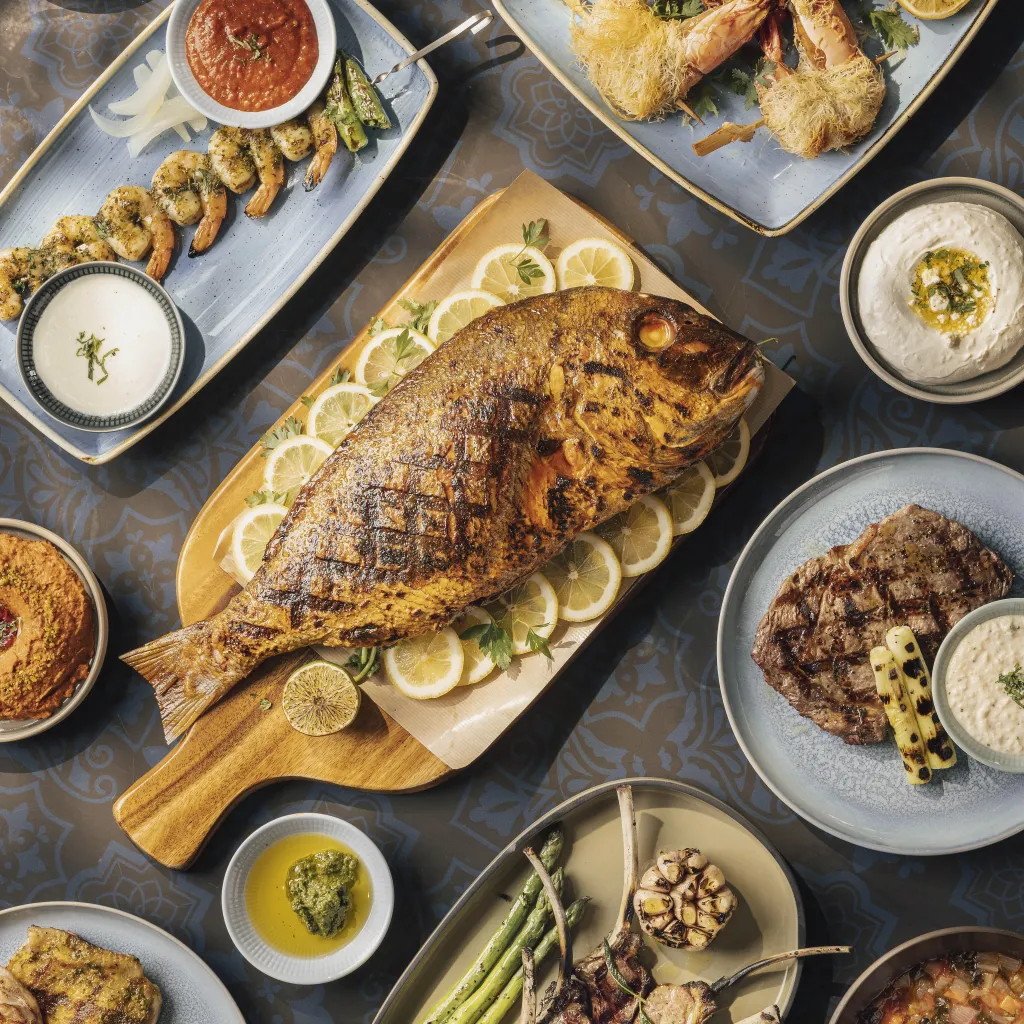
There are days during a food trip when your appetite is still there but your tolerance for another enormous meal is not.
This is when Mediterranean-style food becomes appealing.
Instead of making the meal entirely about one heavy main dish, you can build a table around vegetables, salads, bread, dips, grilled food, and smaller plates.
Hummus, yogurt-based dips, grilled vegetables, olives, salads, bread, chicken, lamb, and seafood can all appear depending on the restaurant and regional style.
Again, Mediterranean is a very broad label rather than one single cuisine. Greek, Turkish, Levantine, Italian, and other traditions around the region are distinct.
Think of this section as a reason to look for restaurants emphasizing fresh vegetables, olive oil, grilled foods, breads, and shared plates when that is what your body is asking for.
It can be particularly useful at lunch.
A salad, dip, bread, and grilled protein can leave you satisfied without producing the same post-meal heaviness as a large Korean BBQ lunch.
Vegetarian travelers can also have an easier time finding clearly identifiable options in this category.
Just confirm ingredients if you are vegan, because cheese, yogurt, butter, eggs, and other animal products can still appear in dishes that otherwise look vegetable-focused.
The best part is that this kind of lunch still feels like part of exploring Itaewon rather than retreating to a generic chain because you ran out of ideas.
More Seoul Edit picks:
Squishy Fidget Stress Cube PackCrunchy Butter Squishy, 2 PackSome links may be affiliate links. The Seoul Edit Blog may earn a commission at no additional cost to you.
11. Halal International Restaurants Around the Seoul Central Mosque
♡ For Muslim travelers, Itaewon is not simply a place with more international food. It can make eating in Seoul dramatically easier.
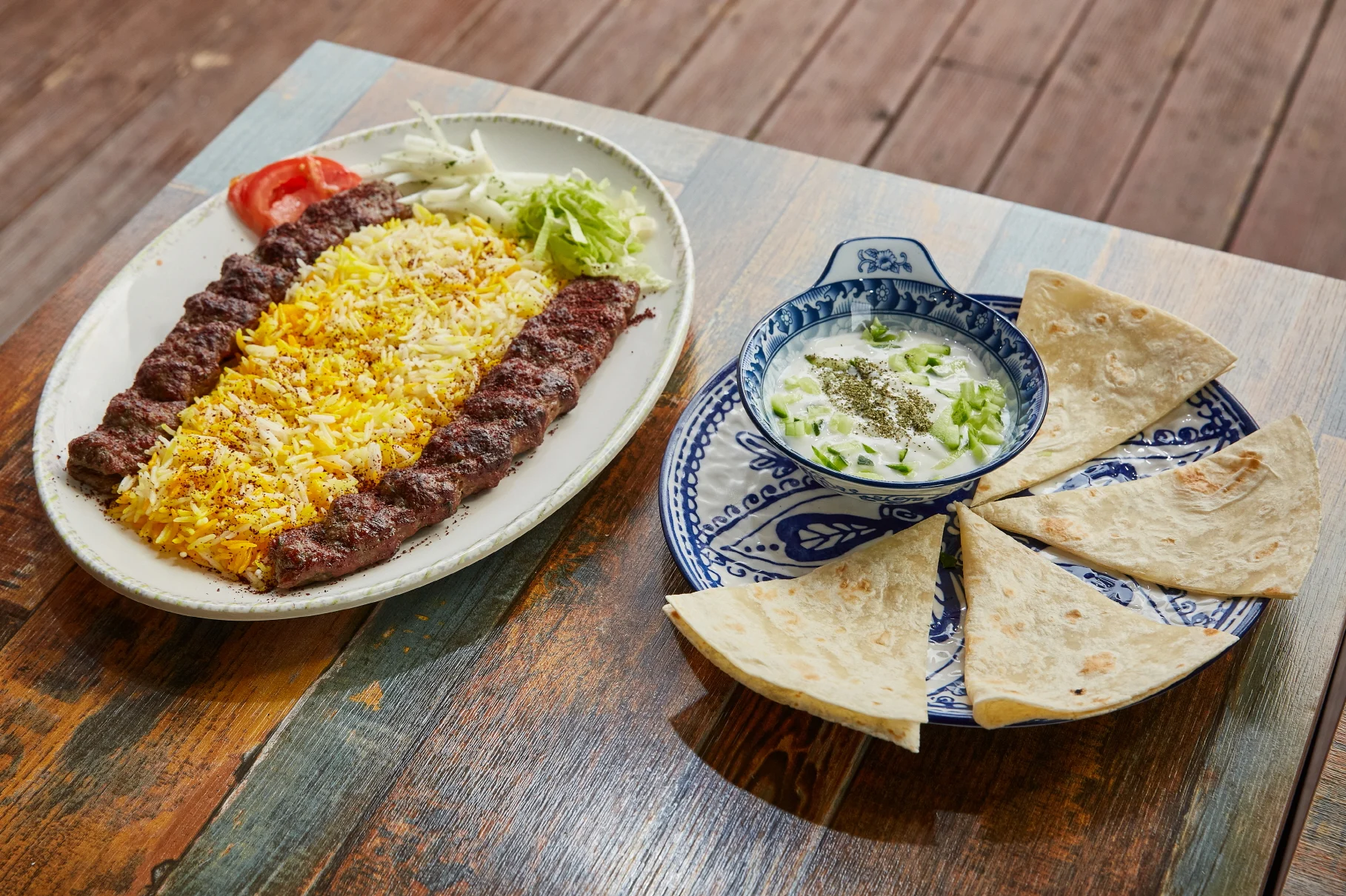
Itaewon's international dining scene is especially important for Muslim visitors.
The Seoul Central Mosque sits in the neighborhood, and the surrounding streets have developed a concentration of restaurants and food businesses serving Muslim residents and travelers.
That means you are not limited to one kind of halal food.
Depending on current restaurants, you can find Turkish, Indian, Persian, Middle Eastern, Korean, burgers, pizza, platters, and other cuisines using halal ingredients or following halal preparation standards.
This can completely change the experience of eating in Seoul. Instead of spending every meal researching whether a broth contains pork, whether meat is halal, or whether alcohol appears in a sauce, Itaewon gives you a much larger pool of restaurants designed with Muslim customers in mind.
There is still one important distinction to understand.
Halal-certified, using halal ingredients, Muslim-friendly, pork-free, and alcohol-free do not necessarily mean exactly the same thing.
If you follow strict halal requirements, check the restaurant's current certification and preparation practices rather than relying entirely on an old travel article.
Menus, suppliers, ownership, certification, and kitchen procedures can change.
Even with that caveat, the concentration of options makes Itaewon one of the most useful areas for Muslim travelers deciding where to stay or eat in Seoul.
It also means a group does not have to eat the same cuisine every day simply because halal food is a requirement.
You can have curry one night, Turkish food the next, burgers another day, and still keep exploring.
More Seoul Edit picks:
Cheese Squishy Stress ReliefNeeDoh Nice Ice BabySome links may be affiliate links. The Seoul Edit Blog may earn a commission at no additional cost to you.
12. Western-Style Brunch Around Itaewon and Hannam
♡ If you wake up wanting eggs, toast, pancakes, and coffee instead of rice and soup, you are in the right part of Seoul.
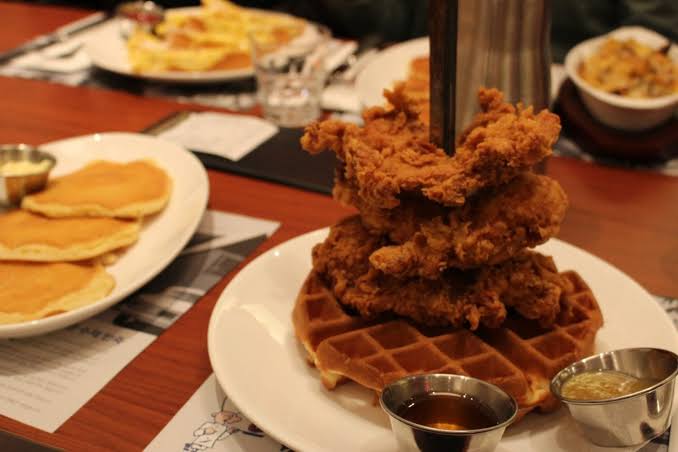
Breakfast is one of the meals where food fatigue can hit international travelers first.
Korean breakfast is not necessarily a separate category of food. Rice, soup, side dishes, meat, and foods you might associate with lunch or dinner can all appear in the morning.
That can be great until one morning you wake up and realize you want nothing more ambitious than eggs and toast.
Itaewon and neighboring Hannam make that extremely easy.
Brunch restaurants around the area can serve eggs, pancakes, French toast, sandwiches, salads, yogurt, pastries, coffee, and other familiar morning foods.
This is also one of the nicest ways to structure an Itaewon day.
Start earlier around Hannam or Hangangjin with brunch and coffee, browse shops and galleries, then gradually walk toward the busier Itaewon streets for your next meal.
The atmosphere changes as you move. Hannam can feel more polished and café-focused, while central Itaewon becomes denser, louder, and more connected to nightlife and international restaurants.
Brunch is also useful if dinner is going to be substantial.
There is no reason to begin the day with a giant meal if you already know you want curry, kebab, or pizza later.
Have coffee, eggs, toast, or one pastry and leave some room.
You are in Itaewon. The chances of unexpectedly deciding to eat something else within the next three hours are extremely high.
More Seoul Edit picks:
Crayola Globbles 16ctCoconut Oil SquishySome links may be affiliate links. The Seoul Edit Blog may earn a commission at no additional cost to you.
13. Bakeries and Cafés When You Miss Bread
♡ There is a point in some Korea trips when a proper piece of bread becomes weirdly exciting.
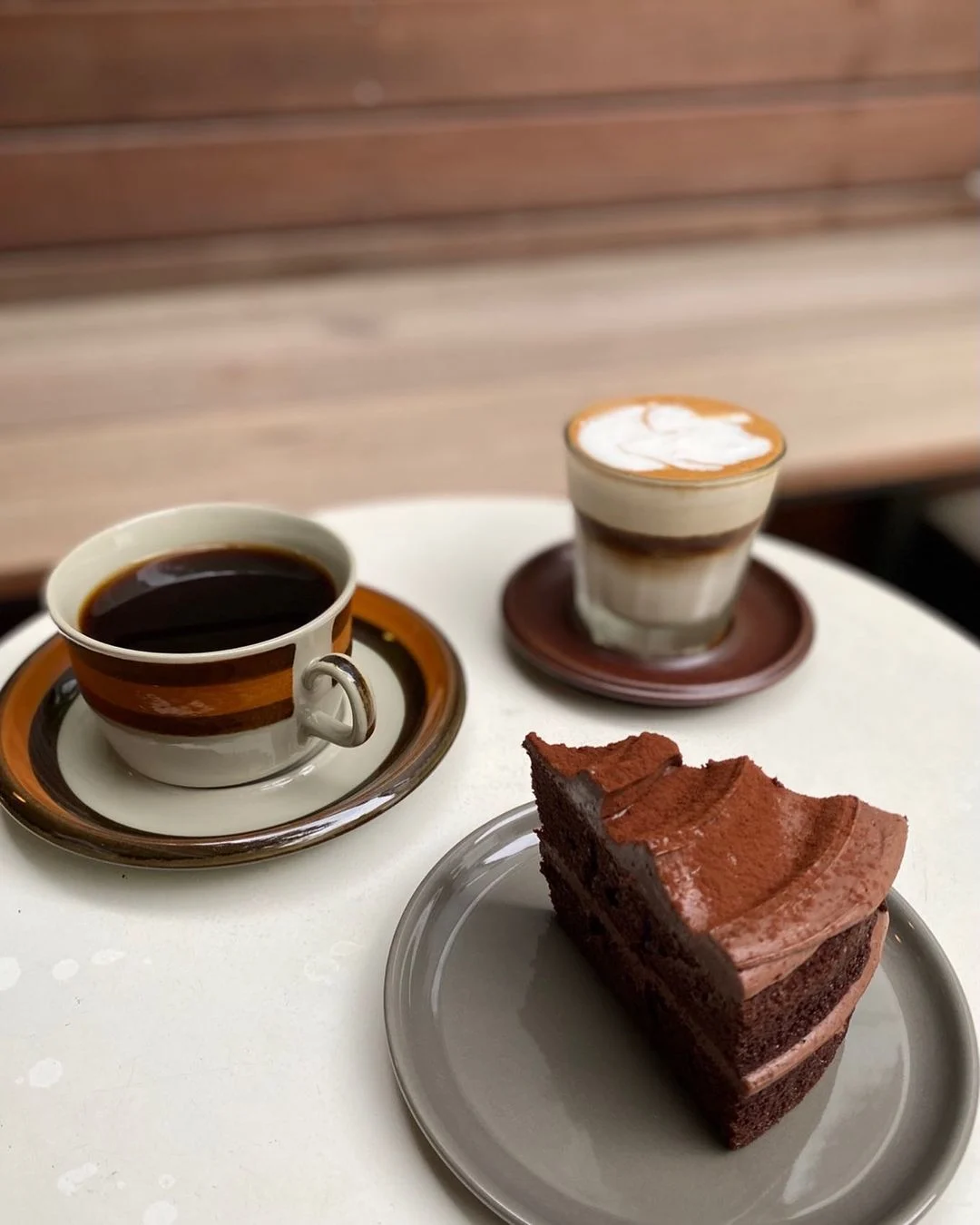
Korea has an enormous café and bakery culture, so it might sound strange to talk about missing bread.
But Korean bakery preferences can be different from what international travelers expect. Breads may be softer, sweeter, filled with cream, topped with unusual ingredients, or designed more like dessert than the bread you eat with a meal.
Around Itaewon, Hangangjin, and Hannam, the range gets much broader.
You can find pastries, sourdough-style breads, croissants, sandwiches, cakes, brunch cafés, and bakeries drawing from different international styles.
That makes this part of Seoul a useful place for a slower morning or afternoon when you do not want another full restaurant meal.
Buy one pastry, get coffee, and sit for a while.
It sounds obvious, but on a packed Seoul itinerary people sometimes forget that not every food stop needs to involve a famous dish.
Hannam is especially good for combining cafés with shopping, galleries, and simply walking around.
The neighborhood's bakery trends change constantly, so I would not become too attached to one viral item you saw months before your trip.
Save a few options, look at what is fresh when you arrive, and choose the thing you actually want to eat.
A good croissant you discovered accidentally is still better than standing in line for an hour because the internet told you one particular pastry was mandatory.
More Seoul Edit picks:
30 Pack Kawaii Squishy ToysSquishy Fidget Stress Cube PackSome links may be affiliate links. The Seoul Edit Blog may earn a commission at no additional cost to you.
14. International Desserts: Baklava, Cakes, Pastries, and More
♡ Taking a break from Korean food can continue all the way through dessert.

Dessert is where the international side of Itaewon becomes particularly fun.
You are not limited to Korean café cakes or whatever dessert happens to be trending across Seoul that month.
Turkish restaurants and cafés can give you baklava, Turkish coffee, tea, and other sweets. Bakeries around Hannam offer pastries and cakes. Other international restaurants may have desserts tied to their own cuisines.
Baklava is worth trying if you have never had it.
Thin layers of pastry, nuts, and syrup create something crisp, sticky, rich, and much more filling than the small portion suggests.
Pair it with Turkish coffee or tea and you have a completely different café experience from ordering an iced Americano and cake at a typical Seoul café.
Kervan's current café listing in Itaewon includes Turkish coffee, tea, baklava, kaymak, and other desserts.
If you prefer a bakery finish, walk toward Hangangjin and Hannam.
Passion 5 remains one of the better-known dessert landmarks in the wider area, while newer cafés and bakeries constantly appear around it.
I would save dessert until you actually know how much room you have left.
An Itaewon food day has a way of becoming larger than planned. The kebab that was supposed to be a snack becomes lunch, the curry order becomes four dishes, and somebody decides pizza is necessary two hours later.
Dessert will still be there when you are ready.
More Seoul Edit picks:
Crunchy Butter Squishy, 2 PackNeeDoh Nice Ice BabySome links may be affiliate links. The Seoul Edit Blog may earn a commission at no additional cost to you.
15. Walk First and Choose Your Restaurant After
♡ Itaewon is one of the rare Seoul neighborhoods where changing your dinner plan because of something you smelled on the street is often the better decision.
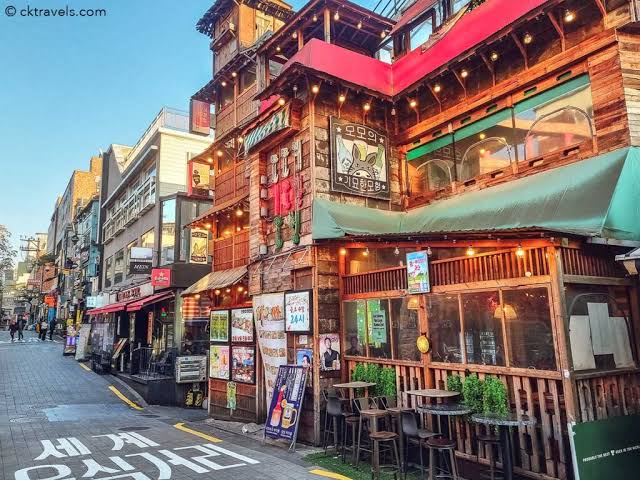
My biggest advice for eating international food in Itaewon is not to plan every meal too aggressively.
Save restaurants. Know roughly what cuisines interest you. Check dietary requirements if you have them.
Then actually walk around.
Itaewon works better this way because so many different restaurants are concentrated within a relatively small area.
You may leave the station thinking you want Indian food and walk past a Turkish restaurant that smells incredible.
You might plan tacos and notice a Persian restaurant you have never tried before.
You may think you want a full dinner and realize a kebab is actually enough.
The neighborhood changes as you explore too.
The streets around the Seoul Central Mosque and Usadan-ro are especially useful for halal and international restaurants. Central Itaewon has its own mix of restaurants and nightlife. Moving toward Hangangjin and Hannam takes you toward more cafés, bakeries, brunch, shopping, and polished dining.
That makes walking part of the decision rather than something you do only to reach a restaurant you selected before leaving your hotel.
Current opening hours and restaurant lineups change, so check the place you choose before making a special trip.
But once you are already in Itaewon, allow yourself to change your mind.
The whole reason to eat here when you need a break from Korean food is that you have more choices than you probably expected to find in one Seoul neighborhood.
More Seoul Edit picks:
Cheese Squishy Stress ReliefCrayola Globbles 16ctSome links may be affiliate links. The Seoul Edit Blog may earn a commission at no additional cost to you.
16. How to Choose Where to Eat in Itaewon
Decide What You Are Actually Tired Of
Saying you are tired of Korean food can mean several different things.
Maybe you are tired of rice. Maybe you want bread. Maybe you have eaten too much grilled meat. Maybe you want vegetables. Maybe you still want spicy food but simply want it to taste different.
Knowing what you actually want to change makes choosing a restaurant much easier.
If You Want Bread, Start With Turkish, Indian, or Middle Eastern Food
Naan, pide, flatbread, and other breads can feel ridiculously satisfying after several days when rice has appeared beside almost every meal.
If You Want Something Lighter, Try Vietnamese or Mediterranean Food
Pho, fresh rolls, salads, vegetables, dips, and grilled foods can give your stomach a break without reducing lunch to a convenience store snack.
If You Want Pure Comfort Food, Get the Burger or Pizza
There is nothing wrong with this.
You do not have to prove that you are a serious traveler by forcing yourself to eat something you do not want.
If You Follow Halal Requirements, Start Near the Mosque
The Seoul Central Mosque and surrounding Usadan-ro area make this one of Seoul's most useful districts for halal dining.
Check current certification and restaurant practices if strict halal requirements apply to you.
Check the Current Menu Before You Go
Itaewon changes quickly.
Restaurants move, close, reopen, change concepts, adjust menus, and change operating hours.
If one specific restaurant is the reason you are traveling across Seoul, confirm its current information first.
Walk Around Before Committing
Unless you have a reservation, give yourself twenty or thirty minutes to walk around.
Itaewon is one of those neighborhoods where seeing a restaurant, smelling the food, and looking at the menu can make the decision for you.
17. FAQ: International Restaurants in Itaewon
Is Itaewon good for international food?
Yes. Itaewon is one of Seoul's best-known neighborhoods for international dining. Depending on current restaurants, you can find Turkish, Indian, Persian, Middle Eastern, Mexican, American, Vietnamese, Thai, Mediterranean, halal food, brunch, bakeries, and many other cuisines around Itaewon and nearby Hannam.
Where should I eat in Seoul if I am tired of Korean food?
Itaewon is one of the easiest neighborhoods to visit when you want a break from Korean food because many international cuisines are concentrated in the area. You can also continue toward Hangangjin and Hannam for cafés, bakeries, brunch, and additional restaurants.
What international food is Itaewon known for?
Itaewon's international dining scene is especially associated with Turkish, Indian, Middle Eastern, Persian, halal, Mexican, American, and other global cuisines. The exact restaurant lineup changes, but the neighborhood's diversity has been part of its identity for decades.
Is there halal international food in Itaewon?
Yes. The Seoul Central Mosque is located in Itaewon, and the surrounding area has a concentration of halal restaurants and businesses. Options can include Turkish, Indian, Persian, Middle Eastern, Korean, burgers, pizza, and other cuisines. Check each restaurant's current certification and preparation standards if you follow strict halal requirements.
Is Itaewon expensive for restaurants?
The price range is wide. Takeaway kebabs and casual meals can be relatively affordable, while upscale restaurants, handmade burgers, brunch, premium dining, and restaurants around Hannam can cost considerably more. Check menus before ordering if you are traveling on a budget.
Can vegetarians find food in Itaewon?
Yes. International restaurants can make Itaewon easier for vegetarians than areas dominated by Korean barbecue. Indian, Middle Eastern, Mediterranean, Vietnamese, Thai, Mexican, and brunch restaurants may have meat-free dishes, although you should still confirm broths, sauces, fish sauce, dairy, and other ingredients.
What should I eat in Itaewon if I have been eating Korean food all week?
Choose something that changes the flavors and format of the meal completely. Turkish kebab and pide, Indian curry with naan, Persian koobideh, hummus and falafel, tacos, pho, Thai curry, pizza, burgers, or Western-style brunch are all good directions.
Should I reserve international restaurants in Itaewon?
It depends on the restaurant and time. Popular sit-down restaurants can become busy on Friday evenings and weekends, while casual kebab shops, cafés, and quick-service restaurants may not need reservations. Check the restaurant's current booking policy before visiting.
18. Sources and Planning Notes
Itaewon's international restaurant scene changes quickly, so this guide focuses on cuisines and dining categories rather than pretending a restaurant list will remain unchanged forever.
Current tourism resources were also used to confirm examples of international and halal dining in the area.
Visit Seoul: Itaewon Area Guide
Visit Seoul: Taj Palace Itaewon
VISITKOREA: The Halal Guys Itaewon
Visit Seoul: Kervan Café, Dessert and Brunch
Restaurant opening hours, prices, menus, halal status, ownership, and preparation standards can change. Confirm current information directly before traveling specifically for one restaurant.
Want More Seoul Food Guides?
Join the list for Seoul neighborhoods, food guides, cafés, markets, Korean culture, K-beauty, shopping, and practical travel ideas.
Planning a trip to Seoul?
19. Final Thoughts
You do not need to feel guilty about getting tired of Korean food.
Loving a cuisine does not mean you want to eat it three times a day for two weeks.
Sometimes the thing that makes Korean food exciting again is simply eating something else for a meal or two.
That is one of the reasons Itaewon is so useful during a longer Seoul trip.
You can walk into the neighborhood craving bread and end up eating Turkish pide. You can want something spicy but completely different and order Thai curry. You can spend ten minutes debating restaurants and eventually admit that all you really wanted was pizza.
None of those meals make your Korea trip less Korean.
Itaewon's international communities and restaurants are part of Seoul too.
In fact, eating international food here can tell you something important about the city that you would miss if you spent the entire trip treating Seoul as though everyone eats the same cuisine.
So if you have reached the point where another bowl of rice is not making you happy, go to Itaewon.
Get the curry. Get the kebab. Order tacos. Split a pizza. Have pho for lunch and baklava afterward.
Korean food will still be there tomorrow, and there is a good chance you will be excited about eating it again.