Teaching English in Korea is one of the most popular ways for foreigners to live in Korea long-term, especially if they want work experience, housing support, and a structured reason to move abroad.
But before you apply, it is important to understand the difference between public schools, hagwons, visa paperwork, salary expectations, and what the job actually looks like day to day.
This guide is written for beginners who are just starting to research teaching English in Korea in 2026.
You might also like:
Read: Seoul Subway Guide for First-Time Tourists →
Read: Seoul Weather by Month →
1. Basic Requirements to Teach English in Korea
♡ Degree, passport, documents, and teaching credentials


To teach English legally in Korea, most applicants need a bachelor’s degree, a clean background check, a valid passport, and eligibility for an E-2 teaching visa. Many public school programs also prefer or require a TEFL, TESOL, CELTA, teaching license, or education-related degree. Requirements can change by program, school, and visa situation, so always check the latest official instructions before applying.
Helpful picks for moving to Korea:
Document Folder → Planner Notebook →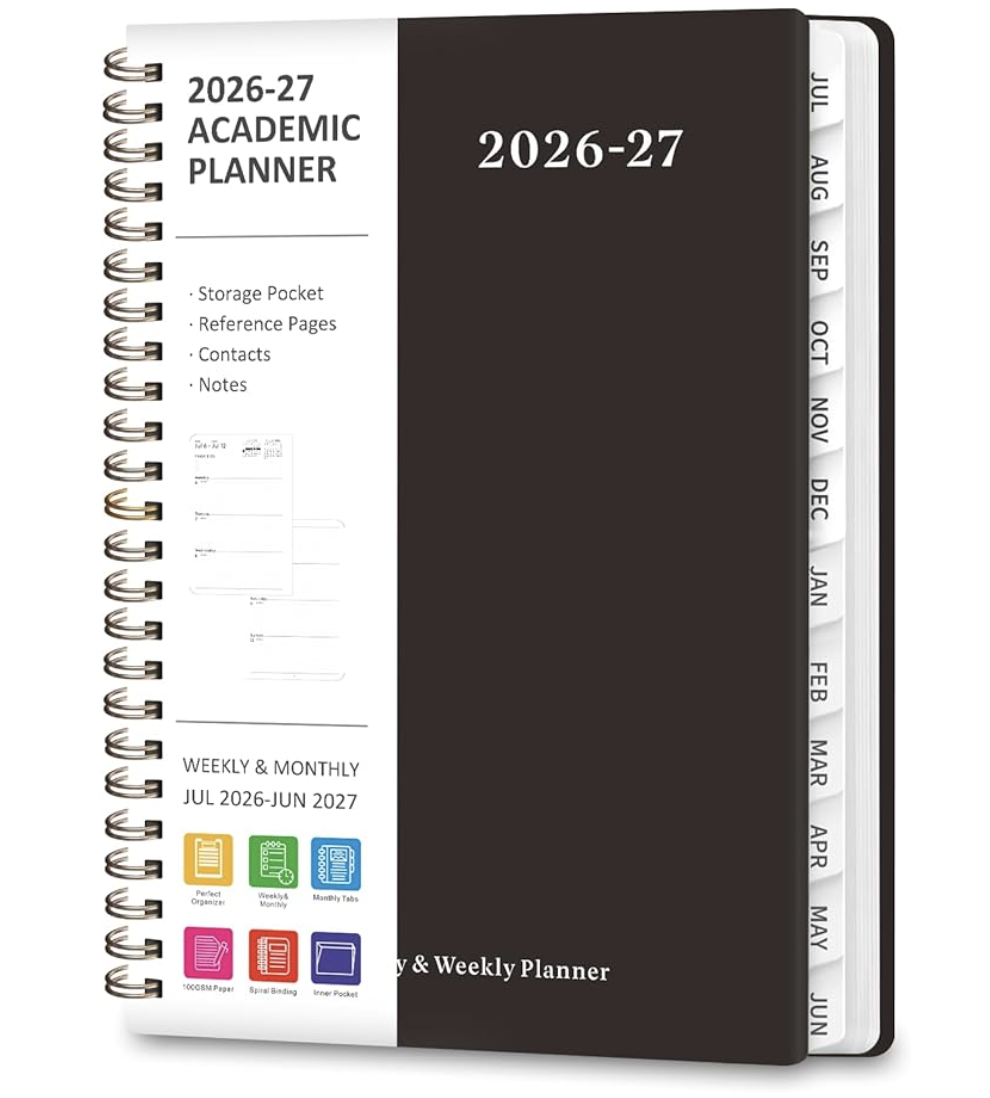
Shop through my Amazon links to check the latest price and deals ♡ As an Amazon Associate, The Seoul Edit earns from qualifying purchases.
2. EPIK vs Hagwon Jobs
♡ Public schools and private academies feel very different


The two most common teaching routes are public schools through programs like EPIK and private academies called hagwons. EPIK usually has more vacation, public school hours, and a more structured application process. Hagwons can hire year-round and may offer more location flexibility, but schedules, management, and contracts vary a lot, so you need to check reviews and read every contract carefully.
Helpful picks for moving to Korea:
Laptop Stand →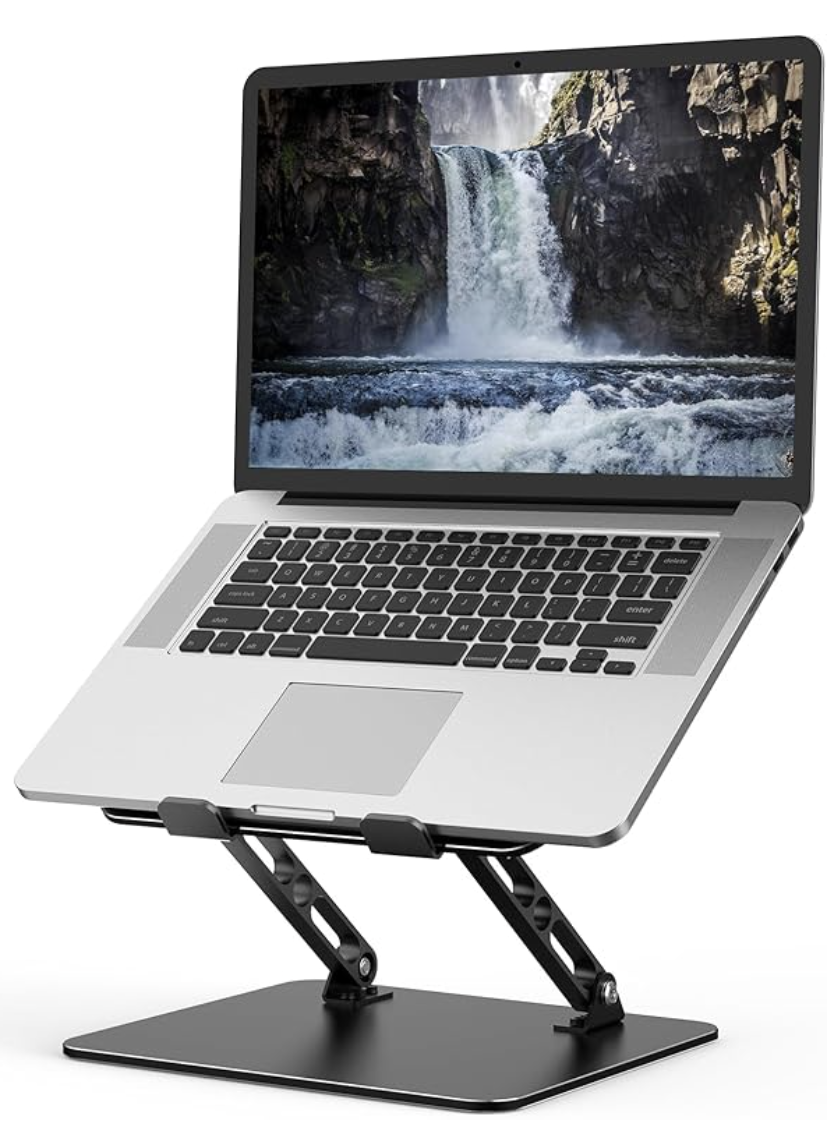 Portable Charger →
Shop through my Amazon links to check the latest price and deals ♡ As an Amazon Associate, The Seoul Edit earns from qualifying purchases.
3. How Much Do English Teachers Make in Korea?
♡ Salary, housing, flights, severance, and benefits


English teacher salaries in Korea often depend on the school type, city, experience, credentials, and contract. Many jobs include housing or a housing allowance, health insurance, pension contributions, paid vacation, and severance after completing a one-year contract. Public school salaries are usually more standardized, while hagwon salaries can vary more.
Helpful picks for moving to Korea:
Planner Notebook →AirPods →
Shop through my Amazon links to check the latest price and deals ♡ As an Amazon Associate, The Seoul Edit earns from qualifying purchases.
4. Documents You Usually Need for the E-2 Visa
♡ Start early because paperwork can take time
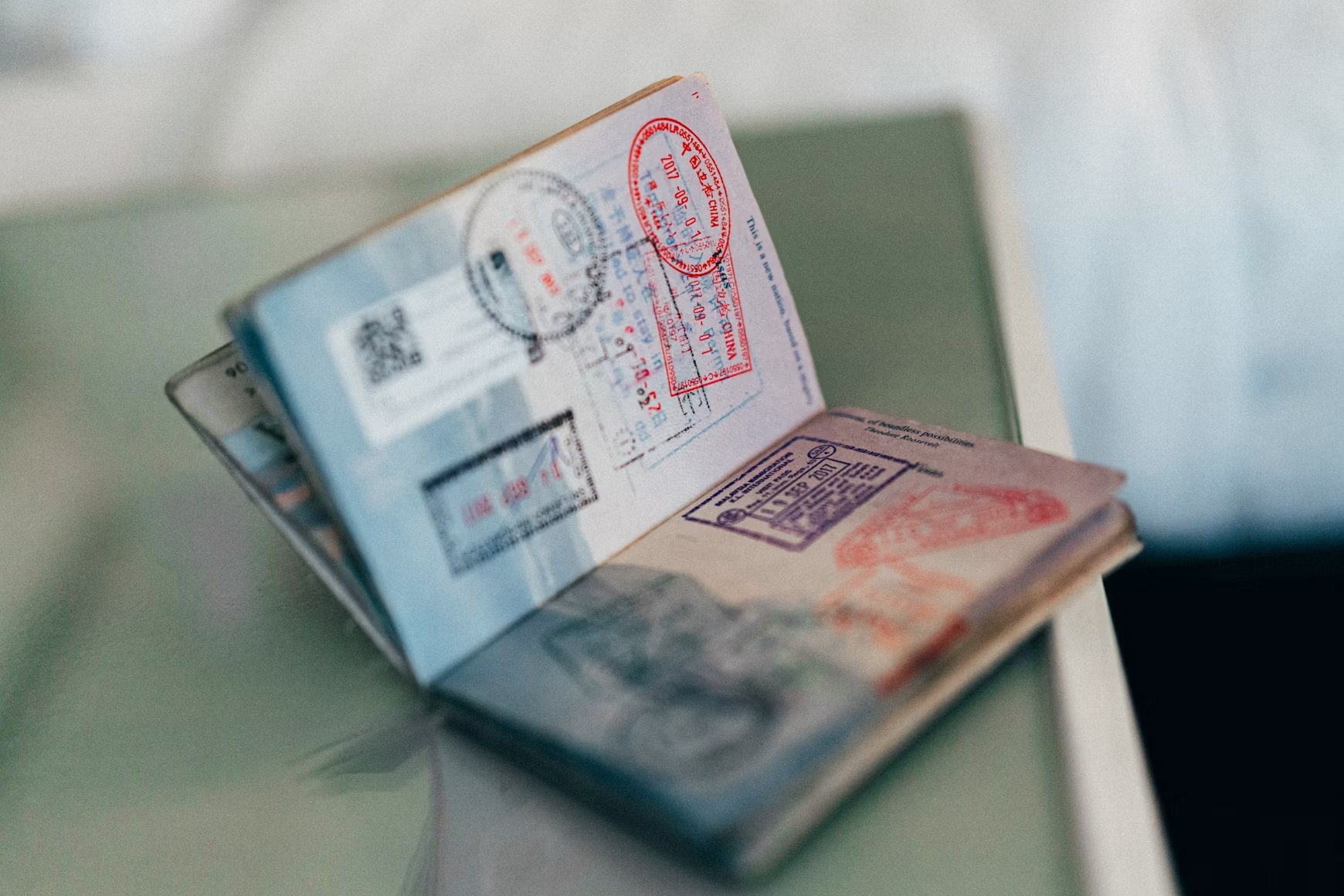

For an E-2 visa, applicants commonly prepare an apostilled degree copy, apostilled criminal background check, passport photos, health forms, transcripts, contract documents, and a valid passport. The exact list can depend on your nationality, employer, consulate, and current Korean immigration rules. Start early because background checks and apostilles can take longer than expected.
Helpful picks for moving to Korea:
Document Folder →Korean Phrasebook →
Shop through my Amazon links to check the latest price and deals ♡ As an Amazon Associate, The Seoul Edit earns from qualifying purchases.
5. Where to Find English Teaching Jobs in Korea
♡ Recruiters, job boards, EPIK, and school websites


You can find Korea teaching jobs through EPIK, recruiters, private academy job boards, Facebook groups, school websites, and TEFL job platforms. Before accepting a job, ask about working hours, housing, vacation, sick days, pension, health insurance, class size, curriculum, and whether overtime is paid clearly in the contract.
Helpful picks for moving to Korea:
Document Folder →Planner Notebook →Shop through my Amazon links to check the latest price and deals ♡ As an Amazon Associate, The Seoul Edit earns from qualifying purchases.
6. What Life as an English Teacher in Korea Can Feel Like
♡ Work, housing, culture shock, and daily routine


Teaching English in Korea can be exciting, but it is still a real job. You may deal with lesson planning, classroom management, culture shock, communication differences, and homesickness. At the same time, many teachers enjoy the convenience, public transportation, cafés, food, travel opportunities, and the chance to experience daily life in Korea beyond being a tourist.
Helpful picks for moving to Korea:
Laptop Stand →Portable Charger →Shop through my Amazon links to check the latest price and deals ♡ As an Amazon Associate, The Seoul Edit earns from qualifying purchases.
Teaching English in Korea Application Checklist
Before applying, prepare your resume, passport, degree information, background check plan, TEFL/TESOL/CELTA certificate if needed, and a list of cities or school types you are open to.
Ask every school or recruiter about salary, housing, working hours, vacation, pension, health insurance, sick days, overtime, classroom size, curriculum, and contract renewal terms.
Do not rush into the first offer. A teaching job in Korea can shape your whole year, so the contract and school environment matter.
Teaching Abroad Essentials to Pack
These are useful basics for organizing documents, commuting, lesson planning, and settling into Korea.
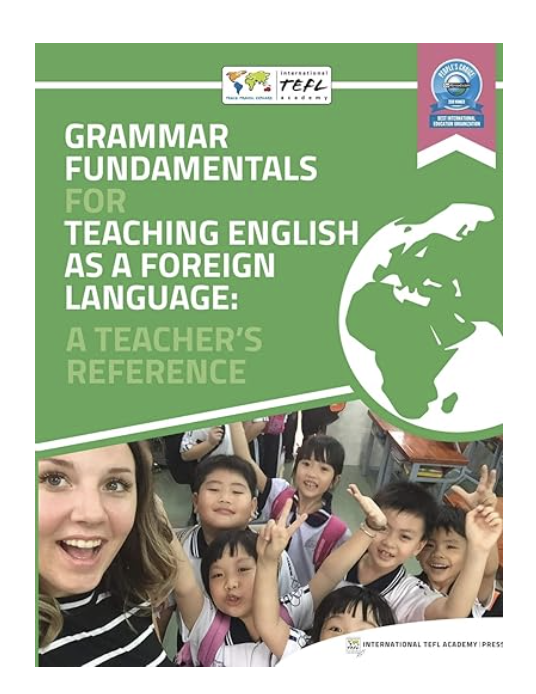
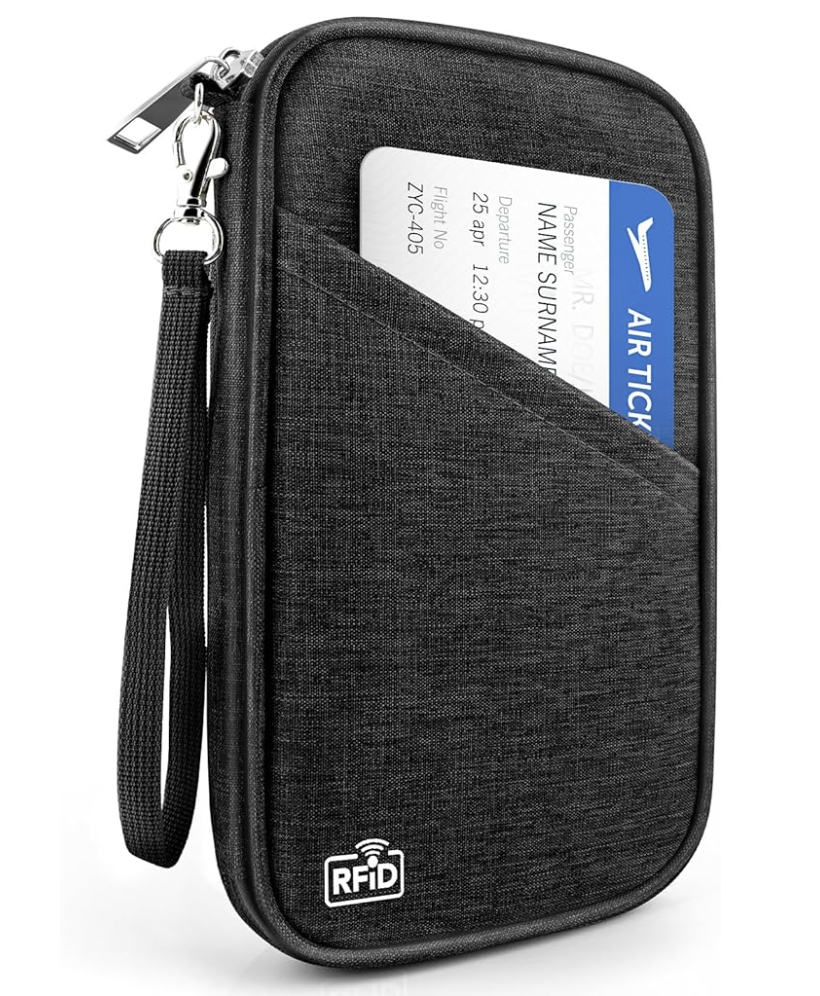
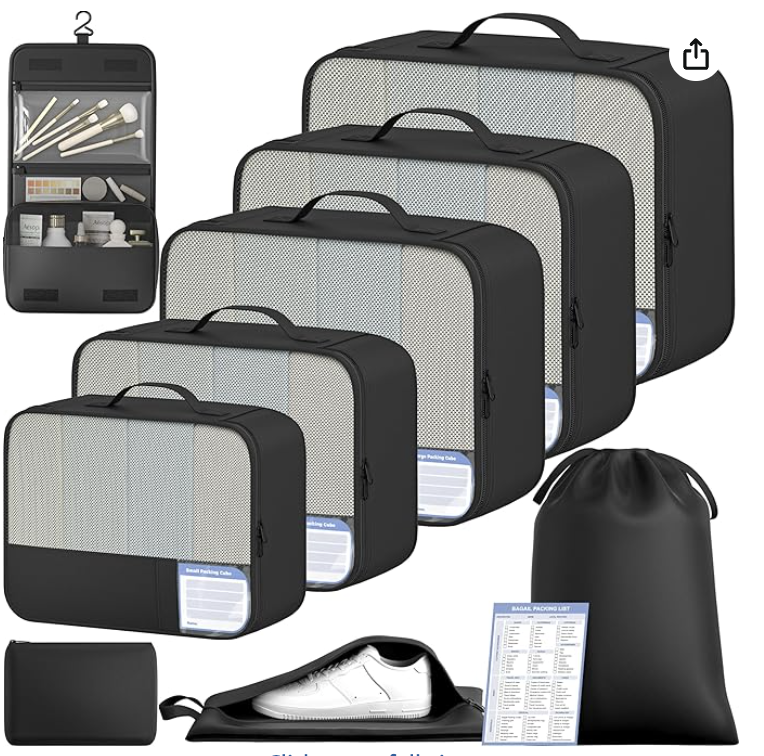

Shop through my Amazon links to check the latest price and deals ♡ As an Amazon Associate, The Seoul Edit earns from qualifying purchases.
FAQ: Teaching English in Korea
Do I need a degree to teach English in Korea?
For most legal English teaching jobs in Korea, especially E-2 visa jobs, a bachelor’s degree is usually required.
Do I need a TEFL certificate to teach English in Korea?
Many jobs prefer or require TEFL, TESOL, CELTA, a teaching license, or an education-related degree. Public school programs are usually stricter than some private academies.
Can Americans teach English in Korea?
Yes, Americans are commonly eligible for E-2 English teaching jobs if they meet degree, background check, visa, and employer requirements.
Is it better to teach through EPIK or a hagwon?
EPIK is usually more structured with public school hours and more vacation, while hagwons can offer more hiring flexibility but vary a lot by school.
Want More Korea Life Guides?
Join the list for Seoul travel tips, Korea job guides, Korean food guides, café finds, K-beauty picks, and local discoveries.
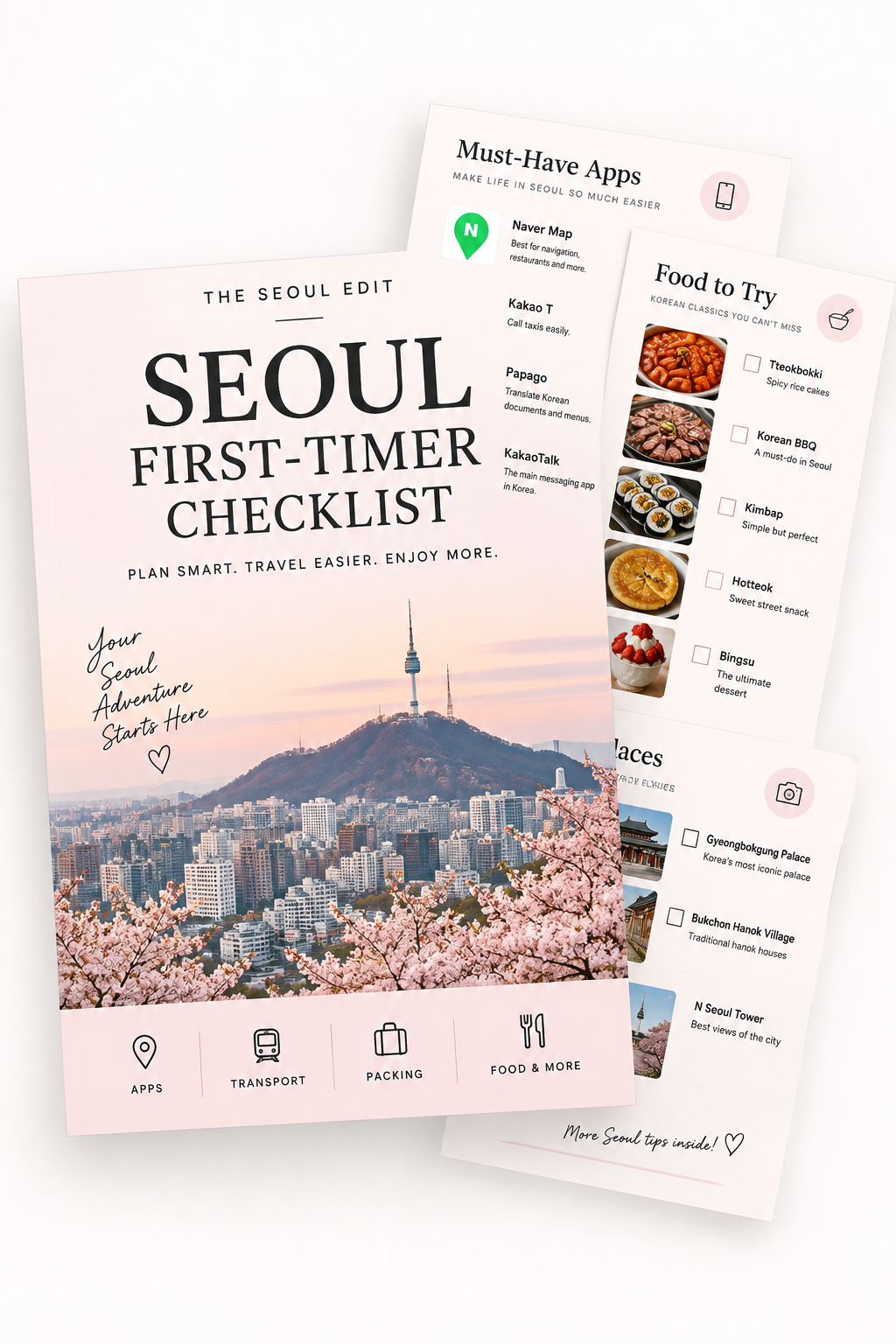
Planning a trip to Seoul?
Final Thoughts
Teaching English in Korea can be a great way to live abroad, gain work experience, and experience Korean daily life beyond tourism. But it is not just a cute Korea dream. It is a real job with contracts, paperwork, expectations, and responsibilities.
If you are serious about applying in 2026, start with the requirements, prepare your documents early, compare EPIK and hagwons carefully, and choose the job that fits your lifestyle and goals.